The Importance of Dinner Planning
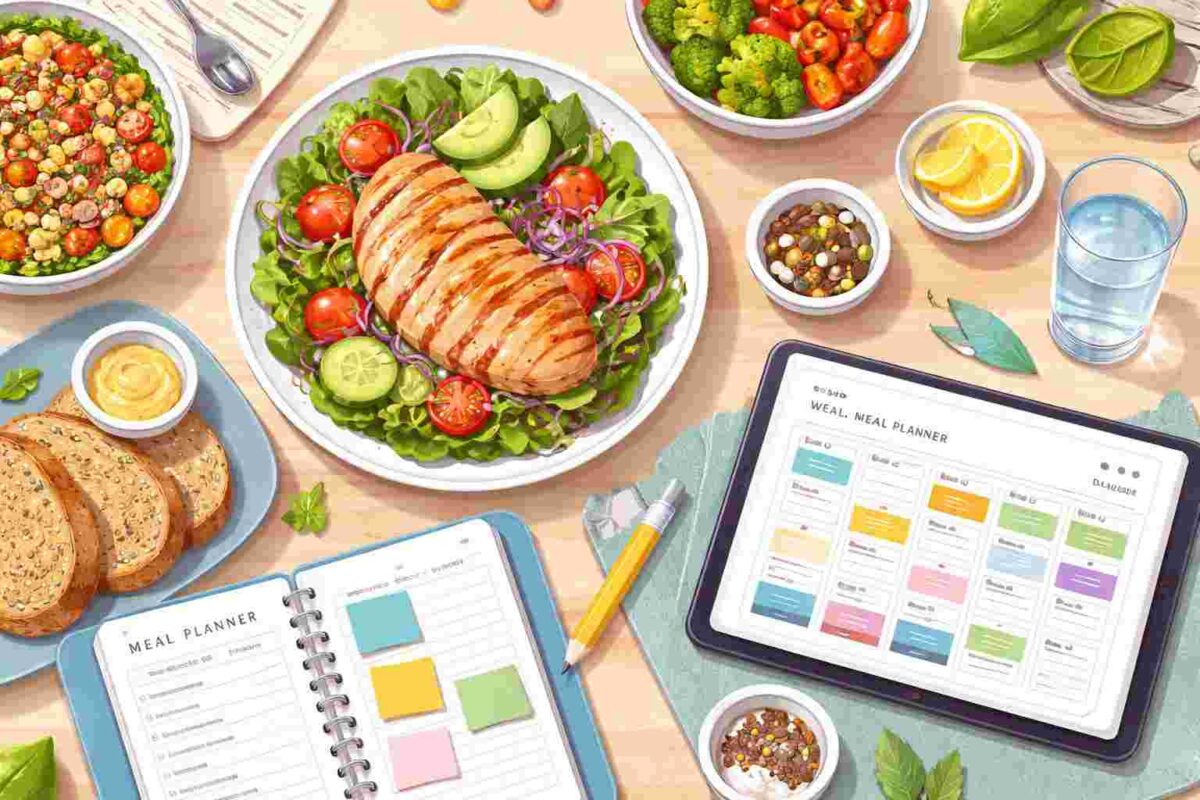
Having a well-structured dinner planning guide is essential for individuals and families aiming to streamline meal preparation. When dinner planning is prioritized, not only is cooking more efficient, but it also contributes significantly to overall well-being.
Benefits of Meal Planning
- Reduces stress and decision fatigue at mealtime.
- Supports healthier eating habits by ensuring a balanced diet.
- Contributes to cost savings by reducing food waste.
- Enhances family bonding through shared meal preparation.
Time Management in the Kitchen
Time is a precious commodity, especially in today’s fast-paced life. Implementing a dinner planning guide helps you manage your time more effectively by:
- Defining specific meal preparation days.
- Creating grocery lists based on planned meals.
- Allocating time more efficiently to cooking and cleaning.
Nutritional Balance in Meals
Another critical aspect of dinner planning is its role in nutritional balance:
- Facilitates the inclusion of a variety of foods essential for health.
- Helps in meeting specific dietary requirements.
- Encourages experimentation with new ingredients and recipes.
Essential Tools and Resources for Planning
Utilizing the right tools can elevate your dinner planning experience. Here are some essential options:
Meal Planning Apps
- Mealime: Simple and personalized meal plans.
- Paprika: Custom recipes and meal organization.
- MyFitnessPal: Track calories and nutritional values.
- AnyList: Create shared grocery lists.
Recipe Websites and Blogs
Engaging with online resources can enhance your recipe collection. Some popular websites include:
- Vegetarian Meal Planning: Great for meat-free options.
- AllRecipes: Varied recipes with user reviews.
- Epicurious: Gourmet recipes for food enthusiasts.
- New York Times Cooking: Curated recipes for home chefs.
Grocery List Organizers
A well-organized grocery list is vital for efficient shopping:
- GroceryIQ: A smart grocery list app.
- Out of Milk: Track pantry items and grocery lists.
- Cozi: Family-oriented list that can sync across devices.
- Trello: Adapt a card system for organizing grocery needs.
Meal Prep Strategies for Busy Individuals
Busy schedules shouldn’t impede healthy eating. With the right strategies, anyone can prepare meals efficiently:
Batch Cooking Techniques
- Choose a day for meal prep and stick to it.
- Cook large portions and store leftovers for future meals.
- Utilize slow cookers or Instant Pots for hands-free cooking.
- Invest in stackable glass containers for easy storage.
Freezing and Storing Meals
Freezing meals can extend their shelf life and save time:
- Label containers with checklists of frozen items.
- Use freezer-friendly bags to save space.
- Consider pre-portioned servings for easier access.
- Defrost meals in the fridge overnight for best results.
Using Leftovers Creatively
Repurposing leftovers can minimize waste and maximize creativity:
- Transform roast chicken into chicken tacos.
- Turn vegetable stir-fry into a soup.
- Incorporate leftover grains into salads.
- Experiment with new sauces to refresh flavors.
Business Impact: Meal Kit Services and Their Role
The rise of meal kit services has shifted how consumers approach dinner planning and cooking:
Market Growth and Demand
According to industry statistics, the meal kit delivery service market was valued at approximately $8.52 billion in 2020 and is expected to reach over $19.9 billion by 2028, reflecting a significant shift in modern dining trends. As people seek convenience, the demand for meal kit services continues to increase dramatically.
User Demographics
- Young professionals are among the largest user groups.
- Families looking for healthy meal options without the prep time.
- Health-conscious consumers interested in portion-controlled meals.
- Individuals with specific dietary restrictions seeking tailored plans.
Competitive Landscape
In a competitive environment, various services cater to different preferences:
- Blue Apron: Focused on culinary experiences.
- Freshly: Pre-cooked meal solutions.
- Sun Basket: Organic and ingredient-conscious options.
- Green Chef: Emphasizes dietary restrictions like keto and paleo.
Evaluating Dinner Recipes: A Comparative Approach
Choosing the right recipes is essential for meeting dietary needs and preferences. Below are comparisons between various meal types:
Quick vs. Traditional Recipes
| Criteria | Quick Recipes | Traditional Recipes |
|---|---|---|
| Preparation Time | 15-30 minutes | 1-2 hours |
| Cooking Techniques | Fewer steps, simpler methods | More complex with various techniques |
| Meal Options | Salads, stir-fries, sandwiches | Roasts, casseroles, baked dishes |
| Servings | Typically smaller portions | Larger, family-sized servings |
Vegetarian vs. Meat-Based Meals
- Consider health benefits of reducing meat consumption.
- Vegetarian meals can incorporate proteins from legumes and grains.
- Meat-based recipes often have richer flavors.
- Both types can be nutritious when balanced properly.
Family-Friendly Options vs. Gourmet Meals
- Family-friendly meals focus on taste and familiarity.
- Gourmet meals often emphasize presentation and exotic ingredients.
- Both styles can blend to create impressive yet comforting dishes.
- Adaptations can transform a gourmet dish into a kid-friendly version.
Statistics on Dinner Planning Trends
Recent studies reveal intriguing data about dinner planning habits among consumers:
Consumer Meal Prep Statistics
Approximately 60% of Americans engage in meal prepping at least once a month, indicating a widespread interest in organized cooking practices. Additionally, around 50% express an intention to increase their meal prep activities in the coming year.
Market Share of Meal Kits
The meal kit industry has captured nearly 5% of total U.S. grocery market sales, highlighting its significant impact on food purchasing behavior and the shifting landscape of home cooking.
Trends in Cooking at Home
- Nearly 70% of families report cooking at home more often since the pandemic.
- A significant increase in online cooking class enrollments.
- Growing interest in health-oriented meal kits and special diets.
- Rise in DIY meal prep communities across social media platforms.
Case Study: Successful Dinner Planning Transformations
Let’s look at a real-world example illustrating effective dinner planning:
Before and After Meal Planning
Meet the Johnson family. Before implementing a structured dinner planning approach, they frequently opted for takeout, leading to increased expenses and dietary inconsistencies.
After a focused effort on meal prepping and planning, their grocery spending was reduced by 30%, and their family composed healthier dinners comprising of at least one vegetable per meal.
Quantifying Time Savings
The Johnsons found that dedicating just two hours on Sundays for meal prep saved them an average of 10 hours a week, allowing them to spend more time together and reduce evening stress during weeknights.
Nutritional Improvements
As a result of their new dinner planning regime, the family saw an improvement in nutritional intake, enhancing their overall health, and reducing reliance on convenience foods. Monthly family visits to the pediatrician showed significant growth in their children’s health metrics.
Limitations and Risks of Rigid Meal Plans
While meal planning has numerous advantages, rigid adherence to a meal plan can pose risks:
Food Waste Concerns
A strict meal plan can lead to purchasing items that may go unused, eventually contributing to food waste. This is particularly true if family preferences shift during the week.
Stagnation in Meal Variety
Following a pre-set plan might limit culinary creativity. Emphasizing flexibility can prevent meals from becoming monotonous and keep mealtimes exciting without overly complicating the process.
Flexibility Issues for Social Events
Insisting on a rigid meal plan can create conflicts with social events or spontaneous plans. It’s vital to build some flexibility into your meal planning system, allowing for adjustments when the unexpected arises.
Future Outlook on Dinner Planning
The future of dinner planning is evolving due to various factors:
Technological Advancements
Innovations such as AI-driven meal planning and recipe generators are poised to enhance user experiences dramatically. Personalized recommendations based on dietary preferences will become standard for meal kit services.
Evolving Consumer Preferences
As consumers become more health-conscious, demand for organic and locally sourced ingredients will increase. Meal planning services will need to adapt to cater to these preferences, potentially creating more sustainable dining solutions.
Sustainability Trends in Meal Planning
- Increase in meal kits focused on waste reduction.
- Use of eco-friendly packaging in food deliveries.
- Emphasis on plant-based meal options to minimize environmental impact.
- Consumer education on responsible food sourcing.
Frequently Asked Questions about Dinner Planning
What are the best meal planning tips?
Some of the best meal planning tips include: setting aside dedicated time each week to plan meals, ensuring you have a well-stocked pantry with necessary staples, incorporating seasonal produce for freshness, and involving family members in the process to tailor meals to their preferences. By planning ahead and being organized, you can create a less stressful cooking environment.
Additionally, resist the urge to over-plan. Leave some flexibility for changes depending on what you are feeling on a given day. Understanding your household’s preferences and selecting meals that can be modified will add to your repertoire while keeping your options open.
How can I save money while planning dinners?
Shopping sales, using coupons, and making a grocery list based on planned meals can significantly reduce costs. Buying in bulk, especially for non-perishables, can save money in the long run.
It might also help to choose recipes that maximize the use of ingredients. Interchanging goods between meals that share similar components can efficiently utilize what you buy without letting anything go to waste.
What should I do with leftovers?
Leftovers can be transformed into exciting new meals with minimal effort. One approach is to incorporate them into new recipes or even mix and match. For example, leftover roasted vegetables can become a delightful frittata or a hearty salad.
Another excellent method for using up leftovers is to freeze them immediately after cooking so that they don’t spoil. Once you have a supply of frozen meals, they can be used on those chaotic weeknights when cooking feels overwhelming.
How do I choose recipes that my family will enjoy?
Choosing family-friendly recipes often involves analyzing what everyone enjoys and cooking at least one meal per week that is specifically catered to everyone’s preferences. Family meetings about meals can be fun and inclusive, which may help in decision-making.
Consider also including variations like taco night, where each family member can choose their favorite toppings and fillings, creating a fun and interactive dinner experience.
What equipment do I need for meal prep?
Essential equipment for meal prep includes sharp knives, cutting boards, various-sized containers for storage, a slow cooker or Instant Pot for bulk cooking, and measuring tools for precision. Having the right tools ensures that you can efficiently prepare and portion meals as planned.
It’s also wise to choose tools that suit your cooking style to facilitate enjoyable meal prep sessions. Over time, you will find which gadgets are essential to your workflow.
Can meal planning help with dietary restrictions?
Meal planning is an excellent tool for managing dietary restrictions because it allows you to customize meals to fit specific nutritional needs. For example, substituting gluten-free grains in staple recipes can be easily accomplished through planning.
By creating a focused meal plan, individuals can ensure they consume the right nutrients while avoiding unwanted ingredients. Customized recipes allow for creativity without compromising health don’t forget to explore alternatives and new flavors.
Conclusion: Simplifying Dinner Through Strategic Planning
In conclusion, having a comprehensive dinner planning guide can significantly simplify the daily cooking process for families and individuals alike. By understanding the benefits of meal planning, utilizing effective tools, and embracing flexible strategies, anyone can elevate their culinary experience. The journey may come with its challenges, yet the rewards of healthier meals and enhanced family dynamics are well worth the effort. From future innovations in meal planning to understanding valuable consumer trends, the pursuit of organized and nutritious dining continues to evolve. Stay committed, engage with your family, and enjoy every moment spent in the kitchen!