The significance of healthy lunch box ideas cannot be overstated. As we navigate our busy lives, the meals we consume throughout the day directly impact our energy levels and productivity. Whether at the office, in school, or working from home, nutritious lunches provide essential fuels to keep us focused and active.
The Nutritional Foundation of Lunch Boxes
To understand how to create nourishing lunch boxes, it is crucial to grasp the essential nutrients needed for a balanced meal. Every healthy lunch should incorporate key macronutrients, vitamins, and minerals, ensuring that each bite contributes to overall health and wellness.
Macronutrients Overview
- Proteins: These are critical for building muscle and repairing tissues. Include lean meats, legumes, or dairy products.
- Carbohydrates: As the primary energy source, opt for whole grains like quinoa, brown rice, or whole-grain bread.
- Fats: Healthy fats from sources like nuts, seeds, and avocados contribute to cognitive function.
- Fiber: Essential for digestive health; include fruits and vegetables to promote fullness.
Vitamins and Minerals Importance
Vitamins and minerals play pivotal roles in bodily functions:
- Vitamin C: Found in citrus fruits, it aids in immune function.
- Iron: Essential for energy production, often found in leafy greens and red meats.
- Calcium: Important for bone health, sourced from dairy or plant-based alternatives.
- Potassium: Aids in muscle function, found in bananas and potatoes.
Hydration Considerations
Staying hydrated is just as important as the food you eat. Incorporating water-rich foods like cucumbers or watermelon in your lunch box can help keep you hydrated throughout the day. Consider adding a bottle of water or herbal tea to complement your meal, ensuring you remain refreshed and alert.
Creative Combinations for Fun and Variety
Lunch boxes shouldn’t be boring. By mixing and matching ingredients, you can create appealing and nutritious meals that excite your taste buds.
Grain and Protein Pairings
- Quinoa with grilled chicken or chickpeas
- Brown rice with black beans and corn
- Whole-grain pasta with pesto and olives
- Farro or barley with roasted vegetables and feta cheese
Incorporating Fruits and Vegetables
Fruits and vegetables should take center stage in your lunch box:
- Create colorful salads with a variety of leafy greens.
- Add sliced fruits like apples, berries, or citrus for a sweet touch.
- Include raw carrots, bell peppers, or cherry tomatoes for crunch.
- Prepare veggie wraps using lettuce or whole-grain tortillas.
Healthy Snacks Additions
Extend the variety by adding healthy snacks:
- Homemade energy bars
- Greek yogurt with honey and nuts
- Rice cakes topped with nut butter
- Hummus with veggie sticks
Meal Prep Techniques for Busy Lifestyles
For those with packed schedules, meal prepping can save time while promoting healthy eating habits.
Batch Cooking Essentials
Start with batch cooking staples:
- Cook grains like rice or quinoa in large quantities.
- Bake proteins such as chicken breasts or tofu for various uses.
- Roast an assortment of vegetables to complement any dish.
- Prepare sauces or dressings that can enhance meals.
Storage Solutions and Best Practices
Efficient storage is key to maintaining freshness:
- Use airtight containers.
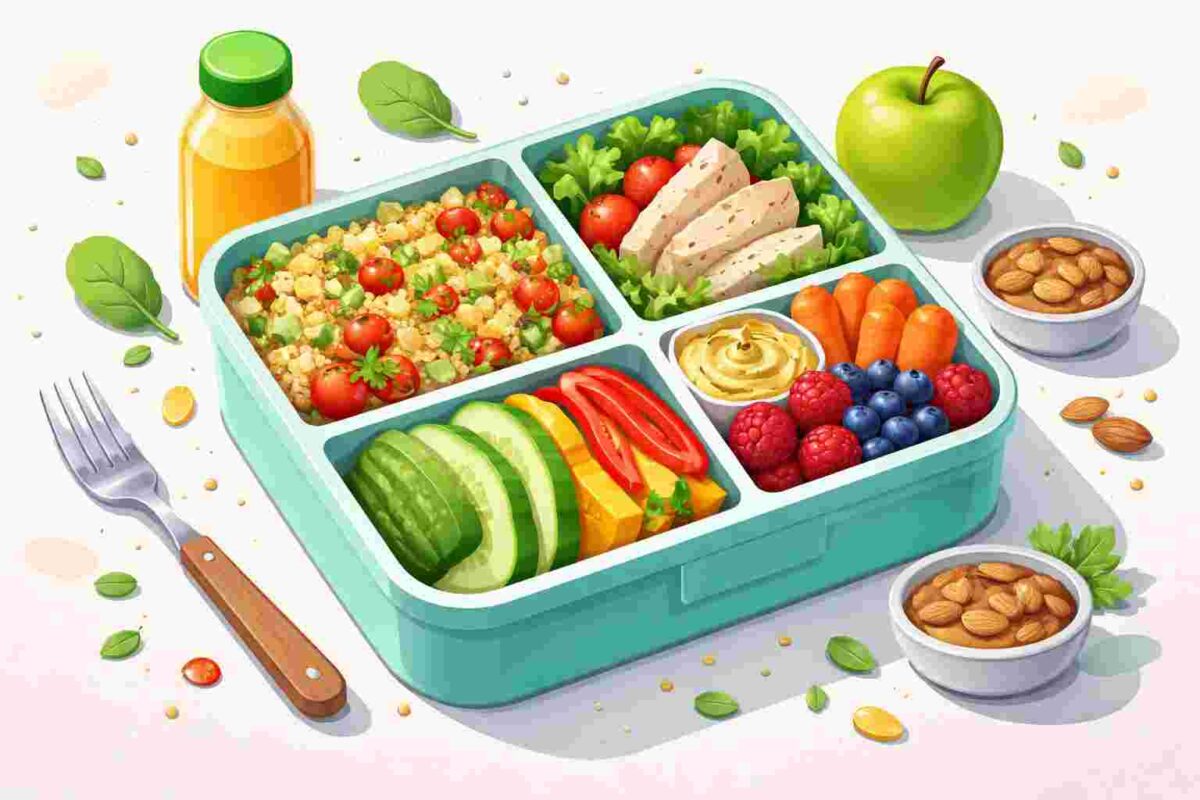
- Invest in compartmentalized lunch boxes for easy organization.
- Label containers with dates to track freshness.
- Refrigerate or freeze meals to extend shelf life.
Portion Control Tips
Managing portions can prevent overeating:
- Use smaller containers to keep portions in check.
- Fill half of your plate with vegetables.
- Measure out nuts or cheese instead of adding directly.
- Prepare grab-and-go snacks for controlled indulgence.
Impact of Healthy Lunches on Productivity
Investing time in preparing healthy lunches can significantly impact productivity in various settings.
Corporate Wellness Programs
Many companies recognize the relationship between nutrition and productivity. A significant 67% of employers now offer wellness programs that include healthy meal options. Offering nutritious lunches has been linked to reduced absenteeism and higher morale among employees.
School Lunch Initiatives
Schools implementing healthy lunch initiatives have seen positive outcomes as well. According to recent studies, schools that revamped their lunch programs reported a 30% increase in student participation. These changes not only enhance student health but also improve academic performance.
Fitness and Nutrition in Workplaces
Incorporating nutrition education and healthy meals into workplace fitness programs can lead to a reported 40% increase in employee engagement and motivation. This triangle of health, fitness, and workplace culture fosters an environment where employees thrive.
Advantages of Packing Your Own Lunch
Creating homemade lunches provides numerous advantages over grabbing meals on the go.
Cost-Effectiveness
- Homemade meals typically cost significantly less than store-bought or restaurant meals—up to 50% savings.
- Batch cooking helps utilize bulk purchases efficiently.
- Reduces impulse buying of higher-priced convenience foods.
- By budgeting effectively, lunch expenses can be minimized.
Customization Opportunities
- Design your meals to meet personal taste preferences.
- Adjust ingredients based on dietary restrictions and nutrition goals.
- Experiment with new recipes without the pressure of cost.
- Incorporate seasonal produce to enhance flavor and nutrition.
Quality Control
When packing your own lunch, you have complete control over the quality of ingredients:
- Select fresh, organic produce and whole foods.
- Limit additives and preservatives often found in pre-packaged meals.
- Experiment with cooking methods to retain nutrients.
- Incorporate home-cooked flavors that are often missing in commercial meals.
Risks of Unhealthy Lunch Choices
The choices we make regarding our lunches can have lasting effects on our health and productivity.
Impact on Focus and Energy
Consuming high-sugar or high-fat meals can lead to energy crashes, affecting focus. Studies indicate that individuals who eat unhealthy lunches report a 20% decrease in concentration levels throughout the afternoon.
Long-Term Health Effects
Regularly opting for quick, unhealthy meals can lead to serious long-term health consequences:
- Increased risk of obesity and related diseases.
- Higher chances of developing chronic illnesses such as diabetes.
- Long-term mental health issues stemming from poor diet.
- Compromised immune systems due to nutritional deficiencies.
Economic Costs of Unhealthy Eating
The economic burden of unhealthy eating is staggering. Families that spend more on convenience foods may see an increase of over $1,500 annually on groceries without significant health benefits. Investing in healthier choices yields long-term financial savings.
Comparing Meal Delivery Services vs. DIY Lunches
The convenience of meal delivery services has gained popularity, but is it worth the investment compared to cooking at home?
| Criteria | Meal Delivery Services | DIY Lunches |
|---|---|---|
| Cost | Higher price per meal | Lower cost, especially with batch cooking |
| Nutritional Value | Varies significantly | Customizable to nutritional needs |
| Convenience | Time-saving on prep | Requires planning but allows flexibility |
| Quality Control | Less control over ingredients | Full control over food quality |
While meal delivery services offer convenience, DIY lunches provide more control over nutrition, cost, and quality. Balancing convenience with health is essential for optimal wellness.
Current Trends in Healthy Eating for Lunch
Research on healthy food choices is constantly evolving, revealing interesting trends.
Market Growth in Meal Kits
The meal kit market has witnessed over a 20% growth in recent years as people seek healthier eating options without sacrificing convenience.
Survey Results on Eating Habits
Recent surveys indicate that approximately 65% of consumers are prioritizing health-conscious meals in their lunch choices, indicating a shift towards more nutritious options.
Consumer Preferences in Lunch Options
There is a growing preference for plant-based meals, with over 35% of consumers actively seeking vegetarian or vegan lunch ideas for both health and environmental benefits.
Real-World Impact: Case Studies in Healthy Lunch Programs
Demonstrating how healthy lunch initiatives can yield tangible results can be quite impactful.
School District Programs
A case study in a Midwestern school district revealed that after implementing a healthier lunch program, the percentage of students consuming school lunches rose from 50% to 75%. This change resulted in a measurable improvement in student energy levels and participation in afternoon classes.
Corporate Health Initiatives
A large corporation noted a 15% increase in employee productivity after introducing a health-focused lunch initiative, where employees could choose balanced meal options provided at work.
Community Workshops Results
A local community organization launched workshops that educated families about meal planning and preparation. Results showed a 40% increase in families preparing meals together, fostering communal healthy eating practices.
Future Of Healthy Lunches: What To Expect
Looking ahead, several trends are anticipated to shape the future of healthy eating.
Technological Innovations
Emerging technologies in meal preparation and delivery will continue to influence choices:
- Smart appliances that simplify cooking processes.
- Apps that provide personalized meal recommendations.
- Increased automation in meal delivery to maintain health standards.
- Wearable technology to monitor dietary habits and health metrics.
Sustainability Movements
Growing awareness of sustainability will drive choices:
- Increased demand for locally sourced ingredients.
- Edible packaging innovations making meals more sustainable.
- A focus on reducing food waste through better meal planning.
- Popularity of plant-based diets to minimize environmental impact.
Evolving Dietary Preferences
As dietary needs become more diverse, lunch options will adapt:
- Greater offerings for gluten-free, keto, and paleo diets.
- Diverse cultural influences shaping lunch box contents.
- Increased detection of allergies will inform menu planning.
- Interest in functionality—foods that not only satisfy hunger but also support specific health goals.
Frequently Asked Questions About Healthy Lunch Boxes
What are easy healthy lunch ideas for kids?
When preparing lunches for kids, variety and fun are key. Packing colorful meals can make healthy eating appealing. Consider bento box-style presentations with small portions of grilled chicken, sliced fruits, and veggies with dips. Using cookie cutters to create fun shapes from whole-grain sandwiches can also elevate their excitement about lunch.
How can I keep lunch fresh until it’s time to eat?
To ensure freshness, invest in insulated lunch bags with ice packs that can keep perishable items cool. Using airtight containers for salads or sandwiches can also help maintain their integrity. Additionally, for foods that need to remain crispy, such as chips or crackers, consider storing them separately until lunchtime.
Are there healthy options for special dietary needs?
Absolutely! Many resources are available today for catering to various dietary restrictions. For those with gluten allergies, gluten-free grains like quinoa or rice can be excellent carbohydrate sources. Those following a vegetarian or vegan diet can enjoy lunch boxes filled with legumes, tofu, and plenty of colorful veggies. Always read labels to ensure all products are free from allergens.
How can I make lunch prep easier?
Simplifying the lunch prep process can save time. Start by planning meals a week in advance, making it easier to grocery shop and prepare. Utilizing batch cooking methods allows for multiple meals to be ready at once. Keeping a toolbox of versatile ingredients can reduce the mental load as you piece together lunches quickly.
What are some quick recipes for busy mornings?
For busy mornings, quick recipes that require minimal prep can be lifesavers. Overnight oats can be prepped a day ahead and tailored with various toppings. Smoothies can also be blended in under five minutes using frozen fruits and greens. Additionally, make-ahead muffins packed with fruits or vegetables can be a ready-to-go breakfast option.
How do I balance flavors and nutrients?
Balancing flavors and nutrients involves incorporating various food groups in each meal. Aim for a mix of proteins, healthy fats, and carbohydrates in every lunch box. Use herbs and spices to enhance flavors without calories. Varying textures by combining crunchy vegetables with soft fruits or proteins can also improve the meal experience.
Conclusion: Building Your Ideal Healthy Lunch Box
Creating your own healthy lunch box encourages personal exploration of nutrition and flavors. With various ideas and meal combinations available, you can experiment to find choices that excite you. Utilizing the principles and strategies discussed will help you build a nourishing and satisfying lunch that fuels your day effectively.