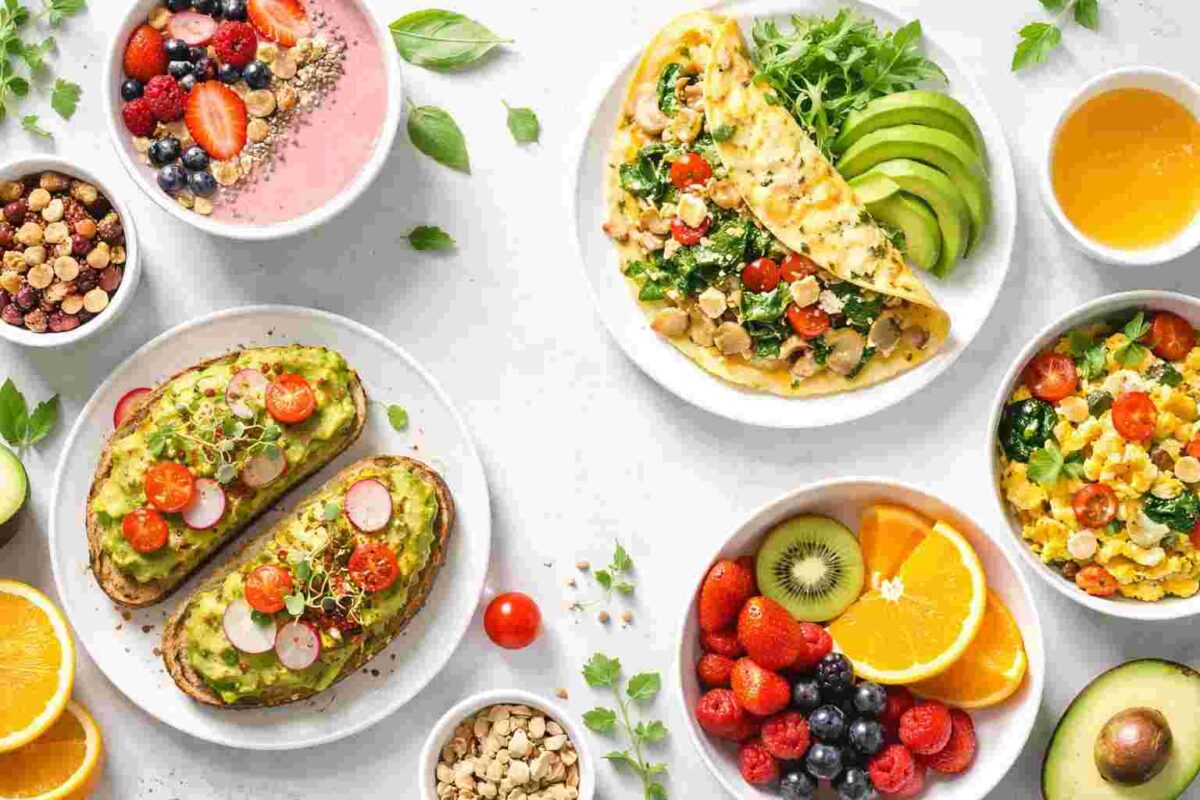
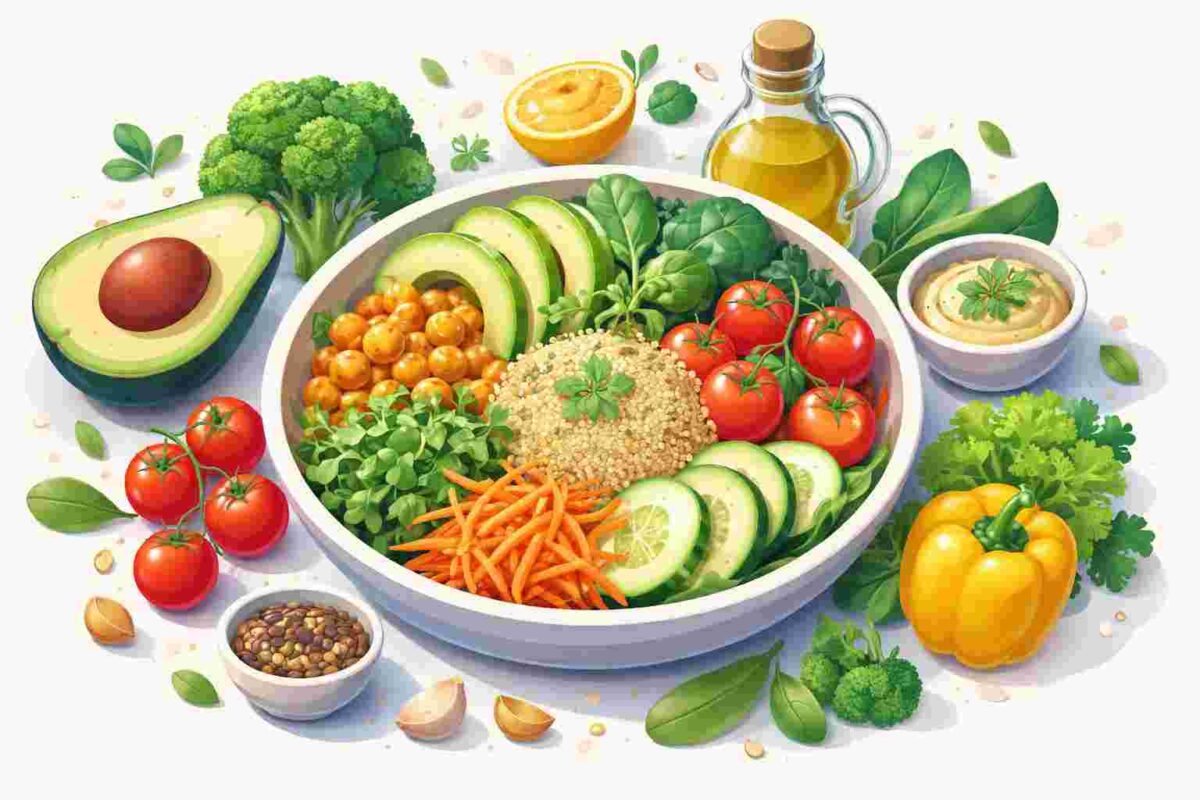
The concept of a vegetarian diet has gained immense popularity in recent years, not only for its ethical implications but also for its numerous health benefits. This comprehensive guide dives deep into the intricacies of a Weekly Vegetarian Diet Plan, elaborating on its advantages, meal preparation strategies, recipes, and much more.
Understanding Vegetarian Diets
To truly embrace a vegetarian lifestyle, it’s crucial to understand the various types of vegetarian diets available, their health benefits, and the nutritional considerations that accompany them. This foundational knowledge not only enhances adherence to the diet but also maximizes health outcomes.
Types of Vegetarian Diets
- Ovo-lacto vegetarian: Includes dairy products and eggs.
- Lacto-vegetarian: Includes dairy products but excludes eggs.
- Ovo-vegetarian: Includes eggs but excludes dairy products.
- Vegan: Excludes all animal products.
- Flexitarian: Primarily vegetarian but occasionally includes meat.
Health Benefits of Vegetarianism
- Lower risk of heart disease.
- Reduced incidence of type 2 diabetes.
- Decreased cancer risk, particularly colon cancer.
- Improved digestive health due to higher fiber intake.
- Enhanced weight management.
Nutritional Considerations
Adopting a vegetarian diet necessitates careful attention to nutritional balance. Proteins, vitamins (B12, D), iron, and omega-3 fatty acids often need special consideration. Here’s how you can ensure adequate intake:
- Incorporate a variety of legumes, nuts, and seeds to meet protein needs.
- Consume fortified foods for B12 and D.
- Include dark leafy greens and legumes for iron.
- Use flaxseeds or walnuts for omega-3s.
Meal Planning Strategies for Success
Effective meal planning is essential when transitioning to or maintaining a vegetarian lifestyle. Here are some practical strategies to simplify your approach.
Creating a Balanced Plate
Visualizing a balanced plate can help in structuring meals:
- Half the plate should consist of vegetables and fruits.
- One-fourth should be whole grains.
- One-fourth needs to include proteins, like legumes or tofu.
- Include healthy fats, such as olive oil or avocado.
Shopping List Essentials
A well-crafted shopping list can save time and ensure variety:
- Fruits: berries, apples, bananas.
- Vegetables: spinach, kale, bell peppers.
- Whole grains: quinoa, brown rice, barley.
- Proteins: lentils, chickpeas, tofu.
- Dairy or dairy alternatives.
Batch Cooking Techniques
Batch cooking is a game-changer in maintaining a vegetarian diet:
- Cook large batches of grains and legumes for the week.
- Pre-chop veggies to make meal assembly faster.
- Prepare sauces and dressings in advance.
- Use freezer-friendly containers for easy meal storage.
Impact on Health: Physical and Mental
A vegetarian diet can have profound effects on both physical and mental health. Here’s a look at how such diets impact health outcomes across various fields.
Nutrition and Weight Management
Research indicates that vegetarians tend to have a lower body mass index (BMI) compared to their meat-eating counterparts. A study published in the Journal of the American Dietetic Association showed that vegetarians have nearly a 20% lower risk of obesity.
Mental Health Benefits
Emerging studies find a correlation between vegetarian diets and improved mental health, suggesting that vegetarians report lower levels of depression and anxiety. This could be attributed to increased consumption of fruits, vegetables, and omega-3 fatty acids.
Chronic Disease Prevention
Adopting a vegetarian diet can significantly lower the risk of chronic diseases. Specifically, research shows that individuals following a vegetarian lifestyle are at a 32% reduced risk of becoming hypertensive compared to those who consume meat regularly.
The Advantages of a Plant-Based Diet
Embracing a plant-based diet comes with various broader benefits that extend beyond personal health.
Environmental Benefits
- Lower greenhouse gas emissions associated with plant-based diets.
- Reduced land usage for food production.
- Less water consumption in comparison to meat production.
- Conservation of biodiversity by reducing meat demand.
Economic Considerations
On average, a vegetarian diet can be more economical than a meat-based diet. With rising meat prices, going vegetarian can lead to considerable savings over time.
Cultural Perspectives
Many cultures have longstanding traditions based around vegetarianism, often integrating it with their historical practices. Embracing such diets can foster cultural appreciation and contribute to global diversity.
Potential Risks and Limitations of Vegetarian Diets
While there are numerous advantages to vegetarianism, potential risks and limitations must also be addressed for informed decision-making.
Nutrient Deficiencies
- Vitamin B12 is primarily found in animal products.
- Iron absorption might be lower in plant sources.
- Omega-3 fatty acids can be harder to source.
- Potential deficiency in Calcium and Vitamin D if dairy is eliminated.
Social and Cultural Challenges
Being vegetarian can sometimes lead to social eating challenges, especially in cultures where meat plays a central role. Navigating family gatherings or outings can become complex.
Cost Implications
In some regions, specialized vegetarian products can be more expensive. This also applies to organic produce, which although healthier, can strain budgets.
Comparative Analysis: Vegetarian vs. Other Diets
It’s essential to contrast vegetarianism against other popular dietary regimes for a full understanding of its unique characteristics.
| Characteristic | Vegetarian | Vegan | Paleo | Mediterranean |
|---|---|---|---|---|
| Includes Animal Products | Yes (Dairy, Eggs) | No | Yes (Meat, Fish) | Yes (Fish, Dairy) |
| Focus on Whole Foods | Yes | Yes | Yes | Yes |
| Processed Foods | Limited | Limited | Moderate | Minimal |
| Health Benefits | Multiple | Multiple (plus weight management) | Heart Health | Heart and Overall Health |
| Environmental Impact | Low | Very Low | Moderate | Low |
Statistics and Trends in Vegetarianism
Recent trends show a significant increase in vegetarianism globally. According to a report by the Vegetarian Resource Group, approximately 3.3% of the U.S. population identifies as vegetarian, showing a steady increase of around 0.5% annually.
Current Market Growth Statistics
The vegetarian food market is projected to reach $100 billion by 2025, highlighting the thriving interest in plant-based diets. The trend suggests that vegetarianism is set to become even more mainstream, influenced by both health considerations and ethical concerns.
Demographic Trends in Vegetarianism
- Young adults between 18-34 lead in vegetarian adoption rates.
- Women are more likely to identify as vegetarians than men.
- Higher rates of vegetarianism are observed in urban areas.
- Cultural background influences dietary choices significantly.
Future Projections
Experts forecast even greater growth in vegetarianism, spurred by rising awareness surrounding health, sustainability, and ethical debates surrounding food production. Companies are increasingly catering to this demographic with innovative products.
Real-world Success Stories
Numerous case studies showcase the real-world impact of adopting a vegetarian diet, yielding remarkable before-and-after results.
Before and After Health Transformations
There are countless stories of individuals experiencing profound health improvements after shifting to a vegetarian lifestyle. Participants in a lifestyle intervention program reported an average weight loss of 10% and significant declines in cholesterol levels.
Community Health Initiatives
Several community health initiatives demonstrate how promoting vegetarianism can benefit public health. Programs in schools have shown that implementing vegetarian meal options can lead to better health outcomes among students, including higher energy levels.
Corporate Wellness Programs
Many corporations are now integrating vegetarian options into their wellness programs, reflecting an understanding of the diet’s health benefits. Programs that include plant-based meals often see increased employee satisfaction and enhanced productivity.
What Lies Ahead: Future of Vegetarian Diets
The future of vegetarianism is promising, characterized by evolving trends and innovations that will shape dietary habits.
Technological Advancements in Food Production
Emerging technologies, such as lab-grown meat and enhanced plant-based products, will likely lead to increases in vegetarian adoption as these options become more acceptable and accessible.
Cultural Shifts Towards Vegetarianism
With a growing emphasis on sustainability and environmental stewardship, cultural attitudes toward vegetarianism are shifting. Increased awareness is likely to see vegetarian diets gain a foothold in more households.
Sustainability Initiatives
In response to climate change, many organizations are committing to sustainability initiatives that promote plant-based diets as a solution to environmental issues associated with meat production. This trend aligns with the growing consumer demand for eco-friendly food options.
Frequently Asked Questions about Vegetarian Diets
Is a vegetarian diet safe for children?
Yes, a vegetarian diet can be very safe for children if well-planned. Adequate focus on nutritional intake is crucial, ensuring that all macro and micronutrients are met. Regular monitoring and consultations with a pediatrician or a nutritionist can help maintain health and growth.
How to ensure adequate protein intake?
Vegetarians can consume ample protein from various sources, including legumes, nuts, seeds, dairy, and whole grains. Combine different protein sources to ensure all essential amino acids are consumed. Consulting resources on vegetarian meal planning can further assist in achieving protein needs.
What are common misconceptions about vegetarianism?
Many misconceptions persist around vegetarian diets, particularly regarding protein intake and healthfulness. It’s essential to differentiate between processed vegetarian foods and whole foods. A well-rounded vegetarian diet can indeed meet health requirements and provide benefits without the presence of meat.
Can vegetarians eat dairy and eggs?
This depends on the type of vegetarian diet. Those following an ovo-lacto vegetarian diet can consume both dairy and eggs, whereas vegans avoid all animal products. Knowing the specific type of vegetarianism one adheres to is crucial for understanding dietary choices.
What are the best sources of iron for vegetarians?
Vegetarians can obtain iron from plant-based sources such as lentils, beans, chickpeas, tofu, quinoa, and fortified cereals. Pairing these with vitamin C-rich foods can enhance absorption. For comprehensive dietary planning, explore simple lunch recipes that include these iron-rich foods.
How to transition to a vegetarian diet?
Transitioning to a vegetarian diet can be gradual or immediate. Start by incorporating more plant-based meals and slowly reducing meat intake. Seek out recipes and meal planning resources. Tips for success include having vegetarian options available and carefully planning meals to ensure nutritional needs are met.
Conclusion: Embracing a Vegetarian Lifestyle
In conclusion, adopting a Weekly Vegetarian Diet Plan presents numerous health benefits, environmental advantages, and cultural appreciation. This shift can profoundly impact individual wellness and contribute to broader societal changes. As you consider embracing a vegetarian lifestyle, remember to educate yourself, plan your meals carefully, and enjoy the journey towards healthier living.