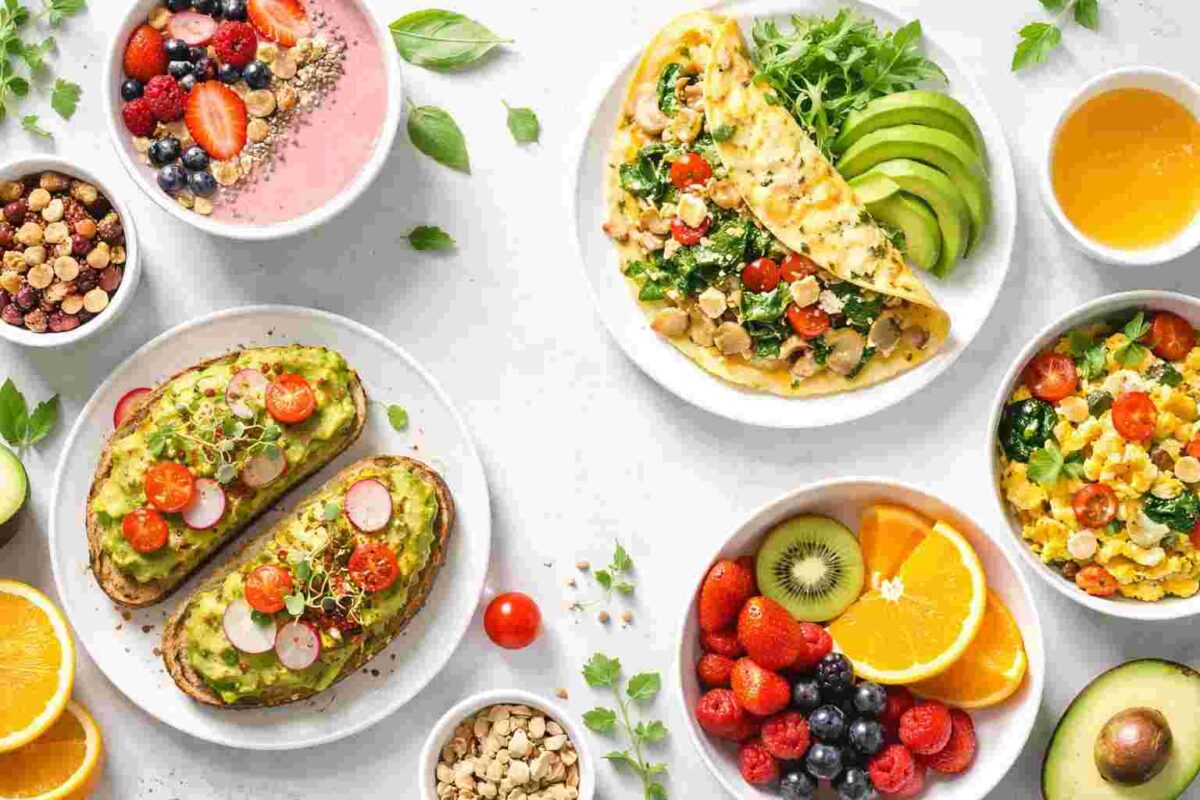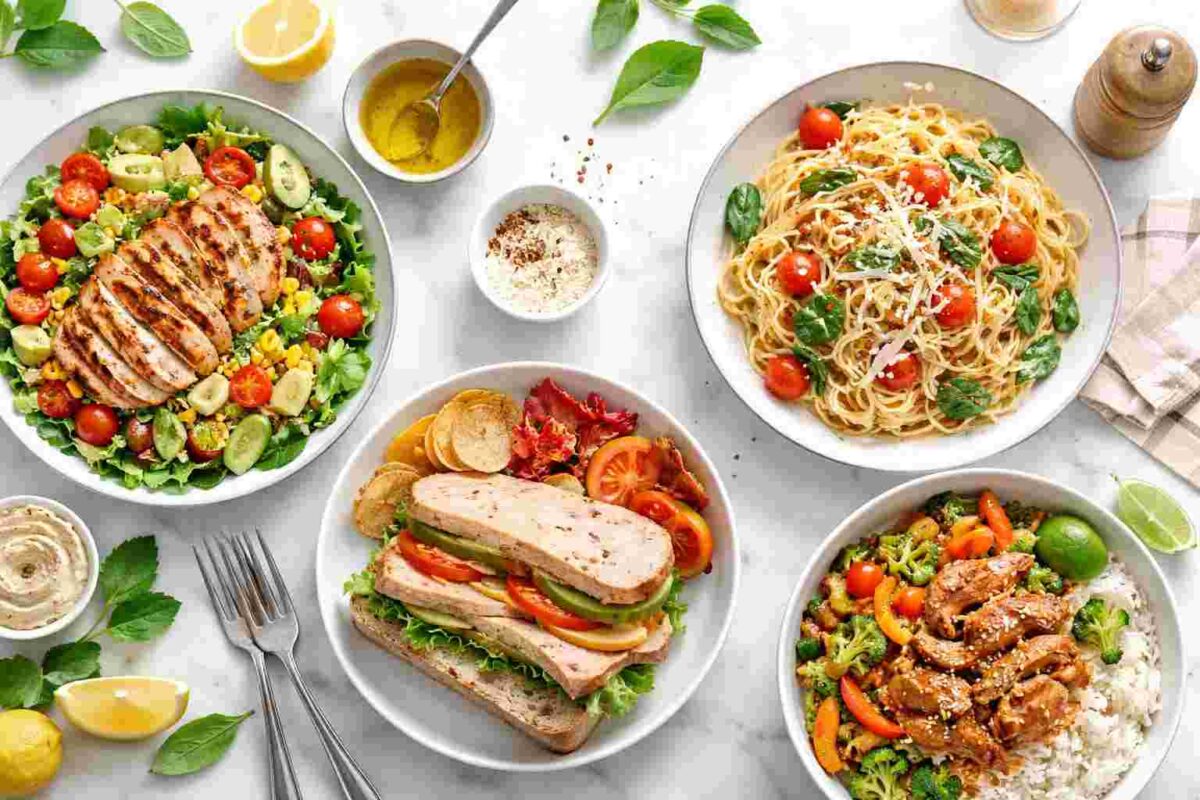
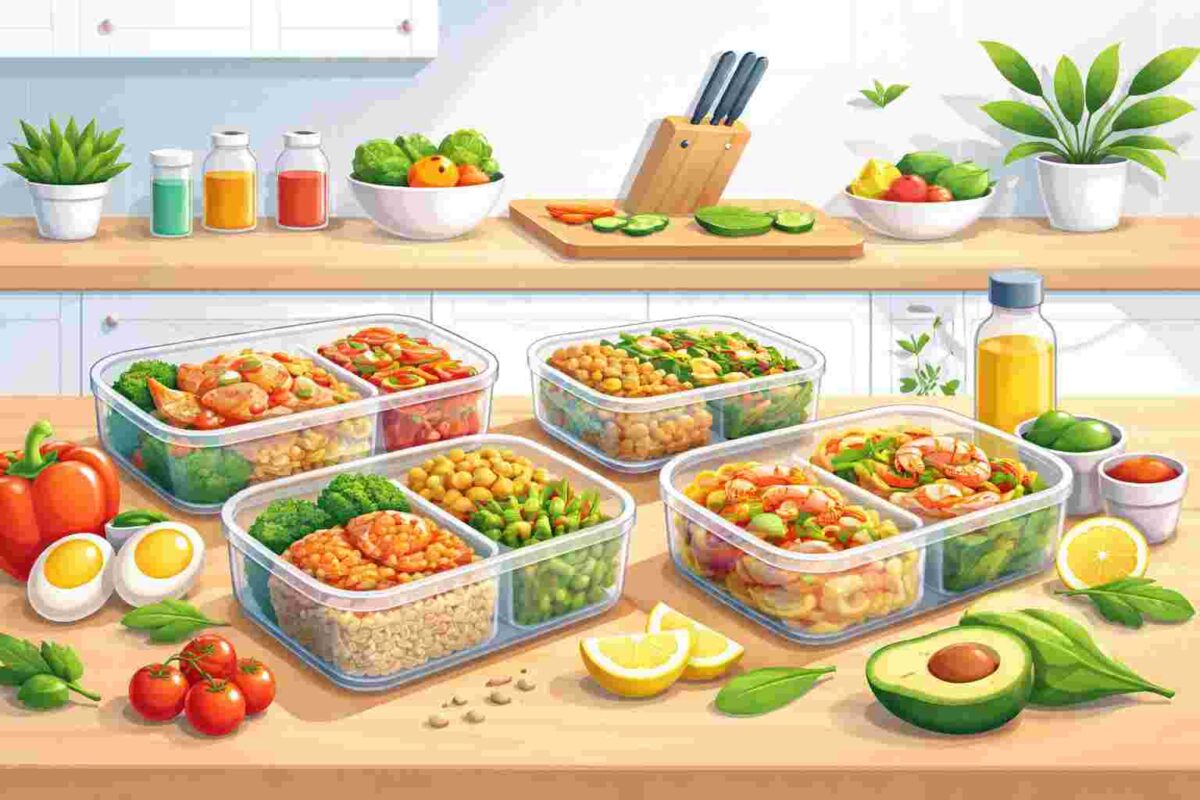
Meal preparation, commonly known as meal prep, is a transformative approach to enhancing nutritional intake and simplifying daily cooking routines in our fast-paced world. The benefits of meal prep go beyond mere convenience; it plays a crucial role in maintaining a balanced diet while saving time and reducing stress. As we delve into the advanced meal prep framework, we will uncover its fundamental concepts, various techniques, industry impacts, and practical strategies for implementation.
Understanding Meal Prep Fundamentals
To embrace an advanced meal prep strategy, one must first grasp the foundational concepts that underpin effective meal preparation.
Definition of meal prep
Meal prepping involves the process of planning, preparing, and cooking meals in advance to promote healthier eating habits. This practice enables individuals to control ingredients, portion sizes, and carbohydrate intake, leading to enhanced meal satisfaction.
Benefits of meal prepping
- Saves time during weekly cooking activities
- Encourages healthier choices by making nutritious foods convenient
- Reduces food waste by ensuring ingredients are utilized
- Enables better budget management through strategic shopping
- Supports weight loss and fitness goals by controlling portion sizes
Common meal prep methods
There are various methods utilized in meal prepping, each suited to different lifestyles and preferences. Some of the popular methods include:
- Batch Cooking: Preparing large quantities of meals at once, portioning them out for easy access throughout the week.
- Freezing: Cooking and freezing dishes to maintain freshness and nutrient content.
- Ingredient Prepping: Washing, chopping, and organizing raw ingredients for quick meal assembly.
- Single Serving: Preparing individual meals for convenience, particularly useful for busy professionals and families.
The Science Behind Meal Prep Techniques
The art of meal prepping is not only a matter of convenience; it intertwines with science to enhance the nutritional value and safety of our meals.
Food storage methods
Understanding the appropriate storage methods is crucial to maintaining the quality of prepared meals. Options such as vacuum sealing, glass containers, and BPA-free plastics can significantly extend shelf life and prevent spoilage.
Nutritional preservation techniques
Methods like blanching vegetables before freezing can help retain essential vitamins and minerals, making them a nutritious option even after several days or weeks.
Batch cooking essentials
Effective batch cooking requires attention to the balance of ingredients, preparation styles, and storage conditions. The best practices include:
- Using a week-long meal plan to outline varied recipes
- Prioritizing foods with similar cooking times to optimize efficiency
- Incorporating freezer-friendly meals to keep options available
- Labeling containers with dates to track freshness
Business Impact of Meal Prep in Various Industries
The meal prep trend is impacting numerous industries, altering the landscape of how food is prepared and consumed.
Catering industry adaptations
Catering companies have begun to incorporate meal prep strategies into their services, offering clients pre-packaged meals tailored to specific dietary requirements.
Impact on meal delivery services
Meal delivery services have experienced a surge, with a projected market growth to reach $20 billion by 2024 (Statista). These services often focus on health-conscious meal prep options, appealing to busy consumers.
Corporate wellness programs
Many organizations are introducing meal prep initiatives as part of their employee wellness programs, leading to improved health outcomes and productivity. Research indicates that companies that promote healthy eating see a 25% reduction in healthcare costs.
Strategic Advantages of Meal Preparation
Embracing meal prep is not merely a fad; it presents tangible benefits impacting time, health, and finances.
Time efficiency strategies
Efficient time management in meal prep significantly reduces the time spent in kitchen activities. Consider implementing:
- Planning meals on weekends to set the stage for the week
- Utilizing slow cookers or pressure cookers for minimal oversight
- Engaging family members in meal prep to expedite the process
- Focusing on one-pot meals to simplify cooking and cleanup
Cost comparison with eating out
Studies reveal that preparing meals at home can cost up to 50% less than dining out, particularly when bulk buying ingredients and seasonal produce.
Health benefits of home-cooking
Meal prep encourages healthier eating by providing controlled portions and aid in avoiding the high-calorie options often found in restaurants. Home-cooked meals tend to have:
- Lower sodium and preservatives
- Increased vegetable intake
- Fewer empty calories
Limitations and Risk Considerations in Meal Prep
While the advantages of meal prep are numerous, it is essential to acknowledge potential limitations and health risks.
Food safety concerns
Improper storage and handling of prepped meals can lead to foodborne illnesses. Measures such as proper refrigeration, following the two-hour rule for perishables, and reheating food to safe temperatures are crucial.
Nutritional imbalances
Meal prep can sometimes result in repetitive meals that lack variety, leading to potential nutritional deficiencies. It is important to include a range of food groups in meal planning.
Cost of ingredients and waste
While meal prepping aims to save money, initial ingredient costs can be significant. Furthermore, improper preservation can lead to food spoilage, resulting in waste.
Comparative Analysis of Meal Prep Methods
Different meal prep methods cater to various lifestyles and food preferences. Evaluating these strategies can lead to more informed decision-making.
Cold storage vs. freezing
Cold storage is effective for short-term meal prep, whereas freezing offers longer shelf life.
| Method | Pros | Cons |
|---|---|---|
| Cold Storage | Convenient, keeps foods fresh for short periods | Shorter shelf life |
| Freezing | Extended shelf life, retains nutritional content | Requires thawing, can alter texture |
| Single-serving meals | Portion control, minimizes waste | Requires individual prep time |
| Bulk Cooking | Time-saving, cost-effective | Lower variety, can lead to repetitive meals |
Fresh ingredients vs. pre-packaged
Fresh ingredients are often preferred for their nutritional benefits, while pre-packaged options provide convenience. Understanding their respective pros and cons can guide effective meal prep.
Statistics and Market Trends in Meal Preparation
The meal prep market is evolving rapidly, with significant growth reflected in recent statistics.
Market growth statistics
The meal kit industry was valued at approximately $4.65 billion in 2023, illustrating the increasing consumer demand for prepared meal options.
Consumer spending on meal prep services
In 2023, Americans spent an estimated $2.2 billion on meal prep services, marking a 20% increase from the previous year. These services cater to the need for customizable meal options that accommodate various dietary restrictions.
Survey results on meal prep popularity
A survey conducted in early 2023 found that 68% of participants engaged in meal prepping regularly, with 52% indicating it improved their overall dietary quality.
Real-World Meal Prep Case Study with Measurable Outcomes
To understand the practical implications of meal prepping, examining a detailed case study can provide tangible results.
Individual success stories
Consider Sarah, a busy professional who transitioned to meal prep to manage her time better. After one month, she reported saving an average of 12 hours per week on meal-related activities and lost 8 pounds while feeling more energized.
Corporate meal prep program results
A company implemented a meal prep program that provided employees with healthy meals throughout the week. As a result, absenteeism decreased by 15%, and employee satisfaction improved by 30% within six months.
Community initiatives and their impacts
A community health initiative introduced meal prep workshops for families facing food insecurity. The outcome resulting from these workshops saw a 50% increase in fruit and vegetable consumption among participants, improving overall health metrics.
Future Outlook of Meal Prep Trends
The trajectory of meal prep continues to evolve, with several anticipated trends shaping the future.
Technological advancements in meal prep
Emerging technologies, such as AI-driven meal planning apps, are streamlining meal prep by offering personalized recommendations based on dietary needs and preferences.
Evolving consumer preferences
As consumers increasingly focus on health, sustainability will guide future meal prep strategies, leading to more plant-based and organic ingredient utilization.
Sustainability in meal prepping
Food sustainability is a growing concern, prompting meal prep practices that prioritize local sourcing and reduced packaging to minimize carbon footprints.
Frequently Asked Questions about Meal Prep
What are the best storage containers for meal prep?
Choosing the right storage containers is essential for effective meal prep. Look for glass containers with airtight lids for optimal preservation; they are reusable, easy to clean, and microwave safe. BPA-free plastic containers are also a good option but ensure they are durable and specifically labeled for food storage. Avoid using single-use plastic containers to reduce waste and minimize environmental impact.
How to balance nutrition in meal prep?
Balancing nutrition in meal prep involves focusing on macronutrients: carbohydrates, proteins, and fats, along with vitamins and minerals. Incorporate a variety of food groups, such as whole grains, lean proteins, fruits, and vegetables into your meal plan. Utilize color and texture by selecting seasonal products, and experiment with different preparation methods to keep your meals exciting. Consulting a nutritionist for tailored dietary guidance can provide further insights.
Can meal prep help with weight loss?
Yes, meal prep can significantly assist in weight management efforts by providing controlled portions and reducing the temptation to opt for unhealthy, convenience foods. When meals are prepared in advance, individuals are more likely to choose nutritious options that align with their dietary goals. Additionally, maintaining consistent eating patterns helps regulate metabolism and can contribute to a balanced lifestyle.
What are the safest meal prep practices?
Safe meal prep practices include observing cleanliness and cooking food to appropriate temperatures to avoid cross-contamination. It is crucial to store prepared meals in airtight containers and refrigerate or freeze them promptly. Furthermore, regularly checking expiration dates and disposing of any spoiled food will mitigate food safety risks.
How long can prepped meals be stored?
Generally, prepped meals can be stored in the refrigerator for up to four days safely. If freezing, most meals can last anywhere from three to six months, depending on the ingredients used. It is advisable to label containers with dates and always check for signs of spoilage before consumption.
What are quick meal prep ideas for busy lifestyles?
For individuals with busy lifestyles, consider quick meal prep strategies such as overnight oats, smoothie packs, or salad jars. Preparing easy-to-assemble meals like whole-grain wraps or quinoa bowls can help minimize prep time. Another option is to utilize slow cookers, allowing meals to cook while you attend to other activities throughout the day.
Conclusion: Embracing the Meal Prep Revolution
In conclusion, the advanced meal prep framework offers an array of benefits, redefining how we approach food. By understanding the core principles, techniques, and strategic advantages, individuals can harness the power of meal preparation to improve their nutrition and cravings. With planning, creativity, and awareness of food safety practices, meal prep can become an integral part of daily life. We encourage readers to embark on their meal prep journey, utilizing the resources available to further enhance their experience.
For more detailed meal prep tips and to explore various recipes, visit this link.
Moreover, embracing a healthy cooking routine can significantly impact your overall well-being.