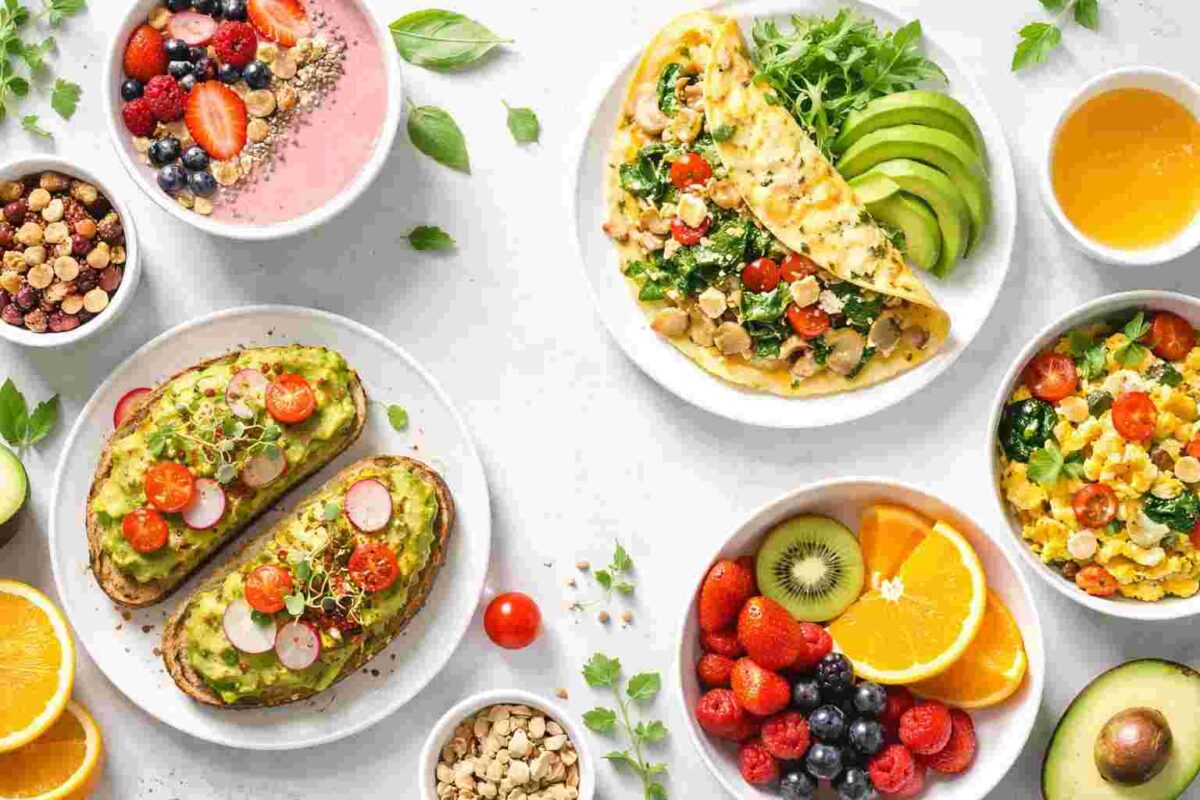
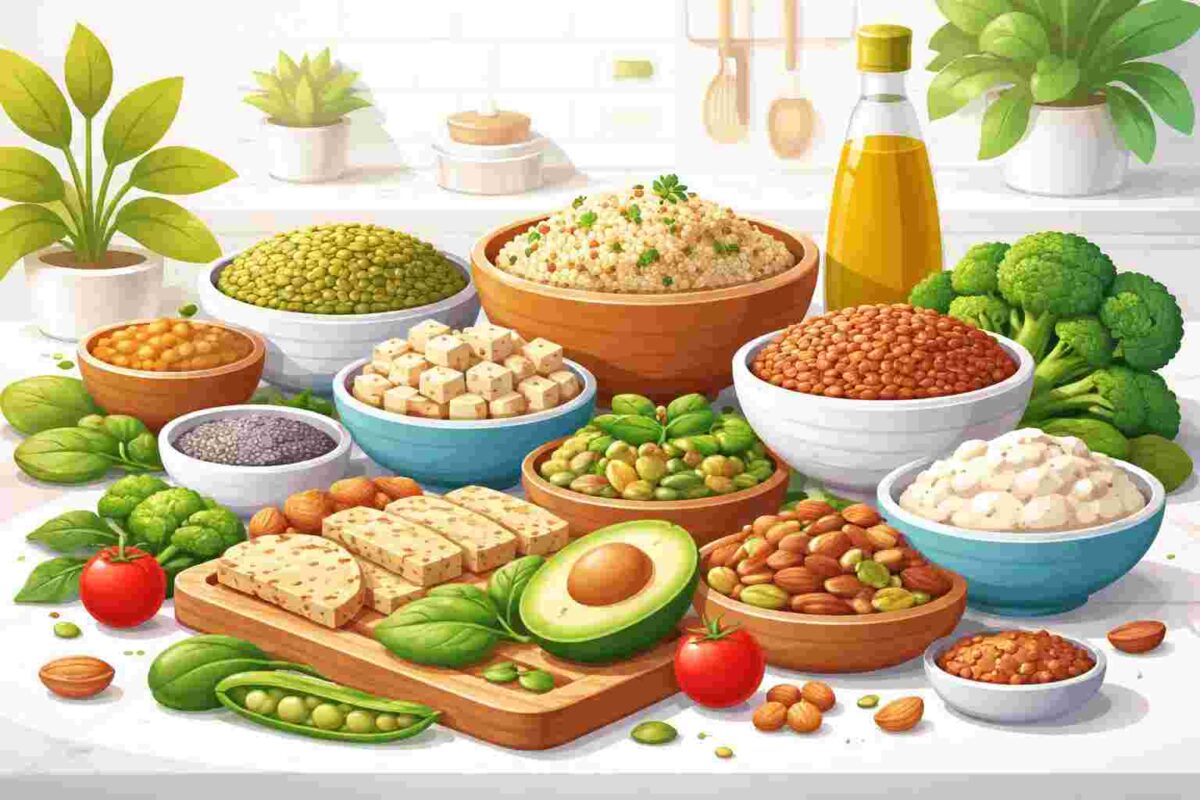
In recent years, the interest in a high protein vegetarian diet has soared, as more individuals recognize the importance of protein for their overall health. With growing awareness about health, fitness, and sustainability, many are exploring how to integrate high-protein foods into a plant-based lifestyle. This comprehensive guide will delve into the various facets of protein requirements, the metabolism process, and the market dynamics of high protein vegetarian products, making it an essential read for anyone considering this dietary approach.
Understanding Protein Requirements
The journey towards a healthy high protein vegetarian diet begins with understanding protein requirements. Protein is crucial for every bodily function, from muscle growth to immune function. Thus, knowing how much protein one needs is vital.
Recommended Dietary Allowances (RDA)
- Adults require approximately 46 to 56 grams of protein per day.
- Pregnant and breastfeeding women need about 71 grams per day.
- Active individuals may require more to support muscle repair and growth.
- Age, sex, and level of physical activity also influence protein needs.
Protein Quality: Complete vs Incomplete
Proteins are made up of amino acids, and they are categorized as either complete or incomplete. Complete proteins contain all essential amino acids needed by the body, typically found in animal products. On the other hand, most plant-based proteins are considered incomplete. However, by combining different plant sources, vegetarians can achieve a complete amino acid profile. Examples include:
- Rice and beans
- Peanut butter on whole grain bread
- Lentils and quinoa
- Hummus and pita bread
Protein Sources for Vegetarians
- Legumes such as lentils, chickpeas, and beans.
- Whole grains like quinoa, oats, and farro.
- Nuts and seeds, including almonds, chia seeds, and hemp seeds.
- Dairy products such as Greek yogurt and cottage cheese.
- Eggs, if ovo-vegetarian.
Mechanisms of Protein Metabolism
Understanding the mechanisms behind protein metabolism is vital for anyone adopting a high protein vegetarian diet. This knowledge can help in planning meals effectively to meet one’s nutritional needs.
Amino Acids and Their Functions
Amino acids play numerous roles within the body, including:
- Building blocks for proteins, influencing muscle growth and repair.
- Support for neurotransmitter production, impacting mood and cognitive function.
- Contributing to enzyme production, vital for metabolic processes.
- Assisting in the creation of hormones, which regulate various functions.
Protein Digestion Process
The digestion of protein begins in the stomach, where gastric juices break it down into smaller peptides. As it passes into the small intestine, enzymes further break these down into amino acids, which are then absorbed into the bloodstream for utilization by the body.
Impact of Protein on Muscle Repair
Protein plays a crucial role in muscle repair and recovery after exercise. Post-workout consumption enhances muscle protein synthesis, which is essential for athletes and active individuals to prevent loss of muscle mass.
Market Demand for High Protein Vegetarian Products
The shift towards plant-based diets has led to a surge in market demand for high protein vegetarian products, reflecting changing consumer preferences and awareness regarding health.
Growth of Plant-Based Protein Products
According to industry reports, the plant-based protein market is projected to reach over $20 billion by 2025, showcasing the escalating interest in vegetarian sources.
Consumer Behavior and Preferences
- Increased focus on health benefits associated with high protein diets.
- A rise in the number of vegetarians and vegans seeking alternative protein sources.
- Growing interest in sustainable food practices and ethical consumption.
- Preference for high-quality, nutrient-rich food products.
Top Players in the Vegetarian Protein Market
The market is populated with numerous brands innovating in the realm of vegetarian protein products. Key players include:
- Beyond Meat
- Impossible Foods
- MorningStar Farms
- Tofurky
- Gardein
Strategic Advantages of High Protein Vegetarian Diets
Adopting a high protein vegetarian diet comes with several strategic advantages, not only in terms of personal health but also concerning environmental sustainability.
Weight Management Benefits
High protein diets can promote satiety, reducing hunger and potential overeating. Numerous studies have shown that individuals who consume higher amounts of protein tend to have better weight management outcomes. Protein-rich foods take longer to digest, assisting in maintaining fullness throughout the day.
Environmental Impact Reduction
- Reducing reliance on animal agriculture decreases greenhouse gas emissions.
- A plant-based diet utilizes fewer natural resources compared to meat production.
- Sustainable protein sources contribute to improved soil and water conservation.
- Promotes biodiversity by reducing livestock farming practices.
Health Benefits Beyond Protein
In addition to the primary benefits associated with protein intake, high protein vegetarian diets are also linked with a reduced risk of chronic diseases, such as:
- Heart disease.
- Type 2 diabetes.
- Certain types of cancers.
- High blood pressure.
Limitations and Risk Considerations
While there are many benefits to a high protein vegetarian diet, it is crucial to address potential drawbacks and risks associated with this dietary approach.
Nutrient Deficiencies
One of the primary concerns with vegetarian diets is the possibility of nutrient deficiencies, particularly in:
- Vitamin B12, primarily found in animal products.
- Iron, with non-heme iron being less easily absorbed than heme iron from meat.
- Omega-3 fatty acids, essential for heart and brain health.
- Calcium, especially in those who avoid dairy.
Overconsumption of Processed Protein Sources
With the market flooded with processed protein products, there is a risk of consuming too many highly processed items. While they are convenient, such products may contain:
- High amounts of sodium.
- Unhealthy fats or sugars.
- Artificial additives.
- Low nutritional value beyond the protein content.
Allergies and Intolerances
Some protein sources, such as soy or nuts, can trigger allergies in susceptible individuals. Being mindful of these allergens is critical for maintaining a healthy high protein vegetarian diet.
Comparative Analysis of Protein Sources
Understanding the nutritional content and sustainability of different protein sources can help individuals make informed choices when following a vegetarian diet. Below is a comparison between animal and plant protein sources.
Animal vs Plant Protein
Animal proteins are typically higher in specific essential amino acids. However, plant-based proteins can offer additional benefits such as fiber and lower saturated fat content. Here is a detailed comparison:
| Protein Source | Protein Content (per 100g) | Fiber Content (g) | Saturated Fat Content (g) | Environmental Impact |
|---|---|---|---|---|
| Chicken Breast | 32g | 0g | 3.6g | Higher |
| Quinoa | 14g | 2.8g | 0.2g | Lower |
| Lentils | 9g | 7.9g | 0.2g | Lower |
| Tofu | 8g | 0.3g | 4.8g | Lower |
| Beef | 26g | 0g | 6.4g | Highest |
Current Statistics and Market Trends
To fully appreciate the rise of the high protein vegetarian diet, one must look at the statistics reshaping eating patterns and market trends.
Surge in Plant-Based Diets (percentages)
Surveys indicate that nearly 20% of consumers are actively reducing their meat consumption or seeking more plant-based options.
Market Value Growth Over the Last Decade
The global plant-based food market was valued at approximately $29.4 billion in 2020 and is projected to grow significantly over the next few years.
Demographic Insights on Vegetarians
- The majority of vegetarians fall within the age group of 25-34 years.
- Female consumers constitute a larger percentage of the vegetarian population.
- Urban areas show a higher prevalence of vegetarian diets compared to rural locations.
Real-World Success Stories
Nothing proves the benefits of a high protein vegetarian diet like real-world applications. Here are several case studies illustrating measurable outcomes.
Case Study #1: Weight Loss in 6 Months
John, a 30-year-old male, transitioned to a high protein vegetarian diet and experienced a weight loss of 25 pounds within six months. His diet focused on whole foods, legumes, and high-protein grains. Along with regular exercise, he improved his body composition significantly.
Case Study #2: Athletic Performance Enhancement
Maria, an athlete, switched to a vegetarian diet while ensuring high protein intake. She reported a substantial improvement in her athletic performance, evidenced by faster recovery times and enhanced stamina during competitions.
Case Study #3: Improved Health Markers
Lisa’s transition to a high protein vegetarian diet helped lower her cholesterol levels and improve blood pressure, significantly enhancing her overall health profile.
Future Outlook on Vegetarian Diet Trends
As more individuals shift towards health and sustainability, the future of high protein vegetarian diets looks promising with several potential trends on the horizon.
Advances in Plant-Based Protein Technology
Innovations in food technology, such as lab-grown meat and enhanced plant protein extraction techniques, will likely make high-protein vegetarian options even more appealing.
Predictions for Future Market Growth
The US plant-based food market alone is expected to surpass $74 billion by 2027, driven by consumer demand and an increase in product variety.
Evolving Consumer Preferences
Future consumers are likely to seek more personalized nutrition solutions, creating opportunities for brands to innovate in high protein vegetarian offerings.
Frequently Asked Questions
What are the best protein sources for vegetarians?
Vegetarians have a plethora of protein sources available, including legumes (like lentils and beans), dairy products (such as Greek yogurt), eggs (if following an ovo-vegetarian diet), nuts, and seeds. Whole grains also contribute, although they are not as protein-dense as legumes or dairy. Combining various sources can enhance the amino acid profile, making them more effective in meeting protein needs.
How much protein do I need daily on a vegetarian diet?
The recommended daily intake for protein varies based on factors including age, sex, and level of physical activity. Generally speaking, adults should aim for around 0.8 grams of protein per kilogram of body weight. However, athletes or those with intense training may require 1.2 to 2.0 grams per kilogram of body weight to support muscle repair and growth.
Can I gain muscle on a vegetarian diet?
Yes, it is entirely possible to gain muscle while adhering to a vegetarian diet. The critical factor is to ensure adequate protein intake and a well-balanced diet that provides all essential nutrients. Resistance training paired with high protein intake can yield significant muscle gains, similar to those experienced by non-vegetarians.
What are the risks of a high protein vegetarian diet?
While there are numerous benefits, potential risks include nutrient deficiencies in vitamin B12 and omega-3 fatty acids, especially if heavily relying on plant-based protein sources. It’s also essential to avoid an excess of processed protein products that may be high in sodium and unhealthy fats, which can negatively impact overall health.
How do I balance protein with other nutrients?
Balancing protein intake with other nutrients requires a varied diet that includes fruits, vegetables, whole grains, and healthy fats. Practicing portion control and ensuring intake of essential macro and micronutrients is crucial for overall health. It’s helpful to include a variety of protein sources to cover the amino acids and other nutrients the body needs.
Are there any vegetarian protein supplements?
Yes, there are numerous vegetarian protein supplements available, including protein powders made from peas, rice, and hemp. These can be excellent options for meeting daily protein requirements if whole food sources are insufficient, especially for athletes and those who need a higher protein intake.
Conclusion
In conclusion, a high protein vegetarian diet offers numerous health benefits, fulfilling individual nutritional needs while simultaneously supporting environmental sustainability. With increasing consumer awareness, advances in food technology, and a growing market, the future of high protein vegetarian diets is brighter than ever. Whether for health, fitness, or ethical reasons, adopting this dietary approach can lead to lasting positive change.