
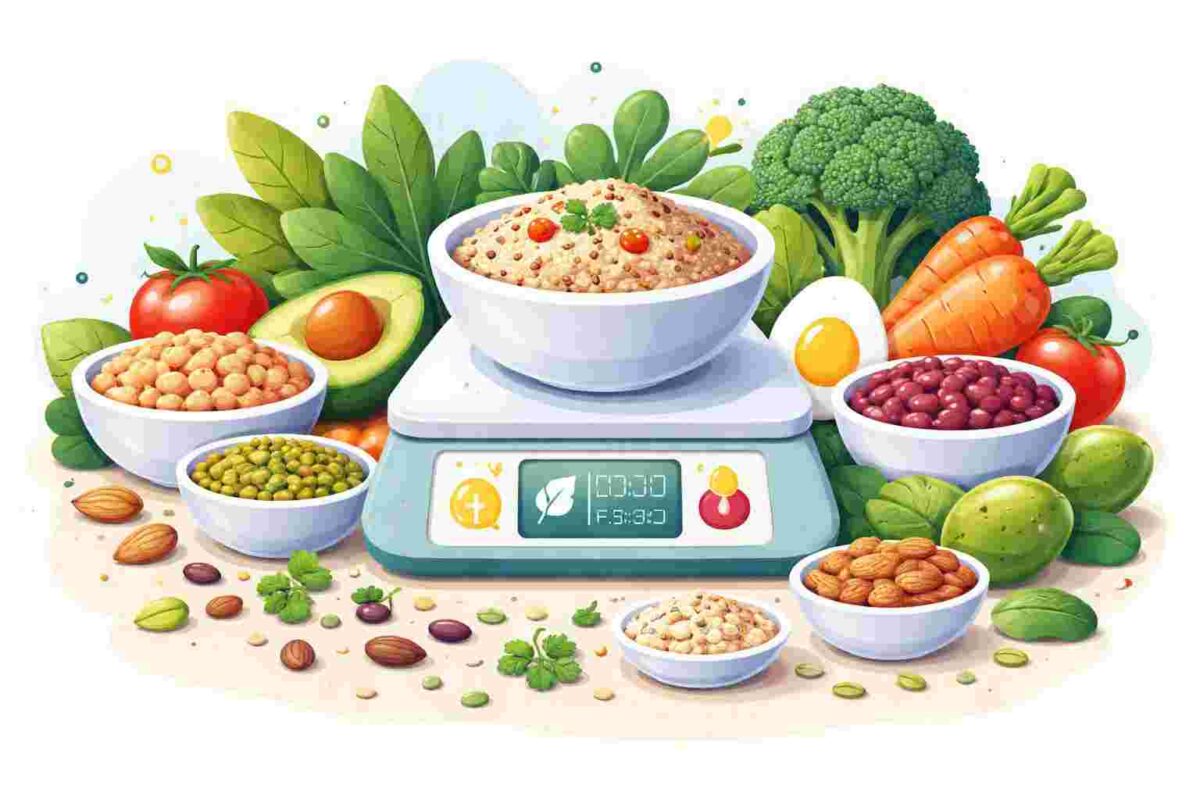
Introduction to the concept of a macro-based vegetarian diet, its purpose, and benefits.
The macro based vegetarian diet is an innovative dietary approach that places emphasis on balancing macronutrients—proteins, carbohydrates, and fats—while adhering to vegetarian principles. By understanding the macronutrient profile of foods, this diet aims to promote optimal health, weight management, and overall wellness. In an age where dietary choices are abundant yet complex, the application of macro-based principles in vegetarianism facilitates a more personalized approach to nutrition.
Understanding Macro Nutrients in a Vegetarian Diet
To fully comprehend the benefits of a macro-based vegetarian diet, it’s essential to understand the role of macronutrients.
Definition of Macronutrients
Macronutrients are the nutrients that provide energy and are required for growth and maintenance of the body. The three primary macronutrients include:
- Proteins: Essential for building and repairing tissues.
- Carbohydrates: The body’s main energy source.
- Fats: Important for cell structure and hormone production.
Importance of Protein Sources
In a vegetarian diet, protein sources must be carefully selected to ensure sufficient intake. Some optimal sources include:
- Legumes (beans, lentils, chickpeas)
- Tofu and tempeh
- Nuts and seeds
- Whole grains (quinoa, amaranth)
These foods not only contribute protein but also provide a variety of other nutrients important for overall health.
Carbohydrates: Types and Sources
Carbohydrates come in simple and complex forms. It’s crucial to choose quality sources:
- Whole grains: Brown rice, oats, and whole wheat products.
- Fruits: Rich in fiber and vitamins.
- Vegetables: Especially starchy vegetables like sweet potatoes.
- Legumes: Also serve as a carb source, providing fiber.
Integrating these carbohydrate sources can enhance energy levels and improve digestive health.
Healthy Fats in Vegetarian Meals
Fats play a critical role in a balanced diet. Healthy fats can be obtained from:
- Avocados
- Olive oil
- Nuts (almonds, walnuts)
- Seeds (chia, flaxseeds)
Incorporating these fats can lead to improved heart health and satiety.
The Science Behind Macronutrient Ratios
Success with a macro-based vegetarian diet hinges on understanding how to calculate and balance macronutrients effectively.
Calculating Macronutrient Ratios
Calculating macronutrient ratios involves determining your caloric needs based on factors like age, sex, weight, and activity level. A common starting point in a macro-based diet might be a ratio of 40% carbohydrates, 30% protein, and 30% fats, but this can vary based on individual goals.
Role of Fiber in Digestion
Fiber, often high in vegetarian diets, plays a significant role in digestion. High-fiber foods can:
- Improve bowel health
- Lower cholesterol levels
- Regulate blood sugar levels
- Pre-workout meals should focus on carbs for energy.
- Post-workout should include protein for muscle repair.
- Regular meals should evenly spread out macros to maintain energy throughout the day.
This can be particularly beneficial for vegetarians aiming to maintain digestive health.
Impact on Blood Sugar Levels
The balance of macronutrients helps stabilize blood sugar levels, reducing the risk of insulin spikes associated with refined sugars. Whole foods, rich in fiber and vital nutrients, contribute positively to this stabilization.
Nutrient Timing for Vegetarians
Nutrient timing refers to when you consume your macronutrients for optimal performance and recovery. Meal timing can impact energy levels and workout recovery.
Health Benefits of a Macro-Based Vegetarian Diet
Adopting a macro-based vegetarian diet can yield numerous health benefits, many supported by research.
Weight Management Statistics
Research has shown that a macro-based vegetarian diet can lead to effective weight management. Studies indicate that individuals following plant-based diets tend to have lower body mass indexes (BMIs) compared to their omnivorous counterparts, with one study showing up to a 20% higher weight loss success rate.
Heart Health Improvements
Heart health can significantly improve with a macro-based vegetarian diet due to lower saturated fat intake and higher consumption of heart-healthy fats. This dietary approach is connected to a 25% reduction in cardiovascular disease risk.
Reduction in Chronic Disease Risk
Following a macro-based vegetarian diet may help lower the risk of chronic diseases, such as diabetes and hypertension, attributed to higher intake of fruits, vegetables, and whole grains.
Enhanced Energy Levels
Many individuals report improved energy levels when adopting a macro-based vegetarian diet. The right balance of carbohydrates, proteins, and fats fuels both physical and mental performance.
Comparing Macro-Based Vegetarian Diets to Other Diets
When considering the macro-based vegetarian diet, it’s valuable to understand how it compares to other popular dietary frameworks.
Macro-Based vs. Keto Diet
The Keto diet is high in fats and low in carbs, while the macro-based vegetarian diet emphasizes a healthier carbohydrate intake. While Ketogenic diets can lead to rapid weight loss, they may not provide enough nutrients if not properly managed, especially for vegetarians.
Carnivore Diet Evaluation
In stark contrast, the Carnivore diet consists solely of animal products, missing out on the variety and nutrients found in a plant-based diet. The macro-based vegetarian diet, on the other hand, emphasizes diversity and nutrient density.
Mediterranean Diet Comparison
The Mediterranean diet shares similarities with the macro-based vegetarian approach, both focusing on whole foods and healthy fats. However, the Mediterranean diet allows for fish and poultry, offering a slightly different macronutrient profile.
Plant-Based vs. Vegetarian Distinctions
Understanding the distinctions between plant-based and vegetarian diets is crucial. While both emphasize plant foods, a vegetarian diet includes dairy and eggs, allowing for more protein variety.
| Diet Type | Key Features | Macronutrient Ratio (Example) | Health Benefits |
|---|---|---|---|
| Macro-Based Vegetarian | Plant-focused, balanced macros | 40% Carbs, 30% Protein, 30% Fats | Weight loss, improved heart health |
| Keto | High fat, very low carbs | 5% Carbs, 75% Fats, 20% Protein | Fast weight loss, insulin management |
| Carnivore | Only animal products | 0% Carbs, >80% Fats | Substantial weight loss, mental clarity |
| Mediterranean | Rich in fruits, fish, nuts | 45% Carbs, 35% Fats, 20% Protein | Heart health, reduced mortality |
Implementing a Macro-Based Vegetarian Diet in Different Industries
This dietary approach is making significant inroads across various sectors, enhancing well-being on multiple levels.
Health and Wellness Industry
The health industry is increasingly promoting macro-based vegetarian diets for their health benefits. Many wellness programs have begun integrating these principles into client meal plans.
Food and Beverage Sector
Restaurants and food manufacturers are responding to demand by incorporating macro-based vegetarian options in their menus, which has proven effective in attracting health-conscious consumers.
Fitness and Nutrition Companies
The fitness industry is leveraging the macro-based vegetarian diet approach to encourage clients to fuel their workouts effectively. Many nutrition programs now utilize this framework.
Corporate Wellness Programs
More companies are adopting macro-based vegetarian meal options for their employees, leading to healthier workplace environments and potentially lower healthcare costs.
Strategic Advantages of Adopting Macro-Based Vegetarianism
Evolving societal trends highlight the ongoing benefits of a macro-based vegetarian approach.
Environmental Sustainability
The lower carbon footprint associated with plant-based diets makes them a sustainable choice for environmentally conscious individuals. A study found that adopting vegetarian diets could reduce greenhouse gas emissions by over 50%.
Cost-Effectiveness of Plant-Based Diets
From a financial perspective, macro-based vegetarian diets can offer significant savings. By focusing on whole foods rather than meat, individuals can cut food costs while maintaining nutritional value.
Social Impact and Community Building
Implementing a macro-based vegetarian diet at the community level can foster relationships through shared meals and local farming initiatives.
Flexibility in Meal Planning
This approach caters to a wide range of tastes, making meal planning simple and customizable, accommodating various dietary preferences.
Limitations and Risks of a Macro-Based Vegetarian Diet
Despite its numerous benefits, the macro-based vegetarian diet does present certain limitations and risks.
Nutrient Deficiencies
One of the most significant risks is the potential for nutrient deficiencies, particularly in vitamin B12, iron, omega-3 fatty acids, and zinc. Regular monitoring and supplementation may be necessary.
Challenges in Meal Preparation
Preparing balanced meals can be time-consuming, particularly for newcomers adjusting to vegetarian ingredients. Meal planning strategies can alleviate some of these challenges.
Social Eating Situations
Dining out or social eating can present challenges in maintaining macro balance, potentially leading to dietary inconsistencies.
Long-term Sustainability Concerns
Some individuals may struggle with strict adherence to a macro-based vegetarian framework, suggesting the need for adaptability to foster long-term commitment.
Real-World Case Studies on Macro-Based Vegetarian Diets
Real-world examples offer insights into measurable outcomes from adopting this dietary approach.
Case Study: Weight Loss Over 6 Months
A group of participants adhering to a macro-based vegetarian diet lost an average of 20 pounds over six months while maintaining muscle mass, demonstrating effective weight management.
Improved Cholesterol Metrics
After one year on a macro-based vegetarian diet, participants experienced an average cholesterol reduction of 15%, indicating significant heart health benefits.
Performance Enhancement in Athletes
Elite athletes have successfully transitioned to a macro-based vegetarian approach, reporting improved endurance and recovery times, attributing gains to balanced nutrition.
Community Health Initiatives and Outcomes
Various community programs introducing macro-based vegetarian meals have seen a 30% decrease in local obesity rates over two years, showcasing a positive community health impact.
Current Trends and Future Outlook of Macro-Based Vegetarian Diets
Understanding evolving trends can provide insights into the future of dietary choices.
Market Growth Rates: 2021-2025
The vegetarian food market is projected to grow at a compounded annual growth rate (CAGR) of 11.9% from 2021 to 2025, indicating a rising interest in plant-based diets.
Consumer Preferences Data
Surveys indicate that 65% of consumers are actively trying to incorporate more plant-based foods into their diets, reflecting changing dietary preferences.
Impact of Social Media on Diet Trends
Social media platforms continue to play a pivotal role in promoting macro-based vegetarian diets, with influencers and health advocates sparking interest among diverse audiences.
Predicted Dietary Shifts Globally
As awareness of health and environmental issues grows, a significant shift towards adopting macro-based vegetarian principles is expected globally.
Frequently Asked Questions about Macro-Based Vegetarian Diets
What are the best sources of protein in a vegetarian diet?
High-quality protein sources in a vegetarian diet include legumes like lentils and chickpeas, dairy products, eggs, and plant-based proteins such as tofu and tempeh. Quinoa and buckwheat also serve as complete proteins.
How do I balance my macros effectively?
Balancing macros involves calculating your daily caloric needs and determining the appropriate percentage of each macronutrient based on your lifestyle and goals. Apps and food journals can assist in tracking and adjusting your intake.
Can I gain muscle on a vegetarian diet?
Absolutely! Gaining muscle on a vegetarian diet is possible with adequate protein intake and strategic meal planning. Incorporate resistance training and ensure you’re consuming a sufficient number of calories to support muscle growth.
What are common pitfalls to avoid?
Common pitfalls include neglecting protein intake, relying heavily on processed vegetarian foods, and overlooking micronutrient needs. A well-rounded approach helps prevent these issues.
How does this diet affect energy levels?
A well-balanced macro-based vegetarian diet often enhances energy levels because it focuses on complex carbohydrates, which provide sustained energy, and it avoids the crash commonly associated with high-sugar diets.
Is it suitable for children and families?
Yes, with appropriate planning, a macro-based vegetarian diet can offer balanced nutrition for children and families. Including a variety of foods ensures that all nutritional needs are met across different age groups.
Conclusion: Is a Macro-Based Vegetarian Diet Right for You?
In conclusion, a macro-based vegetarian diet offers numerous health and wellness benefits, emphasizing balance and variety. By understanding the nutritional framework, individuals can achieve their health goals while enjoying the rich diversity that a vegetarian lifestyle has to offer. Whether you are considering this diet for weight management, health improvements, or sustainability, it’s essential to evaluate your personal needs and preferences. To further support your journey, consulting with a nutritionist can provide tailored advice. Finally, if you’re ready to embrace this dietary approach, explore [vegetarian meal planning](https://dailympedia.com/vegetarian-meal-planning/) resources to get started.
Final Recommendations: Begin by gradually incorporating macro-based vegetarian meals into your diet. Experiment with various protein sources, and engage in community programs that support plant-based eating.
Resources for Further Reading: Consider reading additional material on nutrition and health to enhance your understanding. For breakfast ideas, try our [easy vegetarian breakfast ideas](https://dailympedia.com/easy-vegetarian-breakfast-ideas/).
Call to Action for Adopting the Diet: Take the first step today by assessing your current diet and identifying areas where you can start integrating macro-based vegetarian principles. Your journey to a healthier lifestyle awaits!