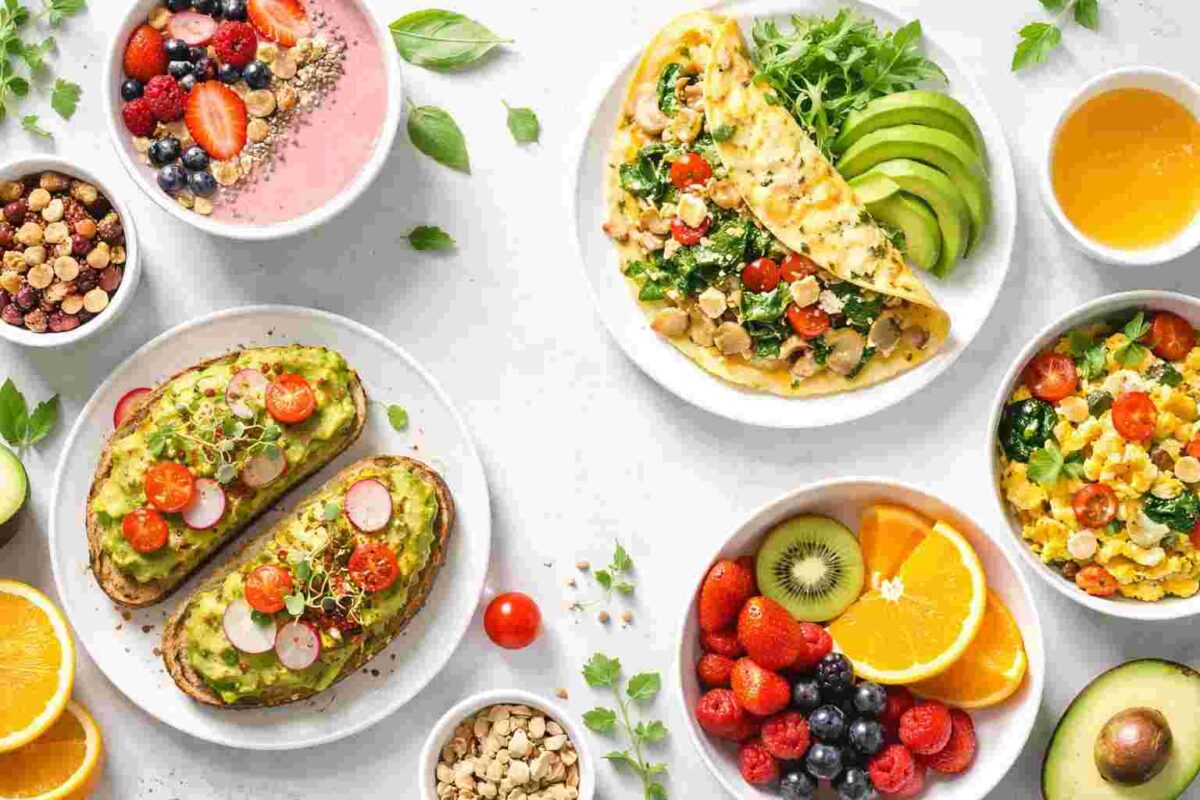

In today’s health-conscious world, Smoothie Nutrition Planning has emerged as a vital practice for individuals looking to enhance their well-being. By understanding how to create nutritious smoothies, you can leverage the myriad benefits of incorporating them into your daily diet. Not only do smoothies offer a convenient way to consume fruits and vegetables, but they also provide a comprehensive nutritional profile that supports overall health.
Fundamentals of Smoothie Nutritional Value
Creating a nutritious smoothie starts with an understanding of its nutritional value. Smoothies can be optimized by incorporating the right macronutrients and micronutrients, as well as considering hydration factors. Below, we will dig into the essentials:
- Understanding macronutrients: Smoothies should ideally have a balance of carbohydrates, proteins, and fats. Carbohydrates can come from fruits, proteins can be sourced from yogurt or protein powder, and healthy fats may include nut butters or seeds.
- Micronutrients in smoothies: Vitamins and minerals play a crucial role in bodily functions and can be easily integrated using various fruits, vegetables, and superfoods.
- The role of antioxidants: Ingredients like berries, spinach, and kale are rich in antioxidants, which help combat oxidative stress and inflammation.
- Importance of fiber: High-fiber ingredients such as oats and chia seeds can contribute to digestive health and help maintain a feeling of fullness.
- Hydration aspects in smoothies: Utilizing liquids like coconut water, almond milk, or simply water enhances hydration and contributes to nutrient absorption.
The Science Behind Smoothie Ingredients
To fully understand how smoothies deliver nutritional benefits, it’s essential to look at the science behind the key ingredients. Each component plays a significant role:
- Role of fruits vs. vegetables: Fruits are often considered the sweeter option, providing sugars for energy, while vegetables add fiber and nutrients without the calories.
- Efficacy of protein sources: Protein-rich ingredients help repair tissues, lower hunger, and support muscle maintenance and can be derived from various sources including dairy, legumes, and plant-based options.
- Impact of fats and oils: Healthy fats, such as avocado or flaxseed oil, not only enhance flavor but also help absorb fat-soluble vitamins.
- Superfoods and their benefits: Ingredients like spinach, kale, and spirulina add concentrated nutrients beneficial for health.
- Effects of blending on nutrition: The blending process can enhance nutrient bioavailability, allowing for easier digestion and absorption by your body.
Smoothies in the Health and Wellness Industry
The growing popularity of smoothies has significantly impacted the health and wellness industry, influencing various sectors:
- Smoothies in weight loss programs: As meal replacement options, smoothies can help reduce caloric intake while providing essential nutrients.
- Role in meal replacement options: Many people opt for smoothies as a quick and nutritious substitute for traditional meals.
- Integration in gym lifestyles: Smoothies are widely used by fitness enthusiasts as post-workout recovery aids, often enhanced with protein supplements.
- Trends in detoxification diets: The market has seen a rise in detox smoothies that claim to cleanse the body, emphasizing natural ingredients.
- Market growth of smoothie franchises: With numerous smoothie franchises emerging, the market is expected to grow by over 13% annually through the next five years.
Strategic Benefits of Incorporating Smoothies
Integrating smoothies into your daily nutrition comes with a plethora of benefits. Here are some noteworthy advantages:
- Convenience of smoothies for busy lifestyles: Smoothies can be prepared in minutes, making them ideal for those with tight schedules.
- Boosting immune systems: High in vitamins and antioxidants, smoothies can contribute to a robust immune system.
- Supporting digestive health: The fiber content helps regulate digestion, making smoothies a great addition to healthy eating habits.
- Enhancing post-workout recovery: The protein and carbohydrates help in muscle recovery and replenishing glycogen stores after exercise.
- Customizability for dietary needs: Smoothies can easily be tailored to meet individual dietary restrictions or preferences.
Challenges and Considerations in Smoothie Planning
While smoothies are generally healthy, there are challenges and considerations to keep in mind to avoid potential pitfalls:
- Caloric density and weight gain: Smoothies can quickly become high in calories if not properly portioned.
- Impaired nutrient absorption: Not all smoothies are nutrient-dense; some may lack protein or healthy fats necessary for balance.
- Sugar content and its effects: Fruit-heavy smoothies can lead to high sugar intake, potentially impacting blood sugar levels.
- Food allergies and intolerances: It’s essential to consider allergies when blending ingredients to prevent adverse reactions.
- Over-reliance on smoothies: While nutritious, smoothies shouldn’t completely replace whole foods in your diet.
Comparative Analysis: Smoothies vs. Other Health Foods
To assess the real value of smoothies, it’s helpful to compare them to other health foods. The following table provides insights:
| Criteria | Smoothies | Juices | Whole Foods |
|---|---|---|---|
| Nutritional Profile | Balanced macros, high vitamins | Reduced fiber, concentrated sugars | Whole and full nutrient spectrum |
| Caloric Density | Can be managed | Often higher due to sweeteners | Varies widely |
| Convenience | Quick to prepare | Less nutritious and limited options | Requires prep time |
| Cost | Generally more economical | Can be expensive | Price varies |
| Consumer Preference | Gaining popularity | Steady but declining | Consistently favored |
Recent Statistics and Market Trends in Smoothie Consumption
Insights from recent market studies reveal intriguing statistics regarding smoothie consumption:
- Trends in smoothie sales growth: The smoothie industry is projected to reach $22 billion by 2025, showcasing a growing consumer interest.
- Demographics of smoothie consumers: Surveys show that 75% of millennials regularly consume smoothies, highlighting a targeted demographic.
- Market forecasts for the smoothie industry: Expert predictions suggest a CAGR (Compound Annual Growth Rate) of approximately 7.5% in the next 5 years.
- Impact of social media on smoothie trends: Brands that leverage social media marketing report a 30% increase in engagement rates.
- Comparison of smoothie and juice market data: The smoothie market is expected to grow at a much faster rate than the juice segment, which is plateauing.
Case Studies: Successful Smoothie Brands and Their Strategies
Analyzing successful smoothie brands provides valuable lessons in best practices:
- Before and after case study analysis: A well-known brand, Smoothie King, experienced a 25% increase in customer retention after redefining their menu with health-focused options.
- Success metrics for smoothie startups: Startups in the smoothie sector commonly see sales growth of over 40% in their first year with the right marketing strategies.
- Strategies employed by top brands: Effective use of social media campaigns and influencer partnerships has proven effective.
- Consumer feedback and adaptation: Brands that actively adjust their offerings based on customer requests show a 20% higher satisfaction score.
- Long-term brand growth analysis: Companies like Jamba Juice report long-term growth due to seasonal health trends and innovative beverage introductions.
The Future of Smoothie Nutrition
Looking forward, several emerging trends are shaping the future of smoothies:
- Impact of technology on smoothie preparation: Innovations in blending technology promise to improve nutrient retention and enhance flavor.
- Future ingredient trends: Expect a rise in fermented ingredients as consumers prioritize gut health.
- Predictions for consumer preferences: Health-conscious consumers will likely drive demand for low-sugar and high-protein blends.
- Health trends influencing smoothie choices: The shift towards plant-based diets will continue to propel the market.
- Environmental considerations in smoothie production: Brands are keen to adopt sustainable practices, reflecting consumer values.
Frequently Asked Questions about Smoothie Nutrition
What are the best ingredients for smoothies?
The best ingredients for smoothies generally include a combination of fruits, vegetables, proteins, and healthy fats. For a balanced smoothie, consider using leafy greens like spinach or kale, a variety of fruits such as berries or bananas for sweetness, a protein source like Greek yogurt or protein powder, and a healthy fat such as avocado or nut butter. This mix ensures you gain the full spectrum of nutrients needed for a nutritious meal.
How can smoothies be tailored for specific diets?
Tailoring smoothies to fit specific diets involves selecting the right ingredients that align with dietary restrictions. For example, for a vegan diet, you can replace yogurt with plant-based alternatives like almond milk or coconut yogurt. If you’re following a low-carb diet, focus on using more low-sugar fruits like berries and avoid high-carb ingredients like bananas. Customizing smoothies in this way ensures they meet individual dietary needs while remaining delicious.
Are smoothies suitable for meal replacements?
Yes, smoothies can effectively serve as meal replacements if they contain a balance of carbohydrates, proteins, and fats. To make a smoothie meal-replacement-worthy, include a source of protein (such as protein powder or Greek yogurt), healthy fats (like seeds or nut butter), and fiber from fruits or vegetables. This strategy ensures that the smoothie keeps you satisfied and nourished for a meal.
What are common mistakes to avoid in smoothie planning?
Common mistakes in smoothie planning include using too much fruit, leading to excessive sugar intake, or neglecting to include protein and fats, potentially resulting in a suboptimal nutritional profile. It’s crucial to ensure that your smoothie is well-rounded. Additionally, overlooking portion sizes can lead to consuming more calories than intended. Make sure to consider your specific dietary goals and adjust recipes accordingly.
How can I increase protein in my smoothies?
To boost the protein content of your smoothies, incorporate high-protein ingredients such as Greek yogurt, protein powder, silken tofu, or nut butters. Another great addition is milk or milk substitutes like soy or pea protein milks that have higher protein content compared to regular almond or coconut milk. Each method offers a healthful way to enhance your smoothies without altering the taste too drastically.
Can smoothies aid in weight loss?
Yes, smoothies can aid in weight loss when prepared as part of a balanced diet. By choosing ingredients low in calories yet high in nutrients, you can create filling smoothies that help curb cravings. Including protein and fiber-rich components makes the smoothies more satiating, which can reduce overall caloric intake. As meal replacements or nutritious snacks, smoothies can effectively support weight loss journeys.
Conclusion: Embracing Smoothie Nutrition for Health
In summary, Smoothie Nutrition Planning plays a crucial role in cultivating a healthful lifestyle. Understanding the fundamentals of nutritional value, the science behind ingredients, and market trends can empower you to make informed dietary choices. As you embrace smoothies, remember to maintain balance and moderation, ensure you’re meeting all nutritional needs, and adapt recipes according to personal health goals. With the future poised for continued innovation, smoothies are set to remain a popular and beneficial addition to our diets.
For more insightful information on nutrition, consider exploring our easy vegetarian breakfast ideas or simple morning routines for energy. Committing to informed nutrition choices will lay a solid foundation for health.