In today’s fast-paced world, the importance of healthy cooking methods cannot be overstated. They enable us to make better nutritional choices, support our health, and foster a more vibrant lifestyle. By understanding and implementing these cooking techniques, individuals can significantly improve their diet and well-being, paving the way for a healthier future.
Understanding Healthy Cooking Methods
Healthy cooking methods are cooking techniques that preserve nutrients and reduce harmful substances in food while enhancing flavor. It’s essential to choose the right methods to maintain the health benefits of the ingredients used.
Importance of cooking methods
- Preservation of nutrients
- Reduction of harmful compounds
- Flavor enhancement
- Better food safety
Cooking methods directly influence both the nutritional value of food and our overall health. For instance, while fried foods may be tasty, they often lead to increased calorie intake and health risks.
Comparative health impacts of cooking techniques
- Frying can add unhealthy fats and calories.
- Steaming retains most nutrients.
- Grilling allows fats to drip away, reducing calorie density.
- Boiling can lead to nutrient loss.
Established guidelines for healthy cooking
- Use minimal oil and fats.
- Prioritize steaming, baking, and grilling over frying.
- Incorporate a variety of vegetables and whole grains.
- Opt for lean protein sources.
The Science Behind Healthy Cooking Techniques
The mechanics of how cooking methods affect food nutrition are fascinating. Different processes either enhance or diminish the nutritional qualities of the food we consume.
Effects of heat on nutrients
Cooking can break down nutrients, especially vitamins. For example, Vitamin C is sensitive to heat, and prolonged cooking can result in significant losses. Understanding how and when to apply heat is critical.
Moist vs. dry cooking methods
- Moist cooking methods: Include boiling, steaming, and poaching. These options often preserve nutrients.
- Dry cooking methods: Such as grilling and baking can create more complex flavors but may cause nutrient losses.
- Hybrid methods: Using a combination can maximize taste and nutrition.
How cooking time influences health
Cooking time is equally important as the method. For example, overcooking can destroy nutrients, while undercooking can pose food safety risks. Finding the right balance ensures optimal nutrient retention and safety.
Health Benefits of Cooking Methods
Adopting healthy cooking methods comes with numerous health advantages, making them essential for anyone looking to improve their diet.
Reduction of harmful substances
- Minimized formation of acrylamide from frying.
- Less production of harmful substances from high-temperature cooking.
- Using fresh ingredients reduces preservatives and additives.
- Improved safety and hygiene through proper cooking.
Increased nutrient retention
- Steaming broccoli retains 90% of its vitamin C.
- Cooking with minimal water reduces nutrient loss.
- Using fresh produce maximizes nutrient intake.
- Raw foods can be beneficial but often lack flavor.
Support for weight management
Healthy cooking methods often correlate with lower calorie meals. For instance, grilled vegetables retain low calories while still being delicious, supporting those on a weight-loss journey.
Healthy Cooking Methods in Professional Settings
Restaurants and food industries play a critical role in promoting healthy dining options through their cooking practices.
Health-focused menus
- Inclusion of items that use healthy cooking methods.
- Transparency on nutritional information.
- Offering vegetarian and vegan options.
- Collaborating with nutritionists for menu design.
Impact on customer health trends
In recent years, more consumers are leaning towards healthy eating, influencing menu designs and marketing strategies.
Cost-effectiveness of healthy options
Restaurants that adopt healthy cooking methods could see a reduction in food costs due to waste reduction and ingredient optimization.
Comparative Evaluation of Cooking Methods
Understanding the differences between cooking methods can help in making informed dietary choices. Below is a detailed comparison of popular cooking techniques.
| Cooking Method | Benefits | Drawbacks | Best Uses |
|---|---|---|---|
| Frying | Tasty and crispy | High in fats and calories | Foods that need crispiness |
| Steaming | Retains nutrients | May lack flavor | Vegetables and fish |
| Grilling | Flavorful, low calorie | Potential for charred carcinogens | Meats and vegetables |
| Baking | Healthier than frying, versatile | Drying out food easily | Breads, pastries, and casseroles |
| Sous vide | Preserves nutrients, control temperature | Time-consuming | Vegetables, proteins |
Market Trends in Healthy Cooking
The demand for healthy cooking methods has surged, influenced by changing consumer lifestyles and preferences.
Consumer preferences data
Recent surveys indicate that over 60% of consumers actively seek healthier food options when dining out or cooking at home.
Growth of health-conscious eating
This shift in consumer behavior reflects in the market gap for healthy meal prep kits and cooking resources, showing an annual growth rate of 15% in this sector.
Trends in kitchen appliance sales
Sales of air fryers and steamer baskets have seen a 20% rise, which highlights the popularity of healthier cooking methods among home chefs.
Real-World Applications of Healthy Cooking
To grasp the impact of healthy cooking methods, consider the transformation of a community through a dedicated health campaign.
Case of a successful health campaign
A city initiated a program promoting healthy cooking methods in local schools and homes. Over two years, they observed a 30% reduction in childhood obesity rates.
Impact on community health
Restaurants began to adopt healthier menus, reaching a broader audience, which decreased local healthcare costs attributed to diet-related issues.
Before-and-after nutritional assessments
- Before: 45% of children consumed a diet high in fats.
- After: Only 15% remained in this category.
- Enhanced understanding of nutrition in school programs.
- Increased involvement of parents in meal planning.
Limitations and Considerations
While many healthy cooking methods exist, understanding their limitations is crucial.
Common pitfalls in healthy cooking
- Overcooking or undercooking food.
- Incomplete understanding of nutrition facts.
- Leaning too heavily on one cooking method.
- Neglecting flavor and satisfaction.
Impact of overcooking
Overcooking vegetables can cause significant nutrient loss, reducing the health benefits they offer. It’s essential to find the right cooking time for each ingredient.
Misconceptions about diet changes
Many believe that all oil is bad, but healthy fats are vital for nutrient absorption. Balancing different oils and cooking methods is essential for comprehensive health.
The Future of Healthy Cooking Methods
The landscape of healthy cooking is evolving, with several trends on the horizon.
Technological advancements
From smart cooking appliances that monitor cooking times and temperatures to AI-powered meal planning, technology will play a critical role in shaping cooking methods.
Consumer awareness growth
As health-consciousness spreads, consumers will demand transparency and nutrition-focused choices from food brands.
Sustainability and eco-friendly practices
The future of cooking also includes a strong focus on sustainable practices, such as using locally sourced ingredients and minimizing food waste.
Frequently Asked Questions (FAQ)
How does cooking method affect nutrient retention?
The cooking method significantly influences the retention of nutrients. For instance, steaming broccoli retains more vitamins compared to boiling. Cooking methods that use less water and lower temperature are generally better for nutrient preservation. Additionally, the cooking time can also affect nutrient levels, with longer cooking times leading to greater nutrient loss.
Are there healthier alternatives to traditional frying?
Yes, many healthier alternatives exist, including air frying, baking, and grilling. These methods require significantly less oil, reducing overall fat content while still producing delicious results. For example, air frying can achieve a crunchy texture with minimal oil, presenting a better option for those seeking to reduce fat intake.
What are the best tools for healthy cooking?
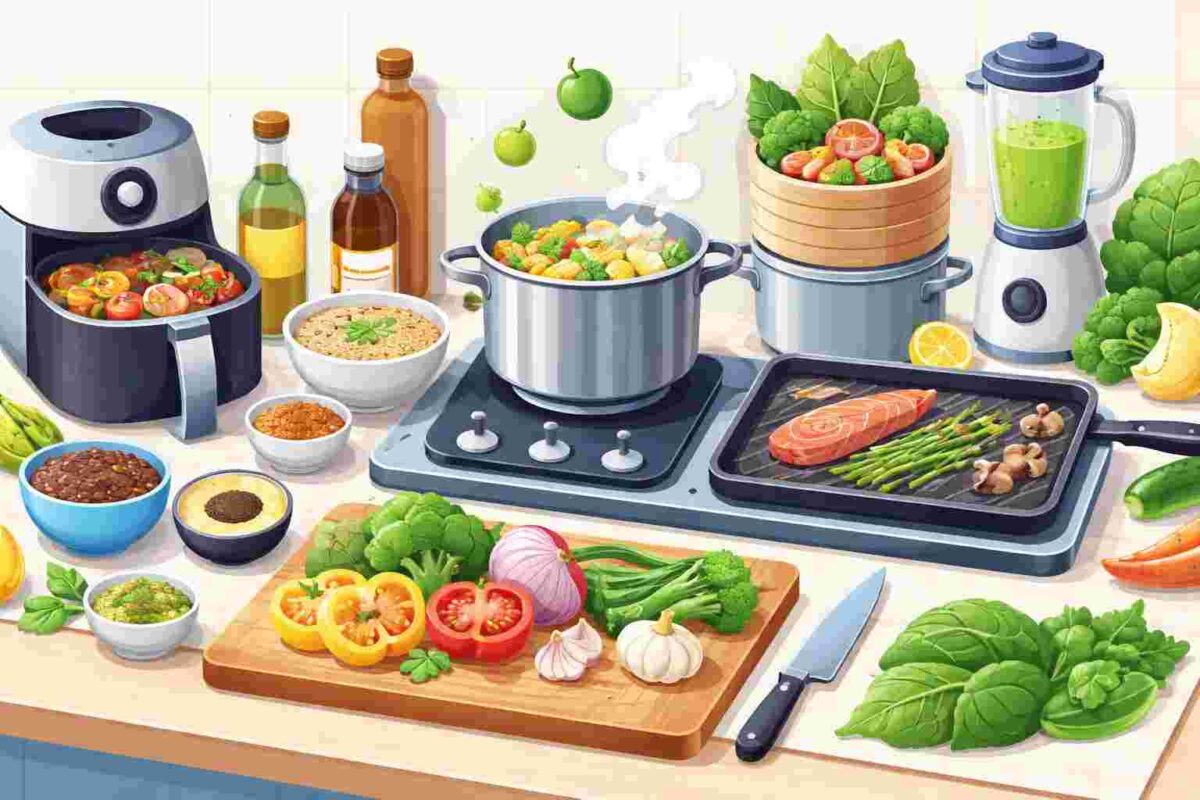
Some indispensable tools include steamers, air fryers, slow cookers, and food processors. These appliances allow for easier preparation while promoting healthier practices. A good quality knife set and cutting boards also make meal prep efficient and enjoyable. Choosing the right tools can make healthy cooking both accessible and appealing.
How do cooking methods impact food safety?
Different methods can impact the safety of food, especially concerning the cooking temperature. Methods that thoroughly cook food, like baking or grilling, can effectively kill bacteria. Conversely, undercooked or improperly prepared food can pose serious health risks. Therefore, understanding safe cooking temperatures is crucial for any cooking method used.
What role does meal prep play in healthy cooking?
Meal prepping is a fantastic way to ensure healthy eating throughout the week. By preparing meals in advance, you can make better choices and avoid reaching for unhealthy snacks. It allows for thoughtful selection of ingredients and cooking methods, leading to a more balanced diet. Meal prep can equip you with nutritious meals that save time and promote healthy eating habits.
Can healthy cooking methods really aid in weight loss?
Absolutely. The use of healthy cooking methods can reduce calorie intake, thanks to techniques like steaming and grilling, which minimize the need for added fats. Additionally, these cooking methods help to retain nutrients which can help maintain satiety, further promoting weight loss. Studies have shown that individuals who adopt healthy cooking methods are more likely to achieve their weight loss goals.
Conclusion and Key Takeaways
The exploration of healthy cooking methods reveals their paramount importance in achieving better nutritional outcomes. By implementing techniques that enhance flavor while preserving nutrients, individuals can take charge of their health.
Recap of cooking methods benefits
Adopting healthy cooking methods can lead to significant health improvements, including better nutrient retention and reduced risk of diet-related diseases. The emphasis should be on methods that maximize health benefits without compromising taste.
Call to action for healthier cooking
Start incorporating healthy cooking methods into your daily routine. Experiment with steaming or grilling to discover how delicious and nutritious your meals can be. Remember, small changes can lead to significant health improvements.
Final thoughts on nutrition and health
Empower yourself with knowledge and tools to create delectable and healthy meals. As you continue your culinary journey, remember that every meal is an opportunity to promote your health and well-being.
While you’re here, explore our article on healthy lifestyle tips or check out simple vegetarian breakfast ideas to start your day right. Embracing these healthy cooking methods can change your life.