In today’s fast-paced world, maintaining energy levels is more crucial than ever. One way to achieve this is through homemade energy bars. These convenient snacks are packed with nutrients, can be customized to fit dietary preferences, and often provide a healthier alternative to store-bought options. This article will guide you through the benefits of making your own energy bars, essential ingredients, current market dynamics, and provide valuable insights into this growing trend.
Nutritional Benefits of Homemade Energy Bars
Homemade energy bars offer a wide range of nutritional benefits that can significantly enhance your diet. Understanding these benefits can help you make informed decisions about incorporating them into your lifestyle.
Importance of Whole Food Ingredients
Homemade energy bars allow you to choose whole food ingredients that are nutrient-dense. Unlike many commercial energy bars that may contain artificial additives, making them from scratch ensures you’re consuming clean and healthy components, which can lead to better overall health outcomes.
Macronutrient Breakdown
- Carbohydrates: Provide the primary source of energy.
- Proteins: Essential for muscle repair and growth.
- Fats: Keep you satiated and provide concentrated energy.
- Fiber: Aids in digestion and helps maintain steady energy levels.
Vitamins and Minerals in Energy Bars
By focusing on whole food ingredients, homemade energy bars can be rich in vitamins and minerals. For instance, ingredients like nuts and seeds are high in magnesium and zinc, while oats provide B vitamins crucial for energy metabolism. This might be one of the reasons why these snacks are becoming increasingly popular among health enthusiasts.
Key Ingredients for Energy Bar Recipes
When it comes to crafting your own energy bars, choosing the right ingredients is vital. Here are essential components to consider:
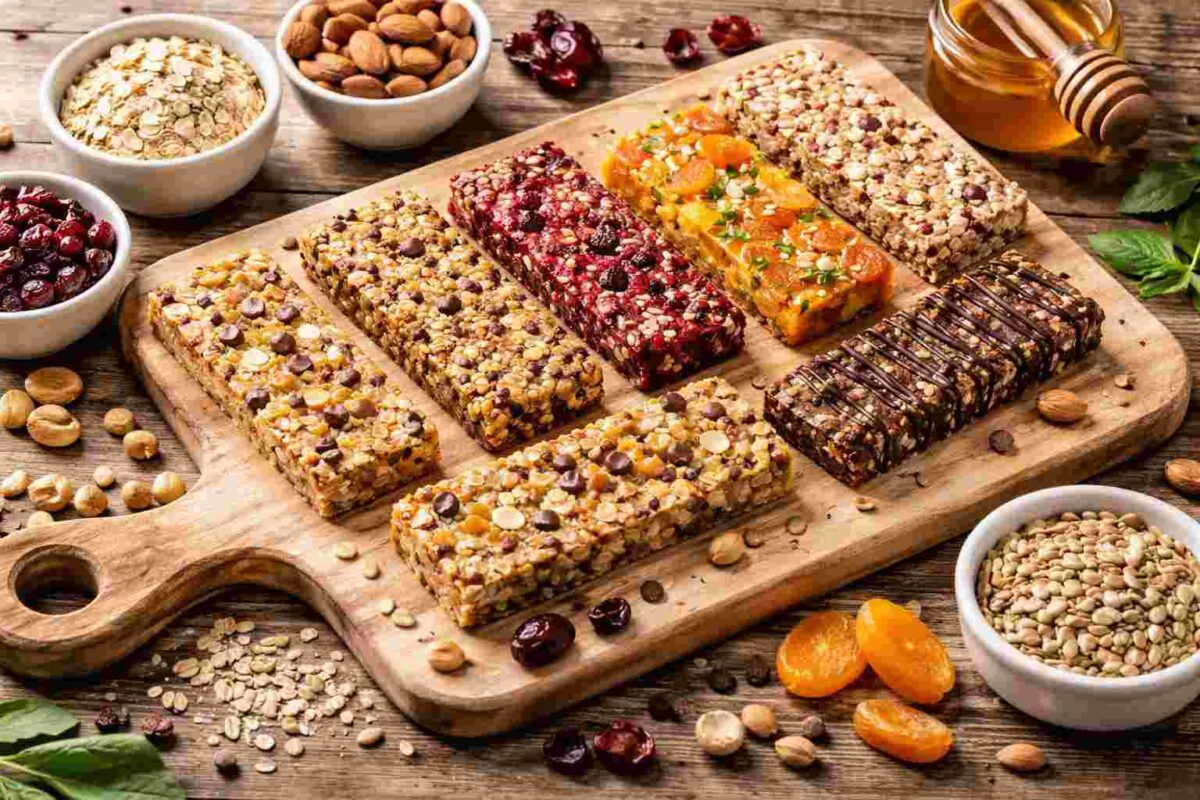
Oats and Grains
- Oats: Serve as an excellent base due to their high fiber content.
- Brown rice: A gluten-free option that adds a chewy texture.
- Quinoa: A complete protein packed with essential amino acids.
- Whole grain flours: Can be used for binding and adding extra nutrients.
Nuts and Seeds
- Almonds: Great for vitamin E and healthy fats.
- Chia seeds: High in omega-3 fatty acids and fiber.
- Walnuts: A source of healthy fats and antioxidants.
- Sunflower seeds: Rich in nutrients like copper and magnesium.
Sweeteners and Flavorings
- Honey: Natural sweetener with antibacterial properties.
- Maple syrup: Adds a unique flavor while providing minerals.
- Vanilla extract: Enhances taste without added sugar.
- Cinnamon: Not only flavors but also offers various health benefits.
Market Dynamics and Trends in Energy Snack Industry
The market for energy snacks, particularly homemade energy bars, is experiencing significant growth. Understanding these dynamics can provide insights into consumer behavior and preferences.
Market Growth Statistics
According to research from Mordor Intelligence, the global energy snack market is projected to grow at a compound annual growth rate (CAGR) of 5.5% from 2022 to 2027. This growth is largely driven by an increasing demand for health-conscious snack options.
Consumer Preferences
- Increasing preference for organic and non-GMO ingredients.
- Demand for protein-rich snacks among fitness enthusiasts.
- Interest in plant-based, vegan options.
- Focus on lower sugar content in snacks.
Popular Flavors and Ingredients
- Chocolate & nut combinations.
- Fruit and nut blends.
- Spiced varieties, such as pumpkin spice or ginger.
- Salty-sweet hybrids with pretzels or sea salt.
Creating Efficient Energy Bars: Best Practices
Maximizing the effectiveness and efficiency of making your homemade energy bars can be achieved through some strategic practices. Here are key considerations:
Batch Preparation Tips
- Prepare large quantities to save time.
- Use silicone molds for easy cutting and storage.
- Experiment with different flavor combinations in batches.
- Label and date each batch for better organization.
Storage Solutions
- Store in an airtight container to maintain freshness.
- Refrigerate for prolonged shelf life.
- Freeze for long-term storage.
- Keep in a cool, dark place to prevent spoilage.
Customization for Dietary Needs
- Replace traditional grains with gluten-free options.
- Utilize nut butters for a keto-friendly version.
- Add superfoods like spirulina for added nutrition.
- Choose sweeteners that match dietary restrictions (e.g., stevia for low-sugar diets).
Business Opportunities in Homemade Energy Snacks
The market for homemade energy bars is ripe with potential business opportunities. Understanding the landscape can help aspiring entrepreneurs navigate the industry.
Market Gaps and Opportunities
- Local demand for fresh, healthy snacks.
- Growing trend towards customization and personalization.
- Potential to target specific dietary needs (vegan, paleo).
- Online sales channels remain underutilized for homemade products.
Target Audience
- Health-conscious individuals.
- Fitness enthusiasts and athletes.
- Busy professionals seeking convenient snacks.
- Parents looking for healthier snack options for children.
Sales Channels for Homemade Energy Bars
- Online marketplaces (Etsy, Amazon).
- Farmers’ markets and local fairs.
- Health food stores or specialty shops.
- Subscription box services targeting fitness and health.
Evaluation of Store-Bought vs. Homemade Energy Bars
Choosing between store-bought and homemade energy bars can have implications for your health, budget, and overall satisfaction. The following analysis offers a clear comparison.
| Criteria | Store-Bought | Homemade |
|---|---|---|
| Cost | Generally higher due to branding | Lower cost per serving with bulk ingredients |
| Nutritional Value | Often contains preservatives and added sugars | Whole food ingredients, healthier options |
| Customization | Limited flavor options | Fully customizable to suit any diet |
| Freshness | Longer shelf-life but may sacrifice quality | Freshly made with peak nutrients |
| Sustainability | Packaging waste and synthetic ingredients | Minimal waste when using bulk bins |
Real-Life Success: Case Studies on Energy Bar Entrepreneurs
In the evolving market of homemade energy snacks, several entrepreneurs have successfully carved out niches for themselves. Examining these success stories provides great insights.
Before and After Sales Metrics
Consider the case of a small start-up that started selling energy bars at local fairs. Initially, sales were modest, averaging around $500 a month. However, once they established an online presence, partnered with local gyms, and implemented targeted social media advertising, sales quickly skyrocketed to over $5,000 a month within a year.
Marketing Strategies Used
- Leveraging social media platforms for brand awareness.
- Engaging in community events to build a local customer base.
- Utilizing email marketing to maintain customer interest and loyalty.
- Offering samples to encourage trials and boost sales.
Consumer Feedback
Feedback from consumers has demonstrated a strong preference for homemade options. Surveys indicated that 80% of buyers valued the transparency of ingredients and appreciated the lack of artificial additives. These insights have contributed to a higher customer retention rate, allowing the business to thrive.
Potential Risks and Limitations of DIY Energy Bars
While making homemade energy bars can be rewarding, it’s essential to consider the potential risks and limitations that come with them.
Ingredient Sourcing Challenges
Finding quality, whole food ingredients can pose a challenge, especially for those living in areas with limited access to health food stores. Inconsistent ingredient quality can significantly impact the final product, leading to varying results in taste and texture.
Allergy Considerations
- Common allergens such as nuts and gluten can limit accessibility.
- Cross-contamination can occur, impacting those with severe allergies.
- Not all ingredients are universally suitable; understanding consumers’ needs is critical.
- Additional labeling and tracking might be necessary for allergy-sensitive consumers.
Storage and Shelf-Life Issues
Homemade energy bars generally have a shorter shelf-life compared to store-bought options. Proper storage techniques such as refrigeration or freezing are necessary to extend their freshness effectively. Care also needs to be taken to ensure they do not spoil quickly, particularly in warmer climates.
Future Trends in the Homemade Energy Bar Space
As consumer preferences continue to evolve, several trends are expected to shape the future of the homemade energy bar market.
Emerging Ingredients
- Adaptogens like ashwagandha and maca for stress relief.
- Superfoods such as spirulina and camu camu for nutrient density.
- Functional ingredients focused on specific health benefits, such as improved digestion.
- Fermented ingredients that promote gut health.
Technological Advancements in Production
With the rise of home kitchen gadgets like dehydrators and food processors, making energy bars from scratch has never been easier. Tech innovations in food storage and preservation will also allow homemade products to last longer while maintaining freshness and nutrient content.
Health-Focused Innovations
- Growth in personalized nutrition tailoring ingredients to suit individual health goals.
- Focus on sustainability will drive interest in locally sourced ingredients.
- Increased demand for low-sugar, high-fiber recipes.
- Variety of flavors and textures will become integral to stand out in a competitive market.
Frequently Asked Questions about Homemade Energy Bars
How long do homemade energy bars last?
Homemade energy bars typically last about one to two weeks when stored in an airtight container at room temperature. If refrigerated, they can last up to a month, while freezing can extend their life to three months or more. It’s essential to note that the shelf-life may vary depending on the ingredients used, especially if they include perishable items like nut butter.
What are the best storage methods?
The best storage methods depend on how long you wish to keep your energy bars fresh. For short-term storage, airtight containers placed in a cool, dark place can work well. For longer periods, refrigeration or freezer storage is advisable. When freezing, wrap individual bars tightly in plastic wrap and place them in an airtight container to prevent freezer burn.
Can I use any nut butter?
Yes, you can use various nut butters in your homemade energy bars, including almond butter, peanut butter, or cashew butter. Each type of nut butter brings a unique flavor and nutritional profile. However, if you’re considering recipes for specific diets like keto or vegan, ensure that the nut butter aligns with those requirements.
Are energy bars suitable for weight loss?
Homemade energy bars can be suitable for weight loss when made with healthy ingredients and portioned appropriately. They can provide necessary fuel for workouts while curbing hunger. Monitor your ingredient choices by avoiding excessive added sugars and fats to optimize the nutritional value. Additionally, portion control is crucial; eating bars in moderation can help maintain a balanced diet.
How do I modify recipes for different diets?
Modifying recipes to fit specific dietary needs is simple. For gluten-free diets, substitute oats with quinoa or gluten-free flour. For vegan options, replace honey with maple syrup or agave nectar. To create lower-carb snacks, focus on using ingredients like nuts and seeds while minimizing grains. It’s essential to get creative while ensuring you meet your dietary goals and preferences.
What are common mistakes when making energy bars?
Common mistakes include not measuring ingredients properly, which can lead to bars being too dry or too sticky. It’s also easy to forget about flavor balance; overwhelming sweetness can mask other flavors. Additionally, not cooling or refrigerating your bars properly can affect their texture. Experimenting and learning from mistakes will ultimately improve your energy bar-making skills.
Conclusion: Embracing Homemade Energy Bars for Health and Wellness
Homemade energy bars offer a fantastic solution for those seeking convenient, nutritious snacks. They provide countless benefits, allowing for customization based on dietary preferences, ensuring you’re in control of what you consume. Embrace the opportunity to experiment with flavors and ingredients while enhancing your health and wellness through the power of homemade snacks. Join the movement towards healthier eating; try making your own energy bars today and share your experiences with others.
To enhance your nutrition further, consider integrating healthy snacks into your daily routine. For further reading on maintaining a healthy diet, check out our articles on healthy snacking at work and budget-friendly meal planning.