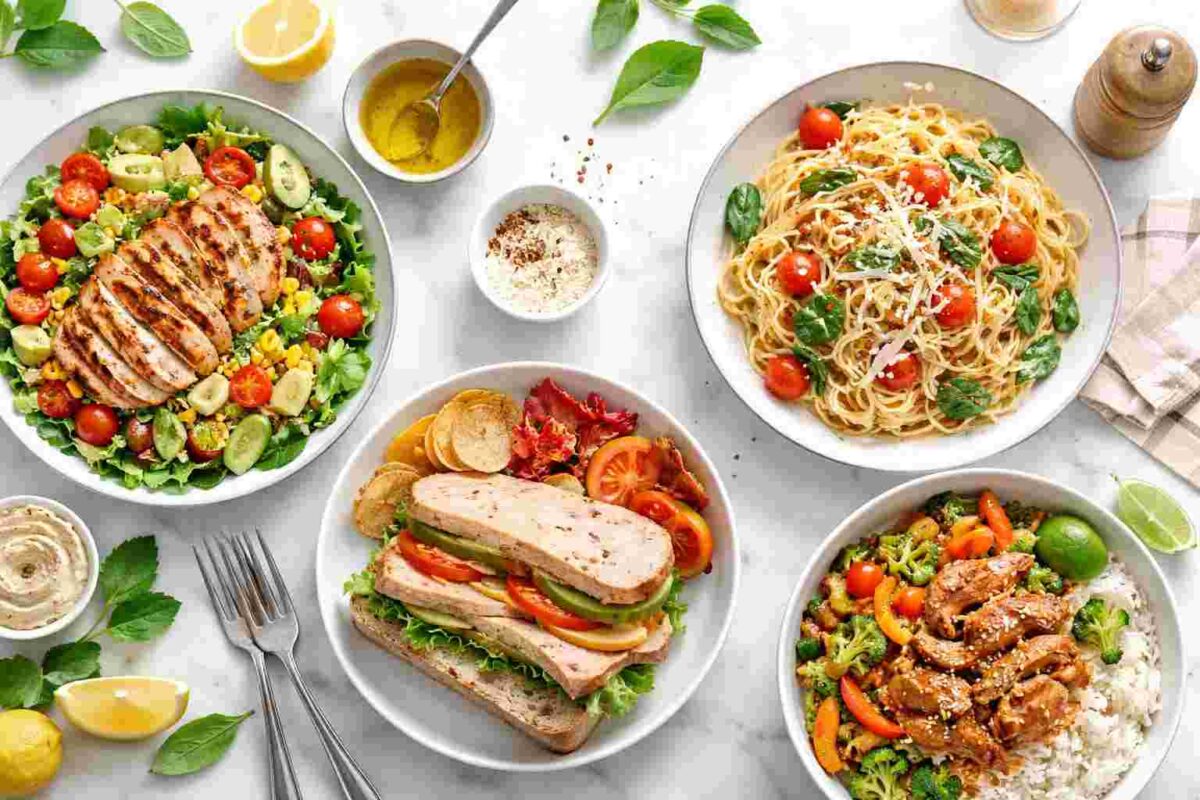
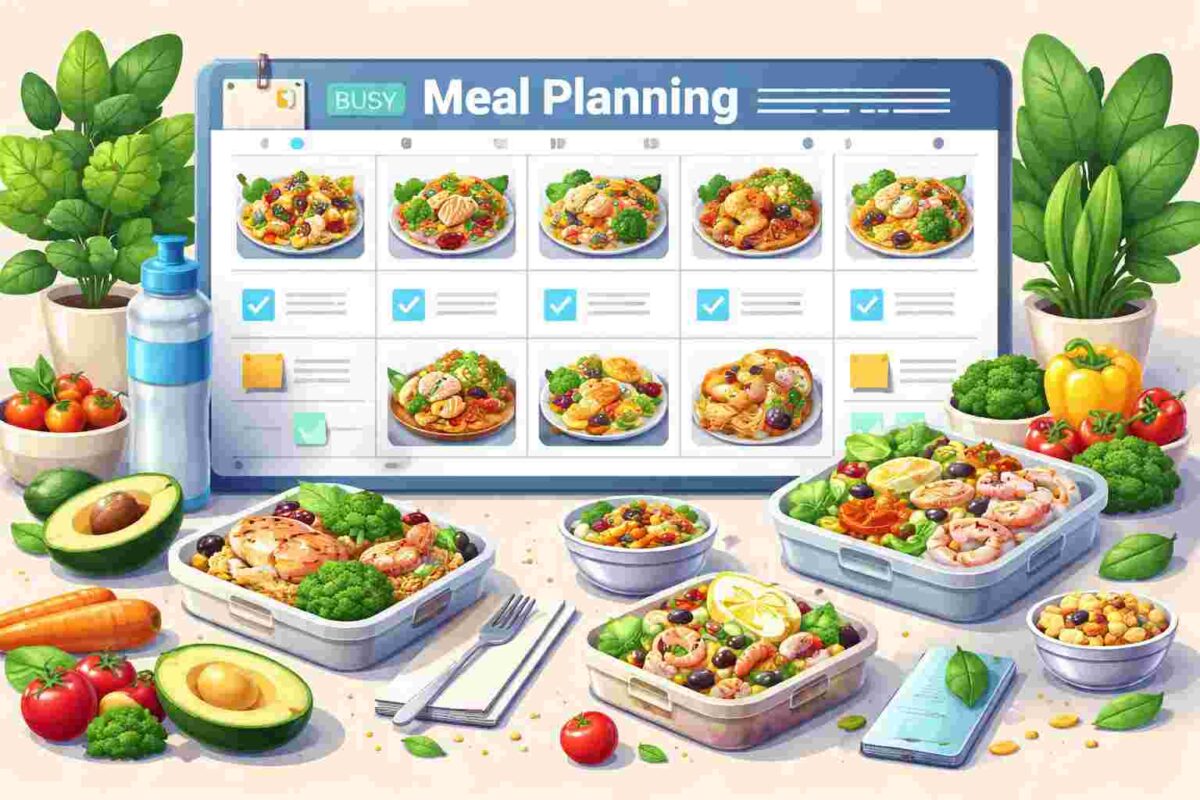
For many busy professionals, maintaining a nutritious diet can often feel overwhelming. The demands of work, family, and social obligations frequently push healthy eating to the back burner. However, meal planning for busy professionals can significantly streamline this process, ensuring you prioritize your health despite a hectic schedule. By organizing meals in advance, you can enhance your nutrition, save time, and ultimately improve your quality of life.
Understanding Meal Planning Basics
To effectively implement meal planning, it’s essential first to understand its core components.
What is Meal Planning?
Meal planning involves strategizing and organizing your meals in advance—typically for a week or month at a time. This could include determining recipes, preparing grocery lists, and batch cooking. By taking a proactive approach, you can ensure that you always have healthy meals ready to eat, eliminating the temptation to reach for unhealthy options during busy days.
Benefits of Meal Planning
- Time-saving: Planning meals in advance reduces daily cooking time.
- Health improvement: Ensures you consume balanced and nutritious meals.
- Budget-friendly: Helps avoid impulse buying at the grocery store.
- Less waste: Enables efficient use of ingredients without spoilage.
Common Challenges Faced
While tremendously beneficial, meal planning is not without its obstacles. Busy professionals often struggle with:
- Finding time to plan meals.
- Getting bored with repetitive meals.
- Cooking for picky eaters or dietary restrictions.
- Storing prepared meals properly.
Effective Strategies for Meal Prep
For meal planning to be effective, it requires actionable strategies that fit into a busy lifestyle.
Batch Cooking Techniques
Batch cooking is a method where a large quantity of food is prepared in one go. This can involve cooking entire meals or components such as grains or proteins. Consider these techniques:
- Utilize larger pots or slow cookers for cooking meals.
- Roast a variety of vegetables all at once.
- Make double batches of recipes and freeze leftovers.
Choosing High-Quality Ingredients
Quality matters when it comes to meal planning. Whenever possible, select fresh organic produce, whole grains, and high-quality proteins. This ensures that your meals not only taste better but are also healthier. Implement the following tips:
- Prioritize seasonal vegetables for freshness.
- Incorporate plant-based proteins like lentils and beans for variety.
- Select lower-sodium options for canned goods.
Time Management Tips
Efficient time management can enhance your meal planning quality significantly. Here are some strategies:
- Dedicate a specific day and time each week for meal planning.
- Prepare grocery lists using a cooking app.
- Schedule cooking time in your calendar just like important meetings.
Nutritional Considerations for Busy Lifestyles
A balanced diet aligns with effective meal planning. Understanding nutritional needs is crucial.
Macronutrients Breakdown
When meal planning, it’s essential to understand macronutrients that should be included:
- Carbohydrates: 45-65% of total daily calories.
- Proteins: 10-35% of total daily calories.
- Fats: 20-35% of total daily calories.
Caloric Needs Based on Activity Level
Caloric requirements fluctuate based on your physical activity level. Professionals should calculate their basal metabolic rate (BMR) and adjust caloric intake based on:
- Sedentary lifestyle: BMR x 1.2
- Lightly active lifestyle: BMR x 1.375
- Moderately active lifestyle: BMR x 1.55
- Very active lifestyle: BMR x 1.725
Meal Timing and Frequency
Consider your schedule when determining meal timing. Eating regular meals, roughly every 3-4 hours, can help maintain energy levels. Here are strategies for meal timing:
- Keep snacks on hand to avoid long periods without food.
- Avoid heavy meals close to work hours to encourage alertness.
Business Impact: Meal Planning Across Industries
Meal planning extends beyond personal benefits to influence overall business health and employee welfare.
Corporate Wellness Programs
Implementing meal planning in corporate settings can boost employee health, which in turn affects productivity. Research indicates that healthier employees tend to:
- Take fewer sick days.
- Be more focused and effective during work hours.
Meal Planning in Healthcare
In the healthcare sector, meal planning serves as an essential intervention for both patients and professionals. Hospitals can benefit by:
- Improving patient recovery times with nutritious meals.
- Training healthcare workers on meal prep for patient education.
Impact on Productivity and Focus
Employees with access to nutritious meals show improved focus and cognitive function, leading to enhanced business performance. Companies that emphasize health initiatives often report:
- Increased job satisfaction.
- Higher retention rates.
Strategic Advantages of Meal Planning
Looking at meal planning from a strategic standpoint reveals compelling advantages.
Cost Efficiency
Meal planning often leads to substantial cost savings. Buying groceries in bulk, planning meals around sales, and reducing takeout expenses contribute to the financial benefits of cooking at home. According to reports, meal prep can save professionals up to 30% on monthly food costs.
Health Improvements
A nutritious diet correlates strongly with improved physical health, reduced healthcare costs, and overall well-being. Regular meal planning often leads to:
- Lower cholesterol levels.
- Reduced risk of chronic illnesses.
Stress Reduction and Mental Clarity
Having meals prepped eliminates daily food-related decisions, which can decrease stress. Moreover, a well-nourished brain functions better, contributing to enhanced mental clarity, particularly during busy workdays.
Limitations and Risks of Meal Planning
While meal planning offers numerous benefits, it also carries some limitations that need addressing.
Over-Reliance on Pre-Prepared Meals
Busy professionals might find it tempting to rely heavily on pre-prepared meals. However, this can lead to reduced nutrient intake and a lack of variety.
Nutritional Imbalances
Focusing too much on specific foods can result in nutritional gaps. It’s essential to get a balance of different nutrients and colors in your diet.
Potential for Wastage
Poor planning can lead to food waste, especially if meals are not consumed within the intended timeline. This not only wastes money but also contributes to environmental impact.
Comparative Analysis: Meal Kits vs. Home Cooking
Choosing between meal kits and traditional home cooking poses distinct considerations.
Cost Comparison
Meal kits generally tend to cost more per serving compared to home-cooked meals. However, they offer convenience which might justify the higher cost for some.
Nutritional Value Assessment
While meal kits provide professionally curated recipes, cooking at home allows for more control over ingredients and portion sizes, leading to healthier outcomes.
Convenience and Time Efficiency
Meal kits save significant time on grocery shopping and ingredient prep, making them appealing to busy professionals. Therefore, a detailed comparison table is beneficial.
| Aspect | Meal Kits | Home Cooking |
|---|---|---|
| Cost | Higher per serving | Lower per serving |
| Preparation Time | Less than 30 minutes | Depends on meal |
| Ingredient Control | Limited | Full control |
| Waste Factor | Low | Potential Food Waste |
Current Statistics & Market Trends in Meal Planning
Meal planning is a growing industry, reflecting an increasing awareness of the benefits it offers.
Market Growth Projections
The meal kit delivery service market was valued at over $7 billion in 2020 and is projected to grow at a compound annual growth rate (CAGR) of 13.6% through 2027 (source: IBISWorld).
Consumer Preferences
Over 60% of consumers express interest in meal planning services that cater specifically to their dietary preferences, indicating a substantial market for personalized meal solutions.
Top Meal Planning Tools Usage Statistics
Nearly 40% of meal planners use mobile apps for recipe and grocery management, leveraging technology to enhance the planning process.
Real-World Case Studies on Successful Meal Planning
Nothing illustrates the benefits of meal planning better than real-world applications.
Case Study 1: Corporate Employee Wellness
A multinational company implemented a meal planning initiative in its cafeteria, leading to:
- 20% increase in employee satisfaction related to food choices.
- 30% decrease in employees reporting health-related work absences.
Case Study 2: Busy Parent Transformations
A group of working parents adopted meal planning to manage family dinners with measurable outcomes:
- Saved an average of 4 hours per week on meal prep.
- Improved family nutrition ratings based on varied veggie and fruit intake.
Before-and-After Scenarios
Many individuals reported significant changes in their grocery budgets and health metrics before and after meal planning:
- before: average grocery spend $150/week; after: $100/week.
- before: 2-3 servings of vegetables/day; after: 5 servings/day.
Future Outlook on Meal Planning Innovations
The future of meal planning looks bright, with technology paving the way for innovative solutions.
Emerging Cooking Technologies
Smart kitchen devices are becoming increasingly prevalent, allowing for more efficient meal preparation and better food tracking.
AI in Meal Planning
Artificial intelligence can revolutionize how individuals plan meals by analyzing dietary restrictions and automating grocery lists. Tools like ChatGPT can assist with recipe suggestions and meal plans tailored to individuals’ preferences.
Trends in Healthy Eating Patterns
Growing consumer demand for plant-based diets speaks to the likely future where meal planning integrates more sustainable and health-focused practices.
Frequently Asked Questions about Meal Planning
How do I start meal planning?
Begin by setting aside dedicated time each week to choose recipes and make a grocery list. Start simple by planning just a few meals, then gradually increase as you become more comfortable with the process.
What are the best meals for busy professionals?
Opt for meals that can be prepared quickly or in batch. Breakfast burritos, grain bowls, and stir-fries are excellent options that offer versatility and nutrition, making them suitable for ambitious schedules.
How to store prepped meals safely?
Store prepared meals in airtight containers and keep them refrigerated. Monitor storage times; cooked foods typically remain fresh for up to 4 days in the refrigerator. Portion meals into single servings to make reheating easier.
How often should I meal prep?
Many professionals find that meal prepping once a week works best, although some may prefer to prep for several days at a time. Experiment to find a routine that fits your lifestyle.
Can I meal prep on a budget?
Absolutely! Meal prepping can actually help you save money by reducing food waste and allowing you to buy in bulk. Shop seasonal produce and use coupons to enhance savings.
What are healthy snack options for busy days?
Healthy snacks such as nuts, yogurt, fruits, whole-grain crackers, and pre-made energy bites are convenient options that will maintain your energy throughout the day, while being easy to grab on your way out the door.
Conclusion: Simplifying Nutrition for Busy Lives
In conclusion, adopting a structured meal planning routine can significantly enhance your lifestyle as a busy professional. By unlocking the numerous benefits of meal planning, you not only safeguard your health but also improve your efficiency in daily activities.
As we have discussed, planning meals in advance provides significant time and financial savings, enhances nutrition, and fosters a healthy work-life balance.
Take the first step today—set aside time for meal planning this week, and you will soon notice the positive impact it brings to your nutrition and overall productivity.