In today’s fast-paced world, making healthy grocery shopping choices has never been more crucial for maintaining optimal health and well-being. The supermarket can often feel overwhelming, with thousands of products vying for your attention. This guide seeks to empower you with the knowledge and strategies needed to navigate your shopping trips wisely, ensuring that the food you bring home contributes positively to your health.
Understanding Nutritional Labels
The first step towards making informed food choices lies in understanding nutritional labels. This foundational knowledge allows consumers to assess their food options critically.
Components of Nutritional Labels
- Serving Size
- Calories
- Macronutrients (Fats, Carbohydrates, Proteins)
- Vitamins and Minerals
- Ingredient List
Nutritional labels are designed to provide essential information about food products, helping you make healthier choices. The serving size indicates how much of the product constitutes a single serving, which can affect your overall nutrient intake. Calories give you a sense of how much energy you’ll get from the food. It’s crucial to pay attention to macronutrients, as they play a significant role in your overall health. Lastly, the ingredient list can help you identify added sugars, preservatives, and unhealthy fats that may be present in processed foods.
Serving Sizes Explained
Serving sizes are often a point of confusion. They represent a standardized amount that is used to provide nutrient information. However, it’s important to remember that serving sizes on labels may differ from what you actually consume. For example, if a package lists a serving size of 1 cup but you eat 2 cups, you must double the nutritional information to understand your true intake.
Understanding Daily Values
Daily Values (DVs) on nutrition labels indicate how much a nutrient in a serving of food contributes to a daily diet. For general nutritional guidance, a %DV of 5% or less is considered low, while 20% or more is deemed high. Understanding these values can help you tailor your diet to meet your health needs.
Common Misconceptions About Labels
- “Fat-Free” means healthy
- “Low-Carb” products are calorie-free
- “Natural” is always better
- Organic foods are always healthier
Many consumers fall prey to misinterpretations of labels. For example, a product labeled as “fat-free” might be high in sugars or other unhealthy ingredients. Always evaluate the nutrition label rather than relying solely on claims on the packaging.
Smart Shopping Strategies
Once you understand nutritional labels, the next step is to adopt smart shopping strategies that will transform your grocery trips into opportunities to select healthier foods.
Creating a Healthy Grocery List
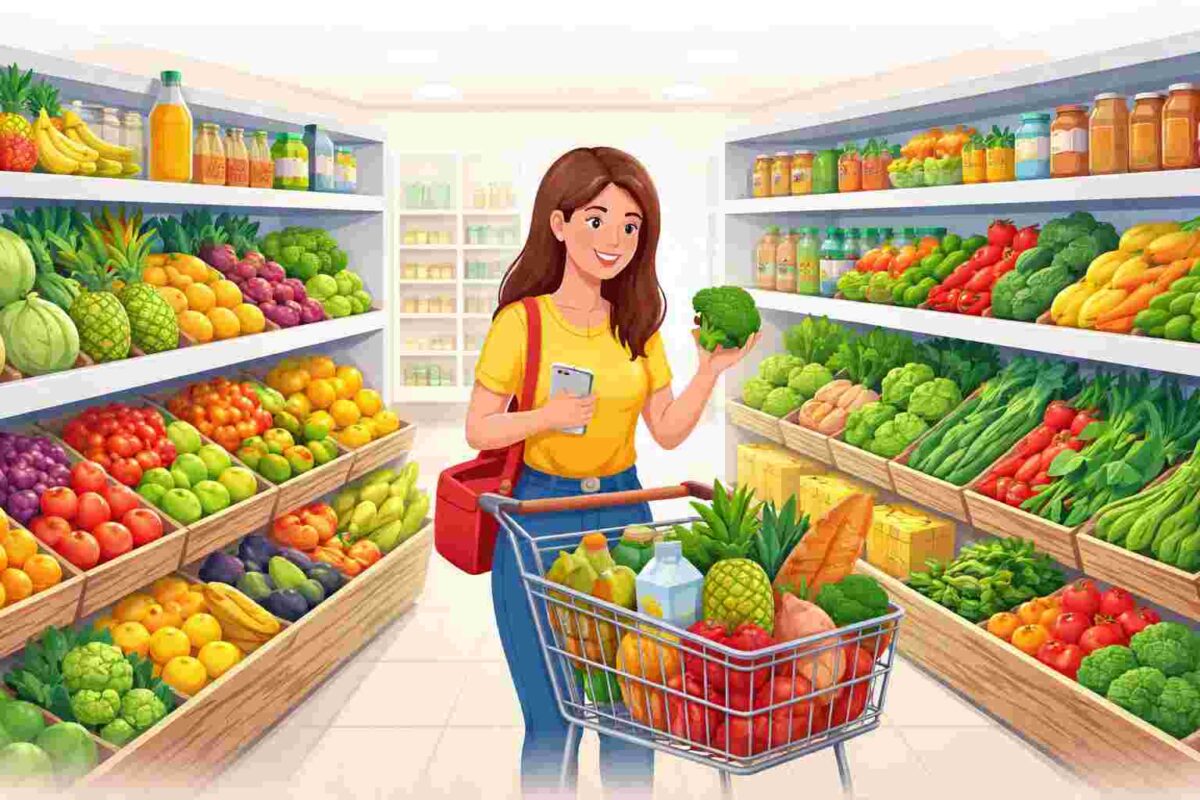
Planning is key. Before going shopping, list the healthy items you need. Include a variety of fruits, vegetables, whole grains, lean proteins, and healthy fats. This will keep your diet balanced and diverse.
- Fruits: Apples, Bananas, Berries
- Vegetables: Spinach, Carrots, Bell Peppers
- Whole Grains: Brown Rice, Quinoa, Oats
- Proteins: Chicken Breast, Lentils, Salmon
- Healthy Fats: Avocados, Nuts, Olive Oil
Shopping with a Meal Plan
Having a meal plan not only streamlines your grocery shopping but also enhances your chances of making healthy choices. With a clear idea of what meals you’ll prepare throughout the week, you can buy only the necessary ingredients.
Avoiding Impulse Buys
Impulse purchases can lead you to unhealthy choices. Stick to your list and resist the temptation to purchase items that aren’t part of your meal plan.
Using Shopping Apps Effectively
Consider using grocery shopping applications that provide nutritional information and help create lists. Some popular apps also allow users to track their spending and manage their budget, which can be incredibly useful for sticking to your healthy grocery shopping objective.
Economic Benefits of Healthier Choices
Choosing healthier options at the supermarket not only benefits your health but can also positively impact your finances over time.
Comparative Cost Analysis of Healthy vs. Unhealthy Foods
Initial costs for healthy products like organic fruits and vegetables may appear higher compared to processed foods. However, investing in your health through nutritious foods often translates to long-term savings. Research indicates that healthy eating can lead to reduced healthcare costs and fewer health-related issues down the line.
Long-term Health Savings
Individuals who invest in a diet rich in fruits, vegetables, and whole grains may find that they save money in the long run, avoiding medical expenses related to chronic diseases like diabetes and heart disease.
Impact on Healthcare Costs
According to the CDC, diseases linked to poor diet cost the U.S. healthcare system hundreds of billions annually. A proactive approach to health through nutrition can lessen this burden.
Benefits for Local Farmers and Suppliers
Purchasing fresh produce supports local economies and ensures that local farmers can thrive. This not only helps your community but also reduces the carbon footprint associated with transporting food items.
Navigating Food Choices: Fresh vs. Processed
Choosing between fresh and processed foods can seem daunting, but understanding the differences can assist consumers in making informed decisions.
Definition of Fresh Foods vs. Processed Foods
- Fresh Foods: Foods that are in their natural state, minimally handled.
- Processed Foods: Foods that have been altered from their original form for safety, convenience, or flavor.
Nutritional Comparison Table
| Food Type | Nutritional Value | Health Impact |
|---|---|---|
| Fresh Fruits and Vegetables | High in vitamins, minerals, and fiber | Supports overall health, boosts immunity |
| Processed Snacks | High in sugar, sodium, unhealthy fats | Increased risk of chronic diseases |
| Whole Grains | Rich in nutrients, maintains energy levels | Promotes digestive health |
| Refined Grains | Poorer nutrient profile, higher glycemic index | Can lead to weight gain, blood sugar issues |
Environmental Impact Considerations
Fresh foods often have a smaller environmental footprint compared to their processed counterparts. Supporting local farmers contributes to sustainable practices and reduces food wastage and packaging waste.
Flavor and Quality Differences
Most consumers agree that fresh foods typically have superior flavor and quality. The taste of a fresh tomato, for example, is usually more vibrant compared to a canned or processed version. Seeking fresh, in-season produce not only enhances meals but also offers a diverse array of nutrients.
Understanding Dietary Needs and Restrictions
Dietary needs vary from person to person; recognizing these can greatly improve the effectiveness of your grocery shopping and meal planning.
Common Dietary Restrictions Overview
- Gluten intolerance or celiac disease
- Lactose intolerance
- Vegan or vegetarian diets
- Nut allergies
Allergens and Intolerances
When shopping for groceries, if you or a family member have a food allergy, always read labels carefully to avoid cross-contamination. Some stores now offer dedicated allergen-free sections to ease shopping for those with sensitivities.
Special Diets: Keto, Vegan, Gluten-Free
There are many popular dietary approaches, each requiring specific shopping strategies:
- Keto: Emphasizes high-fat, low-carb foods.
- Vegan: Excludes all animal products.
- Gluten-Free: Focuses on gluten-free grains and natural foods.
Balancing Nutritional Needs
Incorporating a variety of foods from all food groups can help meet essential nutritional needs, regardless of dietary restrictions. Planning meals around your specific requirements can empower you to enjoy the benefits of a well-rounded diet.
Market Trends in Healthy Food Purchases
As health consciousness grows, consumers are gravitating towards healthier food options, prompting interesting market trends in the grocery industry.
Growth of Organic Food Sales
According to the Organic Trade Association, organic food sales hit a record high of $52.5 billion in the U.S. in 2021, which represents a 12% increase from the previous year. This surge indicates a significant shift towards more health-conscious eating.
Consumer Preference Statistics
- Over 70% of consumers say they prefer natural foods over processed.
- 55% of shoppers report increasing their purchase of plant-based products.
- 40% claim to buy organic foods at least once a week.
- 30% are trying to reduce sugar intake.
Market Share of Health Food Products
Health food products now account for an increasingly larger share of grocery store sales, showing that consumers are valuing quality and health benefits over traditional processed goods.
Impact of Social Media on Purchasing Behavior
Social media platforms have become influential in shaping consumer attitudes towards food, prompting trends that encourage healthy eating habits. From Instagram-worthy smoothie bowls to TikTok recipe challenges, the online community plays a vital role in promoting healthy food choices.
Case Studies: Successful Healthy Grocery Shopping Initiatives
To better understand the impact of healthy grocery shopping initiatives, we can look into various case studies where communities have come together to promote healthier eating habits.
Community Programs Fostering Healthy Eating
Many urban areas have introduced programs to educate families about nutritious eating. For example, community gardens allow families to grow their own vegetables, fostering a culture of healthy eating.
Before/After Analysis of Grocery Store Revamps
Some grocery stores have revamped their produce sections by prioritizing fresh, organic options. Post-revamp, they often report a significant increase in fresh produce sales, reflecting changing consumer attitudes towards health.
School Initiatives Encouraging Healthy Choices
Schools that incorporate nutrition education into their curriculums, coupled with healthy meal options, have seen improved student health metrics and an overall increase in student performance.
Corporate Wellness Program Implementations
Companies that provide their employees with healthy meal options or educational programs about nutrition have experienced higher employee satisfaction and lower health care costs.
The Future of Grocery Shopping: Health Trends Ahead
As consumer awareness grows, grocery shopping is evolving to meet the demand for health-oriented products and practices.
Technological Innovations in Grocery Shopping
Technological advancements, such as online grocery shopping and curbside pickup, assist consumers in being more efficient and strategic with their grocery shopping. AI-driven measures can also tailor recommendations based on individual preferences.
Sustainability Trends
We can expect to see a strong push towards sustainable food sourcing and packaging. Consumers are increasingly prioritizing eco-friendly products that contribute to a healthier planet.
Personalized Nutrition Solutions
With advancements in personalized nutrition, shoppers can look forward to curated meal plans catering to their specific health goals and restrictions.
The Rise of Online Grocery Shopping and Its Impact
The COVID-19 pandemic spurred a significant shift towards online grocery shopping. This trend is expected to continue, allowing for more accessibility and convenience for consumers seeking healthy food options.
Frequently Asked Questions
What are the best tips for grocery shopping on a budget?
Grocery shopping on a budget can be achieved by planning your meals before shopping and sticking to a list. Look for sales and discounts, and consider purchasing store-brand items, which can often be just as good as name brands. Additionally, purchasing in bulk can lead to savings in the long run.
How can I avoid unhealthy impulse purchases?
To steer clear of unhealthy impulse buys, try to shop when you’re not hungry as hunger often leads to poor decisions regarding food. Use a well-planned grocery list and focus only on the items you need. Alongside that, avoid shopping in the middle aisles where processed foods are typically located.
What are key items to always keep in a healthy grocery list?
Keeping your pantry stocked with essential healthy items is key to nutritious eating. Always consider including whole grains, such as brown rice or quinoa, various fruits and vegetables, lean proteins like chicken or legumes, and healthy fats like olive oil and nuts.
How do I store fruits and vegetables for maximum freshness?
Proper storage is critical for maintaining the freshness of fruits and vegetables. Many produce items should be stored in a cool, dry place and others may require refrigeration. Create a system to ensure that products are rotated, using older items first to prevent waste. Some fruits, like apples, emit ethylene gas, which can cause other vegetables to spoil quickly, so be mindful of how you store them together.
What are the best sources of organic products?
Local farmers’ markets often provide an excellent opportunity to purchase fresh organic produce. Additionally, many grocery stores now have dedicated sections for organic products, making them accessible. Checking certifications on labels ensures you’re getting authentic organic items.
How can I approach shopping for a family with different dietary needs?
When shopping for a family with varying dietary needs, consider meal planning to make sure everyone’s preferences and restrictions are accommodated. Involving family members in the planning process can help create a cohesive list that reflects everyone’s nutritional requirements.
Conclusion: Making Healthier Choices an Everyday Habit
Embracing healthier grocery shopping habits is essential for improving your overall wellness. By understanding how to read labels, planning meals, and navigating through the plethora of food choices, you can foster habits that promote lasting health benefits.
Recap of Key Strategies
To summarize, always read nutritional labels, create a shopping list based on a meal plan, avoid impulsive buys, and incorporate fresh produce.
Encouragement for Sustainable Change
Making small, consistent changes to your grocery shopping habits leads to substantial improvements in health over time. Engage with your community and family to encourage a culture of healthy eating.
Resources for Ongoing Learning
For further information on meal planning and healthy eating practices, don’t hesitate to explore resources like cooking classes, health workshops, and nutrition seminars.
Final Thoughts on Healthy Grocery Shopping
The choices you make at the grocery store have significant ramifications for your health. Stay informed, and embrace a healthier approach to grocery shopping that will benefit you and your family for years to come.