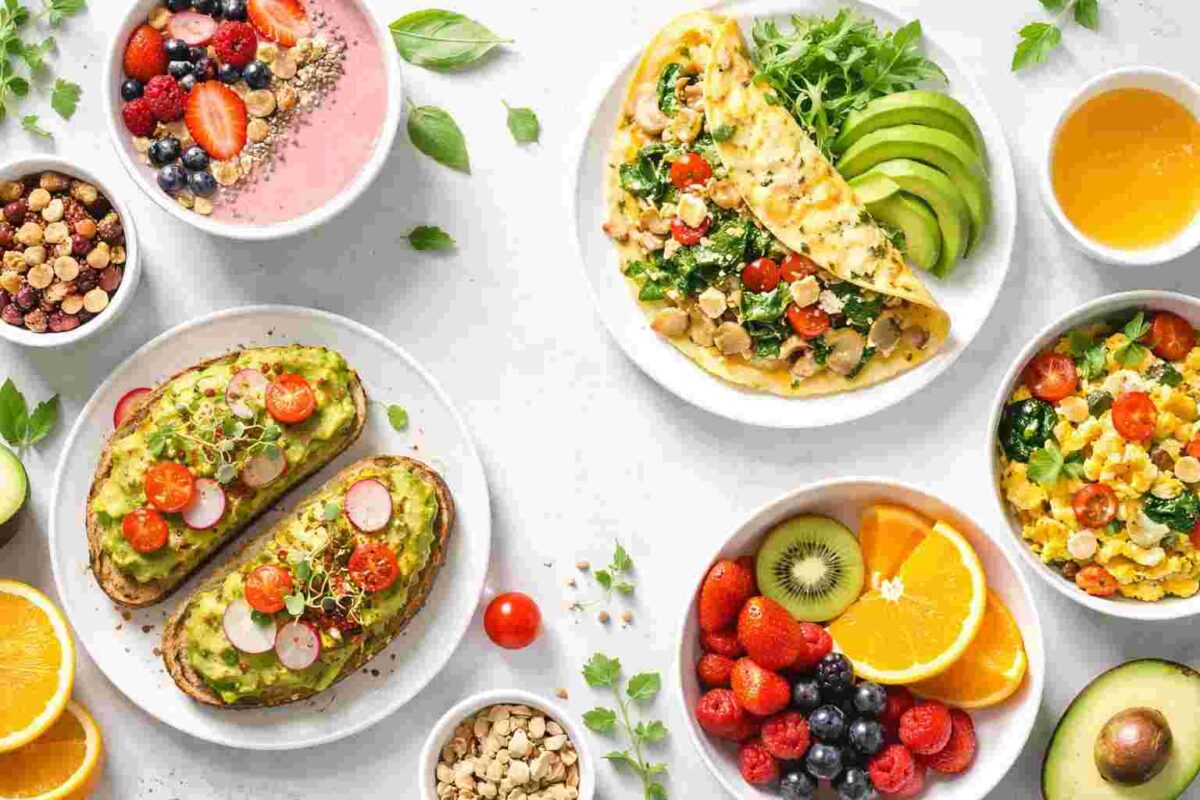
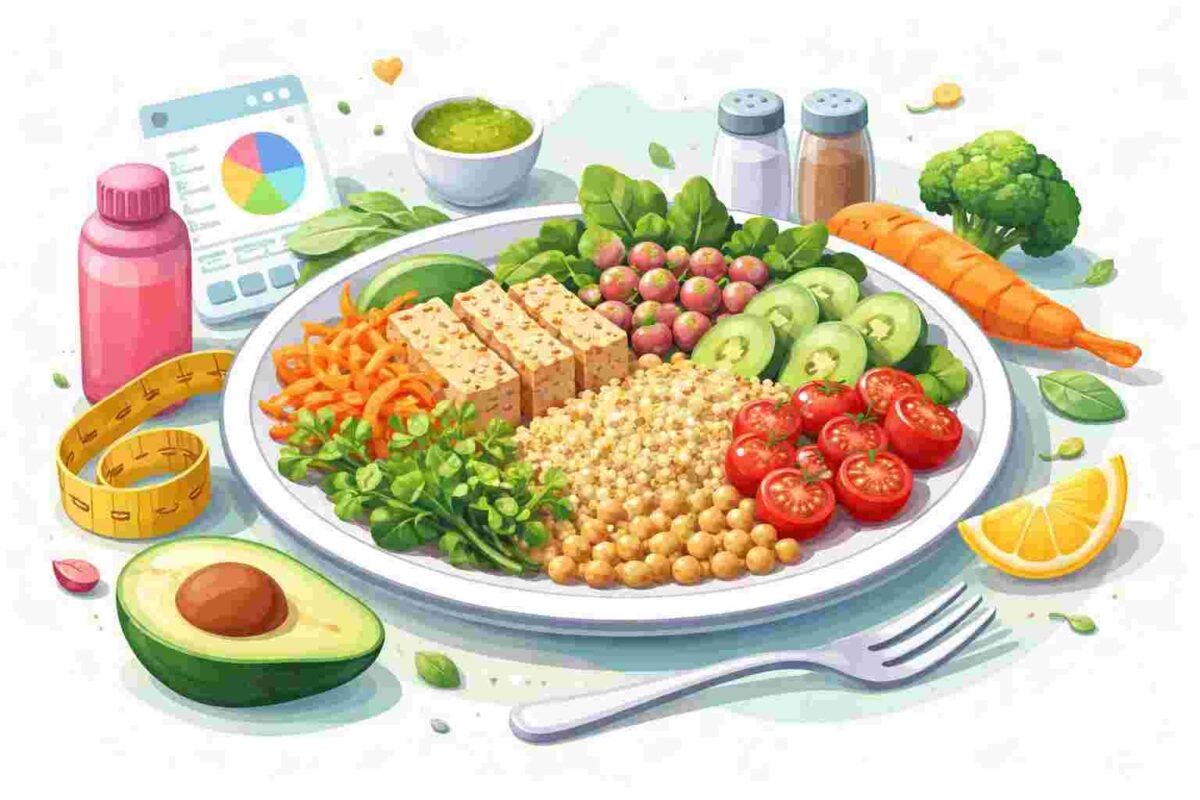
The emergence of vegetarian weight loss meals has transformed the dietary landscape, emphasizing not just the effectiveness of weight management but also the nutritional richness found within such diets. Embracing a vegetarian approach to weight loss offers myriad benefits which can significantly bolster one’s journey toward attaining a healthier weight. This comprehensive guide will delve into various aspects of vegetarian diets aimed squarely at weight loss, outlining essential strategies, addressing inquiries, and providing real-world insights.
Understanding Vegetarian Diets for Weight Loss
To embark on a weight loss journey using vegetarian meals, it’s vital to first understand the fundamentals of vegetarian diets and how they facilitate weight management. Vegetarian diets exclude meat and in some cases, fish, yet they encompass a wide variety of foods. This chapter will elucidate these concepts further.
Types of Vegetarian Diets
- Ovo-vegetarian: Includes eggs but excludes dairy products.
- Lacto-vegetarian: Includes dairy products but excludes eggs.
- Ovo-lacto-vegetarian: Includes both eggs and dairy products.
- Vegan: Excludes all animal products, focusing solely on plant-based items.
- Flexitarian: Primarily vegetarian but occasionally includes meat or fish.
Nutritional Benefits of Vegetarianism
A vegetarian diet is often rich in vitamins and minerals that help support weight loss and overall health. Vegetarians typically consume higher amounts of fibre, which can aid digestion and promote satiety. A study published in the *Nutrition Journal* found that individuals following a vegetarian diet lost more weight than those who ate meat-based diets.
Caloric Deficiency Explained
Weight loss fundamentally relies on maintaining a caloric deficit, which is achieved by consuming fewer calories than the body expends. Vegetarian meals, often lower in calories and high in nutrients, can assist in achieving this deficit naturally without the need for restrictive eating.
Nutritional Mechanics Behind Weight Loss
The nutritional components of vegetarian meals play a critical role in the weight loss process. Understanding how these elements function can facilitate informed food choices conducive to weight management.
Macronutrient Ratios
- Carbohydrates: Necessary for energy, focusing on whole grains and legumes is essential.
- Proteins: Crucial for muscle maintenance; excellent sources include beans, lentils, and quinoa.
- Fats: Healthy fats from nuts, seeds, and avocados can enhance satiety.
- Fiber: Promotes fullness and regulates blood sugar levels.
Role of Fiber and Protein
Fiber-rich foods, prevalent in vegetarian diets, take longer to digest, providing extended feelings of fullness. Additionally, adequate protein intake is crucial for preserving muscle mass during weight loss. By incorporating sources like legumes and nuts, vegetarians can meet their protein needs effectively.
Importance of Micronutrients
- Iron: Essential for energy levels; found in lentils and spinach.
- Calcium: Aids in bone health; obtained from fortified plant milks and leafy greens.
- Vitamin B12: Vital for vegans; can be supplemented or found in nutritional yeast.
- Vitamin D: Supports immune function; consider sun exposure or fortified foods.
Impact on Health and Wellness Industry
The rise of vegetarian weight loss meals has not only influenced individual diets but has also reshaped aspects of the health and wellness industry. Numerous businesses now pivot towards offering plant-based solutions appealing to the increasing demand.
Emerging Plant-Based Food Companies
Startups focused on innovative plant-based products are emerging, providing delicious alternatives that cater to various dietary restrictions. Brands like Beyond Meat and Impossible Foods have gained attention for their meat substitutes, enhancing the consumer experience.
Trends in Weight Loss Programs
Numerous weight loss programs now integrate vegetarian meal plans, acknowledging the influence of vegetarianism on successful dieting. Programs such as Weight Watchers and Noom have tailored options for individuals looking to cut down meat intake.
Wellness Influencers and Their Role
Social media has seen the rise of wellness influencers promoting vegetarian meals. Their reach has instigated collective dietary shifts among followers, significantly contributing to the popularity of vegetarian meal plans aimed at weight management.
Strategic Advantages of Vegetarian Weight Loss
Adopting a vegetarian weight loss diet presents numerous advantages worth highlighting, which can encourage higher adherence and better outcomes for individuals.
Long-term Health Benefits
- Reduced risk of heart disease.
- Lower blood pressure.
- Decreased likelihood of type 2 diabetes.
- Improved digestive health due to higher fiber intake.
Environmental Impact
Switching to plant-based diets leads to lower greenhouse gas emissions when compared to meat consumption. According to a report by the *Food and Agriculture Organization*, livestock accounts for about 14.5% of human-caused greenhouse gas emissions, emphasizing environmental motivations behind dietary changes.
Cost-Effectiveness of Vegetarian Meals
- Plant-based proteins often cost less than meat products.
- Increased reliance on staple foods, such as grains and legumes, cuts overall grocery costs.
- Seasonal vegetables are generally cheaper and can contribute to a balanced diet.
- Cooking at home reduces expenditure compared to dining out.
Limitations and Risks of Vegetarian Diets
While the benefits of vegetarian diets are numerous, potential limitations and risks must be acknowledged to make informed choices that align with health goals.
Nutritional Deficiencies
- Vitamin B12: Essential for nerve function, often lacking in vegetarian diets and requiring supplementation.
- Iron: Plant-based iron is less absorbable than that from meat sources; pairing with vitamin C can enhance absorption.
- Omega-3 Fatty Acids: Important for brain health; can be sourced from flaxseeds and chia seeds but may be in lower quantities compared to fish.
- Zinc: Vital for immune function; can be found in beans and nuts, requiring thoughtful planning for adequate intake.
Social and Cultural Barriers
Individuals may face challenges relating to cultural eating patterns, familial expectations, and social gatherings, often finding it difficult to adhere to a vegetarian diet. This can lead to feelings of isolation or frustration.
Psychological Factors in Weight Loss
The psychological aspect of weight loss can be complex. Adopting a vegetarian lifestyle may not be a natural fit for everyone and could potentially lead to feelings of deprivation. It’s essential to celebrate achievements and find enjoyable vegetarian meals to mitigate negative feelings.
Comparative Analysis of Meal Plans
A comparative analysis of various vegetarian meal plans can provide a clearer picture of which options may yield the best results for weight loss. By examining nutritional content, cost-effectiveness, and customer feedback, individuals can make informed decisions.
Meal Plan A vs. Meal Plan B
| Criteria | Meal Plan A | Meal Plan B |
|---|---|---|
| Caloric Intake | 1500 kcal/day | 1200 kcal/day |
| Protein | 80 g | 60 g |
| Cost per Week | $50 | $40 |
| Variety of Meals | 20 unique recipes | 15 unique recipes |
| User Rating | 4.5/5 | 4.0/5 |
From the comparison above, Meal Plan A appears more cost-prohibitive, albeit offering more protein and variety, beneficial for individuals looking for greater meal options to sustain their journey.
Cost Comparison
Cost can often dictate meal planning, particularly for individuals on a budget. Meal Plan A being at $50 per week may seem high, yet it emphasizes ingredients that support muscle retention while also providing more variety in meal options. In contrast, Meal Plan B, at $40, may offer practicality for budget-conscious individuals, despite a slightly lower protein intake, which is critical for weight loss and muscle preservation.
Nutritional Content Comparison
Examining the nutritional profiles can help participants align their meal choices according to their specific health needs.
Statistics and Market Trends in Vegetarian Eating
The vegetarian market is experiencing robust growth, driven by changing consumer preferences towards healthier diets. Recent reports indicate a burgeoning market, estimated to reach $24 billion by 2027, reflecting a substantial increase in demand for vegetarian options.
Growth in Vegetarian Market (2020-2023)
With a 30% increase in vegetarian meal kit subscriptions from 2020 to 2023, it’s clear that consumers are gravitating towards vegetarian diets. This growth showcases a shift in dietary preferences, further ennobling the significance of vegetarian weight loss meals.
Studies on Weight Loss Success Rates
Research has consistently shown that participants on vegetarian diets have better long-term success rates, with studies indicating a weight loss efficacy rate of up to 20% compared to their omnivorous counterparts.
Consumer Preferences and Shifts
- Changing Attitudes: Consumers increasingly value sustainability and health, fostering the growth of plant-based diets.
- Transparency: 75% of consumers prefer brands that disclose ingredient sourcing.
- Health Benefits: 65% of individuals pursue vegetarian options in search of health improvements.
- Accessibility: Rising availability in grocery stores and restaurants enhances consumer adoption.
Real-World Success Stories
Examining real-world examples brings to light how vegetarian weight loss meal planning can produce impressive outcomes. These case studies illustrate the transformative power of adopting a vegetarian lifestyle.
Case Study 1: Individual Weight Loss Journey
Meet Sarah, who transitioned to a vegetarian diet and achieved a weight loss of 30 pounds in six months. By focusing on whole grains, legumes, and an abundance of vegetables, Sarah not only lost weight but also reported increased energy levels and enhanced mood.
Case Study 2: Community Health Initiatives
A community project in Portland, Oregon, adopted vegetarian meal planning for its members, resulting in an overall weight decrease of 15% among participants over a year. The initiative emphasized diverse vegetarian recipes and cooking classes, showcasing how collective efforts can yield substantial health benefits.
Case Study 3: Influencer Transformation
Fitness influencer Steven documented his vegetarian journey on social media. With his transition, he shared methodologies that led to a weight loss of 40 pounds in a year. His transformation not only inspired his audience but also fostered discussions around vegetarian meals for weight loss.
Future Trends in Vegetarian Weight Management
The landscape of vegetarian weight management continues to evolve as innovation drives the market. Anticipated trends can give insight into the future of vegetarian eating.
Innovations in Plant-Based Foods
The introduction of lab-grown meat and advanced plant substitutes is on the horizon. Products that mimic the taste and texture of meat offer not only nutritional benefits but may also attract a broader audience to vegetarian diets.
Predictions for Market Growth
Experts project the vegetarian food market will double by 2030, reflecting a sustainable shift in consumer dietary patterns enhanced by health awareness.
Behavioral Changes in Dieting
- Increased interest in meal prepping.
- Greater emphasis on nutrient timing.
- Adoption of social networks for support and motivation.
- Growing preference for personalized meal plans.
Frequently Asked Questions
Are vegetarian diets effective for weight loss?
Yes, vegetarian diets can be extremely effective for weight loss. Studies have shown that individuals following vegetarian diets tend to have a lower body mass index (BMI) compared to their meat-eating counterparts. By focusing on whole foods and natural ingredients, vegetarians often find themselves more satiated, which diminishes overall caloric intake without feeling deprived. Moreover, the high fiber content found in plant-based foods contributes to better digestion and metabolic health.
What are the best vegetarian meals for weight loss?
Among the most effective vegetarian meals for weight loss are hearty salads loaded with legumes, grilled vegetables, and whole grains like quinoa. For breakfast, oatmeal topped with fruits or smoothies made with leafy greens and nut butter are excellent choices. Additionally, soups and stews filled with beans and seasonal vegetables can make for filling lunch or dinner options that align well with weight-loss goals. The key is to focus on nutrient-dense ingredients that are low in added sugars and unhealthy fats.
How can I ensure I get enough protein?
Many vegetarians worry about meeting their protein needs, but numerous plant-based sources can provide ample amounts. Incorporate lentils, beans, chickpeas, tofu, and tempeh into meals. Nuts and seeds can also contribute to your protein intake while offering healthy fats. For individuals worried about effectiveness, various plant-based protein powders are available to supplement diets as needed. Properly combining grains with legumes can also yield complete proteins, fulfilling dietary requirements effectively.
What are the common mistakes in vegetarian weight loss?
A common mistake is relying on processed vegetarian foods that may be high in sugars, unhealthy fats, and sodium while low in nutrients. It’s also essential to maintain a balanced macronutrient profile rather than overly restricting calories. Some vegetarians may overlook adequate protein intake or essential nutrients, which are crucial for overall health and energy levels. Finally, neglecting to monitor portion sizes can lead to unintended weight gain instead of loss.
Can I lose weight on a vegetarian diet without counting calories?
While calorie counting can be a helpful strategy, it’s absolutely possible to lose weight on a vegetarian diet without it. Focusing on consuming whole, minimally processed foods like fruits, vegetables, whole grains, legumes, and healthy fats can naturally lead to caloric reduction. Paying attention to hunger and fullness cues, along with nourishing the body, can lead to intuitive eating habits that promote weight loss over time.
How to maintain weight loss on a vegetarian diet?
To maintain weight loss, it’s crucial to continue eating a variety of nutrient-dense foods while remaining mindful of portion sizes. Regular physical activity will also play a significant role in keeping weight off. Setting realistic goals and staying consistent helps in creating a sustainable lifestyle change. Engaging with a community, whether online or in-person, can provide support and accountability.
Conclusion
In conclusion, embracing vegetarian weight loss meals presents a convincing case for those invested in managing their weight effectively. As demonstrated throughout this guide, the nutritional benefits, health impact, and strategic advantages of a vegetarian lifestyle are compelling. It is essential to recognize both the opportunities and limitations that come with such diets, tailoring individual choices to optimize outcomes. By remaining vigilant in approach and conscientious about meal planning, one can reap the numerous rewards that vegetarian weight loss offers.