In today’s fast-paced world, vegetarian meal prep is gaining traction among those seeking to maintain a healthy and balanced diet while saving time and effort during the week. The idea of preparing meals in advance has distinct advantages, including saving time, reducing stress, and allowing for better nutritional choices. However, it also comes with certain limitations that need to be addressed. This guide aims to delve deep into the world of vegetarian meal prep, providing insights, techniques, and strategies to help you successfully plan your meals for the week ahead.
Understanding Vegetarian Meal Prep
Vegetarian meal prep is the process of planning and preparing meals in large batches, focusing on a plant-based diet. This approach can enhance well-being through nutritious meals tailored to individual dietary needs.
Definition of Vegetarians
To understand vegetarian meal prep, it’s essential first to define what being a vegetarian entails. Vegetarians do not eat meat, fish, or poultry. Their diet is primarily composed of fruits, vegetables, grains, legumes, nuts, and seeds. Some vegetarians, known as lacto-vegetarians, may consume dairy products, while others, called ovo-vegetarians, include eggs in their diet. Understanding these definitions helps clarify the types of meals that can be prepared.
Benefits of Meal Prep
- Saves time during busy weekdays.
- Encourages healthier eating habits.
- Reduces stress related to daily cooking decisions.
- Helps control portion sizes and overall food intake.
- Saves money by reducing food waste.
Key Ingredients for Meal Prep
Successful vegetarian meal prep primarily relies on staple ingredients that offer nutritional versatility. Key ingredients should include:
- Whole grains (quinoa, brown rice, barley).
- Legumes (beans, lentils, chickpeas).
- Vegetables (spinach, broccoli, bell peppers).
- Fruits (berries, bananas, apples).
- Nuts and seeds (almonds, chia seeds, flaxseeds).
Essential Techniques for Effective Meal Prep
Understanding how to meal prep effectively can drastically enhance your weekly culinary experience. Employing specific techniques makes the process smoother and more rewarding.
Batch Cooking Strategies
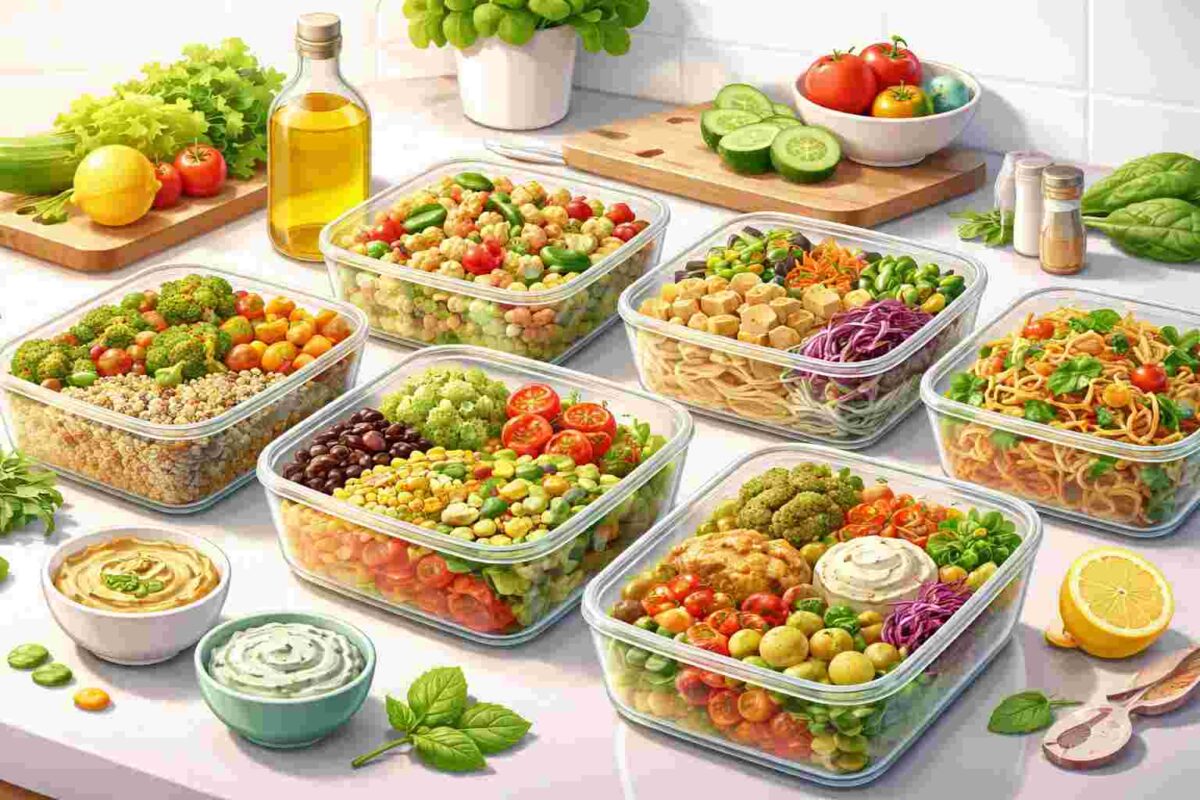
Batch cooking is the primary technique of cooking large quantities of food at once and then dividing it into meal-sized portions. This method allows for flexibility and variety in meals, as you can mix and match different proteins, grains, and vegetables throughout the week. For instance, you might batch-cook quinoa, roasted vegetables, and black beans on Sunday, then combine them in various ways throughout the week.
Storage Techniques
Proper storage is essential in ensuring that your meal preps remain fresh and safe to eat over the week. Consider the following storage methods:
- Utilize glass or BPA-free plastic containers.
- Label each container with the contents and date.
- Store meals that will be eaten within the first few days in the refrigerator.
- Freeze meals not consumed within a week to preserve freshness.
- Organize storage in a way that allows easy access to the items you need.
Ingredient Prepping
Ingredient prepping includes chopping vegetables, portioning nuts, or cooking grains in advance. Streamlining this process not only makes meal cooking easier but also cuts down on prep time during the week. Foods like carrots, celery, and bell peppers can be chopped in advance.
Economic Benefits of Vegetarian Meal Prep
Meal prepping can have notable economic advantages that resonate well with individuals looking to budget their food costs.
Cost Comparison with Non-Vegetarian Meals
When you assess the costs associated with non-vegetarian meals, you may uncover that vegetarian options are often less expensive. For instance, a pound of lentils can yield multiple meals for a fraction of the cost of a pound of ground beef. A comprehensive study indicated that vegetarian diets could save families about 30% in food costs compared to meat-inclusive meals.
Bulk Buying Strategies
- Purchase grains, legumes, and nuts in bulk.
- Use coupons and promotions to reduce costs further.
- Join local co-ops for discounts on seasonal produce.
- Participate in community-supported agriculture (CSA).
- Plan meals around sales and seasonal items for the best deals.
Impact on Food Waste Reduction
According to the USDA, nearly 30-40% of the food supply in the United States is wasted. By purchasing only what is needed for meal prep and using up leftovers effectively, you can reduce your contribution to this issue significantly. Planning meals carefully can help maximize the lifespan of food and minimize waste.
Nutritional Advantages of Meal Prep
One of the most significant benefits of vegetarian meal prep is the nutritional edge it offers.
Balanced Macronutrient Profiles
Vegetarian meals can be designed to provide balanced macronutrients—essentially carbohydrates, proteins, and healthy fats. For example, quinoa (a good source of complex carbohydrates and protein) combined with a variety of vegetables creates a nutrient-dense meal. When these meals are prepped ahead of time, achieving balance becomes simple.
Dietary Fiber Benefits
Most vegetarian foods are high in fiber, a nutrient that offers numerous health benefits, including improved digestion, lowered cholesterol levels, and enhanced satiety. High-fiber meals, such as those incorporating legumes and whole grains, can help regulate blood sugar and promote digestive health.
Vitamins and Minerals in Plant-Based Diets
Plant-based diets are rich in vitamins and minerals essential for overall health. Foods such as leafy greens provide iron, vitamin K, and calcium, while fruits are often rich in vitamin C and antioxidants.
Limitations and Considerations of Vegetarian Meal Prep
While vegetarian meal prep offers many benefits, it also comes with specific challenges that need to be acknowledged.
Nutritional Deficiencies
Vegetarians may be at risk of certain nutritional deficiencies, such as vitamin B12, iron, and omega-3 fatty acids. It’s crucial to plan meals carefully to ensure all essential nutrients are covered. Incorporating fortified foods or supplements may be necessary to fill any gaps in nutrition.
Time Investment vs. Meal Quality
Although meal prepping may save time overall, the upfront time necessary for planning, shopping, and cooking can be significant. If not managed properly, the quality of meals may become compromised due to poor planning or rushed cooking processes.
Storage and Freshness Issues
Improper storage can lead to food spoilage. It’s important to follow safety guidelines to ensure food remains fresh and safe to eat throughout the week. Regularly inspect stored meals and adjust your prep frequency based on freshness.
Comparing Meal Prep Methods
Different methods of meal prep can significantly affect the overall practicality and effectiveness of your planning efforts.
Batch Cooking vs. Daily Prep
Batch cooking involves preparing large quantities of food and dividing them for different meals throughout the week. In contrast, daily prep requires smaller amounts of daily cooking. Batch cooking is generally more efficient but may lead to less variety than daily prepping might offer.
Cold Storage vs. Freezing
Both cold storage and freezing have their pros and cons. Cold storage allows for easier access to meals, while freezing extends longevity. Depending on your preferences, you may choose one method over the other for specific types of meals.
Comparison Table of Meal Prep Methods
| Method | Advantages | Disadvantages |
|---|---|---|
| Batch Cooking | Efficient, time-saving, variety for the week | May require significant upfront time, risk of less freshness |
| Daily Prep | Freshness, variety, lower upfront time | Time-consuming every day, potential for less efficiency |
| Cold Storage | Easy access, retains freshness | Limited longevity, may require more frequent shopping |
| Freezing | Extended shelf life, prevents spoilage | Requires thawing time, risk of texture changes in some foods |
Vegetarian Meal Prep Market Trends and Statistics
The vegetarian meal prep market is flourishing, reflecting growing consumer consciousness about health and diet.
Market Growth Rate (2020-2023)
The vegetarian meal prep market grew by 22% between 2020 and 2023, showcasing a clear shift toward plant-based eating habits.
Consumer Demographics in Meal Prep
- Millennials make up approximately 45% of the meal prep demographic.
- 72% of consumers prioritize health in their meal choices.
- Trending focus on sustainability among younger generations.
- Increased interest in meal kits and services offering vegetarian options.
- Growth in online communities discussing meal prep ideas and nutrition.
Survey Results on Meal Prep Preferences
Recent surveys indicate that around 60% of individuals preparing meals in advance report overall satisfaction with their dietary choices, while 50% cite increased creativity in meal planning as a significant advantage. These preferences point toward a community that values health, convenience, and exploration in their culinary experiences.
Success Stories: Real-World Meal Prep Examples
Understanding the applications and outcomes of vegetarian meal prep can provide valuable insights into its effectiveness.
Case Study: Restaurant Launching Meal Prep Services
A local vegetarian restaurant launched meal prep services during the pandemic and saw a 150% increase in customer satisfaction ratings within six months. By offering customizable meal options, they catered to various dietary restrictions.
Personal Transformations Through Meal Prep
A personal health blog reported that an individual lost over 20 pounds by adopting a plant-based meal prep routine, cutting down on sugary snacks, and making conscious food choices. Consistent meal prepping improved their overall well-being and energy levels.
Community Programs and Health Improvement
A nonprofit focused on nutrition education implemented vegetarian meal prep workshops in low-income communities, resulting in a 30% increase in vegetable consumption among participants within one year. This initiative highlighted the importance of accessible meal prep knowledge.
Future Trends in Vegetarian Meal Prep
The future of vegetarian meal prep is promising and poised for innovation.
Technological Innovations in Meal Prep
Technology plays a significant role in meal prep advancements. From smart kitchen appliances to meal planning apps, technology will streamline the entire process, making it more user-friendly and efficient.
Evolving Vegetarian Diet Trends
As more individuals adopt vegetarianism, trends are likely to evolve, with a focus on convenience, sustainability, and nutritional density. Plant-based eating is expected to expand, becoming even more prevalent in mainstream dietary practices.
Sustainability and Meal Prep Practices
With the rising emphasis on sustainability, meal prep practices will reflect this growing trend. Consumers will increasingly prioritize eco-friendly packaging, local sourcing of ingredients, and minimal waste strategies within their meal prep routines.
Frequently Asked Questions About Vegetarian Meal Prep
How to Start Vegetarian Meal Prep?
Starting vegetarian meal prep begins with a solid plan. First, assess your dietary preferences and nutritional goals. Next, create a meal plan that incorporates a variety of nutrients. Once you have a plan, shop for the necessary ingredients, focusing on staples that can be used in multiple dishes. Finally, set aside a few hours each week to batch cook, chop, and prepare meals.
What Are Quick Vegetarian Recipes?
Quick vegetarian recipes can include salads, stir-fries, and grain bowls. Here are a few simple examples:
- Chickpea salad with cucumbers and tomatoes.
- Stir-fried vegetables with tofu and soy sauce.
- Quinoa bowl topped with roasted sweet potatoes and avocado.
- Vegetable soup with lentils and spices.
- Fruit smoothie with spinach, banana, and almond milk.
How to Store Meal Prep For the Week?
Storing meal prep for longevity requires appropriate planning. Ensure you use airtight containers to prevent air and moisture from degrading the food. Label each container with the contents and date, and arrange them in the fridge or freezer based on when you plan to consume them. For maximum freshness, consume refrigerated meals within a 3-4 day timeframe and freeze those that will be eaten later.
Is Vegetarian Meal Prep Cost-Effective?
Vegetarian meal prep can indeed be cost-effective. By planning meals around seasonal vegetables and buying staples in bulk, you can reduce costs. Moreover, pre-prepared meals lead to less last-minute takeout and dining expenses. This budgeting approach aligns well with research indicating that vegetarian diets can save families about 30% on their food costs.
Nutritional Guidelines for Meal Prepping?
When meal prepping, focus on balancing macronutrients to ensure your meals are wholesome. Incorporate a variety of protein sources, such as legumes and nuts, whole grains for complex carbohydrates, and a wide selection of colorful vegetables to maximize vitamin intake. Regularly assessing your nutritional intake is vital to prevent deficiencies.
How to Avoid Meal Prep Burnout?
Meal prep burnout can occur if you become monotonous with your meal choices. To avoid this, regularly explore new recipes and ingredients. Consider rotating your meal prep themes—such as an Italian week or Mexican fiesta week—to introduce variety and excitement into your meals. Sharing prep duties with friends or family can also add a social component that revitalizes the process.
Conclusion: Embracing Vegetarian Meal Prep
The adoption of vegetarian meal prep is not just a trend; it is a thoughtful approach to healthy living. Through effective meal planning, individuals can experience enhanced nutrition, reduced food waste, and better financial management. By embracing the techniques and insights shared in this guide, healthier dietary habits can become a seamless part of everyday life. Start your meal prep journey today and witness the transformative effects it can have on your lifestyle!