
Introduction to Simple Meditation Techniques
Simple Meditation Techniques: Meditation has gained significant popularity in recent years, especially as a method to achieve a calm and centered state of mind. Simple meditation techniques can help individuals from all walks of life find peace and stillness amidst the chaos of daily routines. This article explores various methods to introduce you to the world of meditation, providing practical guidance on how to integrate these techniques into your everyday life.
Table of Contents
Whether you’re a beginner or have some experience, employing simple meditation techniques can yield profound benefits such as reducing anxiety, improving focus, and enhancing overall emotional well-being. Start by recognizing the value of dedicating a few minutes each day to simply sit still, breathe, and observe your thoughts without judgment.
Understanding the Basics of Meditation
Meditation is often defined as a practice in which an individual uses a technique — such as mindfulness, or focusing the mind on a particular object, thought, or activity — to train attention and awareness, and achieve a mentally clear and emotionally calm and stable state. It is a practice rooted in ancient traditions but has been adapted to suit modern lifestyles.
The fundamental aspect of most meditation practices is focusing the mind and eliminating distraction. By learning simple meditation techniques, you can develop an enhanced ability to relax into this state of focus. This form of mental training can have lasting effects, helping to improve attention span and resilience to stress.
Types of Simple Meditation Techniques
There are numerous meditation techniques available, each offering unique approaches to achieving mindfulness. Some of the simple techniques to consider include:
- Mindfulness Meditation: This technique involves paying attention to your thoughts as they arise, cultivating an awareness of your mental processes without engaging with them.
- Focused Meditation: This involves concentrating on a specific object, image, or sound, such as your breath, a mantra, or a candle flame.
- Guided Meditation: In this approach, you follow along with an instructor’s voice or a recorded session. This method can provide structure and guidance, particularly for beginners.
Setting Up Your Meditation Space
Creating a dedicated meditation space can significantly enhance your practice. A quiet area free from distractions is ideal. You may want to include comfortable seating, some ambient lighting, and perhaps soothing elements such as candles or incense to help create a tranquil atmosphere.
Personalizing your space with items that hold positive significance for you can also help foster a sense of comfort and relaxation, encouraging a regular practice. Remember, the goal is to create a nurturing environment where you can engage with your thoughts and feelings freely.
Step-by-Step Guide to Mindfulness Meditation
Mindfulness meditation is one of the simplest techniques to start with. Here’s a basic step-by-step guide:
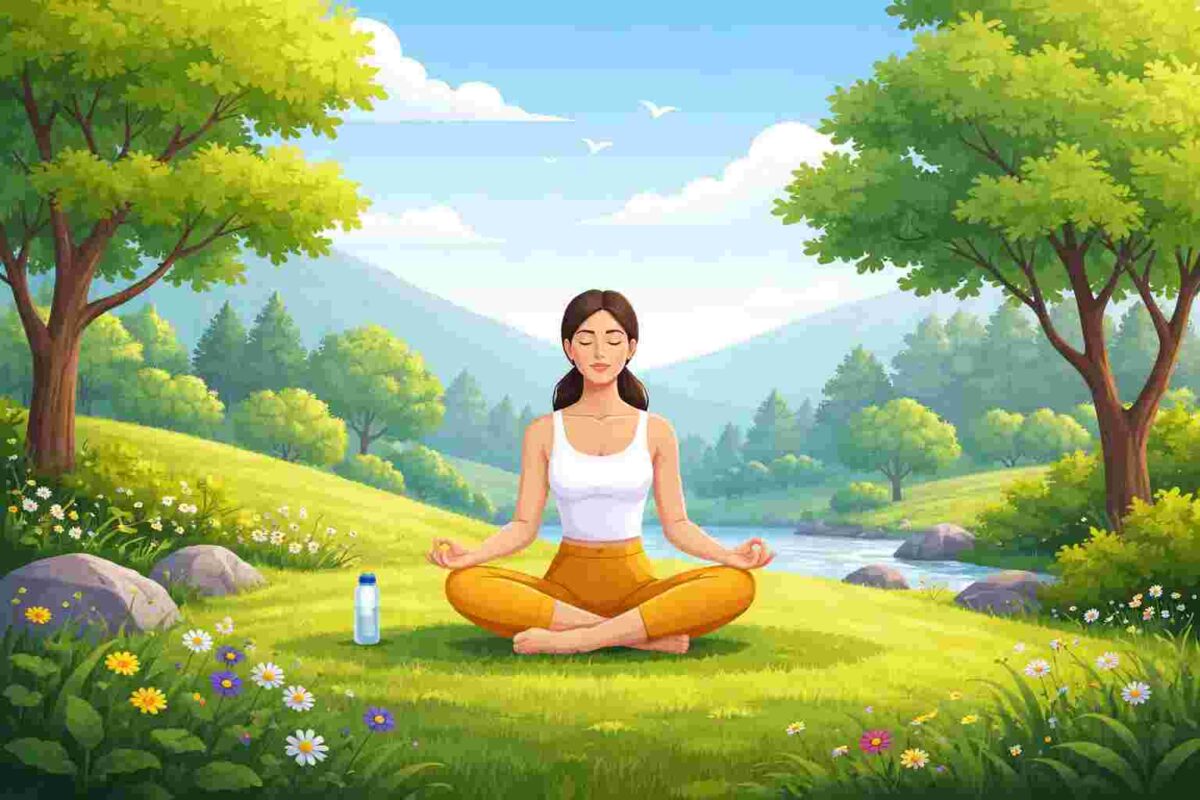
- Find a Comfortable Position: This can be sitting on a chair, on the floor, or lying down. Ensure that your back is straight and your body feels relaxed.
- Close Your Eyes: Gently close your eyes or soften your gaze to minimize distractions.
- Focus on Your Breath: Take deep breaths, inhaling through your nose and exhaling through your mouth. Pay attention to each breath, noticing how it feels.
As you continue, thoughts may arise. Acknowledge them without judgment and gently return your focus to your breath.
Exploring Loving-Kindness Meditation
Loving-kindness meditation, or Metta meditation, aims to cultivate an attitude of love and compassion toward oneself and others. This technique involves silently repeating phrases that convey goodwill, first toward yourself and then progressively towards others.
To practice loving-kindness meditation, begin with these phrases: “May I be happy. May I be healthy. May I be safe. May I live with ease.” After repeating these for yourself, gradually include friends, family, and eventually all living beings. This technique fosters empathy and compassion, extending the practice beyond personal mindfulness.
Incorporating Visualization Techniques
Visualization is another effective meditation technique where you create a mental image to focus on. This can be a serene landscape, your favorite vacation spot, or any peaceful setting. The practice encourages relaxation by engaging your imagination.
To practice visualization, close your eyes and take a few deep breaths. Begin to form a mental picture of your chosen scene. Focus on the sensory details: what you see, hear, and feel. This immersive experience can transport you away from daily worries and into a space of tranquility.
The Role of Breath Awareness in Meditation
Breath awareness is a fundamental aspect of many meditation techniques. It serves as an anchor, helping to bring your wandering mind back to the present moment. Observing your breath allows you to create a connection between your mind and body, promoting relaxation.
A typical breath awareness practice involves observing your breath without trying to change it. Notice its rhythm, how it feels as it enters and exits your body, and the sensations it creates. This deepens your connection to the present moment and enhances your overall meditation practice.
Understanding Common Challenges in Meditation
While meditation offers numerous benefits, practitioners may encounter various challenges. Common obstacles include restlessness, intrusive thoughts, or self-doubt as you try to maintain focus. Recognizing these challenges as part of the meditation journey is crucial.
It’s essential to approach these obstacles with patience and kindness. Instead of fighting against intruding thoughts, acknowledge them, then gently redirect your attention to your breath or your chosen focus point. This practice can transform perceived challenges into opportunities for deeper mindfulness.
Statistics on Meditation Benefits
Research highlights the benefits of meditation, with studies showing that mindfulness practices can reduce stress and enhance emotional regulation. For instance, a report published by the American Psychological Association indicates that mindfulness meditation can lead to a 40% reduction in symptoms of anxiety in participants.
Additionally, the National Institutes of Health states that regular meditation can enhance focus and attention, with studies revealing an average improvement of 23% in attentional control among meditators compared to non-meditators (source).
Alternative Meditation Techniques to Explore
Beyond the fundamental meditation techniques discussed, other approaches may suit various preferences. These can include:
- Transcendental Meditation (TM): Involves the silent repetition of a mantra for 15-20 minutes, typically practiced twice daily.
- Zen Meditation: Focuses on seated meditation, often with an emphasis on breath and observing thoughts without attachment.
Exploring these additional techniques can help you find a method that resonates with you, enriching your meditation journey.
Integrating Meditation into Daily Life
Incorporating meditation into your daily routine can enhance its effectiveness and ensure consistency. You can begin by setting aside a specific time each day dedicated to your practice, waking up a little earlier or reserving time in the evening.
Even brief moments of mindfulness can have a profound impact. For example, you might take a few minutes during your lunch break to practice deep breathing or spend a few moments in stillness before bed. The key is to find what works best for you and make it a natural part of your routine.
FAQs About Simple Meditation Techniques
1. How long should I meditate each day?
There is no set rule; even a few minutes can be beneficial. Starting with 5-10 minutes daily can help build your practice.
2. Can meditation help with anxiety?
Many studies suggest that meditation can effectively reduce anxiety symptoms and promote a general sense of well-being.
3. Do I need to sit cross-legged to meditate?
No, you can meditate in any comfortable position, whether sitting in a chair, on the floor, or even lying down.
4. Is it necessary to meditate at the same time every day?
While consistency helps, the most important aspect is to find a routine that fits your lifestyle, whether it’s mornings, afternoons, or evenings.
5. Are there guided meditation resources available?
Yes, several apps and websites offer guided meditation sessions, including Headspace and Calm, which can enhance your practice.