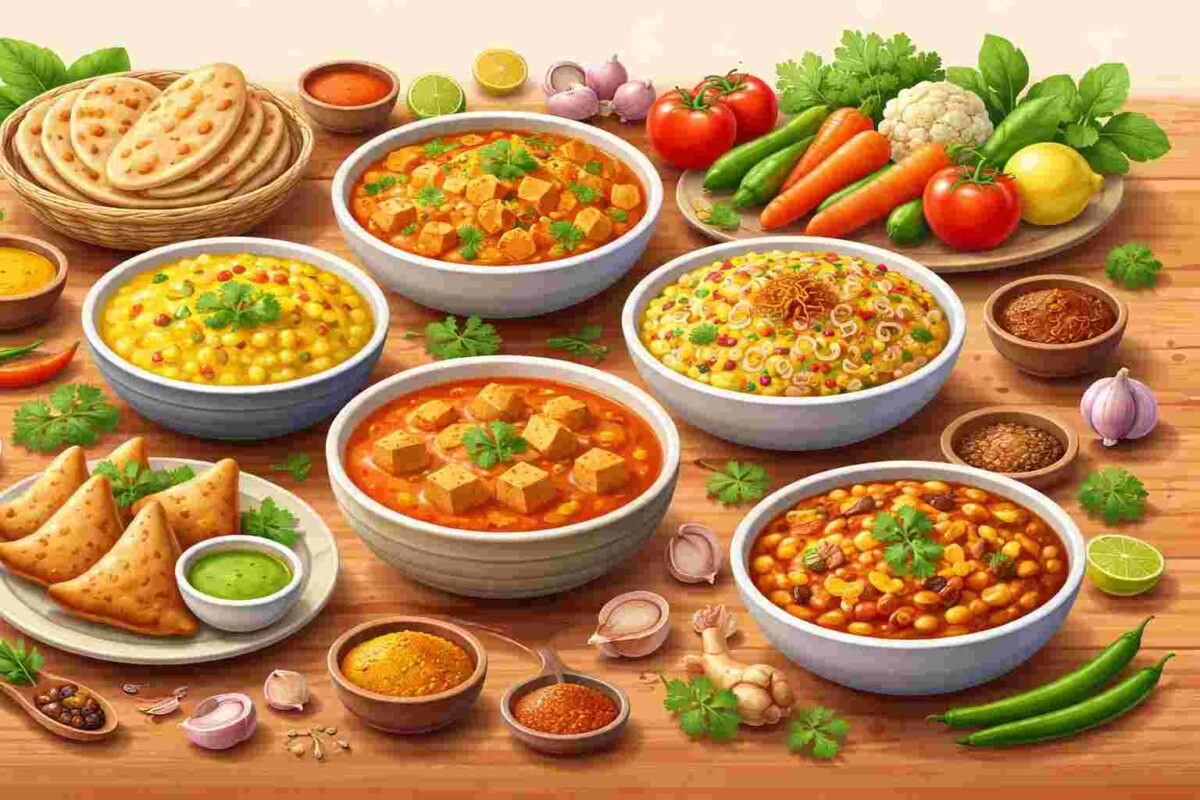
Indian vegetarian recipes showcase the vibrant tapestry of India’s culinary landscape. These dishes not only cater to a multitude of tastes but also embrace a rich cultural heritage. Vegetarianism in India is deeply intertwined with various religions, traditions, and lifestyles, making it a significant aspect of Indian cuisine. Understanding this diversity is crucial for anyone looking to explore the world of Indian vegetarian cooking.
Fundamentals of Indian Vegetarian Cooking
To truly appreciate and prepare Indian vegetarian recipes, one must grasp the fundamental principles and techniques involved. This section will establish a solid foundation for newcomers and experienced cooks alike.
Essential Spices and Ingredients
Spices are the heart of Indian cooking. Each spice contributes unique flavors and health benefits. Here are some essential spices that are often used in Indian vegetarian dishes:
- Cumin: Used in both whole and ground form; it adds warmth and depth to dishes.
- Coriander: Offers a citrusy flavor; seeds are often ground into a powder.
- Turmeric: Known for its anti-inflammatory properties, it gives curry its signature yellow color.
- Garam Masala: A blend of spices that elevates the flavor profile of many dishes.
- Mustard Seeds: Added to oil to create a fragrant base for stir-fries and curries.
Cooking Techniques Overview
Understanding basic cooking techniques is essential for executing Indian vegetarian recipes:
- Sautéing: A common method of cooking where vegetables are cooked quickly in a small amount of oil.
- Simmering: Utilized for making curries soups; it allows flavors to meld.
- Steaming: Often used for cooking rice or vegetables without losing nutrients.
- Frying: Includes deep frying and shallow frying, typically used for snacks and appetizers.
- Roasting: Enhances flavor through caramelization and is often done for spices or vegetables.
Common Kitchen Equipment
Having the right tools can significantly enhance your cooking experience:
- Pressure Cooker: Ideal for quick cooking of lentils and grains.
- Non-stick Pan: Useful for sautéing vegetables with minimal oil.
- Spice Grinder: Essential for grinding whole spices for fresh flavors.
- Mortar and Pestle: Great for crushing spices and making pastes.
- Deep Fryer: While not essential, it is useful for making traditional snacks.
Nutritional Benefits of Indian Vegetarian Dishes
Indian vegetarian recipes are packed with nutrients, providing numerous health benefits. This section delves into the nutritional value of ingredients and their impact on well-being.
Nutritional Value of Key Ingredients
Common ingredients found in Indian vegetarian recipes contribute significantly to health. Here’s a look at some:
- Lentils: A great source of protein, fiber, and iron; essential for vegetarian diets.
- Chickpeas: High in protein and low in fat, they are excellent for maintaining energy levels.
- Vegetables: Crucial for vitamins, minerals, and antioxidants; bright, seasonal vegetables enhance dishes.
- Whole Grains: Contribute to better digestive health due to their high fiber content.
- Nuts and Seeds: Provide healthy fats, proteins, and essential nutrients.
Impact on Health and Well-being
A vegetarian diet can lead to improved heart health, lower cholesterol levels, and reduced risk of chronic diseases.
Numerous studies have shown that vegetarian diets are associated with a lower risk of heart disease and certain types of cancer. Additionally, the fiber content from vegetables, legumes, and whole grains plays a critical role in digestive health.
Comparison with Non-Vegetarian Diets
When comparing vegetarian and non-vegetarian diets, one can observe various health benefits associated with vegetarianism, such as:
- Lower levels of saturated fat and cholesterol.
- Higher intake of fruits, vegetables, and whole grains.
- Potential for weight management and obesity prevention.
- Enhanced nutrient intake from diverse food sources.
- Reduced carbon footprint and environmental impact.
Diverse Regional Recipes Spotlight
India is known for its diverse culinary traditions, with each region offering unique vegetarian dishes. This section highlights some standout recipes from various regions.
North Indian Delicacies
North India is famous for its rich and hearty vegetarian dishes:
- Paneer Butter Masala: A rich tomato-based curry with paneer cubes.
- Aloo Gobi: A flavorful dish made with potatoes and cauliflower, seasoned with spices.
- Chole Bhature: Chickpea curry served with fried bread; a popular street food.
- Palak Paneer: Spinach and cottage cheese cooked in a creamy sauce.
- Dal Makhani: A slow-cooked black lentil dish enriched with cream.
South Indian Classics
South Indian cuisine offers lighter, yet flavorful vegetarian options:
- Idli: Steamed rice cakes, usually served with coconut chutney.
- Dosa: Crispy crepes made from fermented rice and lentil batter, filled with spiced potatoes.
- Sambar: A lentil-based vegetable stew, spiced with tamarind and served with rice or dosa.
- Rasam: A tangy tomato and tamarind soup enjoyed with rice.
- Vada: Spicy lentil donuts, often served with chutney.
East and West Indian Specialties
The eastern and western regions of India also add to the culinary diversity:
- Pakhala: A fermented rice dish from Odisha, served with fried vegetables.
- Misal Pav: A spicy sprout curry from Maharashtra, served with bread rolls.
- Baingan Bharta: Roasted and mashed eggplant cooked with spices; a staple in Punjab.
- Bhindi Masala: Spiced okra dish popular in Indian households.
- Rasgulla: A sweet dessert made from cottage cheese from Bengal.
Technical Cooking Methods for Indian Vegetarian Recipes
Specific cooking methods play a vital role in creating authentic Indian vegetarian recipes. Understanding how to use these techniques will enhance the final dish.
Slow Cooking Techniques
Slow cooking is ideal for deep flavor development. Dishes like Dal Makhani benefit greatly from prolonged cooking times, allowing spices to infuse the lentils thoroughly. The result is a creamy, rich flavor that cannot be rushed.
Pressure Cooking Advantages
Pressure cooking is commonly used in Indian kitchens for efficiently cooking legumes and grains. It significantly reduces cooking times while retaining nutrients. For example, cooking Chana Dal in a pressure cooker takes under 15 minutes compared to almost an hour using traditional methods.
Use of Tandoors and Grills
Tandoors provide unique flavors that are hard to achieve through other cooking methods. For instance, vegetarian tandoori dishes like Tandoori Paneer are marinated in spices and yogurt, then cooked in a tandoor for a smoky flavor.
Economic Impact of Vegetarian Diets in India
The vegetarian food industry in India not only nurtures health but also plays a crucial role in the economy. Understanding this impact helps appreciate the broader implications of vegetarian diets.
Market Distribution and Reach
The vegetarian food sector is witnessing exponential growth, with a significant portion of India’s population adhering to a vegetarian diet. Reports indicate that the vegetarian food market is projected to reach $38 billion by 2025.
Employment in the Food Sector
As the demand for vegetarian food increases, so does the need for labor in restaurants, production, and distribution. The growth of the vegetarian industry has led to the creation of thousands of jobs, benefiting local communities.
Growth of Vegetarian Food Products
Innovative plant-based products have emerged, catering to vegetarian and vegan consumers. Growth in this segment suggests a long-term shift in consumer preferences, opening avenues for businesses focusing on vegetarian offerings.
Risks and Considerations in Vegetarian Cooking
While there are extensive benefits to vegetarianism, there are also challenges and risks to consider. Understanding these can prepare one for a more successful transition.
Nutritional Deficiencies
One potential drawback of a vegetarian diet is the risk of nutritional deficiencies, particularly in vitamin B12, iron, and omega-3 fatty acids. It’s vital for vegetarians to source these nutrients through fortified foods or supplements.
Sourcing Challenges
Accessing high-quality vegetarian ingredients can sometimes be challenging, particularly in rural or remote areas. Ensuring a variety of fresh, seasonal produce is essential for diverse meal planning.
Cooking Time Considerations
Some vegetarian recipes can require lengthy preparation and cooking times. It’s essential to plan meals in advance, especially when dealing with ingredients like legumes that need soaking and prolonged cooking.
Comparative Analysis of Vegetarian Recipes
Comparing vegetarian recipes to their non-vegetarian counterparts highlights key differences and can guide dietary choices.
Ingredient Cost Comparison
Overall, vegetarian dishes often have lower ingredient costs compared to meat dishes. For instance, lentils and vegetables are generally more affordable than meat, making vegetarian options budget-friendly.
Taste and Flavor Profiles
While some may argue that non-vegetarian meals offer more complex flavors, innovative seasoning and cooking techniques allow vegetarian recipes to shine. Many vegetarian dishes harness aromatic spices effectively, creating rich flavor profiles.
Preparation Time Comparison
| Dish Type | Preparation Time (minutes) | Cooking Time (minutes) |
|---|---|---|
| Vegetarian Curry | 15 | 30 |
| Non-Vegetarian Curry | 20 | 40 |
| Rice Pilaf | 10 | 20 |
| Meat Dish | 15 | 45 |
Statistics and Trends in Vegetarian Diets
Understanding the shift towards vegetarian diets can provide insights for potential cooks and consumers alike. Observing recent trends is essential for grasping the industry landscape.
Market Growth Rates
The vegetarian food market is expanding rapidly, with statistics showing a projected annual growth rate of 8.4%. This indicates a robust demand for vegetarian products as more individuals embrace plant-based living.
Demographic Consumption Patterns
A study revealed that approximately 30% of the Indian population identifies as vegetarian. Young adults and urban dwellers are increasingly aligning with this trend, signaling a shift in dietary preferences.
Health Impact Statistics
Research indicates that vegetarian diets can lower the risk of chronic diseases by up to 25%. Adopting vegetarian meals leads not only to personal health benefits but also contributes positively to community health.
Case Studies of Successful Vegetarian Recipes
Exploring real-world applications of vegetarian recipes underscores their importance in health transformation and community well-being.
Community Cooking Initiatives
In various urban areas, community kitchen projects focusing on vegetarian recipes have emerged. These initiatives provide nutritious meals while promoting the benefits of vegetarianism and fostering communal bonds.
Individual Health Transformations
Case studies illustrate individuals experiencing significant health improvements after adopting vegetarian diets. For example, a participant lost over 20% of body weight in six months, improving overall health and vitality.
Restaurant Success Stories
Several vegetarian restaurants have gained accolades for their innovative menus. One notable example saw a 50% increase in turnover after introducing a diverse range of vegetarian dishes, highlighting the market demand.
Future Trends in Vegetarian Culinary Practices
As the vegetarian industry evolves, several trends are expected to shape the culinary landscape.
Emerging Ingredients and Techniques
Future innovations in vegetarian cooking may include plant-based proteins and alternative grains. Ingredients like quinoa and millets are gaining traction due to their sustainability and health benefits.
The Role of Technology in Cooking
With the rise of technology, home cooking is becoming more accessible. Smart kitchen appliances facilitate cooking, allowing for precise control of cooking temperatures and times.
Sustainable Practices in Vegetarian Cooking
As awareness about environmental sustainability grows, many are shifting towards localized sourcing of ingredients. This trend promotes the use of seasonal produce, reducing the carbon footprint.
Frequently Asked Questions (FAQs)
In this section, we answer common questions regarding Indian vegetarian recipes and cooking methods to provide clarity for readers.
What are the staples of a vegetarian Indian diet?
A vegetarian Indian diet is largely centered around staples such as rice, lentils, vegetables, and whole grains. Additionally, dairy products like paneer, yogurt, and ghee play a significant role. These ingredients together create a balanced diet rich in proteins, fibers, and essential vitamins.
How can I make vegetarian dishes more flavorful?
Improving flavor in vegetarian dishes can be accomplished through the use of spices, fresh herbs, and marinades. Experimenting with garlic, ginger, and fresh coriander can elevate your dishes significantly. Furthermore, techniques like roasting vegetables can enhance their natural sweetness and depth.
Are Indian vegetarian recipes suitable for all diets?
While Indian vegetarian recipes can be adapted to suit various dietary preferences, it’s essential to consider individual restrictions, such as allergies or dietary goals. Many dishes are naturally gluten-free or can be made vegan. However, always check specific ingredients before serving.
What are some quick vegetarian recipes?
For those short on time, there are numerous quick vegetarian recipes such as vegetable stir-fry, quick lentil soup, or vegetable pulao. These dishes can be prepared in under 30 minutes and still offer rich flavors and nutrients.
How can I adapt traditional recipes for vegetarian diets?
Adapting traditional recipes to vegetarian versions often involves substituting meat with plant-based proteins such as beans, lentils, or tofu. Additionally, one could experiment with vegetable broths or stocks to maintain flavor profiles while keeping dishes vegetarian.
Where can I find quality vegetarian ingredients?
Quality vegetarian ingredients can often be found in local markets or specialty grocery stores. Furthermore, online retailers that specialize in organic and natural foods offer a wide range of vegetarian options, including hard-to-find spices and legumes.
Conclusion: Celebrating Indian Vegetarian Cuisine
The rich heritage of Indian vegetarian cuisine offers unlimited exploration and enjoyment. From its robust flavors to its health benefits, vegetarian recipes not only reflect cultural traditions but also adapt to modern lifestyles. As individuals and families embrace vegetarianism, they open doors to a sustainable, rewarding way of living. We encourage readers to delve deeper into these exciting dishes, bringing new dimensions to their culinary experiences and exploring the vast world that is Indian vegetarian cuisine.