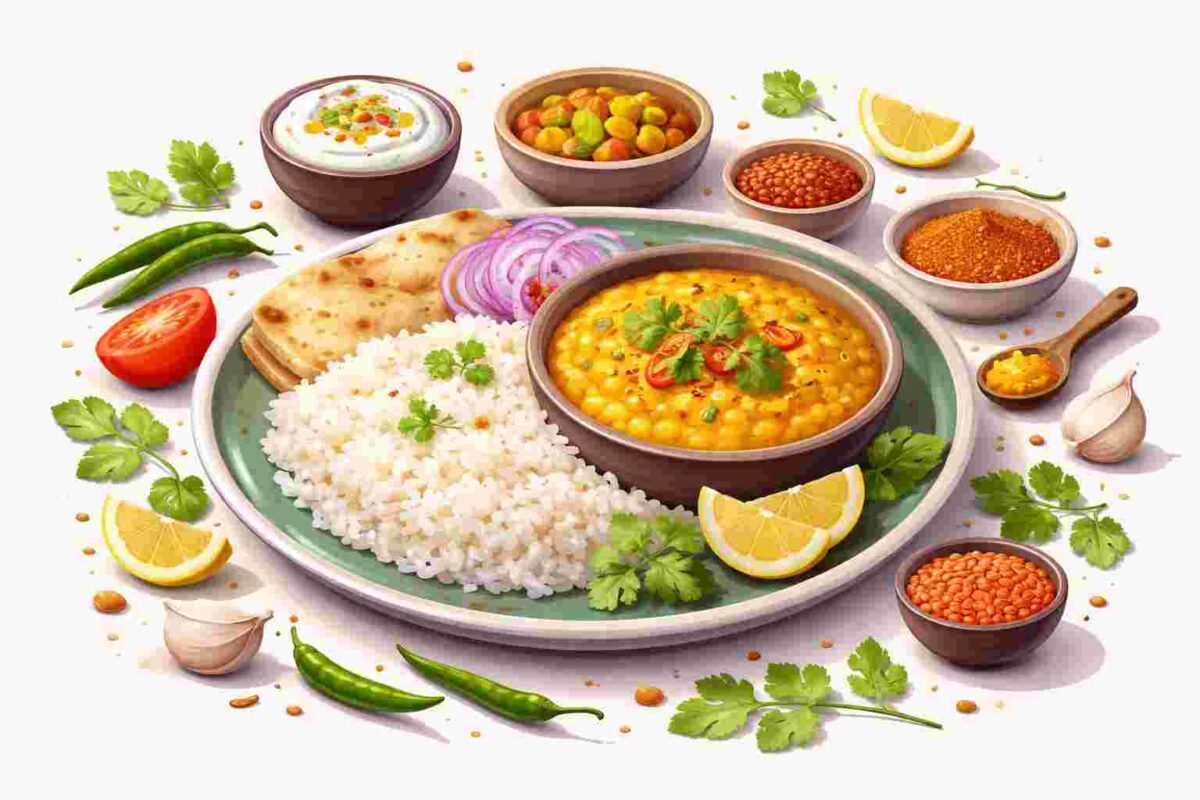
When it comes to staples of Indian cuisine, few dishes are as beloved as dal rice. Dal rice variations represent not only a nutritious meal but also a culinary tradition that has been cherished across families and cultures for generations. This comprehensive guide delves into the richness of dal rice, unraveling its historical significance, preparation techniques, health benefits, innovative recipes, and the cultural impact it holds both locally and globally.
Understanding Dal and Rice: Origins and Varieties
The significance of dal and rice transcends mere sustenance; it embodies a story of agricultural practices, cultural heritage, and nutritional balance. Let’s explore the origins and varieties of these essential components of Indian cuisine.
Historical context of dal and rice
Dal and rice have been staples in South Asian diets for thousands of years. Historical texts suggest that dal has been consumed since the Vedic period, around 1500-500 BCE. The cultivation of pulses and rice can be traced back to ancient civilizations, making these ingredients integral to the dietary practices and cultural narratives of many communities.
Different types of dal
- Toor Dal (Pigeon Pea)
- Masoor Dal (Red Lentil)
- Chana Dal (Bengal Gram)
- Mung Dal (Green Gram)
- Urad Dal (Black Gram)
- Dal Makhani (Black Lentils)
Each type of dal contributes unique flavors and nutritional benefits, offering a variety of options for different recipes and dietary requirements.
Rice varieties and their unique characteristics
- Basmati Rice (Aromatic and long-grained)
- Jasmine Rice (Fragrant and sticky)
- Brown Rice (Whole grain with higher fiber)
- Parboiled Rice (Partially boiled in the husk)
- Basmati Brown Rice (Nutty flavor and rich nutrients)
- Sona Masuri Rice (Medium-grain, soft texture)
The choice of rice can alter the texture, taste, and nutritional profile of dal rice, making the pair infinitely adaptable to personal preferences.
Preparation Techniques for Perfect Dal Rice
Preparing dal rice might seem straightforward, but mastering the techniques can significantly enhance the flavors and overall dining experience. This section outlines effective methods for cooking dal and rice to achieve perfection.
Traditional cooking methods
- Pressure Cooking: Ensures quick cooking while preserving nutrients.
- Stovetop Simmering: Ideal for controlling the thickness and texture of dal.
- Slow Cooking: Enhances flavor infusion over extended periods.
- Tempering: Adding spices to hot oil before mixing with dal adds depth to the dish.
- Steaming: A gentle cooking method for rice that preserves texture.
- Soaking: Reduces cooking time and enhances nutrient absorption.
Modern cooking appliances
- Instant Pot: Combines pressure cooking and slow cooking in one appliance.
- Rice Cooker: Automates the perfect cooking of rice with minimal oversight.
- Air Fryer: A non-traditional, healthy way to prepare crispy dal fritters.
- Crock-Pot: Ideal for making flavored dal soups over time.
Balancing spices and flavors
The magic of dal lies in its spices. The following spices are commonly used to enhance flavor:
- Cumin
- Coriander
- Tumeric
- Garam Masala
- Red Chili Powder
- Asafetida (Hing)
- Mustard Seeds
Experimenting with these spices can lead to a dynamic flavor palate in your dal rice dishes.
Health Benefits of Dal Rice Combinations
Dal rice is not just a comfort food; it yields numerous health benefits that make it a perfect choice in many diets. Understanding nutritional profiles is essential for those seeking a balanced lifestyle.
Protein content comparisons
In terms of protein quality, the combination of dal and rice is exceptional. Together, they create a complete protein source containing all essential amino acids. For instance, a typical serving of dal (about 100g) contains approximately 20g of protein, while rice provides additional protein contributing to overall intake.
Vitamins and minerals profile
Dal and rice provide multiple vitamins and minerals:
- Iron
- Magnesium
- Potassium
- B Vitamins
- Folic Acid
- Zinc
This powerful combination enhances immunity, promotes heart health, and aids in energy production.
Dietary fiber advantages
High in dietary fiber, dal rice not only aids digestion but also helps maintain a healthy gut microbiome. A 100g serving of cooked dal can provide about 8g of fiber, which is beneficial for weight management and reduction of cholesterol.
Innovative Dal Rice Variations: Recipes to Try
The versatility of dal rice allows endless combinations and interpretations. Here we explore inventive recipes catering to various dietary preferences.
Vegan and vegetarian options
- Spinach Dal Rice: With mashed spinach and cumin tempering, this recipe elevates traditional flavors.
- Vegan Dal Makhani: A creamy version using coconut milk instead of cream.
- Vegetable Pulao with Moong Dal: Incorporating a rainbow of vegetables enhances nutrition and flavor.
- Chickpea Dal: A protein-rich blend with spices and chickpeas.
Low-carb alternatives
- Zucchini Rice with Mung Dal: A healthy twist using grated zucchini.
- Cauliflower Rice and Urad Dal: A lower-carb option without compromising taste.
- Shirataki Rice with Masoor Dal: A Japanese konjac-based alternative.
- Spaghetti Squash & Chana Dal Stir-Fry: A unique fusion that is low-carb and protein rich.
Regional specialties
- Kolhapuri Dal Rice: Known for its robust spices and flavors.
- Punjabi Dal Tadka: A famous dish combining dal and rice with rich butter.
- Hyderabadi Biryani: A fragrant rice preparation complemented with dal.
- Kerala Dal Curry: Infused with coconut milk, offering a tropical twist.
Cultural Impact and Global Popularity of Dal Rice
The rise of dal rice on the global culinary scene reflects a shift in dietary preferences and health consciousness. The cultural impact and market penetration can be observed on various levels.
Growing popularity in Western markets
In recent years, dal rice has transitioned from traditional Indian kitchens to upscale restaurants and cafes around the world. This move is partly influenced by the growing vegan and vegetarian trends that promote plant-based nutrition. In the U.S., the global pulse market is projected to reach $27 billion by 2026, highlighting the demand for dal offerings.
Restaurants and cafes promoting dal rice
Restaurants, particularly in urban areas, have embraced dal rice dishes in their menus, adapting traditional recipes to suit local tastes without losing authenticity. This adaptation works well as a sustainable option, as restaurants increasingly seek to cater to the health-conscious consumer.
Impact on local economies
The increasing demand for dal rice has a tangible impact on farming and processing sectors, particularly in regions known for pulse and rice production. Investing in local agriculture supports communities economically, fostering both livelihood and heritage preservation.
Comparative Analysis: Traditional vs. Modern Dal Rice Recipes
With the rise of technology and changing consumer preferences, traditional recipes often face competition from modern adaptations. Understanding these differences is key for culinary enthusiasts.
Ingredient sourcing and sustainability
While traditional recipes focus on locally sourced ingredients, modern interpretations often incorporate international ingredients to enhance flavor. This can lead to increased biodiversity but raises concerns over environmental sustainability, as some ingredients may have a high carbon footprint.
Flavor differences
Modern recipes sometimes modify spice levels and cooking methods to appeal to a broader audience. In contrast, traditional recipes emphasize authentic regional flavors, which can vary widely, adding depth to culinary culture.
Cooking time and complexity
Modern cooking appliances have reduced the cooking time significantly, allowing busy individuals to prepare meals quickly without sacrificing flavors.
| Aspect | Traditional Dal Rice | Modern Dal Rice |
|---|---|---|
| Ingredient Sourcing | Locally sourced | Global ingredients |
| Flavor Authenticity | High | Variable |
| Cooking Time | Longer | Shorter |
| Cooking Methods | Stovetop and slow | All modern appliances |
| Complexity | High | Moderate |
Market Trends and Statistics in Dal Consumption
The market for dal and rice has seen considerable growth, and understanding these trends can help businesses identify opportunities. According to a recent report, the demand for pulses in North America is expected to increase by over 25% by 2025, reflecting the shift toward healthier eating.
Global consumption rates
In Asia alone, rice consumption accounts for approximately 50% of daily caloric intake, demonstrating the staple’s significance. Meanwhile, beans and lentils, which comprise the dal category, are gaining traction, with an average growth rate of 11% annually.
Market growth projections
It’s projected that the global processed lentils market will increase to $24.67 billion by 2027, driven by rising consumer awareness regarding plant-based proteins. Local farmers are also expected to benefit from this shift, opening avenues for sustainable agriculture.
Case Studies: Successful Dal Rice Ventures
Real-world examples spotlight businesses that have achieved remarkable success with innovative dal rice offerings.
Restaurant success stories
A renowned Indian restaurant in New York City launched a fusion menu combining traditional dal with quinoa, leading to a 40% increase in patronage within one year. This creative approach attracted health-conscious customers and sparked interest in Indian cuisine.
Event catering with dal rice
Catering companies specializing in Indian cuisine have successfully incorporated bespoke dal rice dishes into their offerings. One such company reported a 30% increase in client requests for customized Indian menus, illustrating the growing appeal of this versatile dish.
Online cooking classes impact
With the rise of digital platforms, chefs offer online classes focusing on dal rice, attracting a global audience. A chef presented a series of classes that generated revenue growth of nearly 60% within eight months, testifying to the dish’s international appeal.
Future Trends in Dal Rice Cuisine
The culinary landscape evolves, and dal rice is likely to witness several innovations in the coming years. Exploring potential trends can inspire home cooks and chefs alike.
Emerging flavors and ingredients
As consumers demand more exotic tastes, ingredients like miso paste and nutritional yeast are finding their way into dal recipes, creating novel flavor profiles.
Technological advancements in cooking
Smart kitchen gadgets are increasingly popular, allowing for precision cooking. Appliances that monitor ingredient quality and set cooking times are anticipated to revolutionize how dal rice is prepared.
Global fusion concepts
Fusion cuisine blending diverse gastronomic influences is on the rise. Expect to see dishes that integrate dal rice with global flavors, such as Mediterranean or Thai components.
Frequently Asked Questions About Dal Rice
How to select the best dal?
Selecting the best dal involves checking for quality and freshness. Look for whole dal instead of split grains when possible, as they retain more nutrients. Check packaging dates and go for organic options where feasible. For optimal cooking, rinse thoroughly to eliminate excess starch and potential contaminants.
What are quick cooking options for dal rice?
Using a pressure cooker is a favorite choice for quick dal preparation, as it reduces cooking time significantly. Ready-to-use packaged dal is also a great alternative for a hassle-free meal. If you prefer cooking rice quickly, try soaking it beforehand or using a rice cooker that manages cooking times automatically.
Can dal rice be a complete meal?
Yes, dal rice is a complete meal, especially as it combines protein, carbohydrates, and essential nutrients. Include vegetables alongside to enhance micronutrient content further and create a more balanced dish. This makes dal rice an excellent option for vegetarians and vegans.
How to store cooked dal rice?
Proper storage of cooked dal rice can maintain freshness and flavor. Store in airtight containers in the refrigerator; it generally lasts up to 4-5 days. For longer storage, freezing is an excellent option that can extend life up to 3 months. Thaw and reheat thoroughly before consumption.
What are common pairings with dal rice?
Dal rice pairs well with various accompaniments. Common pairings include:
- Raita (yogurt-based side)
- Pickles for tanginess
- Fried papad (crispy lentil wafers)
- Vegetable curry
- Salad for freshness
- Chutney for extra flavor
Are there gluten-free options available?
Dal rice is inherently gluten-free, making it an excellent option for those with gluten sensitivities. Always check that additional ingredients, like spices and packaged mixes, are certified gluten-free to avoid cross-contamination. Many communities also offer gluten-free versions that cater to dietary needs.
Wrapping Up: The Versatile World of Dal Rice
Dal rice is more than just a dish; it represents the richness of cultural heritage and nutritional wisdom. As explored in this guide, the combinations and variations are limitless. From traditional recipes to modern adaptations, there’s always something new to discover. Embrace the versatility of dal rice by experimenting with different ingredients and techniques, making every meal deliciously unique.
In conclusion, whether you enjoy the deep-rooted traditions or want to explore new culinary adventures, the world of dal rice variations awaits your explorations and creativity.