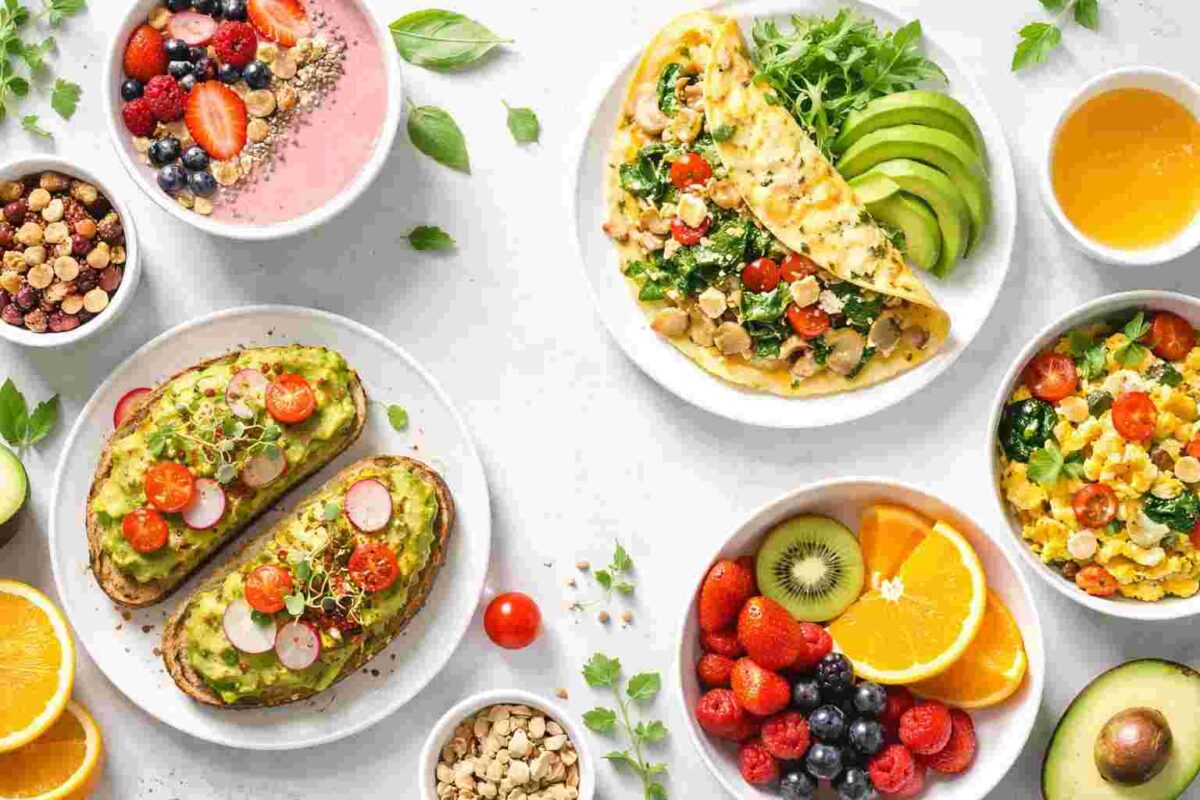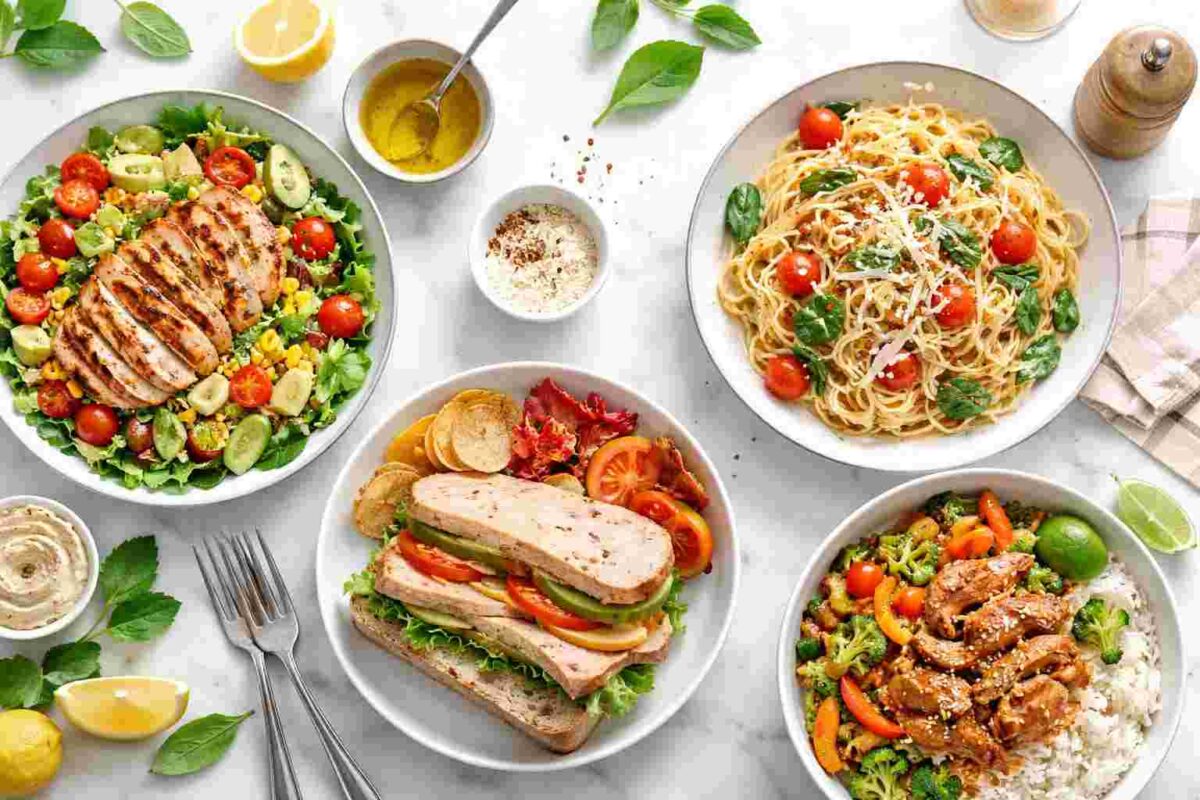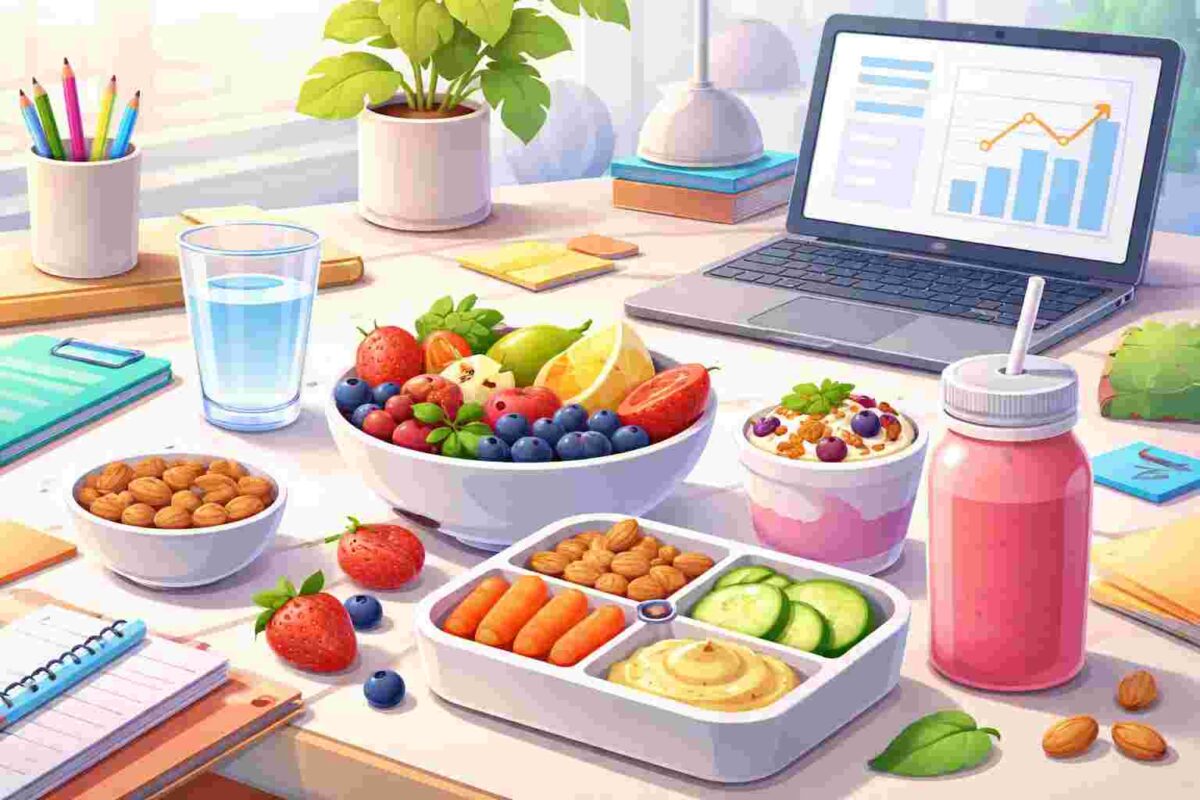
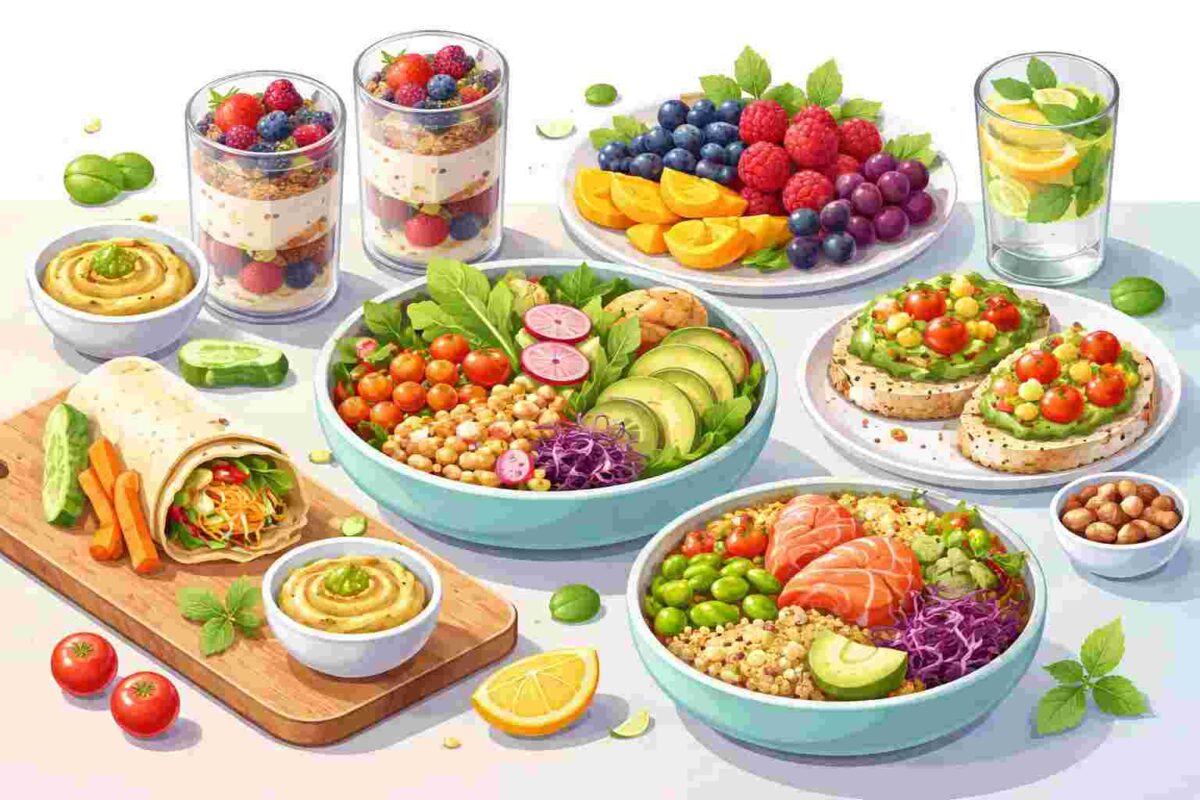
In today’s fast-paced lifestyle, the need for no cook healthy meals has become essential. These meals are not only convenient but also provide significant health benefits, allowing individuals and families to maintain a nutritious diet without the time-consuming preparation associated with traditional cooking.
Understanding No Cook Healthy Meals
No cook healthy meals refer to a category of food that can be prepared without any cooking process. This might include dishes that consist of raw ingredients or items that simply require assembly. They can be diversified into a variety of options, making them appealing to different dietary preferences and restrictions.
Definition and Types
- Raw salads and vegetables.
- Cold sandwiches and wraps.
- Smoothies and smoothie bowls.
- Overnight oats and yogurt parfaits.
- Canned or pre-cooked proteins paired with fresh vegetables.
Nutritional Benefits
Nutritionally, no cook meals can offer substantial benefits, as they often retain the natural vitamins and minerals found in their raw state. Notably, they tend to have fewer processed ingredients, promoting better digestive health.
Common Ingredients
- Fresh vegetables (spinach, cucumbers, bell peppers).
- Whole grains (quinoa, brown rice).
- Fruits (berries, bananas, apples).
- Dairy or dairy alternatives (yogurt, cheese).
- Nuts and seeds (almonds, chia seeds).
Nutritional Principles Behind No Cook Meals
To understand how to create balanced no cook meals, we must consider essential nutritional principles, including the balance of macronutrients and micronutrients.
Macronutrient Balance
- Carbohydrates: Whole grains and fruits for energy.
- Proteins: Legumes, nuts, and dairy for muscle repair.
- Fats: Avocados and oily fish for healthy fat intake.
- Fiber: Vegetables and whole grains to aid digestion.
- Hydration: Fresh fruits and vegetables with high water content.
Essential Vitamins and Minerals
Vitamins and minerals play crucial roles in our diet. No cook meals can be particularly rich in:
- Vitamin C from fresh fruits and vegetables.
- Vitamin B complex from whole grains and nuts.
- Magnesium from leafy greens and seeds.
- Iron from legumes and dark leafy vegetables.
- Calcium from dairy products and fortified alternatives.
Meal Planning Basics
When planning no cook meals, consider these tips:
- Incorporate a variety of colors from fruits and vegetables.
- Balance macronutrients for satiety.
- Use meal prep containers to keep ingredients organized.
- Experiment with flavors by using herbs and spices.
- Schedule weekly meals to ensure variety and prevent monotony.
Time-Saving Advantages of No Cook Meals
Embracing no cook meals not only enhances health but also significantly reduces time spent in meal preparation.
Reduced Meal Prep Time
- Preparation can often be completed in under 15 minutes.
- Fewer dishes to clean, making after-meal clean-up quicker.
- Less time spent cooking leads to lower overall kitchen time.
- Increased efficiency when feeding families with diverse tastes.
- Convenience for spontaneous meal decisions.
Convenience for Busy Lifestyles
With emerging statistics showing that approximately 60% of families report schedule-related stress, no cook meals serve as a practical solution. As noted by research from the National Institute of Health, the average American spends less than 30 minutes per day preparing food. This trend enhances the appeal of quick meal solutions.
Impact on Family Time
- More time for relaxation or family activities post-meal.
- Encourages engaging children in the task of assembling meals.
- Facilitates dining together, improving family bonds.
- Promotes healthier conversations around nutrition and healthy eating habits.
- Reduces tension that can arise from cooking-related time constraints.
Market Trends in No Cook Healthy Meals
The market for no cook meals has seen substantial growth. Reports indicate a growth rate of 17% annually in this sector, reflecting shifting consumer preferences toward convenience and health.
Market Growth Statistics
According to a recent report by Grand View Research, the no cook and ready-to-eat meal segment is projected to reach a market size of $115 billion by 2028. These statistics underline the growing trend toward healthier, quicker meal solutions.
Demographic Preferences
- Millennials prefer versatile, customizable meal options.
- Health-conscious consumers gravitate toward raw ingredients and plant-based options.
- Families with young children favor easy-to-prepare snacks.
- Busy professionals seek meals that fit easily into a hectic schedule.
- Older adults value the simplicity and ease of no cook options.
Future Projections
With the increasing emphasis on wellness and nutrition, no cook meals are expected to further grow in prevalence. Market analysts believe visibility will enhance due to the rising appeal of meal kits and health-focused subscriptions.
Real-World Applications of No Cook Meals
Let’s examine a case study of a family integrating no cook meals into their routine and the resulting health outcomes.
Case Study Overview
The Johnson family, consisting of four members, was struggling with time management in their meal preparation while attempting to eat healthier. After adopting no cook meals, they noticed significant changes in their eating habits, energy levels, and family dynamics.
Implementation Strategies
- Creation of a weekly meal menu emphasizing no cook options.
- Stocking the pantry with pre-prepared bases (e.g., pre-cooked grains).
- Encouraging meal participation among family members, increasing engagement.
- Using online resources to discover simple no cook recipes.
- Incorporating a variety of cuisines to maintain interest.
Measurable Outcomes
After six months, the Johnsons reported an increase in energy levels and a decrease in the frequency of fast-food meals. Their children exhibited improved dietary habits, and family meal times transformed into a refreshing occasion, decreasing dependency on convenience foods.
Potential Risks and Limitations
As beneficial as no cook meals can be, it’s important to address their potential downsides.
Nutritional Deficiencies
- Relying too heavily on no cook meals may lead to insufficient cooked food nutrients.
- Certain food groups, like legumes, may not always be safe to consume raw.
- A lack of heat can sometimes limit the versatility of some ingredients.
- Some individuals may unknowingly consume unbalanced meals.
- People with specific dietary needs need to be aware of their nutritional intake closely.
Food Safety Concerns
Food safety is a crucial consideration. Raw ingredients, like meats and certain vegetables, need proper handling to avoid foodborne illnesses. Washing produce thoroughly and managing storage temperatures is essential. Guidelines from the USDA can provide further precautionary measures for food safety.
Variety and Monotony Challenges
- Repeatedly consuming the same options can lead to meal fatigue.
- Finding innovative and exciting combinations can become challenging.
- Family members may differ in preferences, creating conflict during meal choices.
- There is potential for creativity stagnation in meal preparation.
- Strict adherence to no cook meals can leave out seasonal or local delights.
Comparative Analysis of No Cook vs. Cooked Meals
To understand the implications of adopting no cook meals, comparing them to traditional cooked meals is vital.
| Aspect | No Cook Meals | Cooked Meals |
|---|---|---|
| Nutritional Content | High in vitamins, low in processed items | May contain added fats, but more variety |
| Preparation Time | 15 minutes on average | 30-60 minutes on average |
| Cost | Often lower, with fewer ingredients | Can be higher due to cooking ingredients |
| Flavor Complexity | Limited, based on raw ingredients | Higher, due to cooking techniques |
| Variety | Potential for monotony | Endless possibilities based on cooking methods |
Frequently Asked Questions about No Cook Meals
What are the best no cook meal ideas?
Some excellent no cook meal ideas include a variety of salads featuring greens paired with protein like chickpeas or grilled chicken, yogurt parfaits layered with fruits and granola, and wraps made with whole grain tortillas loaded with veggies and spreads. Smoothies made with your favorite fruits, leafy greens, and a protein source such as Greek yogurt are fantastic for breakfast or snacks.
Mixing colors and textures can add visual appeal and enhance flavor profiles. Considering different cuisines, like Mediterranean or Asian influences, allows you to explore delightful flavor combinations while sticking to no cook principles.
How can I ensure balanced nutrition?
To ensure balanced nutrition while preparing no cook meals, pay close attention to including all macronutrients: proteins, fats, and carbohydrates. Items like quinoa provide complex carbohydrates and protein, nuts provide healthy fats, and a variety of vegetables contribute vitamins and minerals.
Additionally, using a colorful array of fruits and vegetables can ensure a good spectrum of nutrients. Tracking your meals using a nutritional app can further enhance your ability to ensure that you’re meeting your dietary requirements.
Are there any meal prep tips?
Meal prep for no cook meals can begin with organizing your pantry. Stock essentials like canned beans, nuts, and grains that require minimal preparation time. Prepare portions of fruits and vegetables in advance for easy access. Labeling containers can save time during busy days.
Additionally, consider investing in good quality containers to help keep ingredients fresh and accessible. Creating a flexible meal plan that allows for variations can contribute to a greater sense of enjoyment in your food without the stress of complicated cooking tasks.
What ingredients should I keep on hand?
Essential ingredients for no cook meals include an array of whole grains, mixed greens, assorted seasonal vegetables, fruits, nuts, and seeds. Having a solid selection of canned goods, such as tuna or chickpeas, provides nutritious options without the need for cooking. A good supply of dairy or dairy alternatives can also enhance meal variety.
It is beneficial to rotate ingredients regularly to maintain freshness and utilize what’s in-season. This provides a delicious exploration of flavors while encouraging a balanced diet.
How do no cook meals fit into weight loss plans?
No cook meals can fit seamlessly into weight loss plans as they often consist of whole, unprocessed foods that provide greater satiety. By choosing nutrient-dense options like fruits, vegetables, whole grains, and protein sources, individuals can create satisfying meals without the excess calories that sometimes accompany cooked meals contributed by added fats and sugars.
Monitoring portions and opting for lower-calorie yet nutritious items can aid in weight-loss efforts. Always combine these meals with an active lifestyle for optimal results.
Can I make these meals for kids?
Absolutely! No cook meals are fantastic for kids. Their playful nature often thrives on hands-on preparation, making meal assembly an enjoyable experience. Consider engaging them in the process; whether layering their yogurt parfaits or building their sandwiches, it’s a perfect opportunity to teach them about healthy choices.
Involve them in selecting their favorite ingredients or experimenting with new flavors. This engagement can reduce mealtime struggles and help cultivate a positive relationship with food.
Conclusion and Future of No Cook Healthy Meals
Embracing no cook healthy meals offers a wealth of benefits including time savings, improved nutritional intake, and greater family unity around meal preparation. As we move forward into a more health conscious society, the popularity of these meals is projected to increase significantly.
Emerging Trends
The rise of subscription meal kits and health-conscious ready-made options caters directly to today’s busy consumers. Innovations in packaging and ingredient sourcing will continue to enhance the availability of fresh, convenient foods.
Sustainability Considerations
As sustainability grows in significance, no cook meals can play a role in reducing food waste through the use of fresh produce and ingredients. The reduction of energy consumption associated with cooking processes reinforces their appeal in an environmentally-conscious marketplace.
The Role of Technology in Meal Planning
Technology continues to impact meal planning and preparation. Apps and websites that promote healthy no cook recipes are transforming the approach to family meals. Utilizing these resources can streamline the process and encourage healthier eating habits.
In conclusion, the future of no cook healthy meals is bright and promising, marking a significant trend in nutrition that marries convenience with healthy living.