
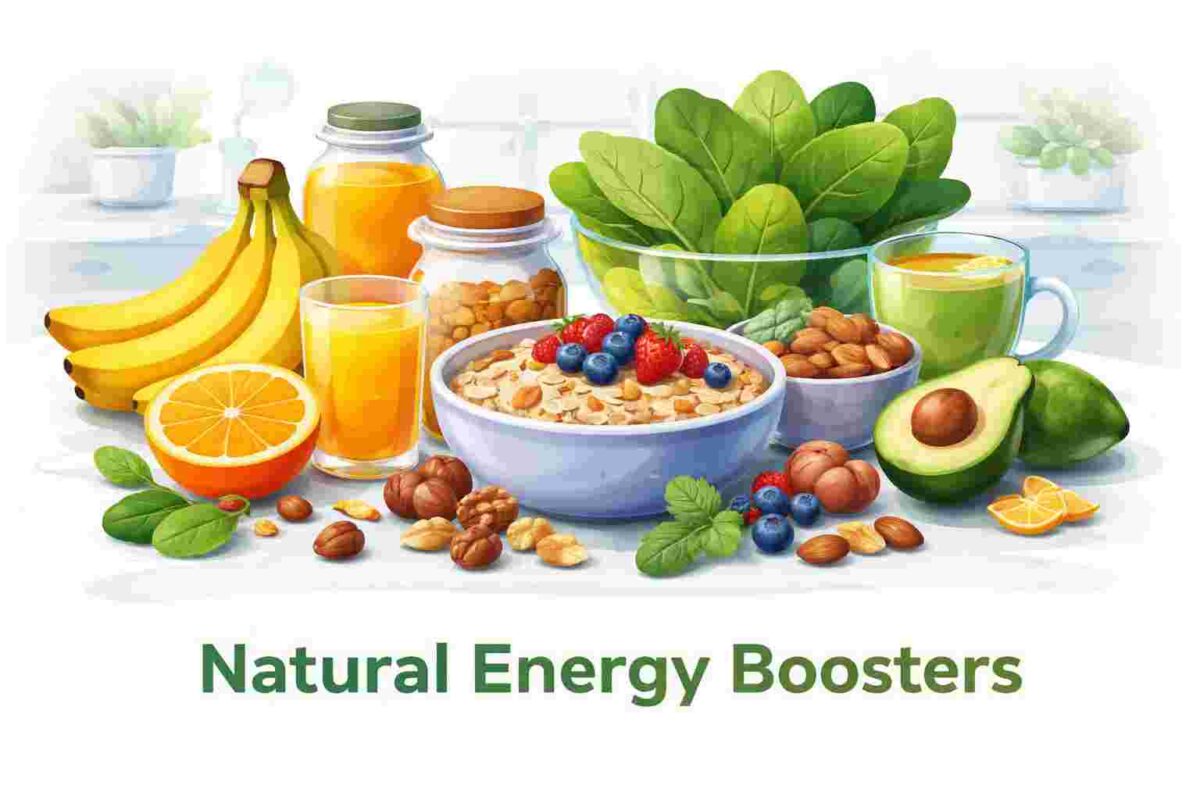
In today’s fast-paced world, many individuals feel drained and lethargic, frequently searching for quick-fix energy sources. However, embracing the concept of a natural energy boost through holistic methods can lead to more sustainable energy levels. By understanding and implementing effective natural remedies and lifestyle changes, one can enhance vitality without the risk associated with synthetic stimulants.
Understanding Energy and Vitality
Before we delve into the various methods for boosting energy, it’s vital to understand what energy truly means in the context of human health and how it interplays with our overall vitality.
The Science of Energy Production
Energy is a fundamental aspect of our biological functions, driving everything from physical movement to cognitive processes. The human body generates energy primarily through the conversion of food into glucose, which our cells use for fuel. This metabolic process is crucial for maintaining energy levels throughout the day.
Role of Metabolism in Energy Levels
Metabolism encompasses all chemical reactions that occur within the body to maintain life, and it significantly influences our energy levels. A well-functioning metabolism ensures efficient energy production and utilization, whereas metabolic disorders can lead to chronic fatigue.
Psychological Factors Affecting Energy
Mental health plays a critical role in our perception of energy. Stress, anxiety, and depression can sap energy levels, making individuals feel fatigued. Thus, addressing psychological well-being is essential for achieving an optimal energy state.
Natural Dietary Sources for Energy
Nutrition is a cornerstone of our energy levels. To enhance natural energy, consider incorporating specific foods known for their energy-boosting properties.
Top Energy-Boosting Foods
- Oatmeal – A complex carbohydrate that provides sustained energy.
- Bananas – High in potassium, which aids muscle function and provides quick energy.
- Nuts – Packed with healthy fats and protein, nuts help maintain stable energy levels.
- Eggs – Rich in protein and B vitamins, which are essential for energy production.
- Leafy Greens – Spinach and kale provide iron, a vital mineral for energy levels.
- Quinoa – A complete protein source that provides long-lasting energy.
Impact of Micronutrients on Energy
Vitamins and minerals play a significant role in energy metabolism. For instance, B vitamins are vital for converting carbohydrates into energy. A deficiency in these micronutrients can lead to energy depletion, making it essential to consume a balanced diet rich in nutrients.
Timing Your Meals for Optimal Energy
The timing of meals also influences energy levels. Regular, balanced meals help to maintain stable blood sugar levels, preventing energy crashes. Small, frequent meals throughout the day can keep energy levels consistent and prevent feelings of fatigue.
The Impact of Sleep on Energy Levels
Sleep quality is intricately linked to energy levels. Insufficient or poor-quality sleep can lead to extreme fatigue.
Stages of Sleep and Their Influence
Understanding the stages of sleep—light sleep, deep sleep, and REM sleep—can help prioritize good sleep hygiene. Each stage plays a crucial role in physical recovery and mental restoration.
Sleep Disorders and Energy Deficits
Sleep disorders, such as insomnia or sleep apnea, can severely diminish energy levels. Addressing these issues is essential for restoring optimal energy.
Techniques for Better Sleep
- Establishing a sleep routine—going to bed and waking up at the same time daily.
- Creating a restful environment—darkening the room and minimizing noise.
- Avoiding screens and stimulants before bedtime to enhance sleep onset.
- Practicing relaxation techniques such as deep breathing or meditation.
- Limiting naps to avoid disrupting nighttime sleep.
- Engaging in physical activity regularly to promote deeper sleep.
Physical Activity and Its Energy Quotient
Regular physical activity is a natural and effective method to enhance energy levels. Interestingly, while exercising may seem counterintuitive to combating fatigue, it actually helps develop a higher energy threshold.
Types of Exercises for Enhancing Energy
- Aerobic activities such as walking, running, or cycling.
- Strength training to build muscle and improve endurance.
- Flexibility exercises, including yoga, to enhance circulation.
- Short bursts of high-intensity intervals (HIIT) that elevate energy levels quickly.
- Mind-body exercises like tai chi, which combine physical and mental conditioning for overall energy improvement.
Exercise Timing and Its Effects
The timing of exercise can also affect energy levels. Morning exercises may enhance alertness for the day ahead, while evening workouts can help alleviate stress accumulated throughout the day.
Mind-Body Connection Through Movement
Exercises that foster a mind-body connection, such as yoga and tai chi, not only improve physical fitness but also enhance mental clarity and reduce fatigue by promoting relaxation.
Herbal and Natural Supplements
Various herbs and natural supplements have garnered attention for their ability to enhance energy. Understanding their benefits can aid in choosing the right options.
Overview of Popular Energy-Enhancing Herbs
- Ginseng – Known for boosting energy and enhancing cognitive function.
- Rhodiola – An adaptogen that helps combat fatigue and improve endurance.
- Ashwagandha – Reduces stress and enhances overall energy levels.
- Guarana – Contains caffeine and is often used in energy drinks.
- Spirulina – A nutrient-dense algae popular for its energy-boosting properties.
Biochemical Mechanisms at Play
Each herb operates through distinct biochemical pathways. For instance, ginseng’s actions enhance stamina and physical performance by regulating energy metabolism, while rhodiola improves brain function by increasing neurotransmitter availability.
Dosage and Safety Considerations
While many natural supplements offer significant benefits, it’s crucial to take them with care. Dosages can vary greatly between individuals, and improper use can lead to side effects. Consulting with a healthcare provider before starting any supplement regimen is advisable.
Comparison of Natural vs. Synthetic Energy Solutions
This section provides an evaluation of natural methods against synthetic stimulants through a detailed comparison so you can choose the best option for your lifestyle.
Table of Natural vs. Synthetic Energy Boosters
| Feature | Natural Boosters | Synthetic Boosters |
|---|---|---|
| Origin | Plant-based, herbal | Chemically manufactured |
| Side Effects | Minimal, depends on individual tolerances | Common side effects include jitteriness, anxiety, and crashes |
| Accessibility | Readily available in foods and supplements | Available in over-the-counter energy drinks and pills |
| Safety Profile | Generally safe with proper use | Potentially harmful with long-term use |
| Duration of Effects | Lasting, steady energy | Quick energy followed by a significant decline |
| Long-term Benefits | Improved overall health | Potential dependency and health risks |
Efficacy and Side Effects
While synthetic boosters often provide an immediate energy jolt, they can lead to undesirable side effects, including heart palpitations and increased anxiety. Conversely, natural energy boosters typically enhance vitality sustainably without the notorious crashes associated with their synthetic counterparts.
Long-term Benefits vs. Short-term Gains
Choosing between natural and synthetic options often boils down to individual goals. For sustained energy and overall health benefits, natural methods are favored. In contrast, synthetic stimulants may serve those requiring immediate energy for short tasks.
Statistics on Energy Levels and Lifestyle Choices
Analyzing statistics can provide insight into the relationship between lifestyle choices and energy levels, helping identify areas for improvement.
Energy Levels by Age Demographics
A recent study highlighted that nearly 43% of individuals aged 18-34 report feeling fatigued regularly, compared to 37% of individuals aged 35-54 and only 29% among those 55 and older. This suggests that younger adults may benefit from increased attention to natural energy-boosting strategies.
Impact of Diet on Energy in Survey Data
According to recent survey data, individuals consuming a balanced diet report feeling energetic 60% of the time, while those with high sugar and low nutrient diets report energy levels drop to just 25% of the time.
Trends in Physical Activity and Energy Levels
- Only 30% of adults engage in regular physical activity.
- Individuals who do exercise regularly report a 25% increase in perceived energy levels.
- Sedentary lifestyles lead to a significant decline in energy, with 50% of sedentary individuals feeling fatigued.
- Incorporating small amounts of daily movement can boost energy levels considerably.
Real-World Success Stories of Natural Energy Boosting
Looking at real-world case studies can illustrate the tangible benefits that natural methods can provide for boosting energy.
Case Study 1: Dietary Changes
After transitioning to a whole-food diet rich in fruits, vegetables, and whole grains, a 32-year-old man reported a dramatic increase in his energy levels. Prior to the change, he experienced regular fatigue and lack of motivation. Following the dietary shift, he noted improvements in both physical endurance and mental clarity.
Case Study 2: Exercise Regimens
A 45-year-old woman who incorporated regular strength training and aerobic exercises into her routine reported a 40% improvement in her energy levels within two months. She described better stamina for day-to-day activities and a more positive mood, ultimately leading to enhanced productivity.
Case Study 3: Sleep Improvement Programs
A group participating in a dedicated sleep enhancement program implemented changes such as sleep hygiene education and relaxation practices. Results showed that 60% of participants experienced increased energy levels and better focus during the day. Measurable outcomes indicated an average increase in sleep quality by 35%.
Limitations and Risk Considerations
While pursuing natural energy solutions, it’s crucial to be aware of potential limitations and safety considerations.
Potential Allergens in Foods and Supplements
Many energy-boosting foods and supplements can cause allergic reactions in sensitive individuals. Additionally, supplements may contain additives or allergens that are not clearly labeled, posing further risks.
Misconceptions About Natural Remedies
While natural remedies are generally safe, it’s a common misconception that these are without side effects. Each individual may respond differently to herbal supplements or dietary changes, warranting careful consideration and possibly medical advice.
When to Seek Professional Advice
Before introducing new supplements or making drastic lifestyle changes, it’s prudent to consult a healthcare professional, especially for individuals with underlying health conditions or those taking medications.
Future Outlook on Energy Enhancement Strategies
As we move forward, new techniques and advancements in research are emerging that promise to enhance natural energy boosting methods.
Upcoming Trends in Nutrition Science
The future of nutrition science is leaning towards personalized diets that cater to individual metabolic profiles. This tailored approach aims to maximize energy potential through specific dietary adjustments.
Innovations in Exercise Techniques
New exercise modalities are continually evolving, such as virtual reality workouts and AI-driven fitness coaching, helping individuals engage in activities that are both effective for energy enhancement and enjoyable.
The Role of Technology in Measuring Energy Levels
Wearable technology will increasingly play a role in monitoring sleep quality, activity levels, and even biometric signals, providing real-time data to help individuals manage their energy more effectively.
Frequently Asked Questions about Boosting Energy Naturally
What are the best natural energy boosters?
Natural energy boosters encompass a wide range of foods, herbs, and lifestyle practices. Key dietary sources include whole grains, fruits, vegetables, and lean proteins. Herbs like ginseng and rhodiola are renowned for their energetic properties. Additionally, ensuring adequate hydration is crucial for maintaining energy levels.
How does stress impact energy levels?
Stress can significantly drain one’s energy, leading to feelings of fatigue and decreased motivation. Stress hormones can disrupt sleep and cause mental exhaustion, thus undermining overall energy. Managing stress through mindfulness practices, exercise, and proper nutrition can help mitigate its impact.
Can hydration really affect energy?
Yes, hydration is essential for maintaining optimal energy levels. Dehydration can lead to fatigue, reduced cognitive function, and decreased physical performance. Ensuring adequate fluid intake can enhance energy and overall wellness.
Are there risks associated with herbal supplements?
While herbal supplements are generally considered safe, they can carry risks for allergic reactions or interactions with other medications. It’s essential to do thorough research and consult with a healthcare professional before starting any new herbal regimen.
How often should I exercise for energy?
Engaging in moderate physical activity for at least 150 minutes a week can significantly boost energy levels. Activities can be broken down into shorter sessions, making it easier to integrate them into a busy schedule.
What role does mental health play in energy levels?
Mental health directly influences energy levels and overall vitality. Conditions such as anxiety and depression can sap motivation and energy. Addressing mental health through therapy, social interactions, and healthy coping mechanisms is vital for restoring energy.
Conclusion
Boosting energy levels naturally through dietary, lifestyle, and psychological changes can significantly enhance overall wellness and vitality. By understanding the value of these approaches, individuals can take actionable steps toward better health and sustained energy.
Recap of Natural Methods
Incorporate a balanced and nutritious diet, ensure quality sleep, engage in regular physical activities, and utilize suitable herbs and supplements to enhance energy sustainably.
Long-term Benefits of Natural Energy
By prioritizing natural methods, one can enjoy the long-term benefits of enhanced mental and physical performance while avoiding the pitfalls associated with synthetic solutions.
Encouragement for Lifestyle Changes
The journey toward increased energy begins with small, manageable changes. By incorporating these practices into daily life, anyone can cultivate a higher level of energy and wellness.