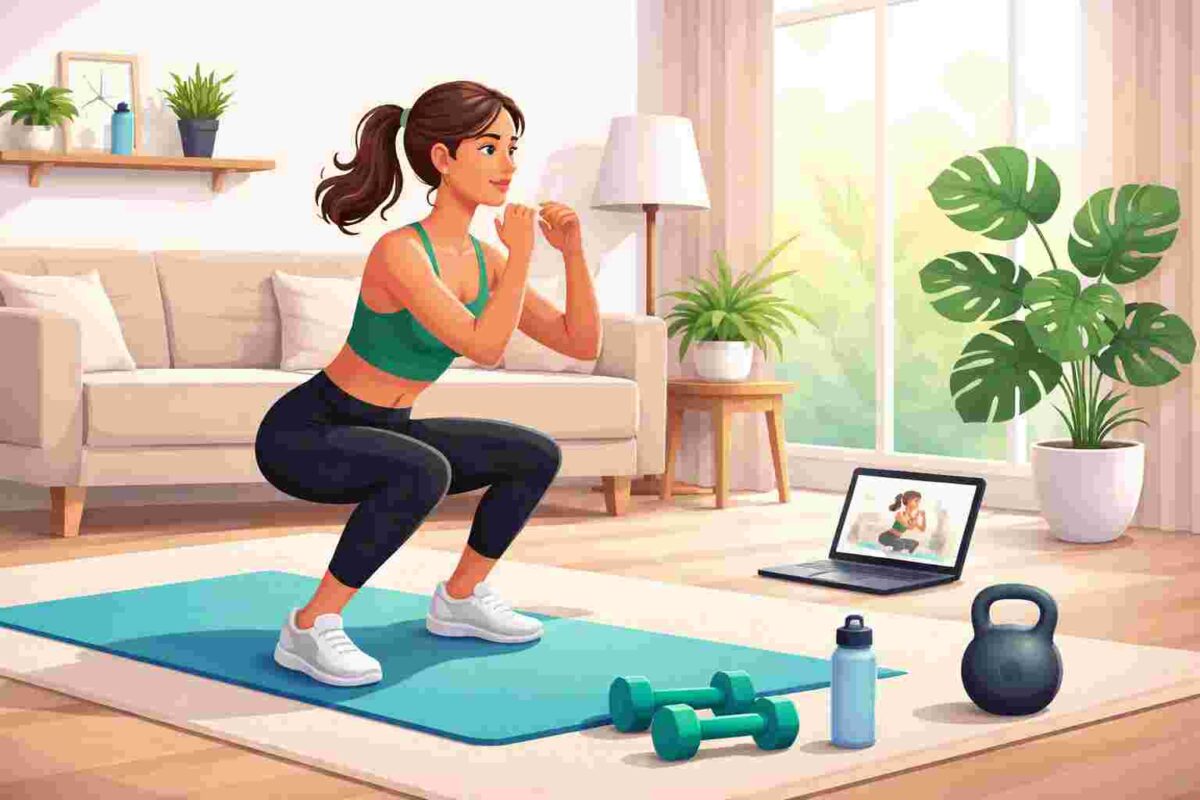

In today’s world, staying active at home has become more vital than ever. The shift from gym workouts to home activities has challenged individuals to find new ways to maintain their health and well-being. This article explores various methods to stay active at home, offering insights on workouts, fitness routines, and motivational tips that can contribute significantly to both physical and mental wellness.
Understanding the Importance of Home Fitness
Staying active at home is not merely a trend; it’s a necessity. Understanding the importance of home fitness provides a foundation for making lasting changes to your health. Every individual, from children to retirees, can benefit from maintaining an active lifestyle.
Physical health benefits
- Improved cardiovascular health
- Increased muscle strength
- Weight management and fat loss
- Enhanced flexibility and balance
The benefits of consistent exercise at home extend beyond aesthetics; they can significantly improve your overall physical health. Regular activity has been linked to a lower risk of chronic diseases such as diabetes, heart disease, and certain cancers.
Mental health benefits
- Reduced symptoms of anxiety and depression
- Enhanced mood and emotional stability
- Improved cognitive function
- Increased resilience to stress
Exercising at home can also play a crucial role in mental well-being. Engaging in regular physical activity releases endorphins, which help alleviate feelings of depression and increase overall happiness and satisfaction.
Adaptation to home environment
The ability to adapt workouts to your home environment can make fitness more accessible and enjoyable. Understanding your space’s limitations and finding ways to work around them builds creativity into your exercise routines.
Types of Home Workouts
When it comes to staying active at home, there are myriad workout options available, catering to different interests and fitness levels. Understanding these options helps individuals pick the ones that align with their personal preferences.
Bodyweight exercises
- Push-ups
- Squats
- Lunges
- Planks
- Burpees
Bodyweight exercises are a fantastic way to build strength and endurance without needing any equipment. These exercises utilize your body weight to create resistance, making them perfect for home workouts.
Yoga and flexibility routines
- Hatha Yoga
- Vinyasa Flow
- Stretching exercises
- Breathing techniques
Yoga promotes flexibility, improves posture, and enhances mental clarity. Whether you’re a beginner or an experienced yogi, incorporating yoga into your routine can be beneficial to both body and mind.
Cardio alternatives
- Jumping jacks
- Dancing
- High knees
- Running in place
Cardio exercises can be effectively performed at home without any equipment. From jumping jacks to dancing, these activities help increase heart rate and promote cardiovascular health.
Building a Home Fitness Routine
Establishing a home fitness routine involves not just workouts but also strategies that help create a sustainable and effective plan. Tailoring your routine to your life and preferences increases its viability.
Setting realistic goals
- Short-term and long-term objectives
- Specific metrics for progress
- Accountability through tracking
- Celebrating small victories
Setting realistic, attainable goals is crucial for success. Start with small changes and gradually escalate your targets as you gain confidence and strength.
Creating a schedule
- Designate specific days for workouts
- Incorporate flexibility for busy days
- Use reminders or planning apps
- Plan for different types of workouts
Having a well-defined schedule helps allocate time for fitness amidst life’s demands, making it easier to maintain your routine.
Incorporating breaks and rest
Rest is just as important as the workout itself. Incorporate breaks in your routine to allow your body to recover, preventing injuries and burnout.
Benefits for Specific Demographics
Understanding how different demographics benefit from home fitness can highlight its significance in our lives.
Working professionals
- Flexibility with time
- Reduced commute stress
- Easier work-life balance
- Increased productivity and concentration
For working professionals, finding the time to exercise amid a busy schedule can be daunting. Home workouts offer the ability to exercise whenever convenient, enhancing both physical health and job performance.
Families with children
- Encouraging active playtime
- Incorporating family workouts
- Teaching children healthy habits
- Creating shared fitness goals
Families can use home fitness to create bonding time, encouraging active play and shared workout sessions that promote healthy habits from an early age.
Seniors and elderly care
- Maintaining independence
- Improved balance and coordination
- Reduced fall risk
- Enhanced social interaction through group classes
Seniors can greatly benefit from staying active at home through gentle exercises tailored to their abilities, thus promoting safety and well-being.
Challenges and Limitations of Home Fitness
While the advantages of home fitness are substantial, several challenges can hinder one’s ability to remain active.
Limited space
Many individuals face spatial limitations, which can restrict the types of workouts they can perform. Creative solutions, such as using multi-functional furniture or outdoor spaces, can help optimize the available area.
Equipment availability
- Bodyweight exercises as an alternative
- Using household items as makeshift equipment
- Online resources for equipment-free workouts
- Budget-friendly options for home equipment
Not having access to gym equipment shouldn’t be a barrier to fitness. Many effective workouts can be performed using just body weight or household items, like water bottles or chairs.
Motivational struggles
- Setting smaller, manageable goals
- Engaging with virtual fitness communities
- Using fitness challenges and rewards
- Tracking progress to foster motivation
Staying motivated when working out at home can be challenging. Finding community support or incorporating rewards for achieving fitness goals can inspire continued activity.
Evaluating Fitness Solutions for Home
With numerous fitness solutions available, evaluating these options can help you determine the best fit for your personal routine.
Fitness apps vs. online classes
Apps can offer flexibility and self-paced workouts, while online classes provide a structured environment and often a sense of community with live instruction.
DIY workouts vs. professional guidance
DIY workouts can save money, but seeking professional guidance, especially for beginners, ensures proper technique and reduces the risk of injury.
Cost comparison of equipment
| Equipment | Cost (Approx.) | Value |
|---|---|---|
| Resistance bands | $10-30 | High, versatile use |
| Dumbbells | $15-50 | Very high, strength training |
| Yoga mat | $20-50 | Moderate, flexibility and balance |
| Kettlebell | $20-70 | High, full-body workouts |
Assessing the costs and benefits of equipment is important when creating a home gym. Understanding what you can achieve with minimal investment makes it easier to stay active at home without overspending.
Home Fitness Statistics and Market Trends
With the rise of technology and changes in lifestyle, home fitness statistics reflect a growing trend. Understanding these numbers helps elucidate the significance of staying active at home.
Growth of home fitness industry
The global home fitness market was valued at approximately $8 billion in 2020, and this figure is projected to grow. This growth indicates a strong shift toward at-home workouts and self-directed fitness plans.
Participation statistics post-2020
According to recent surveys, nearly 70% of respondents reported participating in regular exercise at home in some form, a significant increase from previous years. This statistic underscores the change in how individuals prioritize fitness today.
Demographic analysis of home fitness
- 20% increase in online workout subscriptions
- Young adults (ages 18-34) representing the largest demographic using home fitness solutions
- An increase in seniors engaging in home fitness activities by 15%
These statistics suggest that home fitness appeals to various demographics, paving the way for innovative solutions that cater to specific preferences.
Case Study: Successful Home Fitness Transformations
Real-world examples can motivate others to pursue their fitness goals at home. Below are success stories highlighting transformations achieved through commitment and home fitness.
Before and after transformation stories
Take Sarah, who initially struggled with weight management; through a structured plan incorporating home workouts, she lost 30 pounds and increased her strength, vitality, and self-confidence! Her routine included bodyweight exercises and regular yoga sessions.
Data on weight loss or fitness level improvements
- On average, individuals reported a 20% increase in physical activity levels over three months.
- 90% of survey respondents experienced improvements in mental well-being.
Testimonials from participants
Participants from various programs report feeling more energized and dedicated than ever. Their testimonials emphasize ease of access and the sense of accomplishment received from achieving fitness goals at home.
Future Trends in Home Fitness
The home fitness landscape is evolving, with numerous trends poised to shape the future of how we stay active at home.
Virtual reality workouts
As technology advances, virtual reality (VR) workouts allow individuals to experience immersive environments for physical activity, making exercise more engaging and fun.
Wearable fitness technology
The surge in wearable technology helps track and analyze workout data. Devices that monitor heart rates, calories burned, and overall performance provide valuable feedback that can enhance home fitness routines.
Predicted growth of the at-home fitness market
- Expected market growth to reach $30 billion by 2025
- Increased demand for customizable and interactive home fitness solutions
- Focus on holistic health approaches integrating fitness, nutrition, and mental well-being through technology
The future of home fitness appears promising, with emerging technologies and trends enhancing access to workouts and nutrition resources.
Frequently Asked Questions About Home Fitness
What equipment do I need?
Ideally, you want to have some basic equipment such as dumbbells or resistance bands, but it’s entirely feasible to begin working out with just your body weight. Household items can be utilized effectively as well; for example, using a sturdy chair for tricep dips or water bottles for light weight training can be an excellent alternative.
How can I stay motivated?
Staying motivated at home can be difficult but engaging in challenges, sharing your progress with friends or family, and setting clear, achievable goals can significantly enhance your motivation levels. Additionally, joining online fitness communities provides a supportive environment where you can glean advice and inspiration from others on similar journeys.
Are home workouts as effective as gym workouts?
Absolutely! Home workouts can be just as effective as gym workouts, provided you maintain consistency and engage in a variety of exercises. Studies have shown that individuals who work out at home can achieve comparable fitness results to those who gym regularly, especially when utilizing strength-training techniques and keeping a steady routine.
What types of workouts are best for beginners?
Beginners should aim to engage in workouts focusing on fundamental body-weight exercises, yoga, and low-impact cardio. Starting with basic movements like squats, push-ups, and gentle stretching allows newcomers to build a solid foundation of strength, flexibility, and endurance before progressing into more challenging routines.
How do I prevent injuries at home?
To prevent injuries, it’s essential to warm up adequately before starting your workout and to cool down afterward. Focus on maintaining proper form during exercises, and listen to your body’s signals; if you feel pain or discomfort, stop and reassess your strategy. Gradually increase the intensity of your workouts to build strength and flexibility while minimizing the risk of injury.
What role does nutrition play?
Nutrition is fundamental for maximizing the results of your home fitness routine. A balanced diet rich in whole foods, including fruits, vegetables, lean proteins, and healthy fats, supports muscle recovery and provides the necessary energy for workouts. Paying attention to hydration also ensures your body functions at its best during fitness activities.
Conclusion: Embracing an Active Lifestyle at Home
In conclusion, embracing an active lifestyle at home is not merely a challenge but an opportunity. By understanding the importance of staying active, employing effective techniques, and remaining motivated, individuals can thrive in their fitness journeys. Investing time in developing a home fitness routine can lead to profound benefits for both physical and mental health. Now is the time to implement these strategies and make exercise a fulfilling and enjoyable part of your home life.