In today’s fast-paced world, finding the time and resources to maintain a fitness routine can be challenging. However, home workouts offer an excellent solution for those seeking to stay in shape without the need for gym memberships or fancy equipment. This comprehensive guide will explore the concept of home workouts, highlighting the benefits of an effective home workout plan without equipment.
Understanding Home Workouts
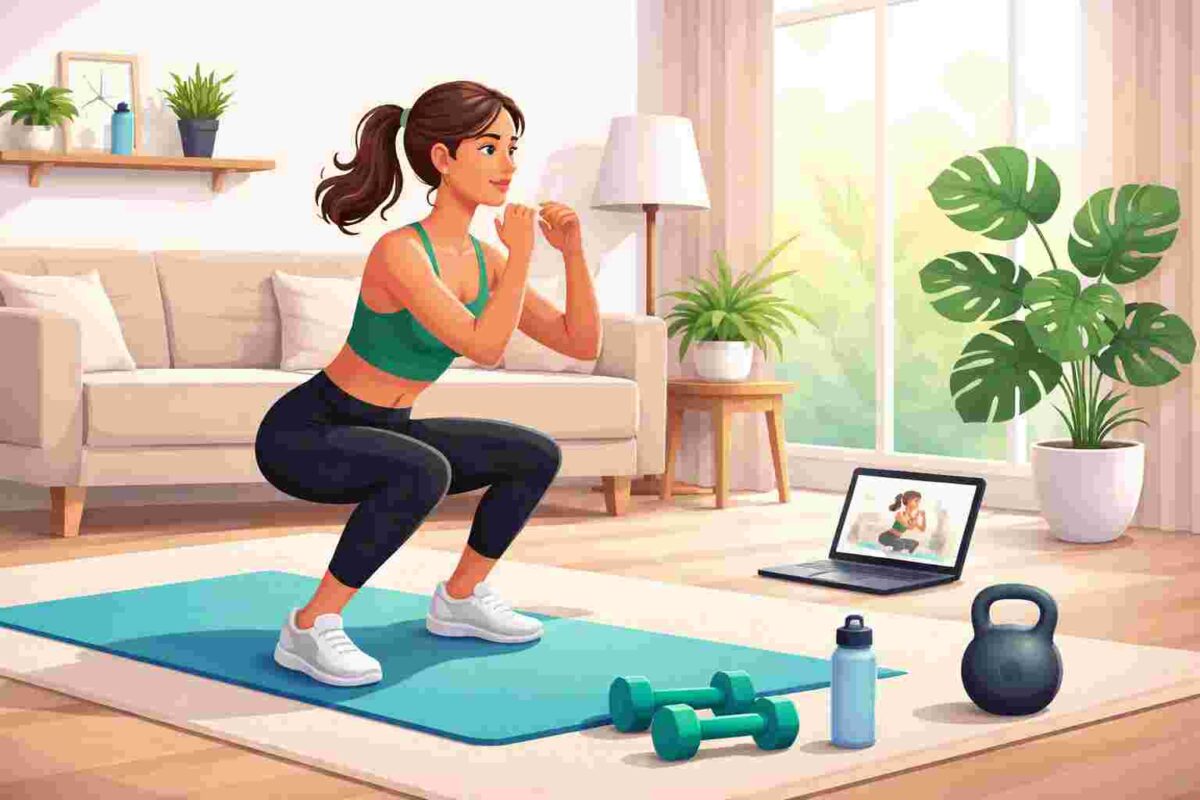
Home workouts are exercises performed in the comfort of your home, utilizing your body weight as resistance rather than specialized equipment. They have surged in popularity, especially in recent years, allowing many to achieve their fitness goals regardless of location.
Definition of Home Workouts
A home workout involves physical exercises conducted within your residence. This can encompass a wide range of activities, including yoga, strength training, cardio, and flexibility exercises. The primary advantage is the freedom and flexibility it provides for individuals looking to maintain their health and fitness.
Benefits of Working Out at Home
- Cost-effective, eliminating gym membership fees.
- Time-saving, as there’s no commute to a gym.
- Privacy, allowing you to work out without feeling self-conscious.
- Customizable routines that fit your schedule and preferences.
- Access to numerous online resources and communities for guidance.
Common Misconceptions about Home Fitness
Despite its advantages, many people harbor misconceptions about home workouts. A few common ones include:
- People think home workouts are less effective than gym workouts.
- There’s a belief that you need expensive equipment to see results.
- Some argue that working out at home leads to more distractions and less motivation.
- Many think that bodyweight exercises do not build muscle effectively.
The Science of Bodyweight Exercises
One of the cornerstones of a successful home workout plan without equipment involves understanding the science behind bodyweight exercises. These exercises are incredibly effective due to their ability to engage multiple muscle groups simultaneously.
Muscle Engagement in Bodyweight Exercises
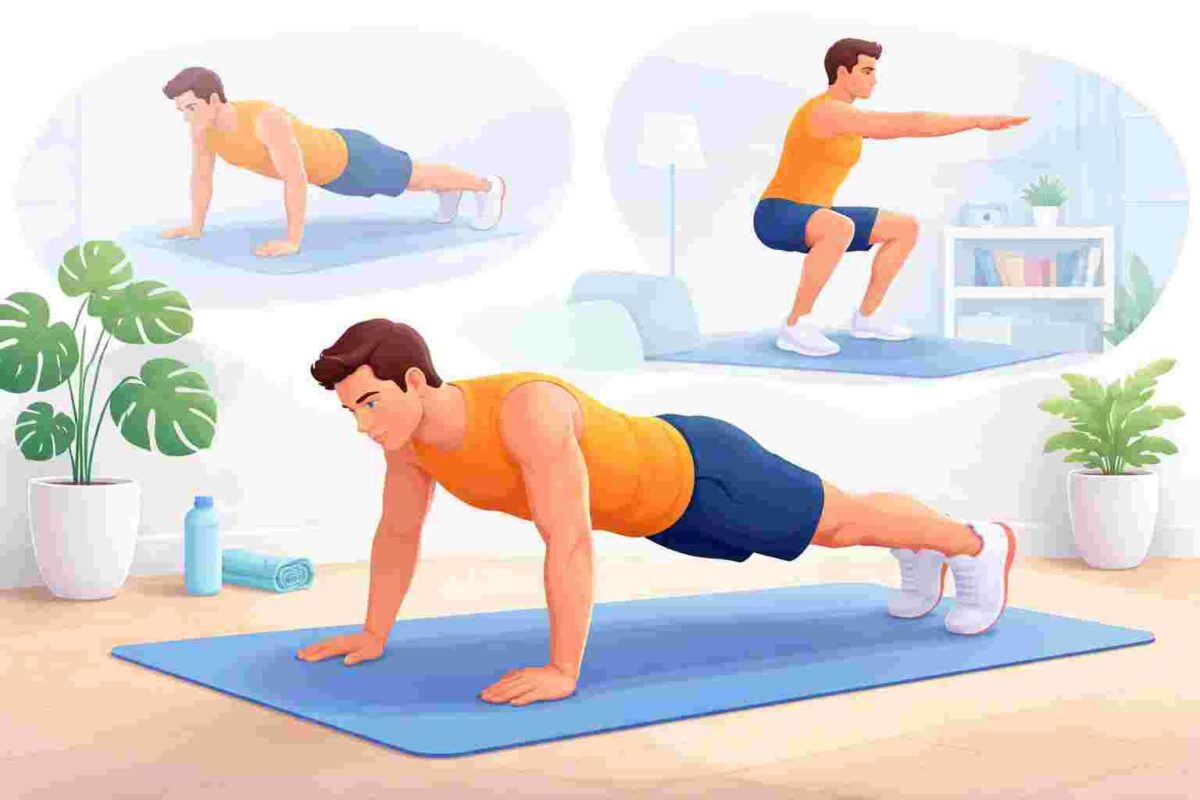
Bodyweight exercises can challenge your body in numerous ways, promoting muscle endurance and strength. Key movements like push-ups, squats, and planks utilize multiple muscle groups, ensuring a balanced workout. Studies suggest that integrating bodyweight exercises into your routine can enhance overall physical performance.
Principles of Resistance Training
Resistance training is a crucial component of fitness, and bodyweight exercises exemplify this principle. The essential idea is to overload your muscles, leading to adaptations that enhance strength and endurance. Bodyweight exercises create resistance through your own mass, allowing for effective training without the need for equipment.
How to Safely Perform Bodyweight Movements
Safety is paramount when performing bodyweight exercises. Follow these guidelines:
- Focus on your form to prevent injury.
- Start with basic movements before progressing to more complex variations.
- Warm up properly before your workout to prepare your muscles.
- Listen to your body and rest between sets as needed.
Designing Your Personalized Workout Plan
Developing a tailored workout plan is essential for achieving fitness goals. With a few strategic steps, you can design a routine that effectively meets your needs.
Assessing Your Fitness Level
Before embarking on your workout journey, evaluating your current fitness level is vital. Consider factors such as your strength, endurance, flexibility, and any health issues. This assessment will shape your workout plan.
Setting Realistic Fitness Goals
Goals serve as your roadmap towards success. Aim for SMART goals: Specific, Measurable, Achievable, Relevant, and Time-bound. For instance, rather than a vague goal of ‘getting fit’, aim to ‘complete a 30-minute bodyweight workout three times a week for a month.’
Structuring a Weekly Workout Schedule
A structured schedule provides consistency and accountability. A well-rounded plan may include:
- Monday: Full body workout (push-ups, squats, planks)
- Wednesday: Cardio (burpees, mountain climbers, jogging in place)
- Friday: Flexibility (yoga or stretching routines)
- Weekend: Active recovery (light activities like walking or cycling)
Health Benefits of Exercising at Home
Engaging in regular home workouts yields a plethora of health benefits, impacting both physical and mental well-being.
Physical Health Improvements
Regular exercise strengthens your cardiovascular system, improves muscular fitness, and aids in weight management. An analysis suggests that individuals who participate in at least 150 minutes of moderate-intensity aerobic exercise weekly have a significant reduction in risks for chronic diseases.
Mental Health Benefits
Exercise is beneficial for mental health too, as it can reduce symptoms of anxiety, depression, and stress. The release of endorphins during physical activity contributes to feelings of happiness and well-being.
Impact on Weight Management
One of the most notable benefits of home workouts is their positive impact on weight management. Engaging in physical activities fosters calorie burning, which can lead to weight loss and maintenance when coupled with a balanced diet. Studies indicate that consistent exercise can significantly increase your metabolism and improve body composition.
Common Challenges and How to Overcome Them
While home workouts are excellent for convenience, they come with challenges. Recognizing these hurdles and implementing solutions can enhance your workout experience.
Staying Motivated
Motivation can wane, especially without the dynamic environment of a gym. Consider setting short-term rewards for reaching fitness milestones, keeping a workout journal, or joining online workout communities for support and accountability.
Lack of Space
Not everyone has ample space for workouts. Utilize small areas efficiently by choosing exercises that require limited space, such as yoga or Pilates. Alternatively, consider outdoor spaces for a refreshing change in environment.
Preventing Injuries
Without access to trainers, proper technique can be neglected, leading to injuries. Always prioritize form over quantity, and consider following professional workout videos that emphasize safe practices. Taking adequate breaks and allowing for recovery days is crucial to avoid burnout.
Comparative Analysis of Home Workouts vs. Gym Workouts
Understanding the differences between home and gym workouts can help individuals make informed decisions about their fitness routines. The comparison below highlights the significant trade-offs:
| Criteria | Home Workouts | Gym Workouts |
|---|---|---|
| Cost | Free or low-cost | Membership fees required |
| Accessibility | No travel required | Requires travel; operating hours |
| Equipment Variety | Limited (bodyweight focused) | Extensive (weights, machines) |
| Social Interaction | Limited to online communities | In-person social environment |
| Privacy | Complete privacy | Public surroundings |
Current Fitness Trends and Statistics
The landscape of home workouts is rapidly evolving. Recent statistics reflect a growing trend in fitness participation from home:
Growth of Home Fitness Industry
The home fitness industry has experienced significant growth, with estimates projecting a compound annual growth rate (CAGR) of over 23% from 2021 to 2028. This explosion can be attributed to the increasing availability of virtual classes and online fitness apps.
User Demographics for Home Workouts
Recent surveys indicate that approximately 54% of fitness enthusiasts prefer at-home workout regimens, with younger generations leading this trend. Interestingly, 65% of those surveyed cited convenience as a primary factor for choosing home workouts.
Success Rates of Home Fitness Programs
While many embark on home workout journeys, data shows that 72% of individuals who set structured home fitness goals achieve noticeable results within six months, highlighting the effectiveness of a disciplined approach.
Real-Life Success Stories
Nothing speaks louder than real-life examples. Below are inspiring stories demonstrating how people successfully utilized home workouts to transform their lives.
Case Study 1: Weight Loss Journey
Emma, a 35-year-old mother of two, turned to home workouts to shed postpartum weight. By following a structured plan focusing on bodyweight exercises and incorporating a balanced diet, she lost 30 pounds in just four months, significantly boosting her energy levels and self-confidence.
Case Study 2: Muscle Gain Transformation
Jake, a 28-year-old office worker, initially struggled with a skinny physique. By engaging in a consistent bodyweight routine with progressively increased intensity, he saw a remarkable transformation. Over six months, Jake gained 15 pounds of lean muscle and improved his strength significantly.
Case Study 3: Increased Endurance Results
Sarah, an avid runner, incorporated home workouts during injury recovery. Focusing on lower-impact bodyweight exercises and flexibility training, she enhanced her endurance. After three months, she was not only pain-free but also able to run longer distances than ever before.
Future of Home Fitness
The future of home workouts is poised for exciting developments. Emerging trends indicate significant shifts in how we approach fitness from home.
Technological Innovations in Home Fitness
New technologies, such as interactive mirrors and fitness apps that use AI to personalize workouts, are gaining traction. These innovations encourage users to stay engaged and challenge themselves effectively.
The Rise of Virtual Trainers
As home workouts gain popularity, virtual trainers are set to become increasingly common. These trainers provide personalized guidance via live-streamed classes, enriching the workout experience and ensuring proper form and motivation.
Predicted Market Growth and Trends
Analysts predict that the home fitness market will not only grow but also diversify, with more fitness enthusiasts looking for unique online experiences. Subscriptions for home fitness programs are expected to rise, enhancing accessibility.
Frequently Asked Questions about Home Workouts
Can I build muscle without weights?
Yes, bodyweight exercises can effectively build muscle. Movements such as push-ups, pull-ups, and squats utilize your body mass to create resistance, promoting muscle growth. Sufficient training volume and progression over time will lead to noticeable strength gains.
What are the best bodyweight exercises for beginners?
Some excellent bodyweight exercises for beginners include squats, push-ups, lunges, planks, and glute bridges. They target multiple muscle groups, building foundational strength and flexibility. Start with a manageable number of repetitions and progressively increase intensity as you become stronger.
How can I stay motivated to work out at home?
Staying motivated at home requires a strategic approach. Setting clear goals and tracking progress can enhance accountability. Additionally, creating a dedicated workout space and diversifying your exercises can help maintain excitement in your routines.
How much space do I need for a home workout?
While larger spaces are ideal, you can create an effective workout environment in a small area. Clear out enough room to move comfortably, generally about 6×6 feet, which accommodates most bodyweight exercises without risk of injury.
What’s the recommended duration for home workouts?
Generally, 20 to 60 minutes of exercise is considered beneficial for most individuals, depending on their fitness goals. You can effectively break this time into shorter sessions throughout the day, making it easier to fit workouts into a busy schedule.
Are online workout classes effective?
Many find online workout classes to be highly effective with the right commitment. Online platforms often provide structured routines and professional guidance, making it easy for users to follow along and stay engaged, even when working out from home.
Conclusion: Embracing Home Workouts
In conclusion, workouts conducted in the comfort of your home are not only convenient but also immensely effective for attaining and maintaining fitness. A home workout plan without equipment opens the door to numerous health benefits, from increased strength and endurance to better mental well-being. As you embark on or continue your fitness journey, remember to stay committed, and adapt your routines as needed. Embrace the flexibility and potential of home workouts, and enjoy the incredible rewards they can bring to your life.
Take the first steps today towards a fitter, healthier you, and don’t forget the importance of integrating home workouts into your routine for long-lasting health benefits.