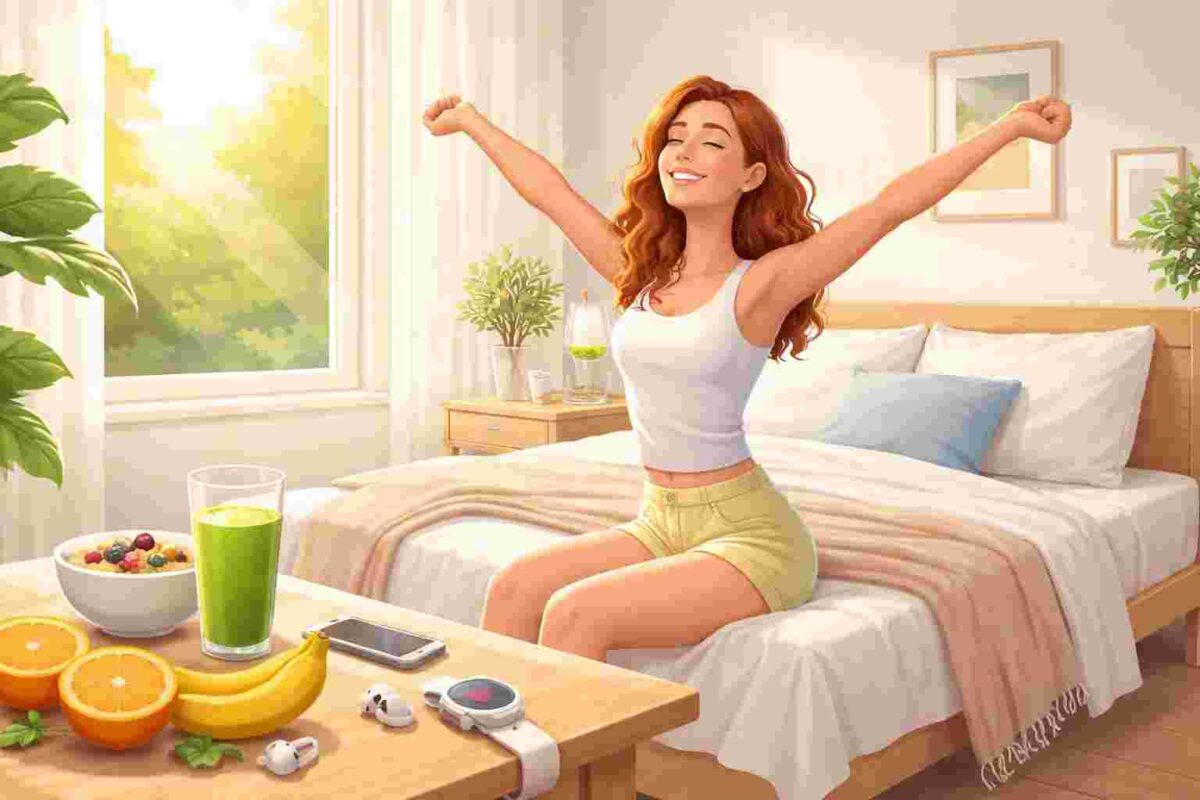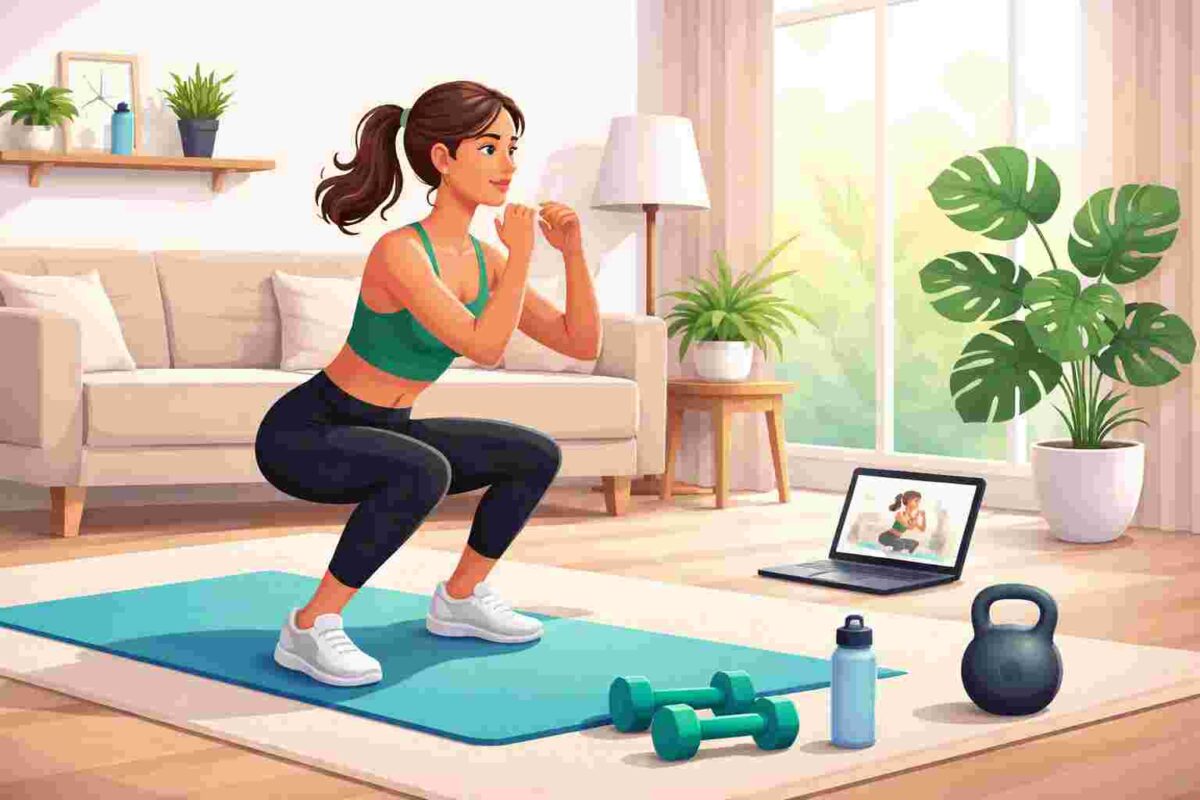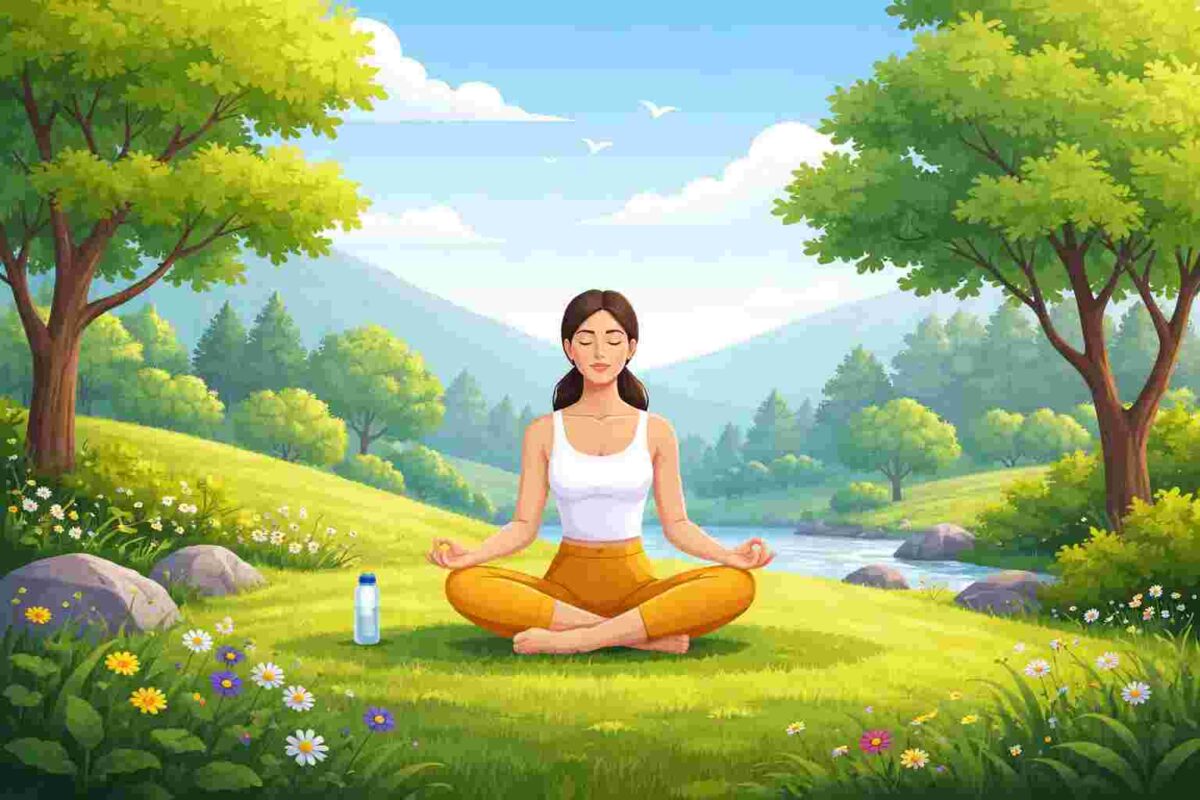
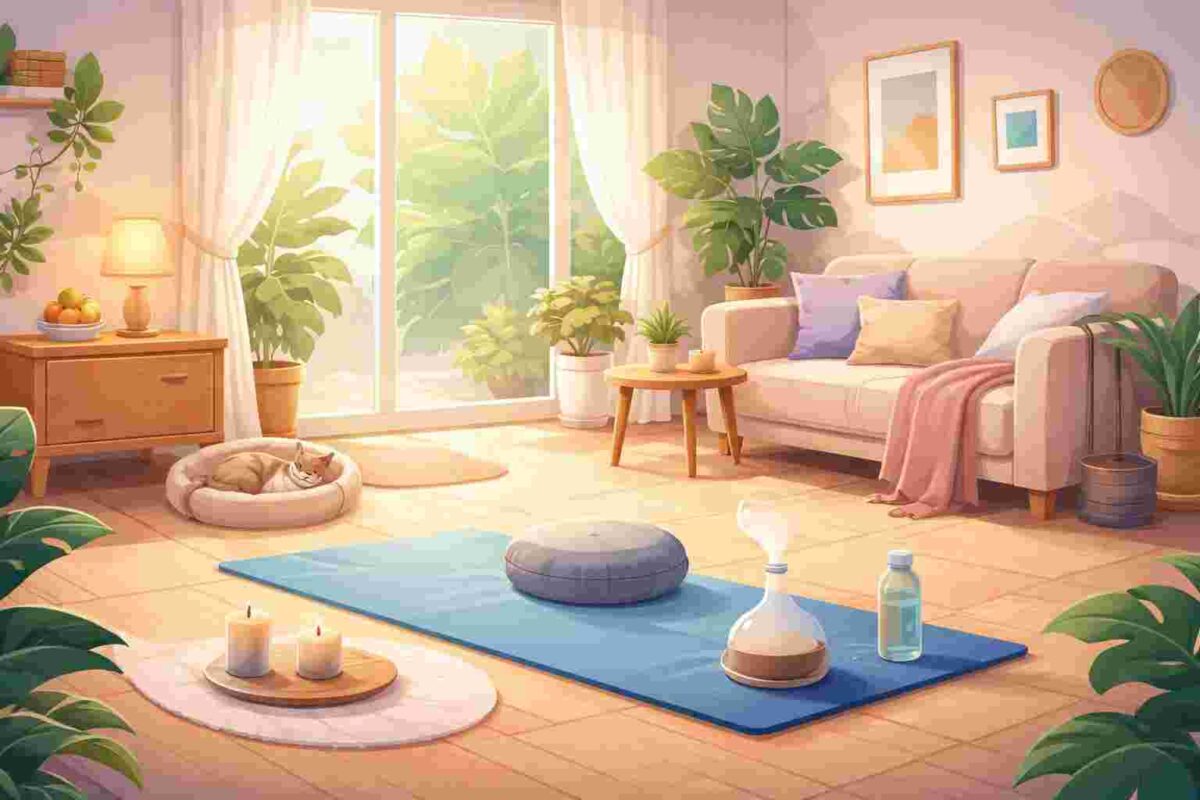
In today’s fast-paced world, the importance of relaxation for mental and physical health cannot be overstated. With constant demands from work, family, and other responsibilities, people often overlook the vital need for self-care and downtime. Home relaxation techniques can play a crucial role in maintaining balance and enhancing overall well-being. By incorporating effective relaxation practices into your daily life, you can reduce stress, improve mood, and cultivate a healthier lifestyle.
Understanding Relaxation and its Benefits
To fully appreciate the significance of relaxation, we first need to understand what it entails and the benefits it brings to our health.
Definition of Relaxation
Relaxation is a state of being free from tension and anxiety; it’s a process that results in a reduction of physical and mental stress responses. Engaging in relaxation techniques helps bring about this state, allowing you to restore both your mind and body.
Physical and Mental Health Benefits
- Reduces stress and anxiety
- Lowers blood pressure and heart rate
- Enhances mood and emotional well-being
- Improves concentration and cognitive function
Impact on Stress Levels
Regular practice of relaxation techniques can significantly impact stress levels. Studies show that activities such as meditation and yoga can lower cortisol levels, the hormone primarily responsible for stress. By decreasing this hormone, your body can operate more efficiently, promoting better health.
The Science of Stress Relief
Understanding how relaxation impacts the body involves delving into its physiological and psychological effects.
How Relaxation Affects the Nervous System
Relaxation triggers the parasympathetic nervous system, which is responsible for the ‘rest and digest’ functions. When activated, it counteracts the stress response of the sympathetic nervous system, leading to a state of calm.
Neurotransmitters and Relaxation
Certain neurotransmitters, like serotonin and dopamine, play a vital role in mood regulation. Engaging in relaxation practices can enhance the production of these chemicals, helping to stabilize and uplift your mood.
The Role of Deep Breathing
Deep breathing is a fundamental component of many relaxation techniques. It helps to increase oxygen supply to the brain, stimulate the parasympathetic nervous system, and eliminate toxins from the body. By focusing on your breath, you can calm your mind and reduce feelings of panic and anxiety.
Home Relaxation Techniques for Stress Management
There are various techniques you can implement in your home environment to foster relaxation. Here, we analyze several effective methods.
Guided Meditations
Guided meditations are audio or video resources led by an instructor who helps you through visualization and mindfulness exercises. They are particularly effective for beginners who may not know how to meditate on their own.
Mindfulness and Journaling
- Practice mindfulness meditation regularly.
- Keep a daily journal to express your thoughts and emotions.
- Reflect on happy memories or aspirations while journaling.
- Integrate gratitude journaling to enhance your perspective.
Yoga and Stretching
Yoga combines physical postures, breathing exercises, and relaxation techniques. Stretching helps alleviate tension in the muscles, promoting both physical and mental relaxation.
The Business of Relaxation: Industries and Services
The growing awareness around the benefits of relaxation has led to a booming industry focused on products and services that promote wellness from home.
Health and Wellness Industry
This industry encompasses a range of services from wellness coaching to nutritional guidance. With an increased focus on self-care, businesses offering relaxation products and services are seeing significant growth.
Home Decor and Atmosphere
- Incorporate calming colors like blues and greens.
- Use essential oils to create a tranquil atmosphere.
- Invest in comfortable furniture for relaxation.
- Include plants to promote a sense of peace.
Digital Wellness Apps
Digital wellness apps have surged in popularity, offering users tools for meditation, mindfulness, and stress reduction. These apps help integrate relaxation techniques into daily routines seamlessly.
Strategic Advantages of Home Relaxation Practices
Incorporating relaxation techniques into your life can provide various strategic advantages.
Improved Focus and Productivity
Regular relaxation can clear your mind, leading to enhanced focus and increased productivity levels during work or study. When your mind is rested, you can tackle tasks with renewed energy and improved efficiency.
Better Sleep Quality
- Engage in relaxation exercises before bedtime.
- Create a calming bedtime routine.
- Avoid screens an hour before sleep.
- Optimize your bedroom environment for sleep.
Enhanced Relationships
Practicing relaxation techniques can lead to improved emotional regulation, making it easier to communicate effectively and resolve conflicts. As stress decreases, relationships with family and friends tend to strengthen.
Limitations and Risks of Home Relaxation Methods
While there are many benefits to home relaxation techniques, it’s important to recognize potential limitations and risks.
Over-Reliance on Techniques
Some individuals may develop an over-reliance on relaxation techniques, potentially neglecting other important areas of life. It’s crucial to balance relaxation practices with other responsibilities and commitments.
Not Suitable for Everyone
- Some individuals may not respond well to certain techniques.
- Certain mental health conditions may require professional treatment.
- Age and physical limitations may limit certain practices.
- Consult a healthcare provider to tailor relaxation methods.
Time Constraints and Commitment
Busy schedules can make it difficult to allocate time for relaxation practices. However, even short moments of mindfulness can be beneficial. Finding effective, brief techniques can help.
Comparative Analysis of Popular Relaxation Techniques
To assist readers in selecting the most suitable relaxation practice, the following table presents a comparative analysis of popular methods.
| Technique | Effectiveness | Cost | Accessibility |
|---|---|---|---|
| Guided Meditation | High | Free to moderate | High, via apps and online |
| Yoga | Moderate to high | Free to moderate (video resources) | High, via classes and online |
| Mindfulness Journaling | High | Minimal | Very high, requires paper and pen |
| Breathing Exercises | High | No cost | Very high, can be done anywhere |
Statistics and Market Trends in Relaxation Techniques
The relaxation techniques market is evolving dramatically as people increasingly recognize the importance of mental health.
Market Growth Statistics
The global wellness market is estimated to reach $4.8 trillion in 2023, with a significant segment focused on relaxation and mental well-being.
Usage Trends Over Time
- Over 60% of adults report using mindfulness techniques in the past year.
- Online wellness classes have increased by 70% due to the pandemic.
- Mobile meditation apps have seen a 200% rise in downloads since 2020.
- Interest in home wellness products has surged by 45%.
Demographics of Practitioners
Research indicates that millennials are the most active users of relaxation techniques, followed closely by Generation Z, highlighting the generational shift towards prioritizing mental health.
Case Study: Real-World Applications of Home Relaxation Techniques
Implementing home relaxation techniques can lead to measurable changes in well-being. A recent case study examined individuals participating in a 30-day relaxation program.
Before/After Stress Levels
Participants reported a 30% decrease in perceived stress levels after one month of incorporating relaxation techniques into their daily routines.
Changes in Productivity Metrics
- Participants showed a 25% improvement in work productivity.
- Time spent on screens decreased by an average of 15%.
- Self-reported focus levels increased by 40%.
- Overall mood improved significantly among participants.
Long-Term Health Outcomes
After three months, participants maintained a lower stress level and reported better sleep quality, indicating that these techniques foster long-term benefits.
Future Outlook for Home Relaxation Techniques
As the wellness market continues to grow, the future outlook for home relaxation techniques appears promising.
Technological Advancements
Emerging technologies, such as virtual reality and biofeedback devices, are expected to enhance relaxation experiences, making them more immersive and effective.
Predicted Growth of the Industry
- The relaxation market is projected to grow by 20% annually.
- Increased investment in mental wellness products will drive innovation.
- Companies will increasingly focus on creating tailored relaxation solutions.
- Sustainability trends will influence product development in this sector.
Evolving Consumer Preferences
Consumers are becoming more conscious of their mental health, leading to a demand for diverse and accessible relaxation techniques. Future trends may focus on efficiency and effectiveness while accommodating the busy lifestyles of modern consumers.
Frequently Asked Questions about Home Relaxation Techniques
What are the best relaxation techniques for beginners?
For beginners, techniques like deep breathing, guided meditation, and gentle stretching can be highly effective. Starting with short sessions, perhaps just 5–10 minutes a day, allows you to gradually build comfort and familiarity. As you grow more accustomed, you can introduce more complex methods like yoga or visualizations.
How often should I practice relaxation techniques?
To derive the most benefits, aim to practice relaxation techniques daily if possible. Even a few minutes each day can significantly enhance your mental and physical well-being. Consistency is key—over time, you’ll find it easier to incorporate these practices, which will help you build resilience against stress.
Can relaxation techniques improve my sleep?
Yes, relaxation techniques can greatly enhance sleep quality. Practices such as deep breathing and progressive muscle relaxation help soothe the mind and prepare the body for rest. Establishing a calming pre-sleep routine increases the likelihood of a deep and uninterrupted sleep, making relaxation practices valuable tools for anyone struggling with insomnia.
Are there any risks associated with home relaxation methods?
While relaxation techniques are generally safe, some individuals may find they don’t resonate with specific methods. It’s essential to experiment and see what works best for you. Additionally, those with underlying mental health issues should consult with a healthcare professional before starting new relaxation practices.
What is the role of environment in relaxation?
Your environment plays a crucial role in your ability to relax. Creating a peaceful space with comfortable furnishings, soothing colors, and minimal distractions can enhance the effectiveness of relaxation techniques. Incorporating elements of nature, like plants or natural light, can also help to foster a calming atmosphere.
How can I measure the effectiveness of my relaxation practices?
Measuring the efficacy of your relaxation techniques can be subjective but valuable. Keep track of your stress levels and mood before and after practicing relaxation techniques. Journaling these reflections can provide insight into what works for you. Utilizing apps may also assist in monitoring your progress.
Conclusion: Cultivating a Relaxed Home Environment
In conclusion, incorporating home relaxation techniques into your daily routine offers numerous benefits for both mental and physical well-being. By creating a peaceful environment and experimenting with various practices, you can tailor a relaxation strategy that suits your individual needs. Remember, relaxation is not merely a luxury—it’s essential for maintaining a healthy and balanced life. Embrace these techniques, and enhance your overall quality of life.
- Recap of Key Techniques: Consider techniques like guided meditation, mindfulness journaling, and yoga.
- Encouragement for Practice: Start small and gradually increase your commitment to relaxation.
- Final Thoughts on Well-Being: Prioritize relaxation as a pathway to a healthier and more balanced life.