Nutritional Essentials of a Healthy Indian Lunch
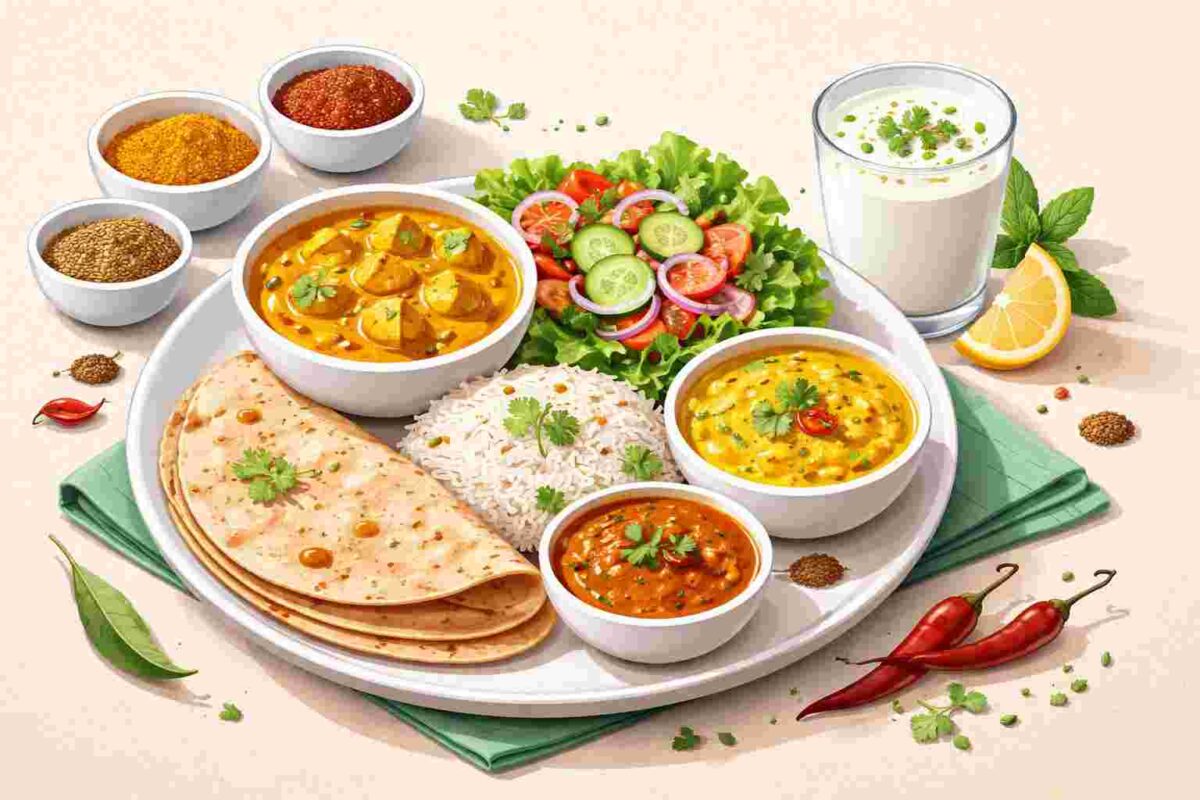
In the ever-bustling world, having a healthy lunch is essential. Healthy Indian lunch ideas focus on balancing taste and nutrition, ensuring that the body receives what it needs. In Indian cuisine, meals are not just about sustenance; they hold cultural significance. A nutritious lunch can energize the body and mind, allowing for optimal performance throughout the day.
Macros and Micros: Understanding Nutritional Elements
- Carbohydrates for energy
- Proteins for muscle repair
- Fats for essential functions
- Vitamins and minerals for immunity
Understanding these elements can help individuals make informed choices about their food, ensuring that lunch isn’t just a mundane task but a vital part of a healthy lifestyle.
Importance of Fiber in Indian Diets
Fiber plays a crucial role in digestion and can significantly impact overall health. High fiber foods include whole grains, legumes, and many vegetables that contribute to a balanced Indian meal. A fiber-rich lunch promotes satiety, which can help prevent overeating, ultimately leading to better energy management.
Role of Spices in Health Benefits
- Turmeric: Anti-inflammatory properties
- Cumin: Aids digestion
- Ginger: Alleviates nausea
- Coriander: Reduces blood sugar levels
Spices are not only essential for flavor but also for their health benefits. They enhance meals while providing additional nutritional advantages, further supporting the aim of a healthy lunch.
Popular Ingredients for Healthy Indian Lunches
To create healthy Indian lunch ideas, it’s crucial to identify core ingredients that contribute to nutritious meals. Below are favorites that resonate in many Indian households, which also ensure a balanced approach to nutrition.
Whole Grains: A Staple Base
- Brown rice
- Whole wheat chapati
- Quinoa
- Millets (bajra, jowar)
Whole grains form the base of many meals and are packed with essential nutrients that aid digestion and maintain energy levels throughout the day.
Legumes: Protein-Packed Options
- Lentils (dal)
- Chickpeas (chana)
- Black beans (rajma)
- Green peas
Legumes are a fantastic source of protein, especially in vegetarian diets, and are frequently used in Indian cooking, providing essential amino acids.
Seasonal Vegetables and Their Benefits
- Spinach: Rich in iron
- Carrots: High in beta-carotene
- Cauliflower: Good source of vitamin C
- Brinjal (eggplant): Antioxidant properties
Using seasonal vegetables not only ensures freshness but also maximizes health benefits and supports local agriculture.
Impact of Healthy Lunches on Productivity and Wellbeing
Healthy Indian lunches not only cater to physical needs but also impact workplace productivity significantly.
Healthier Employees: A Financial Benefit
Numerous studies indicate that employees who consume nutrient-rich meals perform better and take fewer sick days. Healthier employees lead to reduced healthcare costs for businesses.
Long-term Health Savings for Businesses
Investing in healthy lunch options can result in a noticeable decrease in overall health expenses. Companies that encourage nutritious eating can see budgets utilized for health benefits drop as the workforce becomes healthier.
Employee Satisfaction and Nutrition Correlation
Daily access to healthy meals can lead to higher morale within teams, fostering a productive work environment and feeding into greater job satisfaction that ultimately improves retention rates.
Strategic Benefits of Eating Homemade Indian Meals
Home-cooked meals have inherent advantages that often surpass those available when dining out or ordering in. Here are some critical points that favor homemade lunches.
Cost Efficiency of Home-Cooked Meals
- Less spent on ingredients versus dining out
- Control over portion sizes
- Ability to use leftovers creatively
- Minimized food waste
Customization of Nutritional Needs
Home cooking allows for control over ingredients, ensuring that dietary restrictions, preferences, and nutritional needs are met with ease.
Reducing Intake of Unhealthy Ingredients
By preparing meals at home, individuals can limit additives and unhealthy fats commonly found in restaurant meals, leading to better health outcomes over time.
Challenges and Considerations in Meal Preparation
While meal preparation is beneficial, there are challenges to consider that may affect the ability to produce healthy lunches consistently.
Time Constraints in Meal Prep
- Busy work schedules
- Family obligations
- Meal planning fatigue
- Lack of immediate access to fresh ingredients
Finding time to prepare meals can be daunting, leading to increased reliance on convenience foods that might not align with healthy eating goals.
Ingredient Availability and Seasonal Variations
Not all ingredients are available year-round, which can pose difficulties in meal planning. Adapting to seasonal variations is essential for maintaining a nutritious diet.
Balancing Flavor with Healthiness
- Cooking techniques
- Ingredient substitutions
- Innovative flavor enhancers
- Maintaining variety
Many individuals struggle to find the right balance between flavor and healthiness, leading to fewer healthy meal choices.
Comparison of Traditional vs. Modern Healthy Lunch Ideas
A fundamental aspect of healthy Indian lunch ideas lies in comparing traditional meals with modern adaptations. The preferred choices can vary widely based on individuals’ tastes and health consciousness.
Nutritional Value: A Comparative Analysis
| Meal Type | Calories | Protein (g) | Fiber Content (g) | Modern Adaptation |
|---|---|---|---|---|
| Traditional Vegetable Curry with Rice | 400 | 12 | 8 | Quinoa Salad with Grilled Vegetables |
| Dal with Roti | 350 | 20 | 7 | Dal Tacos with Avocado |
| Paneer Bhurji | 500 | 25 | 4 | Tofu Scramble with Spinach |
The table illustrates that while traditional meals have their advantages, modern adaptations often increase nutrition and improve health benefits.
Cultural Preferences and Modern Adoptions
Though traditional meals are cherished, the rise of modern healthy eating practices is evident. New tastes and health needs often challenge existing norms, which leads to fusion recipes gaining popularity.
Taste Profiles: Traditional vs. Contemporary
- Traditional flavors are often bold and rich.
- Modern meals prioritize lightness and freshness.
- Health-focused ingredients may alter the essence of classic dishes.
- Fusion dishes create new experiences with familiar flavors.
Ultimately, both traditional and modern meals have their place in the realm of nutritious eating, and understanding one can enhance the appreciation of the other.
Statistics and Trends in Healthy Eating
To understand the impact of healthy Indian lunch ideas, it is important to examine recent trends backed up by data.
Recent Studies on Dietary Habits (Include Numeric Data)
A recent study showed that 42% of urban Indian homes prefer healthy cooking methods over traditional frying techniques. Such a shift points towards a changing mindset about nutrition. Moreover, the health food market in India is expected to reach USD 5 billion by 2025, indicating significant growth in consumer demand for healthier options.
Growth of Health Food Markets
With more people turning towards health-conscious eating, companies are now focusing on producing organic and natural foods. Globally, the health food market has seen sustained growth rates of nearly 10%, reflecting a growing awareness and preference for nutrition-dense foods.
Demographic Trends in Healthy Eating
- Millennials are embracing plant-based diets.
- Working professionals are more inclined to meal prep.
- Health-conscious parents are choosing better options for their kids.
- Urbanization leads to larger demand for ready-to-eat healthy meals.
These trends indicate a collective shift focusing on long-term health, making room for modern healthy Indian lunch ideas in everyday life.
Case Study: Successful Meal Prep Initiatives
One notable case study that illustrates the efficacy of meal prep initiatives is Company X, which undertook a strategic approach to improve employee health through meal preparation.
Company X’s Meal Prep Program: Before and After
Before implementing a meal prep initiative, employee absenteeism averaged 12 days per employee per year. Following the introduction of healthy lunch options prepared at home and made available in the workplace, this number dropped by a staggering 20%.
Impact on Employee Health Metrics
Health screenings post-implementation revealed that cholesterol levels among employees decreased by 15% on average, showcasing a direct link between nutrition and health status.
Feedback and Adaptations Post-Implementation
Employee satisfaction surveys indicated a significant increase in morale and job satisfaction, with 85% of employees stating that the meal prep options made them feel more productive. Continuous feedback allowed for menu adaptations to ensure variety and address evolving dietary needs.
Future of Healthy Indian Lunches
Looking ahead, the future of healthy Indian lunch ideas appears promising, with various trends set to shape it.
Innovation in Ingredients and Recipes
As awareness of health and nutrition grows, innovation in ingredients—like superfoods (spirulina, chia seeds)—is expected to become commonplace in lunch menus.
The Rise of Plant-Based Eating
- Increased demand for plant-based proteins
- Adaptation of traditional dishes using plant-based substitutes
- Growing awareness about environmental impacts
- Fostering creativity in meal preparation
Technological Advances in Meal Prep
Emerging kitchen technology—aided by apps and automated cooking devices—will help individuals achieve efficiency without sacrificing healthiness, making meal prep a breeze for busy lifestyles.
Frequently Asked Questions about Healthy Indian Lunches
What are some quick healthy Indian lunch recipes?
Quick recipes can range from vegetable stir-fries served over oatmeal to simple lentil soups. The beauty of Indian cuisine lies in its versatility and flavor—playing with spices can enrich even the simplest of recipes.
How can I customize Indian lunches for dietary restrictions?
Customization is key! For gluten-free options, substituting wheaty chapati with millet-based breads works well. Vegan choices can be made readily by swapping dairy for alternatives like coconut yogurt or nut-based cheeses.
What is the role of portion control in healthy eating?
Portion control is critical as it helps prevent excess calorie intake. Understanding serving sizes and using smaller plates can effectively balance meals, allowing individuals to enjoy a variety without overindulging.
How to balance traditional flavors with health needs?
Balance can be achieved by preserving flavors through methods like grilling instead of frying, and incorporating spices generously while using healthy fats in moderation. Health adaptations should aim to maintain the essence of traditional dishes.
What are easy ways to include more vegetables in my meals?
- Incorporate vegetables into rice dishes.
- Use them in wraps and sandwiches.
- Add greens to dals and soups.
- Offer salads as sides with main meals.
Tips for meal prepping Indian lunches effectively.
Effective meal prepping involves a strategic approach: plan out your meals for the week, shop in bulk for fresh ingredients, and utilize time-saving gadgets like food processors. Storing meals in clear, labeled containers enhances visibility and streamlines mealtime choices.
Conclusion: Embracing Healthy Indian Lunch Options
Adopting healthy Indian lunch options is a significant step towards a nutritious and balanced lifestyle. With numerous benefits ranging from improved productivity to long-term health savings, it becomes clear that meal health shouldn’t be overlooked. Incorporating the elements discussed can lead to flavorful, healthy meals that resonate with the cultural richness of Indian cuisine. Start today by experimenting with healthy Indian lunch ideas and enjoy the journey towards better eating!