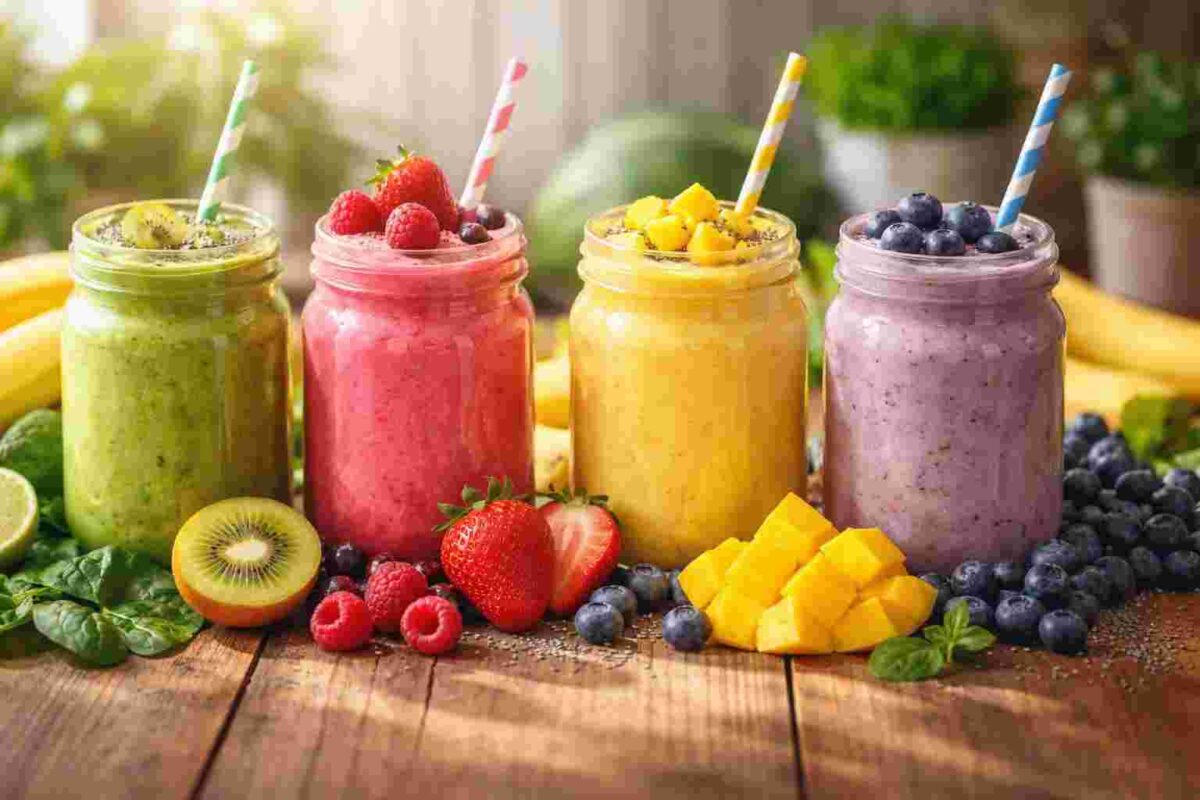
Smoothies have become a beloved option for those aiming to incorporate nutrition into their busy lifestyles. These nutrient-packed beverages not only balance taste and health but also cater to various dietary preferences. This comprehensive guide on easy smoothie recipes explores the many aspects of smoothie preparation, offering delectable recipes while promoting better health through convenient and wholesome choices.
Nutritional Benefits of Smoothies
Smoothies are not just delicious; they are also a powerhouse of nutrients. When crafted thoughtfully, they can pack in a significant amount of vitamins, minerals, and other essential nutrients. Let’s delve deeper into the nutritional benefits:
Vitamins and Minerals in Smoothies
- Vitamins: Smoothies can be rich sources of vitamins such as Vitamin C from fruits and Vitamin A from leafy greens.
- Minerals: Incorporating nuts and seeds brings in vital minerals like magnesium, calcium, and iron.
- Antioxidants: Berries, a common smoothie ingredient, are excellent sources of antioxidants that help combat oxidative stress.
- Electrolytes: Ingredients like coconut water provide essential electrolytes, which ensure proper hydration and muscle function.
Role of Fiber
Fiber is crucial for digestive health and can aid weight management. Smoothies that include whole fruits and vegetables maintain their fiber content, which helps keep you full and satisfied. Here’s how fiber benefits you:
- Digestive Health: Fiber promotes regular bowel movements and supports gut health.
- Weight Management: High-fiber foods can help control appetite and reduce calorie intake.
- Blood Sugar Control: Fiber helps slow the absorption of sugar, lowering blood sugar spikes.
- Heart Health: Soluble fiber can lower cholesterol levels, contributing to cardiovascular fitness.
Protein Sources for Smoothies
Incorporating protein into smoothies can amplify their nutritional profile, especially for muscle repair and satiety:
- Yogurt: Greek yogurt adds creaminess and an excellent source of protein.
- Nut Butters: Almond or peanut butter can enhance flavor and increase protein content.
- Protein Powders: Incorporating whey or plant-based protein powder can provide a substantial protein boost.
- Seeds: Chia seeds and flaxseeds not only add protein but also introduce omega-3 fatty acids.
Essential Ingredients for Smoothies
The base of a good smoothie lies in its ingredients. Knowing what to include can elevate a basic recipe into a gourmet experience:
Fruits
- Berries: Strawberries, blueberries, and raspberries add natural sweetness and vibrant colors.
- Bananas: They offer creaminess and a natural sweetness while also being high in potassium.
- Mango: Brings tropical flair to smoothies and is high in Vitamin C.
- Pineapple: Adds a refreshing tang and is beneficial for digestion.
Vegetables
- Spinach: An excellent leafy green that is virtually tasteless when blended but packed with nutrients.
- Kale: More robust in flavor than spinach but very nutrient-dense, kale can boost vitamin A and K.
- Beets: Offer sweetness and a deep color, plus they’re rich in antioxidants.
- Carrots: Provide a slightly sweet flavor and are rich in beta-carotene.
Dairy and Non-Dairy Bases
- Milk: Cow’s milk or almond milk can serve as a creamy base.
- Yogurt: Adds protein and probiotics to improve gut health.
- Nut Milk: Almond or oat milk caters to lactose-intolerant individuals and adds unique flavors.
- Coconut Water: A hydrating base option that helps replenish electrolytes.
Preparation Techniques for the Perfect Smoothie
To make smoothies that are not just nutritious but also enjoyable, the preparation process is key:
Blending Techniques
Using the right technique can drastically affect the outcome of your smoothie. Always start by layering ingredients correctly. Begin with liquids, followed by softer ingredients, and top with harder fruits and frozen items. This ensures a smooth blend. Higher-powered blenders can create a better consistency, but even lower-powered models can achieve great results with patience.
Layering Ingredients
Proper layering will help the blender process the ingredients effectively:
- Place liquid at the bottom for smoother blending.
- Next, add fresh greens, as they can be bulky.
- Add fruits and other additions next.
- Top off with ice or frozen fruits to keep the smoothie cold and thick.
Using Frozen vs. Fresh Produce
Both fresh and frozen produce have their pros and cons. Frozen fruits can make your smoothie thicker and chill it without diluting flavors. However, fresh produce tends to be superior in nutritional content if consumed immediately. Consider using half fresh and half frozen for the best of both worlds!
Smoothie Recipes for Various Dietary Needs
One of the beauties of smoothies is their versatility. Below are some tailored smoothie recipes for specific dietary requirements:
Vegan Smoothies
Ingredients: 1 banana, 1 cup almond milk, 1 cup spinach, 2 tablespoons of almond butter, and a few ice cubes.Simple to prepare and loaded with nutrients, this smoothie offers a rich, creamy texture without any animal products.
Protein-Packed Smoothies for Athletes
Ingredients: 1 cup Greek yogurt, 1 scoop protein powder, 1 banana, 1 tablespoon peanut butter, and 1 cup almond milk.This smoothie supports recovery post-workout and offers substantial protein content for muscle repair and growth.
Low-Calorie Smoothies for Weight Loss
Ingredients: 1 cup spinach, 1 cup frozen berries, 1 tablespoon chia seeds, and 1 cup water.Rich in fiber and low in calories, this smoothie offers a filling, health-conscious option for weight management.
Strategic Advantages of Smoothies in Meal Planning
Smoothies are not only nutritious but also strategically beneficial when planning meals:
Quick Meal Solutions
Smoothies can be quickly prepared, making them ideal for mornings when time is scarce. Blending a nutritious smoothie can provide one or two of your daily servings of fruits and vegetables.
Portability and Convenience
Designed to be consumed on-the-go, smoothies can be packed in a bottle or jar for easy transportation, making them a perfect option for busy individuals.
Customizable Nutrition
- Variety: You can tailor smoothies to fit your taste and health goals.
- Lasting Freshness: Preparing smoothies in advance can save time.
- Meal Replacements: For those on-the-go, smoothies can act as quick meal replacements with added nutritional perks.
- Festive Flavors: Depending on the season, you can highlight various fruits, making each smoothie unique.
Limitations and Risks of Smoothie Consumption
While the advantages are plentiful, it’s vital to stay informed about the limitations and potential risks of incorporating smoothies into your diet:
Sugar Content in Smoothies
High sugar content can be a concern, particularly with many fruits and added sweeteners. Moderation is crucial. One might consume more fruit than they would have eaten whole, leading to excessive sugar intake.
Caloric Misconceptions
It’s easy to underestimate calories in smoothies, especially if they are loaded with ingredients. Tracking and ensuring balance with your dietary goals is essential.
Ingredients Allergies
As with any food, always consider allergies. Certain fruits, nuts, or powders can trigger allergic reactions, so it’s advisable to customize your smoothie according to your specific dietary needs.
Comparison of Popular Smoothie Bases
Understanding the types of smoothie bases you can use is key to achieving different flavors and textures.
| Base Type | Description | Pros | Cons |
|---|---|---|---|
| Fruit Juices | Liquid extracted from fruits | Sweet and refreshing, packed with vitamins. | High in sugar, low in fiber. |
| Milk Alternatives | Plant-based milk (almond, soy, oat) | Dairy-free option, adds creaminess. | Some varieties may have added sugars. |
| Regular Milk | Cows’ milk | Good source of protein and calcium. | Not suitable for lactose-intolerant individuals. |
| Smoothie Powders | Protein or meal replacement powders | Convenient, boosts protein content. | Can contain additives, consider quality. |
| Frozen Fruits | Pre-harvested fruits stored at low temperatures | Adds thickness and chill without diluting flavors. | May contain added sugars, check labels. |
Smoothie Industry Trends and Market Statistics
The smoothie industry continues to grow, reflecting changing consumer preferences and health trends:
Market Growth Rates
Currently, the smoothie industry is estimated to grow at a compound annual growth rate of over 8% from 2021 to 2026. Consumers prioritize health and convenience, leading to the increasing popularity of smoothies as an option for on-the-go nutrition.
Consumer Preferences
Research from IBISWorld indicates that the global smoothie market is expected to reach $6.4 billion by 2025. Consumers favor transparency in ingredients, favoring natural and organic products without additives.
Health Trends Influencing Smoothie Choices
- Increase in plant-based diets.
- Growing focus on immune-boosting ingredients.
- Rising interest in weight management.
- Emphasis on sustainable and ethically sourced ingredients.
Real-World Success Stories: Transformations with Smoothies
Many individuals and businesses have embraced smoothies, showcasing fantastic transformations:
Personal Health Journeys
People worldwide have reported significant health improvements after integrating smoothies into their diets. One woman lost over 50 pounds in a year with meal-replacement smoothies, focusing on portion control and nutrient balance.
Business Case Study of a Smoothie Bar
A smoothie bar that introduced a range of health-focused smoothies saw a 30% revenue increase after launching its new menu. By appealing to health-conscious consumers, the business successfully attracted a new demographic.
Community Health Initiatives
Communities that have introduced smoothie-making workshops report better health outcomes, with participants noting increased fruit and vegetable intake and improved overall health awareness.
Future Trends in Smoothie Development
As the health landscape evolves, smoothies will undoubtedly adapt:
Adaptations to Dietary Trends
With the growing trend towards plant-based eating, future smoothies will increasingly incorporate more plant native elements and exotic protein sources, such as pea or hemp protein.
Sustainability in Ingredients
Expect to see more focus on sustainability—brands might innovate in variety, sourcing produce locally or using regenerative farming practices for ingredients.
Technological Advancements in Preparation
- Blender technologies will evolve to optimize nutrient preservation.
- Mobile apps may propose customized smoothie recipes based on personal health data.
- Smart kitchen appliances will enable hands-free preparation.
- Smoothie delivery services might tailor offerings to specific dietary needs—with a focus on convenience and nutrition.
Frequently Asked Questions about Smoothies
What is the best time of day to drink a smoothie?
Many people enjoy smoothies in the morning as part of a healthy breakfast, as they can provide a nutritious start to the day. However, smoothies can be consumed at any time; whether as a mid-morning snack, post-workout replenishment, or an afternoon pick-me-up. It ultimately depends on personal preferences and dietary needs.
Can smoothies replace meals?
Smoothies can effectively replace meals if they contain a balanced ratio of macronutrients—proteins, fats, and carbohydrates. When prepared mindfully, they can provide essential nutrition that a meal would typically deliver. Nevertheless, portion control is critical; too many calories can lead to an undesired intake if not monitored.
How to reduce sugar in smoothies?
To keep sugar levels in check while enjoying smoothies, opt for whole fruits rather than fruit juices, as they contain less concentrated natural sugars. Additionally, using non-sweetened nut milk or water as a base can further minimize sugar content. Incorporating leafy greens also adds volume without adding sweetness, helping balance the flavor profile.
What’s the difference between smoothies and juices?
The primary difference between smoothies and juices is the use of whole fruits and vegetables in smoothies. While juices extract only the liquid, smoothies blend the full produce, maintaining fiber content, making them more filling and nutritionally dense. Smoothies generally provide a thicker texture and offer various health benefits that juices may lack due to their lower fiber content.
How can I make my smoothie thicker?
There are several effective methods to achieve a thicker smoothie. One option is to include frozen fruits, which naturally chill and thicken the mixture. Another approach is to incorporate ingredients like oats or avocado, which can enhance the creaminess. Reducing the liquid amount while adding more solid ingredients will also contribute to achieving your desired thickness.
Are smoothies good for weight loss?
Smoothies can be a fantastic tool for weight loss if consumed mindfully. They offer nutrient density without excessive calories if balanced correctly with protein, fats, and fiber. Opting for low-sugar fruits and adding vegetables can enhance nutritional value while keeping caloric intake in check. Furthermore, smoothies can serve to replace high-calorie snacks or meals, promoting steady weight loss.
Conclusion: Embracing Smoothies for a Healthier Lifestyle
Smoothies present a unique opportunity to enrich our diets with essential nutrients while enjoying convenient meal options. Incorporating them into your daily routine can offer long-term health benefits. Their versatility means that everyone can find a combination that meets their unique needs, from weight loss to gaining muscle. So why not start today? Blend up a vibrant smoothie and kickstart your journey towards optimal health!