
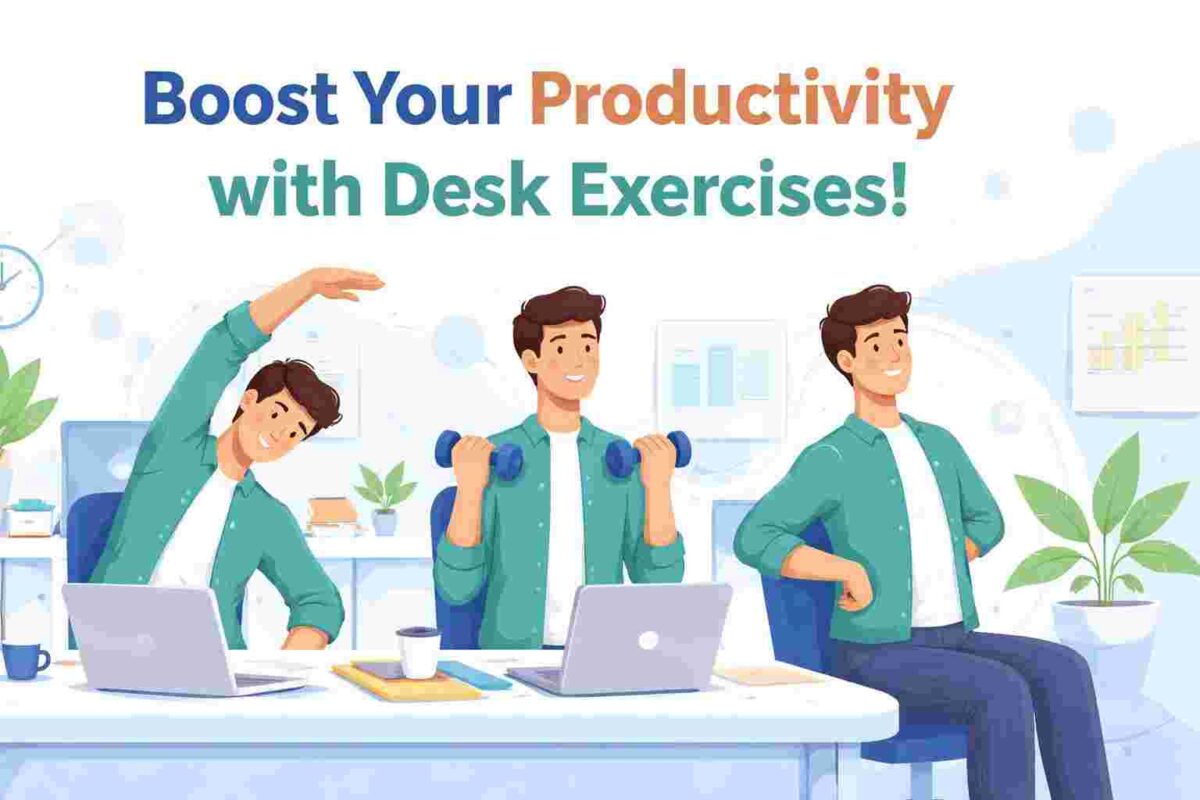
In the modern workplace, office workers are increasingly finding themselves tethered to their desks for prolonged periods. This sedentary lifestyle poses significant risks to health and productivity. Therefore, incorporating desk exercises for office workers is vital not only for individual well-being but for the overall effectiveness of companies. In this article, we will dive deep into the importance of desk exercises, their impacts on productivity, the physiological mechanisms involved, and the strategic advantages they offer.
The Importance of Desk Exercises
Understanding the necessity of movement during office hours is critical in combating the health issues related to a sedentary lifestyle. Desk exercises can offer a multitude of benefits for office workers:
- Improvement in flexibility
- Reduced muscle tension
- Enhanced mental clarity
- Lower risk of chronic diseases
- Boosted energy levels
Many office workers face common physical issues such as back pain, neck strain, and repetitive stress injuries. These problems can lead to decreased productivity and increased absenteeism. Preventative strategies against a sedentary lifestyle include incorporating regular desk exercises that can alleviate symptoms and enhance overall health.
Benefits of Movement During Office Hours
Moving throughout the day can counteract the harsh realities of prolonged sitting. Incorporating simple desk exercises can increase blood circulation, reduce fatigue, and improve mental performance. A notable study found that just 15 minutes of movement per hour can significantly improve concentration and decrease feelings of tiredness.
Common Physical Issues Faced by Office Workers
Office workers commonly experience:
- Lower back pain
- Neck stiffness
- Eye strain from prolonged screen time
- Hand and wrist pain from typing
- Increased anxiety and stress levels
Preventative Strategies Against Sedentary Lifestyle
To mitigate the effects of a sedentary lifestyle, consider implementing short exercise breaks, standing desks, or even walking meetings. Integrating desk exercises for office workers into your daily routines can significantly reduce the risks associated with prolonged sitting.
How Desk Exercises Impact Workplace Productivity
The benefits of desk exercises extend far beyond individual health—they positively affect workplace productivity as well. Here’s how:
- Improved focus and concentration
- Reduced absenteeism due to fewer health issues
- Enhanced job satisfaction through a supportive work environment
When employees engage in desk exercises, they often experience a boost in productivity. Not only do they feel better physically, but they also become more engaged and motivated in their work. Research shows that employees who participate in workplace wellness programs, including desk exercises, are 25% more productive.
Effects on Focus and Concentration
Desk exercises stimulate the brain by increasing blood flow, which can enhance cognitive function. This increase in focus is often measurable. In fact, studies have demonstrated that companies implementing regular desk exercise sessions saw a 17% increase in employee concentration levels.
Potential Reduction in Absenteeism
By addressing common health issues early through desk exercises, organizations may find a reduction in absenteeism. Employees engaged in movement report fewer illnesses and a notable decrease in stress-related leaves.
Link Between Physical Activity and Job Satisfaction
Physical activity has a direct correlation with job satisfaction. When employees feel better physically, they are more likely to report higher job satisfaction levels, thereby contributing to a more engaged workforce.
Mechanisms Behind Desk Exercises
To fully appreciate the importance of desk exercises for office workers, it’s essential to understand how they function physiologically. Here’s a look at the mechanics involved:
- Enhanced blood circulation throughout the body
- Reductions in muscle tension and improved posture
- Endorphin release leading to better mental health
Impact on Blood Circulation
Desk exercises can significantly improve blood circulation, enabling better oxygen and nutrient delivery throughout the body. This is crucial for improved mental function and overall energy levels.
Effects on Muscle Tension and Posture
Regular movement can alleviate muscle tension caused by static postures. Specific desk exercises can help strengthen key muscle groups and promote better posture, which is often overlooked in office settings.
Endorphin Release and Mental Health Benefits
Engaging in physical activity stimulates the release of endorphins in the brain, often referred to as ‘feel-good’ hormones. This biochemical reaction can lead to reduced feelings of stress and anxiety, promoting overall mental wellness in office environments.
Strategic Advantages of Office Desk Exercises
Companies that embrace desk exercises can reap numerous strategic advantages:
- Enhanced employee morale and workplace culture
- Reduction in healthcare costs for chronic conditions
- Higher talent retention rates by fostering a better work environment
Enhancing Employee Morale and Culture
By promoting a culture that values health and wellness, employers can boost employee morale. Activities like group desk exercises or wellness challenges can create camaraderie among colleagues.
Reducing Healthcare Costs
Companies that invest in prevention through desk exercises may notice a decline in their healthcare costs as employees become less prone to chronic issues profoundly linked to a sedentary lifestyle.
Retention of Talent Through Improved Workplace Environment
A healthy work environment leads to enhanced job satisfaction, which can significantly improve talent retention. Employees are more likely to stay at a company that prioritizes their health and well-being.
Limitations and Risks of Desk Exercises
While the benefits of desk exercises are substantial, it is essential to acknowledge potential drawbacks:
- Possible overexertion and risk of injury if not done correctly
- Misinterpretation of exercise guidelines can lead to ineffective routines
- The need for proper training and resources to maximize effectiveness
Overexertion and Injury Risks
One significant limitation is the risk of overexertion, especially if employees rush through exercises without proper guidance. It’s crucial that exercises are demonstrated correctly and that employees listen to their bodies.
Misinterpretation of Exercise Guidelines
Without proper guidance, employees may misconstrue exercise routines, leading to ineffective practices and possibly injuries. Clear communication and accessible resources are essential.
Need for Proper Training and Resources
To avoid pitfalls, organizations should invest in training sessions to instill proper technique, ensuring all employees feel confident in their ability to participate safely in desk exercises.
Desk Exercise Comparison: Pros and Cons
Exploring various types of desk exercises can help individuals and organizations make informed choices. Below is a comparison table outlining the pros and cons of different exercise types.
| Type of Exercise | Pros | Cons |
|---|---|---|
| Stretching | Improves flexibility, reduces tension | Not as physically intense |
| Strength Training | Builds muscle, improves posture | Requires equipment, potential for injury |
| Static Movements | Simple to perform, easy to integrate | May not provide substantial cardio benefits |
| Dynamic Movements | Increases heart rate, effective calorie burning | More complex, may require space |
| Short Exercises | Can be done quickly, easy to remember | May not be sufficient for longer-term benefits |
| Longer Routines | Comprehensive and thorough | Time-consuming, less likely to be adopted regularly |
Statistics and Market Trends in Office Health
The adoption of desk exercises is part of a larger trend in workplace health initiatives. High-profile studies have yielded a wealth of data:
- Over 80% of companies are investing in employee wellness initiatives.
- Businesses can see a $3 return for every $1 invested in health programs.
Trends in Workplace Wellness Programs
Workplace wellness programs are shifting towards more holistic approaches, with desk exercises being a keystone element. As remote work increases, companies are finding innovative ways to promote health, including virtual desk exercise classes.
Statistical Impact of Exercise on Productivity Metrics
Research reveals a correlation between desk exercises and improved productivity metrics. Companies that have implemented such programs saw a 65% increase in employee engagement.
Market Analysis of Ergonomic Products
The ergonomic product market is projected to reach $8 billion by 2027, reflecting growing recognition of the importance of physical wellness in the workplace. This includes standing desks, ergonomic chairs, and exercise equipment designed for office use.
Real-World Case Studies on Desk Exercises
Many organizations have experienced transformative changes through the implementation of desk exercises. Here are a few notable examples:
Company A’s Journey and Outcomes
Company A, a leading tech firm, began incorporating desk exercises into their routine. Within six months, employee satisfaction increased by 40%, and absenteeism dropped by 30%, showcasing the effective integration of movement into the workday.
Quantitative Results from Industry Leaders
Another industry leader reported a 20% improvement in productivity metrics after introducing structured desk exercises. Additionally, overall employee wellness scores rose by 50% over the same period.
Lessons Learned from Successful Implementations
Key takeaways from the experiences of these companies include the importance of leadership buy-in, the provision of necessary resources, and continual assessment of exercise effectiveness to ensure sustained engagement from employees.
Future Outlook: Desk Exercises in Evolving Workspaces
As the workplace evolves, so too will the strategies for incorporating desk exercises. Key trends to consider include:
- The rise of remote work and adaptations for desk exercises
- Advancements in technology that facilitate exercise
- Cultural shifts towards prioritizing health in corporate settings
The Rise of Remote Work and Desk Exercise Adaptations
The remote work trend necessitates adaptations for desk exercises to ensure individuals working from home can also participate. Companies are developing virtual wellness platforms to keep employees engaged.
Technological Enhancements for Desk Exercises
Innovations in health-tech, such as apps that remind employees to exercise and provide instructions for desk workouts, are likely to enhance the effectiveness of desk exercises and drive engagement.
Cultural Shifts Towards Health in Corporate Settings
As awareness around health and wellness increases, we expect to see an uptick in companies prioritizing desk exercises as part of their corporate culture. This cultural shift will redefine employee expectations and enrich workplace environments.
Frequently Asked Questions about Desk Exercises
What are the best desk exercises for beginners?
Some effective desk exercises for beginners include neck rolls, shoulder shrugs, wrist stretches, and seated leg lifts. These exercises are simple and require minimal time, making them ideal for a bustling workday.
How often should I do desk exercises?
Experts recommend incorporating desk exercises every hour to combat the negative effects of prolonged sitting. A brief 5-10 minute stretch or movement can rejuvenate both the mind and body.
Are there specific exercises for specific office-related ailments?
Yes! For instance, wrist exercises can relieve tension from typing, while back stretches can alleviate discomfort from sitting. Tailoring exercises to address specific issues is a proactive way to enhance office wellness.
Can desk exercises really improve productivity?
Absolutely! Numerous studies have documented how regular movement can lead to heightened focus and engagement, ultimately translating to higher productivity levels. This creates a sustainable environment for both employers and employees.
What equipment is needed for desk exercises?
Most desk exercises can be performed without any equipment. However, for added benefits, resistance bands and light weights can enhance strength training exercises. Companies may also invest in ergonomic equipment that supports various activities.
How to convince my employer to implement desk exercise programs?
Presenting data on the benefits of desk exercises, including reduced absenteeism and improved employee satisfaction, can be persuasive. Highlighting success stories from other companies can also help foster support for such programs.
Conclusion: Integrating Desk Exercises into Office Culture
In conclusion, the integration of desk exercises for office workers is not only beneficial for individual health but also strategically advantageous for businesses. As workplaces evolve, the focus on wellness will become increasingly essential. By encouraging movement and incorporating desk exercises into daily routines, companies can enhance overall productivity, reduce healthcare costs, and foster a positive work environment. Embracing this shift is not just a trend but a much-needed adjustment to improve health and productivity in today’s office culture.