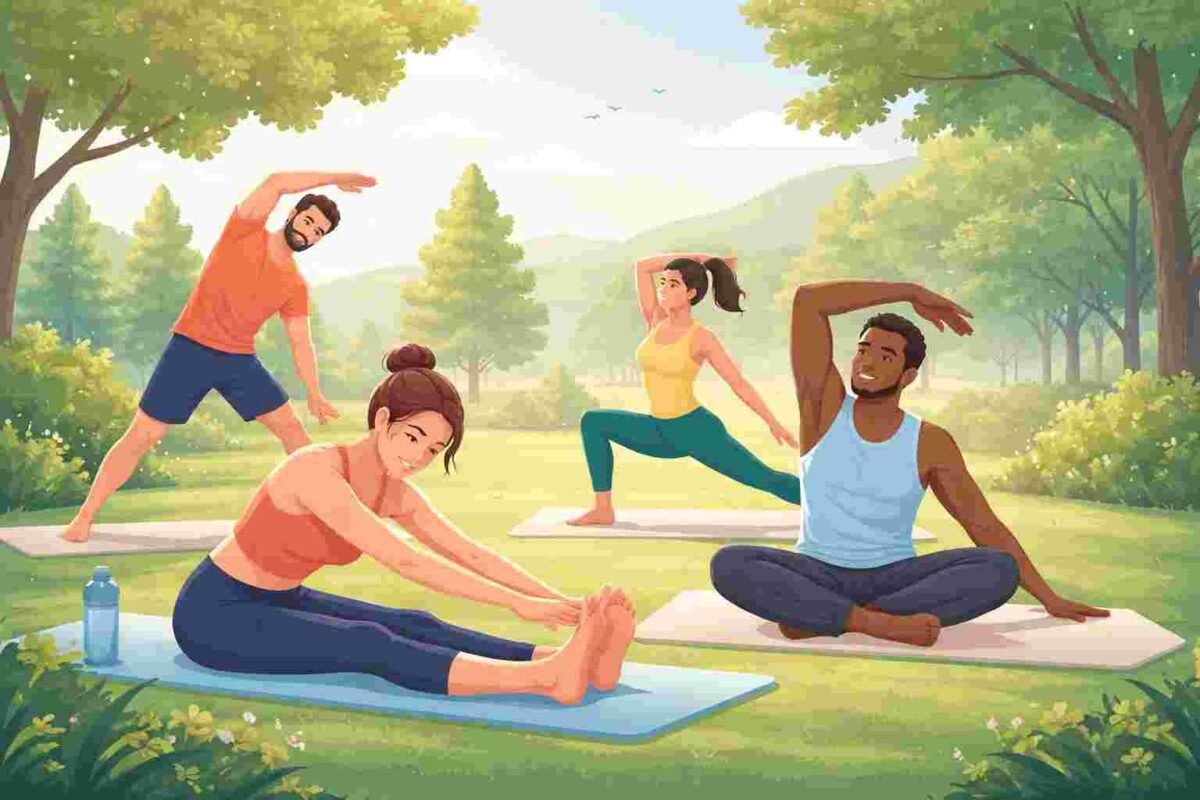
Daily stretching is more than just a series of movements; it represents a lifestyle change that can profoundly impact your physical and mental well-being. Recognizing the benefits of daily stretching is essential to maintaining a healthy and active lifestyle. Stretching is often viewed merely as a precursor to exercise, but its advantages extend far beyond warm-ups or cool-downs. This comprehensive guide will delve into how making stretching a daily habit can improve not just your flexibilities—such as your physical health—but your mental clarity and overall quality of life.
Understanding the Essential Benefits of Stretching
Before we explore the mechanics and nuances of stretching, let’s first clarify what daily stretching entails and why it matters.
Physical health improvements
- Improved posture and alignment
- Reduced muscle stiffness and soreness
- Enhanced blood flow
- Decreased risk of injury
Daily stretching contributes significantly to physical health, helping to prevent injuries by preparing your muscles for any strains. Regularly incorporating stretching into your routine helps keep your body aligned and functioning optimally.
Enhanced flexibility and mobility
- Greater range of motion in joints
- Increased elasticity of muscles
- Improved athletic performance
- Faster recovery from workouts
Stretching promotes enhanced flexibility and mobility, which is crucial as we age or if we lead a sedentary lifestyle. Greater flexibility leads to easier movements in daily tasks and a noticeable reduction in the discomfort often associated with tight muscles.
Mental health benefits
- Reduced stress and anxiety
- Improved focus and concentration
- Enhanced mood
- Better sleep quality
Studies have shown that stretching can release endorphins—hormones that foster a sense of well-being. The combination of physical release and mindful movement encourages a state of relaxation, essential for mental clarity.
The Science Behind Stretching: Mechanisms and Effects
Understanding the mechanisms of stretching provides insights into the profound effects it has on our bodies.
Muscle fiber elongation
Stretching leads to muscle fiber elongation, where the musculature adapts to increased length. This phenomenon not only improves flexibility but can also aid in muscle development and function.
Improved blood circulation
Stretching enhances blood circulation by allowing increased blood flow to muscles and tissues. More oxygen and nutrients are delivered, promoting faster recovery and better performance during physical activity. Studies show that regular stretching can lead to a decrease in the rest heart rate and a reduction in potential cardiovascular conditions.
Nervous system effects
The nervous system reacts positively to stretching, heightening your body’s awareness and coordination. These connections allow for more precise and immediate responses during physical exertion.
Stretching in Corporate Wellness Programs
Many organizations are beginning to recognize the benefits of daily stretching within corporate wellness programs and the subsequent ROI from such initiatives. By incorporating stretching into workplace routines, organizations are reaping significant rewards.
Reduced employee absenteeism
- Decreased muscle tension
- Improved employee morale
- Lower healthcare costs
- Enhanced employee retention
By reducing muscle tension through daily stretching, employees find themselves feeling less fatigued and experiencing fewer workplace injuries, leading to lower absenteeism rates.
Increased productivity and morale
- Heightened focus during work hours
- Improved workplace relationships
- Greater employee motivation
- Reduced workplace stress
Incorporating stretching can improve workplace morale, demonstrating to employees that their concerns and health are prioritized. It creates a culture of wellness that fosters motivation and productivity.
Cost-effectiveness of wellness programs
Investing in stretching programs can be financially beneficial. A study by the Centers for Disease Control and Prevention noted that for every dollar spent on workplace wellness, businesses can save about $3 for every employee through reduced healthcare costs and increased productivity.
Strategic Advantages of Daily Stretching for Athletes
Athletes, in particular, stand to gain significantly from focusing on stretching as part of their training regimens. Here’s why.
Injury prevention strategies
- Strengthening muscles through elasticity
- Improved stability during movements
- Reduced risk of strains and tears
- Enhanced overall physical resilience
Daily stretching conditions the muscles, preparing them for extensive physical activity, which can drastically reduce the likelihood of injuries during events.
Enhanced athletic performance
- Faster reaction times
- Improved balance and coordination
- Greater agility in movements
- Higher performance levels
Studies have demonstrated that athletes who incorporate stretching into their regular training may achieve improved performance outcomes, as flexibility directly influences how efficiently an athlete can perform various tasks.
Recovery and rehabilitation benefits
In post-exercise periods, stretching helps clear lactic acid and other metabolic wastes, accelerating recovery time and enhancing subsequent performance.
Limitations and Risks of Overstretching
Despite the numerous benefits, daily stretching is not without its risks. Understanding these limitations is crucial.
Common injuries from overstretching
- Muscle strains
- Tendinitis
- Joint instability
- Pulled ligaments
Injuries can occur when individuals push their bodies beyond safe limits—leading to more harm than good. It’s vital to listen to your body and avoid pushing through pain.
Importance of proper technique
- Ensuring correct posture
- Taking the time to learn techniques from professionals
- Understanding limits
- Setting realistic goals
Adopting proper techniques is essential for effective stretching. Beginners especially should consult fitness professionals to ensure they’re implementing stretches correctly.
Situations when stretching might not be beneficial
- Acute injuries
- Inflammatory conditions
- Post-surgery considerations
- Painful joint conditions
In cases of injury, inflammatory conditions can be exacerbated by stretching. It’s essential to seek medical advice before starting a stretching regimen if existing health issues are present.
Comparative Analysis: Static vs. Dynamic Stretching
Both static and dynamic stretching serve unique purposes. Here’s a detailed evaluation of their differences through this comparative table:
| Stretch Type | Benefits | Best Practices |
|---|---|---|
| Static Stretching |
|
|
| Dynamic Stretching |
|
|
Statistics and Market Trends on Stretching Practices
As stretching gains more recognition, various statistics leverage the effectiveness and popularity of stretching in different demographics.
Prevalence of stretching in various demographics
According to recent surveys, 67% of adults incorporate stretching into their fitness routines at least twice per week, showing a significant trend in adopting daily stretching practices.
Impact on health metrics (e.g., flexibility, pain reduction)
A study found that participants who engaged in daily stretching experienced a 25% reduction in chronic muscle pain and an increase in flexibility by an average of 30 degrees over a six-month period. This data underscores the profound impact of stretching on improving overall health metrics.
Trends in fitness industry targeting stretching
The fitness industry has increasingly moved towards including stretching programs, with a 40% rise in stretching classes offered at gyms worldwide in the last three years. This trend is reflective of a broader movement towards holistic approaches in fitness.
Real-World Case Study: Results of Daily Stretching in Schools
Implementing a daily stretching initiative in schools has yielded remarkable results. A case study in a district in Colorado showcased measurable benefits.
Before-and-after flexibility assessments
- Students demonstrated an average increase of 20% in flexibility.
- Data showed a reduction in musculoskeletal discomfort reports among students by 30%.
Upon integrating stretching routines, measurable improvements were observed not only in flexibility but also in students’ physical awareness.
Effects on student concentration levels
- Teachers noted a 15% increase in students’ ability to focus.
- Behavioral issues decreased in the classroom as students became more engaged.
The stretching initiative led to declines in common behavioral distractions, providing students with the ability to engage more effectively in their learning activities.
Overall health outcomes in the school population
- Overall betterment in physical health metrics recorded by the school nurse.
- Improved attendance rates correlated with stretching program engagement.
Daily stretching not only benefited individual students but significantly improved overall health outcomes within the school population.
Future Outlook: The Evolving Role of Stretching in Health and Fitness
As research continues to outline the importance of stretching, several exciting trends are emerging in this domain.
Emerging technologies in stretching
- Smart stretching devices that monitor techniques
- AI-driven apps providing personalized stretching plans
- Virtual reality platforms for guided stretching
Emerging technologies are revolutionizing how we approach stretching, making it more accessible, personalized, and effective.
Integrating stretching into modern fitness programs
- Create synergized programs that blend strength and flexibility training
- Design dynamic warm-up routines with integrated stretching
- Enhance athletic training regimes with a focus on recovery through stretching
Fitness professionals are beginning to recognize that integrating stretching into training programs can lead to optimal performance and recovery.
Potential new health guidelines
The evolving nature of stretching in health recommendations is paving the way for potential new guidelines that focus on well-rounded fitness, emphasizing the importance of flexibility as a critical component of overall health.
Frequently Asked Questions about Stretching
What is the best time to stretch?
The optimal time to stretch can vary based on your daily activities. Many fitness experts recommend stretching both before and after exercising. Before workouts, dynamic stretching can help warm up the body and prepare your muscles, while static stretching post-workout aids in recovery and flexibility.
Can stretching help with chronic pain?
Stretching has shown promise in alleviating chronic pain for many individuals. Regular stretching can improve blood flow, reduce muscle tension, and promote relaxation—all of which contribute to a decrease in chronic pain symptoms. However, it’s crucial to consult with healthcare professionals when considering stretching as a remedy for specific conditions.
How long should I hold each stretch?
Holding stretches for 15 to 30 seconds is generally recommended for maximum benefit. It’s essential to listen to your body—if a stretch feels overly uncomfortable, shorten the duration or modify the posture. Always stretch gently and avoid any sudden movements.
Is stretching beneficial for seniors?
Absolutely. Stretching can greatly benefit seniors by enhancing their flexibility, balance, and overall mobility. Engaging in regular stretching routines can help seniors maintain independence, improve their quality of life, and decrease the risk of falls.
Are there specific stretches for different sports?
Yes, different sports may require specific stretches tailored to the muscle groups and actions involved. For instance, runners may benefit from hip and hamstring stretches, while swimmers might focus on shoulder and core opening stretches. Tailoring your stretching routine to your sport can enhance performance and prevent injury.
How often should one stretch daily?
For optimal results, individuals are advised to stretch at least 3-5 times a week. Implementing a daily routine can be beneficial, especially for those with specific flexibility goals or recovery needs. Remember, consistency is key in reaping the stretching benefits!
Concluding Thoughts on the Value of Daily Stretching
In wrapping up, the benefits of daily stretching are overwhelmingly positive, revealing significant improvements in both physical and mental health. An investment in stretching doesn’t just enhance flexibility; it positively affects posture, reduces tension, and contributes to mental clarity, making your daily activities more manageable. By starting slowly and incorporating stretches into your routine consistently, you pave the way for long-term health benefits that could enhance your quality of life.
As you begin your journey, stay motivated by reminding yourself of the numerous advantages daily stretching can unlock. Together, we can foster a culture of wellness that prioritizes health and vitality—one stretch at a time.