
Introduction
In a fast-paced world, where time is of the essence, the significance of automation in daily life cannot be overstated. The emergence of various technologies has revolutionized how we manage our routines and tackle mundane tasks. From smart home devices to automated software that enhances productivity, these innovations offer numerous benefits ranging from increased efficiency to significant cost savings. In this article, we delve into a comprehensive examination of the automation ideas that can elevate our daily lives, making them smoother and more manageable.
Understanding Automation in Daily Life
To appreciate the impact of automation, we first need to define it and explore its significance in our everyday activities.
Definition of Automation
Automation refers to the utilization of technology to perform tasks without human intervention. It encompasses a wide range of applications, from simple home appliances to complex manufacturing systems. The primary goal is to enhance efficiency and reduce the need for manual effort.
Types of Automation
- Fixed or Hard Automation: Designed for mass production of a limited range of products.
- Programmable Automation: Involves reprogramming machines for different tasks.
- Flexible Automation: Enables the production of varied products with minimum downtime.
- Industrial Automation: Utilizes control systems to handle machinery and processes in industrial settings.
- Home Automation: Also known as domotics, involves using technology to control home functions like lighting, security, and HVAC.
Examples in Daily Life
Automation permeates various aspects of daily life:
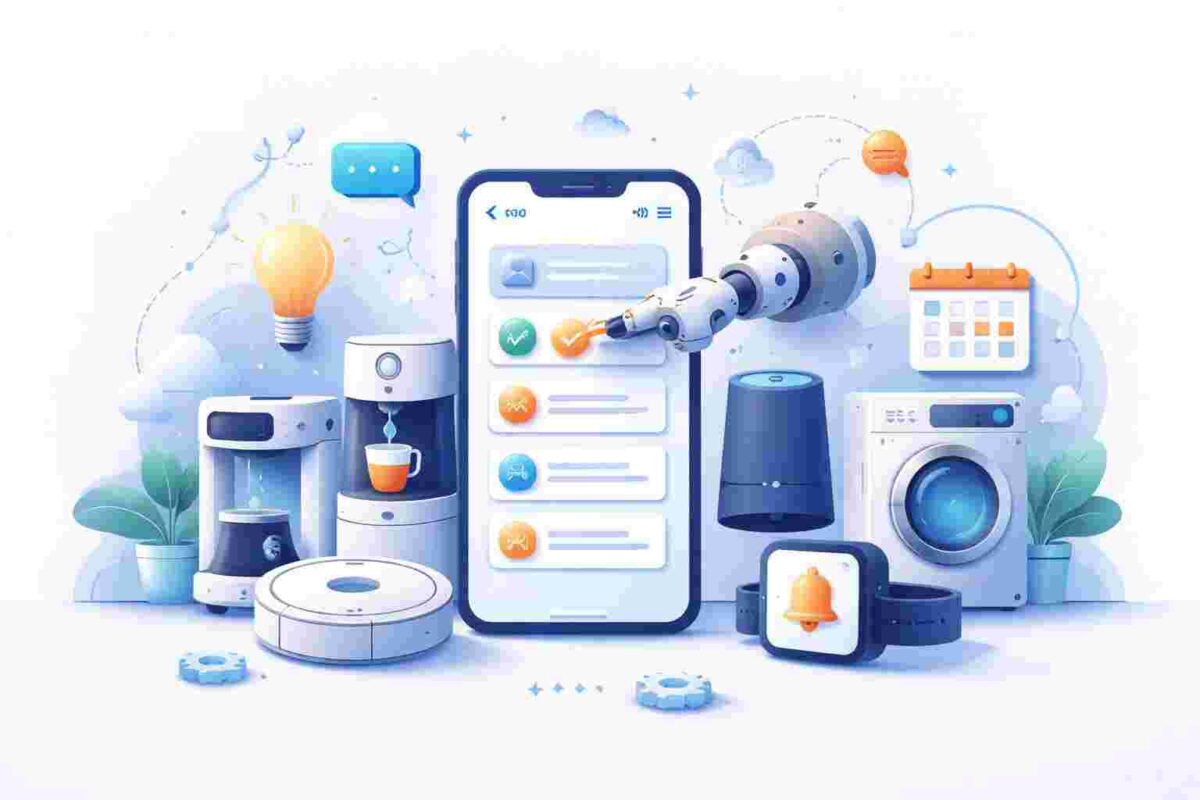
- Smart Thermostats: Automatically adjust home temperatures based on patterns.
- Coffee Makers: Scheduled brewing for morning routines.
- Voice Assistants: Manage tasks through voice commands.
- Robotic Vacuum Cleaners: Carry out cleaning tasks autonomously.
- Online Bill Payments: Automate monthly financial obligations.
Technological Mechanisms Behind Automation
To understand the potential of automation, it’s essential to explore the technologies that power these tools and systems.
Artificial Intelligence and Machine Learning
AI and machine learning form the backbone of advanced automation. These technologies allow devices to learn from data patterns and make decisions with minimal human input. Their application ranges from personalized recommendations on streaming services to autonomous vehicles navigating traffic.
Smart Home Technologies
Smart home technologies integrate IoT (Internet of Things) devices that communicate over a network. This interconnectedness enables control of multiple appliances via smartphones or voice commands, significantly enhancing convenience and security.
Robotics in Daily Life
Robotics has seen tremendous growth in personal use, including devices that assist with house chores and personal health management. These robots not only offer time savings but can also improve quality of life through enhanced support in caregiving and companionship.
Automation in Different Industries
The impact of automation extends beyond personal life, significantly transforming various industries and sectors.
Healthcare Automation
In healthcare, automation enhances patient care through robotic surgery, patient monitoring systems, and automated administrative tasks, leading to quicker diagnoses and improved patient outcomes.
Retail Automation
Retailers leverage automation for inventory management, customer service through chatbots, and streamlined checkout processes, thus enhancing the shopping experience and reducing operational costs.
Manufacturing Automation
Manufacturing industries use automation to increase production rates and precision. Automated assembly lines and robotic machinery help manufacturers respond swiftly to market demands while maintaining high-quality standards.
Finance and Accounting Automation
Automation in finance reduces errors in billing and payroll while making data entry and reporting much more efficient. Advanced algorithms further allow for fraud detection and risk management analysis.
Strategic Benefits of Automation
Understanding the strategic advantages of adopting automation is crucial for both personal and business domains.
Increased Efficiency
Automation streamlines processes, enabling tasks to be completed faster and with less human input. For example, businesses can automate data entry, thus allowing employees to focus on more critical, value-adding tasks.
Cost Reduction
While initial investments in automation technology can be significant, the long-term savings from reduced labor costs and minimized errors offer a strong return on investment. Businesses that automate can often operate with fewer staff while increasing output.
Improved Accuracy
Automated systems improve accuracy by reducing the potential for human error in repetitive tasks. This is especially vital in industries like finance, where precision is paramount to success.
Challenges and Risks of Automation
Despite its many advantages, automation presents certain challenges and risks that warrant careful consideration.
Job Displacement Concerns
A significant concern regarding automation is job displacement. As more tasks become automated, workers in certain sectors may find themselves obsolete, leading to economic disruption and societal challenges.
High Initial Costs
The upfront costs associated with implementing automation technologies can be substantial. Small businesses, in particular, may struggle to find the capital to invest in advanced systems.
Dependence on Technology
With greater reliance on automated systems comes the risk of technological failures. Businesses must prepare for potential downtimes and ensure that they have contingency plans in place.
Comparative Analysis of Automation Tools
A comparative evaluation of popular automation tools can aid individuals and businesses in selecting the right solutions for their needs. Below is a detailed comparison table.
| Tool | Type | Best For | Features |
|---|---|---|---|
| IFTTT | Home Automation | Tech-savvy users | Conditional commands connecting various apps and devices |
| Zapier | Business Automation | Small to medium businesses | Task automation between web apps like Google Sheets and Mailchimp |
| Home Assistant | Smart Home | DIY enthusiasts | Open-source automation of smart home devices |
| BrightScheduler | Personal Automation | Individuals | Automated scheduling and reminders |
| Monday.com | Project Management | Teams | Workflow automation and project tracking |
Current Statistics and Market Trends
Understanding the current market trends and statistics surrounding automation can highlight its growing significance in daily life.
Growth of Automation Market
The automation market is projected to reach $214 billion by 2026, reflecting a compound annual growth rate of 9.2%. This growth is largely driven by advancements in AI and machine learning technology.
Adoption Rates by Demographics
According to recent studies, 43% of small businesses have adopted at least one form of automation, indicating a steady increase in acceptance of these technologies across different sectors.
Projected Future Trends in Automation
Future trends point towards increased automation across many sectors, with job roles evolving to manage and optimize automated processes rather than execute them. This transition indicates a significant shift in how work is perceived and executed.
Real-World Success Stories of Automation
Examining real-life case studies showcases how automation has led to measurable improvements in efficiency and productivity.
Home Automation Case Study
A family in Seattle implemented a smart home system, integrating smart thermostats, lighting, and security systems. Before automation, their energy bills averaged $300/month. With automation, these costs decreased by 25%, leading to significant annual savings.
Business Efficiency Case Study
A medium-sized retail company adopted a point-of-sale (POS) automation solution. This shift reduced checkout times by 40% and increased customer satisfaction scores from 70% to 85%. The efficiency gain also enabled the staff to focus more on customer service rather than manual transactions.
Personal Productivity Case Study
An individual employed task automation tools to manage daily schedules, reminders, and bills. Previously spending an average of 6 hours weekly on these tasks, automation reduced this commitment to just 2 hours. This newfound time allowed for more engagement in personal hobbies and overall well-being.
The Future of Automation in Daily Life
Looking ahead, the path of automation technology is dynamic and promising, with numerous advancements anticipated.
Emerging Technologies
Technologies such as quantum computing and advanced robotics are expected to further enhance automation capabilities, providing smarter solutions to intricate tasks that currently require human intellect.
Predictions for Adoption
Experts predict an increase in automation adoption rate to surpass 75% across various sectors by 2030, indicating its solidification as a crucial element in everyday life.
Impact on Human Behavior
The growing presence of automation will undoubtedly shape human behavior, with people likely requiring upskilling to adapt to new technologies. This transition could lead to enhanced creativity as routine tasks are managed by automated systems.
Frequently Asked Questions about Automation
What is automation?
Automation is the process of using technology to perform tasks with minimal human intervention. It simplifies workflows, allowing machines and software to undertake repetitive tasks, leading to increased productivity and efficiency across various sectors.
How can I start automating my tasks?
To begin your automation journey, identify repetitive tasks in your daily life or work. Use tools like IFTTT for simple home automation or Zapier for business tasks. Start small and expand as you become comfortable with different automation systems.
Are there risks involved in automation?
Yes, automation comes with potential risks, including job displacement and high initial costs. It’s essential to weigh these concerns against the long-term efficiency gains and improvements in quality of life it can provide.
What tools are the best for home automation?
Some of the top tools for home automation include smart hubs like SmartThings, voice assistants like Amazon Alexa, and comprehensive home automation systems like Google Home. Evaluate your specific needs to select the best system for your home.
Can automation improve my productivity?
Absolutely! Automation can significantly boost your productivity by managing repetitive tasks, allowing you to focus on higher-level work that requires human creativity and decision-making skills. Tools tailored to your personal or professional needs can create a remarkable impact on your productivity levels.
What are the long-term benefits of automation?
The long-term benefits of automation include lower operational costs, enhanced accuracy in task execution, and improved satisfaction for both employees and customers. By freeing up human resources to focus on strategic initiatives, overall innovation and economic growth are encouraged.
Conclusion
In conclusion, the exploration of automation ideas for daily life reveals a vast array of potential advantages that can transform how we live and work. From increasing efficiency and reducing costs to improving accuracy and enhancing productivity, automation stands as a powerful tool for achieving a modern lifestyle. Despite certain challenges, the trends point towards a future where automation will play an ever-increasing role in enhancing our quality of life, making it imperative to embrace its innovations for a brighter tomorrow.