In the ever-evolving landscape of employment, the significance of AI tools in resume building cannot be overstated. Job seekers today face the daunting task of standing out in a highly competitive market, where traditional methods just don’t cut it anymore. As companies leverage advanced technologies to streamline their recruitment processes, understanding AI tools for resume building has become crucial for anyone serious about career advancement.
Understanding AI in Resume Building
The integration of artificial intelligence into resume building represents a paradigm shift in the recruitment arena. AI not only automates mundane tasks but also enhances the overall quality and effectiveness of resumes.
What is AI-based Resume Building?
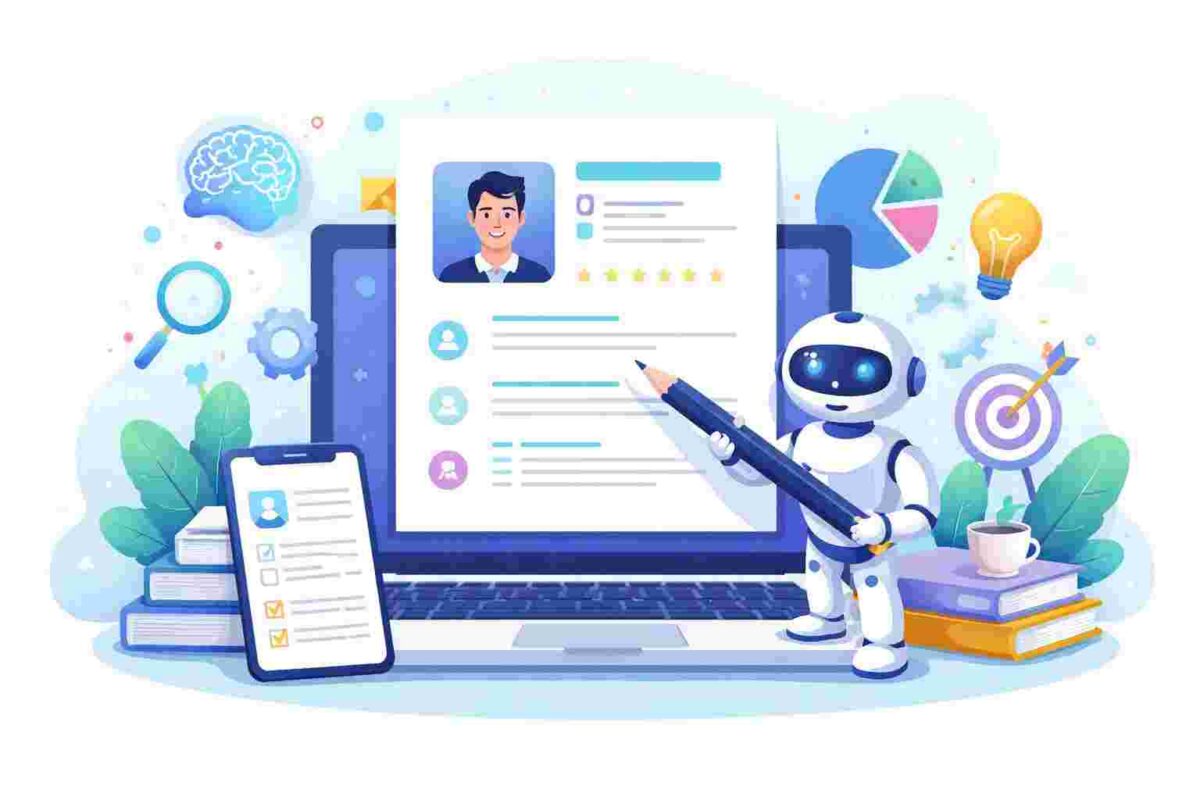
AI-based resume building involves the use of algorithms and machine learning to create, optimize, and customize resumes according to job descriptions. Unlike traditional forms, AI generators analyze input data and provide suggestions in real-time, ensuring that resumes meet the criteria set forth by applicant tracking systems (ATS).
The Role of Natural Language Processing
Natural Language Processing (NLP) is a crucial component in AI resume builders. It allows these tools to understand and process human language, facilitating the analysis of keywords and phrases that resonate with hiring managers. By using NLP, these systems can assess the language of resumes against industry standards, thus improving their chances of passing through ATS filters.
Key Features of AI Resume Builders
- Customization based on job descriptions
- Real-time feedback and suggestions
- Design templates tailored for different industries
- Performance metrics and analytics
- Integration with job boards
How AI Tools Work for Resume Optimization
The functionality of AI tools for resume optimization involves complex mechanisms that ensure resumes are not just created but are effective in reaching potential employers.
Algorithms and Machine Learning Models
AI resume builders utilize algorithms and machine learning models to parse through vast amounts of data. When a user inputs details into the resume builder, the AI analyzes relevant job descriptions, understanding the nuances of what employers are looking for based on historical hiring data. This analysis is pivotal for tailoring resumes to specific job applications.
Keyword Optimization Techniques
Keyword optimization is a cornerstone of AI-driven resume builders. These tools highlight essential keywords and phrases that must be included to enhance visibility to recruiters. The suggestions can significantly boost a resume’s relevance score when parsed through ATS software, increasing the likelihood of securing interviews.
Data-Driven Insights and Suggestions
Using big data analytics, AI tools provide actionable insights based on current market trends. Users receive personalized recommendations for skills or experiences to highlight based on their intended job market. This leads to a more compelling resume tailored to each position.
Impact of AI Resume Builders on Recruitment Trends
As businesses incorporate AI tools into their recruiting processes, the dynamics of hiring are shifting dramatically across various industries.
AI in Tech Recruitment
The technology sector was among the first to adopt AI tools for resume building, driven by the high volume of applicants and the need for efficiency. Companies like Google and Microsoft use AI not only to sift through resumes but also to identify candidates with the right skill sets, leading to better hiring outcomes.
AI in Healthcare Hiring Processes
In healthcare, where qualifications are critical, AI tools assist in ensuring that applicants possess necessary certifications and experience to meet sector-specific requirements. AI models analyze resumes against these essential criteria, improving the quality of hires.
The Role of AI in Financial Services Recruitment
The financial sector has leveraged AI tools to combat the significant challenge of finding qualified candidates in a specialized field. By automating initial screenings and Resume filtering, hiring managers can focus on candidates that match both technical and soft skill requirements.
Strategic Advantages of Using AI for Resume Building
Utilizing AI tools in resume building presents numerous strategic advantages for job seekers looking to enhance their marketability.
Increased Visibility to Recruiters
One of the most significant benefits is the increased visibility to recruiters. AI-optimized resumes tend to rank higher in ATS algorithms, meaning they are more likely to be seen by human eyes. This visibility is crucial in a system where the first hurdle often involves a machine, rather than a hiring manager.
Time Savings in Job Applications
The efficiency of AI tools allows job seekers to create high-quality resumes in less time compared to traditional methods. With pre-designed templates and instant feedback loops, candidates can complete their applications quickly without compromising on quality.
Personalized Resume Recommendations
AI tools take the guesswork out of the resume-building process by providing tailored recommendations based on the user’s skills and target positions. This means job seekers can focus on what matters most, enhancing their chances of landing interviews.
Limitations and Risks of AI Resume Tools
While AI has numerous advantages, it also presents certain limitations and potential ethical concerns that job seekers should be aware of.
Over-Reliance on Technology
A significant risk associated with AI resume builders is the over-reliance on technology. Candidates may become complacent, leading to a lack of genuine effort in presenting their individual qualities and experiences. Authenticity is key in making a lasting impression.
Privacy and Data Security Issues
Privacy concerns can arise when personal information is stored on external platforms. Users must be cautious and ensure that their data is handled securely. Reviewing the privacy policies of resume-building platforms is critical to safeguarding personal information.
Risks of Generic Resumes
AI tools, while efficient, may sometimes lead to generic resumes that fail to showcase unique individual traits and experiences. It is important for users to add personal touches to their resumes, ensuring that they stand out from the competition.
Evaluating AI Resume Builders: A Comparative Analysis
With the proliferation of AI tools, it’s essential to evaluate their effectiveness and features thoughtfully. Below is a comparison of some popular AI resume builders based on various factors.
Overview of Popular AI Resume Tools
- Jobscan
- Zety
- Resume.io
- Kickresume
- Resume Genius
Feature Comparison Table
| Tool | Customization | ATS Optimization | User Interface | Cost |
|---|---|---|---|---|
| Jobscan | Excellent | Yes | User-Friendly | $49.95/month |
| Zety | Good | Yes | Simple | $20.99/month |
| Resume.io | Very Good | Yes | Intuitive | $24.99/month |
| Kickresume | Fair | Yes | Friendly | $19.90/month |
| Resume Genius | Good | Yes | Easy to Use | $39.95/month |
User Ratings and Feedback Analysis
Understanding user experiences with these tools can aid in making an informed choice. Reviews often highlight Jobscan for its top-notch ATS capabilities, while Zety is frequently praised for its user-friendly design. Additionally, customer satisfaction rates vary, with many reporting improved interview rates using tailored resumes generated through these tools.
Statistics and Market Trends in AI Resume Building
The adoption of AI technology in recruitment is on the rise, reshaping the way companies approach hiring.
Adoption Rate of AI Tools in Recruitment
Reports suggest that by 2025, the use of AI in recruitment is expected to reach 75%, with over half of hiring managers already utilizing some form of AI technology in their application processes.
Projected Growth of AI in HR Tech
The global market for AI in HR technology is projected to grow from $1.5 billion in 2020 to over $10 billion by 2027, showcasing a compound annual growth rate (CAGR) of approximately 35%. This growth indicates a shift toward more automated processes in job applications.
Impact on Job Application Success Rates
Companies that have adopted AI tools have reported an increase of up to 40% in successful hires due to better match quality in resumes. Job seekers utilizing AI tools stand to benefit significantly from optimized applications.
Real-World Case Studies of AI in Resume Building
Understanding how AI tools have impacted real job seekers can provide valuable insights into their effectiveness.
Case Study 1: Increased Interview Rates
A recent study revealed that candidates who utilized AI resume builders experienced an increase in interview invitations by approximately 50% compared to those who did not. This sharp rise can be attributed to ATS optimization and tailored keywords improving visibility.
Case Study 2: Enhanced Resume Quality
One job seeker reported significant improvements in the quality of their resumes after using AI tools, leading to a noticeable enhancement in the quality of responses from potential employers. They attributed this improvement to the personalization features and data-driven suggestions provided by AI platforms.
Case Study 3: Speedier Hiring Process
In the healthcare sector, one hospital implemented an AI tool for screening resumes and noted a 30% reduction in the hiring cycle time. The speed of identifying qualified candidates improved dramatically, showcasing the efficiency of AI in streamlining hiring processes.
Future Outlook: The Evolving Role of AI in Job Applications
As technology continues to advance, the role of AI in job applications will undoubtedly evolve, bringing exciting possibilities.
Advances in AI Technology
We can anticipate the emergence of even more sophisticated AI tools that facilitate deeper integration with social media and professional networks. Future AI systems may be equipped with enhanced predictive capabilities, enabling them to suggest potential job matches before candidates are even aware of opportunities.
Potential New Features in Resume Builders
Future innovations are likely to include features such as real-time analytics on resume performance in the job market and predictive personalization that adjusts instantly based on industry shifts and emerging trends.
Future Challenges and Opportunities
While opportunities abound, challenges such as maintaining personalization and authenticity in resumes will remain prevalent. As AI systems continue to develop, the balance between technology and personal touch will define the next generation of resume building.
Frequently Asked Questions About AI Resume Tools
How do AI resume builders work?
AI resume builders utilize advanced algorithms to analyze job descriptions and match the qualifications, skills, and experiences of candidates. By parsing language and identifying crucial keywords, these tools enable users to enhance the visibility and relevance of their resumes, maximizing chances of being noticed by recruiters.
Moreover, many AI tools provide templates, which assist candidates in structuring their resumes effectively. This not only saves time but also ensures that resumes remain in compliance with industry standards, particularly concerning ATS requirements.
Are AI-generated resumes effective?
Yes, AI-generated resumes can be highly effective, especially when these tools are used to tailor applications to specific job postings. By leveraging technology to enhance keyword optimization and readability, candidates significantly increase their chances of catching the attention of hiring managers.
However, it is crucial for job seekers to review and personalize AI-generated content to ensure that their unique voice and experiences shine through. A blended approach of AI efficiency and personal storytelling typically yields the best results.
What are the costs associated with these tools?
The costs of AI resume builders can vary widely based on features and subscription models. Many tools offer tiered pricing structures, ranging from free basic options with limited usability to premium subscriptions that unlock advanced features.
On average, users may expect to pay between $20 and $50 per month for comprehensive services. It is advisable to evaluate the features offered and determine the best fit based on individual needs before committing to a paid plan.
Can AI help with cover letters?
Indeed, many AI resume builders now include functionalities for generating cover letters. By utilizing the same capabilities that enhance resumes, these tools can assist candidates in structuring effective cover letters that align with job postings.
As with resumes, personalization is key when using AI-generated cover letters. Users are encouraged to tweak the content to align with their voice and ensure it captures their unique story, complementing their resumes.
Is my data safe with AI tools?
Data security is a valid concern when it comes to using AI tools. Most reputable AI resume builders implement robust security measures to protect user data, including encryption protocols and strict privacy policies.
However, it is essential for users to conduct due diligence by reviewing the privacy policies of any service they consider. Factors such as data retention duration and the sharing of personal information are critical points to examine.
How can I choose the right AI resume builder?
Choosing the right AI resume builder should involve assessing your specific needs and the functionalities offered. Consider factors such as ease of use, customization options, and ATS optimization capabilities.
Additionally, user reviews and testimonials can provide invaluable insights into the effectiveness of different tools. Ultimately, the goal is to find a platform that not only streamlines the resume-building process but also enhances the overall quality and relevance of your applications.
Conclusion: Embracing AI for Career Advancement
The integration of AI tools for resume building marks a significant advancement in how job seekers approach applications in today’s competitive job landscape. By leveraging these powerful technologies, potential candidates can optimize their resumes, enhance their visibility, and ultimately increase their chances of landing interviews.
As AI continues to evolve, embracing these tools is not just a smart move; it is essential for anyone looking to stay ahead in their career journey. The future of job applications is here, and it is intertwined with the intelligent capabilities of AI.