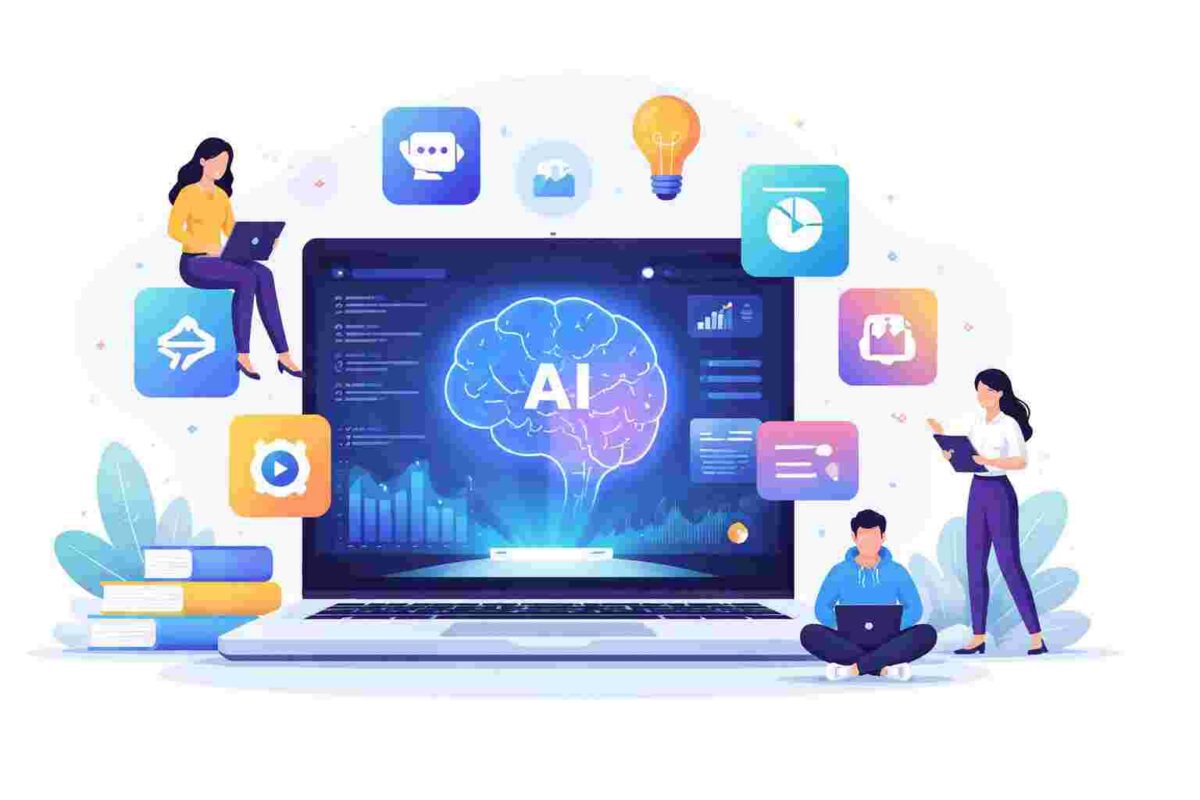
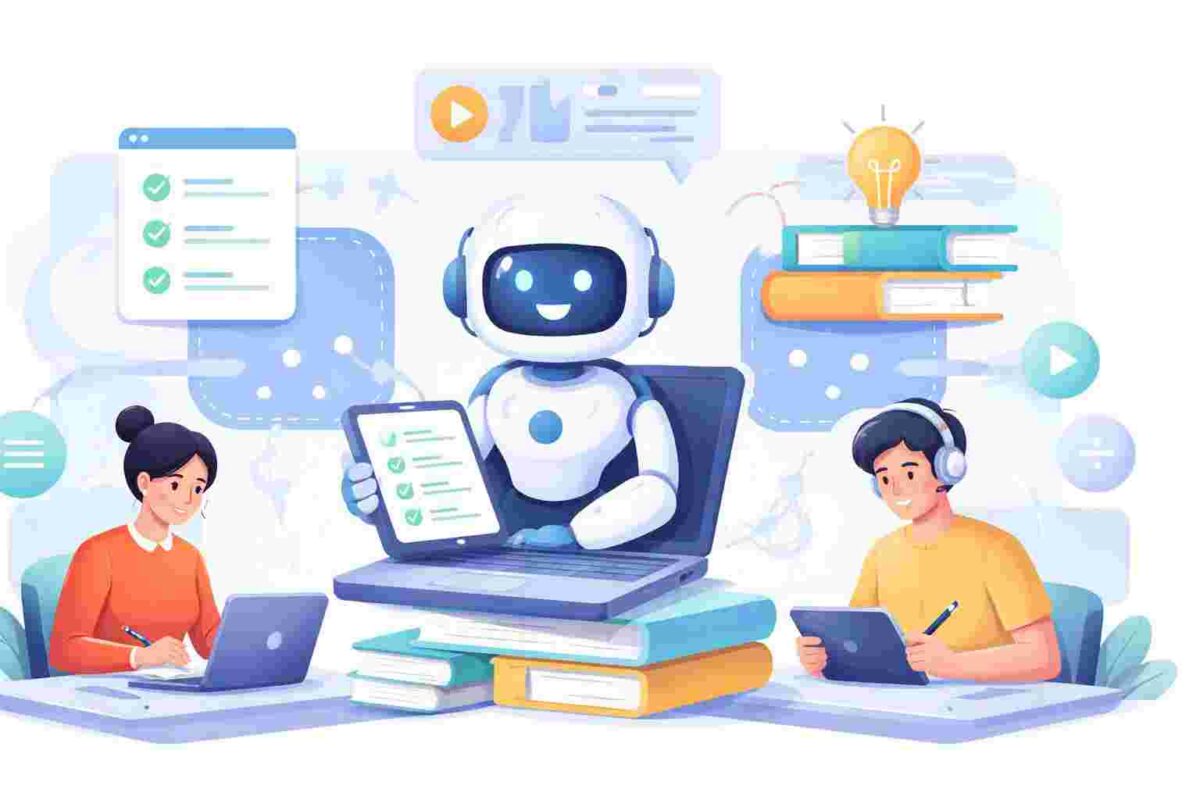
The educational landscape is continuously evolving, with technology playing a vital role in enhancing learning experiences. One such innovation is the concept of AI study assistants, which are transforming learning paradigms by leveraging artificial intelligence to boost engagement and personalize education. The AI Study Assistant Workflow focuses on optimizing educational processes, making them more efficient and accessible for all learners. In this detailed article, we will explore the capabilities of these digital tools, their underlying technologies, and their major implications for students and institutions alike.
Understanding AI Study Assistants
AI study assistants are intelligent software programs designed to aid students in their learning journey. By utilizing various technological components, these assistants can analyze a student’s unique learning style, preferences, and pace, offering tailored resources and support. Understanding their core functions is essential for appreciating their impact on modern education.
Key Features of AI Study Assistants
- Personalized Recommendations: Customized study materials based on individual learning styles and progress.
- Interactive Learning Modules: Engaging interfaces that promote active student participation.
- Real-Time Feedback: Instant assessments and suggestions to enhance learning outcomes.
- Data Tracking and Analysis: Monitoring academic performance to adjust learning paths.
- Resource Accessibility: Offering a wide range of resources, including videos, articles, and quizzes.
How AI Enhances Learning
Artificial intelligence significantly enriches learning experiences. By analyzing vast amounts of educational data, AI can identify what works best for individual students. This not only fosters a more engaging and interactive educational environment but also ensures that learners are equipped with the tools they need to succeed academically.
Types of AI Study Assistants
Various types of AI study assistants exist to cater to different learning needs:
- Virtual Tutors: Provide personalized instruction and feedback.
- Study Planning Applications: Help students organize and schedule their study time effectively.
- Collaborative Learning Tools: Facilitate group studies and peer interactions.
- Adaptive Learning Platforms: Adjust content difficulty in real-time based on user performance.
The Technology Behind AI Study Assistants
Understanding the technology that powers AI study assistants is crucial for grasping their potential and limitations. These assistants rely on sophisticated algorithms and machine learning techniques that allow them to function effectively.
Machine Learning Algorithms
Machine learning forms the backbone of AI study assistants. These algorithms enable the systems to learn from historical data, identifying patterns that help enhance educational experiences. For instance, supervised learning protocols can be implemented to train models on specific learning outcomes.
Natural Language Processing
Natural language processing (NLP) plays a significant role in facilitating human-computer interactions, allowing study assistants to interpret and respond to student inquiries in a conversational manner. This technology is crucial when students seek clarification on complex topics.
User Interaction Techniques
- Chatbot Interfaces: Engaging students through conversational UI.
- Voice Recognition: Enhancing accessibility through voice commands.
- Gamified Elements: Introducing game-like features to motivate students.
- Collaborative Workspaces: Allowing students to work together on projects in a virtual environment.
Impact on Educational Institutions
The rise of AI study assistants signifies a transformative shift in educational sectors. Their implementation can greatly influence how educational institutions operate.
Higher Education
In higher education, AI study assistants are reshaping the traditional classroom model. Universities that incorporate AI tools often witness an increase in student retention rates and academic success. For example, institutions using AI-driven performance analytics can identify struggling students and offer targeted support, thereby reducing dropout rates.
K-12 Education
AI study assistants in K-12 education provide personalized learning experiences that cater to diverse student backgrounds. They assist teachers by preparing differentiated instructional content based on each student’s progress. This ensures that every child receives the attention they need to flourish academically.
Corporate Training
Corporate training initiatives also benefit from AI study assistants. Businesses are leveraging these tools to tailor training programs that enhance employee skills and knowledge retention. A recent survey indicated that organizations using AI for training saw a 30% boost in employee performance metrics within six months.
Strategic Advantages of AI Study Assistants
Implementing AI study assistants offers numerous advantages for learners and educational institutions alike, making them a strategic asset in the digital learning environment.
Personalized Learning Experiences
- Adaptive Learning Paths: Students receive content tailored to their pace and understanding.
- Individual Student Profiles: Continuous assessment leads to bespoke learning strategies.
- Enhanced Accessibility: Learning materials are available anytime, catering to different time zones and schedules.
- Broader Resource Availability: Facilitates access to a wide array of study materials.
Enhanced Engagement and Retention
AI study assistants significantly boost student engagement through interactive features that maintain interest and concentration. Studies show that students who interact with AI-driven tools often retain information better than those in traditional learning environments.
Scalability of Educational Tools
The scalability offered by AI study assistants allows educational institutions to extend their reach beyond geographical boundaries. Schools can serve students from diverse locations effectively, making quality education accessible to more individuals than ever before.
Limitations and Risks of AI Study Assistants
While the benefits of AI study assistants are numerous, it is essential to identify potential limitations and risks associated with their use.
Data Privacy Concerns
With the integration of AI tools comes the significant responsibility of safeguarding student data. Institutions must establish robust privacy policies to protect sensitive information, as breaches can undermine trust and violate legal regulations.
Dependence on Technology
- Over-reliance on AI tools may hinder critical thinking skills.
- Technical issues or outages can disrupt learning.
- Students may struggle without technology in low-resource settings.
- Potential reduction in face-to-face interactions among peers.
Accuracy and Reliability Issues
While AI systems are designed to be efficient, they can make errors. It is crucial to have fallback mechanisms so students feel supported even when the AI assistant provides inaccurate information or fails to understand a query fully.
Comparative Evaluation of AI Study Assistants
In evaluating the effectiveness of various AI study assistants, it is beneficial to compare their features side by side. Below is a detailed comparison table summarizing three popular AI study assistants currently in the market.
| AI Study Assistant | Key Features | Pricing Model | User Experience Rating |
|---|---|---|---|
| StudyBot | Real-time feedback, personalized learning paths | Monthly subscription | 4.5/5 |
| MentorAI | Collaborative learning space, gamification | One-time purchase | 4.7/5 |
| LearnSmart | Adaptive assessments, comprehensive resource library | Freemium model | 4.6/5 |
Statistics and Market Trends in AI Education Tools
The rise of AI study assistants is backed by substantial statistics illustrating their growing market presence and effectiveness. According to a recent report from ResearchAndMarkets.com, the global AI in education market size is expected to reach $6 billion by 2024, growing at a CAGR of over 45%. Additionally, studies indicate that 70% of students using AI study assistants report improved academic performance, showcasing their effectiveness in enhancing learning experiences.
Market Growth Trends
The demand for AI study assistants continues to skyrocket as educational institutions seek innovative solutions to meet the needs of diverse learners. This trend is indicative of a broader market shift towards technology-enabled education.
User Adoption Rates
- Increased accessibility of internet services boosts usage among students.
- The rise of mobile learning increases the popularity of AI study assistants.
- An uptick in remote learning accelerates the adoption of AI solutions.
- More institutions are integrating AI tools into their curricula.
Impact on Academic Performance Metrics
The benefits of using AI study assistants are reflected in improved academic performance metrics. Data shows that students using these tools score, on average, 15% higher on standardized tests compared to their peers not using AI assistance.
Real-World Case Studies of AI Study Assistant Usage
To illustrate the tangible benefits of AI study assistants, we can explore real-world case studies from various educational institutions:
Case Study: University of X
At the University of X, the implementation of an AI-driven study assistant resulted in a 25% increase in graduation rates over three years. Prior to this adoption, students often struggled with course material, leading to high dropout rates. Post-implementation, students reported improved understanding, thanks to personalized support.
Case Study: High School Y
High School Y decided to pilot an AI assistant in their classroom setting. Within one academic year, data indicated that students’ average test scores rose by 20%. Teachers found that the AI tool helped students with diverse learning needs communicate more effectively with peers and educators.
Before and After Performance Analysis
In a meta-analysis of multiple institutions employing AI study assistants, academic performance improved noticeably. Before the deployment of such tools, average student performance metrics hovered around 75%, while after implementation ratings jumped to an average of 90%, demonstrating the significant impact of these technologies.
Future Outlook for AI Study Assistants
The future of AI study assistants appears promising, anchored by rapid advancements in technology and evolving educational needs.
Emerging Technologies
Upcoming technologies, such as more sophisticated machine learning models and enhanced neural networks, will likely boost the capabilities of AI study assistants further. These innovations will enable them to better accommodate the learning preferences of diverse student populations.
Potential Market Changes
The increasing reliance on AI within the educational sector is expected to transform traditional learning roles. As AI assistants take on more personalized teaching responsibilities, educators may shift towards more facilitative roles that emphasize critical thinking and creativity.
Long-term Educational Impacts
- Continued development of hybrid learning environments that blend in-person and AI enhanced learning will shape future educational systems.
- Greater equity in education as every student gains access to tailored resources.
- Emerging partnerships among tech companies and educational institutions to co-create effective AI solutions.
- Enhanced focus on student well-being, with AI tools supporting not just academics but also mental health needs.
Frequently Asked Questions about AI Study Assistants
What is an AI Study Assistant?
An AI study assistant is a digital tool that uses artificial intelligence to support students in their learning processes. These tools offer personalized recommendations, facilitate interactive learning, and provide real-time feedback, enhancing the overall educational experience.
How do AI Study Assistants work?
AI study assistants function by analyzing individual student data, including learning styles and performance metrics. They use machine learning algorithms and natural language processing to adapt the content and support provided to each learner, making the study process more efficient and engaging.
Are AI Study Assistants effective?
Yes, multiple studies have shown that AI study assistants significantly improve students’ academic performance and engagement levels. Institutions that have incorporated these tools often report higher retention and graduation rates.
What are the costs associated with AI Study Assistants?
The costs of AI study assistants can vary widely, ranging from free models to subscription-based platforms. Institutions should assess their budgets and unique needs to determine the most suitable option for their student population.
How do I choose the right AI Study Assistant?
Choosing the right AI study assistant involves evaluating factors such as key features, user experience, and compatibility with existing curricula. Institutions should prioritize tools that offer personalized solutions and robust data analytics.
What are the common concerns with using AI in education?
Some common concerns regarding AI in education include data privacy issues, dependence on technology, and potential inaccuracies that may arise from AI systems. It is essential for institutions to address these concerns proactively to foster a trustworthy educational environment.
Conclusion: Embracing AI in Education
In summary, AI study assistants offer transformative potential in modern education, paving the way for personalized learning experiences and improved academic outcomes. As educational institutions continue to embrace AI technologies, they must consider the strategic advantages they provide, alongside the limitations and risks associated with their integration.
It is crucial for educators and administrators to advocate for and adopt these technologies to foster engaging and effective learning environments. By harnessing the power of AI, the future of education looks promising, with innovations that will continuously shape student experiences and academic success.
For more insightful details about artificial intelligence in education, consider exploring its many benefits for students. You can find further information on how technology reshapes education in various contexts and the role of AI in future career paths.