
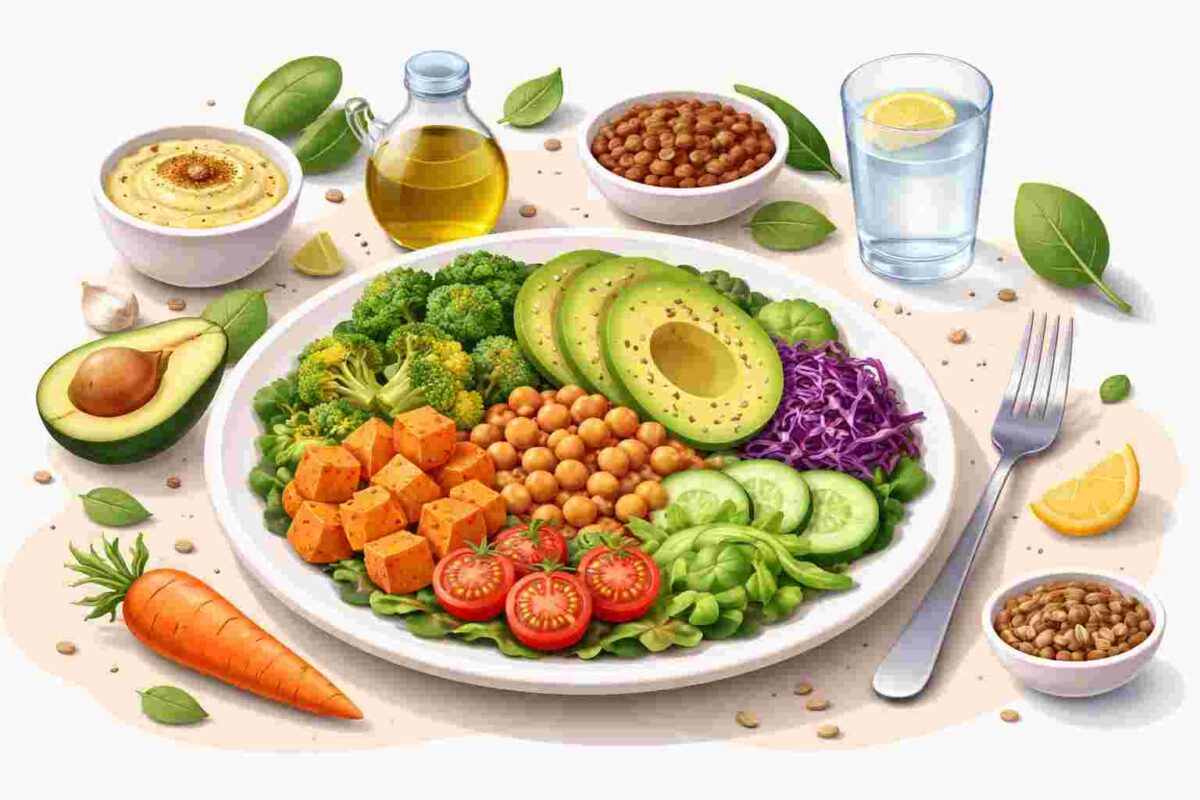
Introduction: The Concept of Balanced Vegetarian Meals
The increasing shift towards vegetarianism is not just a trend but a recognition of the profound health benefits associated with balanced vegetarian meals. A well-rounded vegetarian diet offers a variety of nutritional advantages and can play a significant role in improving overall health. The importance of having a balanced meal cannot be understated; it involves incorporating the right amounts of essential nutrients that support body functions and enhance quality of life.
This comprehensive guide dives into the essence of balanced vegetarian nutrition, enumerating its components, benefits, and practical strategies for implementation. As more individuals seek healthier lifestyles, understanding these concepts becomes paramount.
Understanding Balanced Vegetarian Nutrition
A balanced vegetarian diet must provide the essential nutrients that can be found in animal products, ensuring that vegetarians achieve their dietary needs without compromise. Here, we will unravel the foundational aspects of vegetarian nutrition.
Essential Nutrients in Vegetarian Diets
- Protein
- Iron
- Calcium
- Vitamin B12
- Omega-3 Fatty Acids
Each nutrient plays a critical role: protein aids in muscle growth, while iron is essential for oxygen transport in the blood. Calcium and Vitamin B12 are vital for bone health and neurological function, respectively. Omega-3 fatty acids are crucial for heart health, often found in flaxseeds and walnuts among vegetarians.
The Role of Macronutrients
A balanced vegetarian meal should take into account the three main macronutrients: carbohydrates, proteins, and fats. Each serves a distinct purpose:
- Carbohydrates: Provide energy, found in whole grains, fruits, and vegetables.
- Proteins: Essential for tissue repair and growth, sourced from legumes, tofu, and dairy.
- Fats: Necessary for nutrient absorption and brain health, derived from nuts, seeds, and avocados.
Common Nutritional Deficiencies
While a vegetarian diet can be nutritious, it is essential to be aware of common deficiencies that might arise:
- Vitamin B12
- Iron
- Calcium
- Zinc
- Vitamin D
These deficiencies often occur due to the exclusion of animal products. Therefore, it’s crucial to choose fortified foods or supplements when necessary.
Key Components of a Balanced Vegetarian Meal
To construct a nutritious vegetarian meal, one must understand its core components that contribute to balance and health.
Protein Sources for Vegetarians
Protein is a building block of life. Here are popular vegetarian sources:
- Legumes (beans, lentils, chickpeas)
- Tofu and tempeh
- Nuts and seeds
- Dairy products (if included)
- Whole grains (quinoa, farro, barley)
Healthy Fats and Their Sources
Incorporating healthy fats into a vegetarian diet is critical for cardiovascular health:
- Avocados
- Nuts (almonds, walnuts)
- Seeds (chia, flaxseed)
- Olive oil
- Coconut oil
Vitamins and Minerals Essential for Vegetarians
Ensuring a good intake of vitamins and minerals can reduce health risks:
- Calcium from fortified plant milk and dark leafy greens
- Iron from lentils and spinach
- Vitamin D through sunlight exposure or fortified foods
- Zinc from legumes and nuts
- B vitamins from whole grains and nutritional yeast
Health Benefits of Vegetarian Meals
The wellness journey linked to balanced vegetarian meals is extensive, presenting numerous health benefits.
Weight Management
Research indicates that individuals on vegetarian diets often have a lower body mass index (BMI). This can be attributed to a higher intake of fiber and lower caloric density in plant foods.
Heart Health
Studies show that vegetarians have a lower risk of heart disease due to lower cholesterol levels and better blood pressure management.
Reduced Risk of Chronic Diseases
Vegetarian diets are linked to reduced risks of type 2 diabetes, certain cancers, and hypertension, negating lifestyle diseases common among omnivorous diets.
Comparative Analysis of Vegetarian vs. Omnivorous Diets
To encapsulate the differences in health outcomes, let’s compare vegetarian diets with omnivorous diets through a detailed nutritional table.
| Nutrient | Vegetarian Diet | Omnivorous Diet |
|---|---|---|
| Protein | 50-70g | 70-90g |
| Iron (% RDA) | 50% | 80% |
| Cholesterol (mg) | 0 | 200-300 |
| Saturated Fat (%) | Low | High |
| Fiber (g) | 30-40g | 10-15g |
The comparison shows that while vegetarians receive adequate protein and fiber, they might need to focus more on certain nutrients to achieve balance. The caloric intake in omnivorous diets tends to be higher due to the inclusion of animal products, often leading to a higher saturated fat and cholesterol content.
Market Trends in Vegetarian Eating
The rise of vegetarianism reflects changing consumer attitudes toward health and sustainability. Recent statistics corroborate this trend:
Growth of Vegetarian Products
- The plant-based food market grew by 27% in the past year.
- Major grocery chains report a 30% increase in vegetarian product offerings.
Consumer Demographics
Younger generations, particularly Millennials and Generation Z, are leading the shift towards vegetarian eating, valuing health choices over traditional meat consumption.
Projected Market Trends
By 2025, the global plant-based food market is expected to reach $74 billion, as more consumers prioritize health and sustainability.
Implementing Balanced Vegetarian Meals in Business Settings
For businesses, adopting balanced vegetarian meals can yield positive health outcomes for employees and even economic benefits.
Corporate Wellness Programs
Incorporating vegetarian meal options into corporate wellness programs encourages healthier eating habits, resulting in improved employee productivity and reduced healthcare costs.
Catering Services Adaptation
Many corporate catering services are now adapting their menus to include plant-based meal options that appeal to dietary restrictions and preferences.
Impact on Employee Health
Businesses that promote healthy eating report lower absenteeism rates and increased employee satisfaction, impacting overall performance.
Limitations and Risks of Vegetarian Diets
As beneficial as balanced vegetarian meals can be, there are some limitations and risks to consider.
Nutritional Shortcomings
The potential for deficiencies in nutrients such as Vitamin B12, iron, and omega-3 fatty acids can pose a significant challenge for strict vegetarians. Therefore, careful meal planning is critical.
Social and Cultural Challenges
Vegetarians may face social pressures or difficulties when dining out with friends or family, particularly in meat-centric cultures.
Cost Implications
Some vegetarian products, especially meat alternatives, can be more expensive than traditional meat options, posing a financial barrier.
Real-World Success Stories: Case Studies on Balanced Vegetarian Meals
The implementation of balanced vegetarian meal plans has proven effective in various settings. Here are notable case studies that exemplify this success.
Case Study of a School Nutrition Program
A local elementary school introduced a vegetarian menu that improved student health metrics, with obesity rates dropping by 15% over the course of one year. The program incorporated lessons on nutrition, further empowering students to make healthy choices.
Impact on a Corporate Wellness Initiative
A company changed its cafeteria menus to offer balanced vegetarian meals, resulting in a 25% decrease in employee sick days. Feedback indicated greater employee satisfaction and enhanced morale.
Success in Community Health Projects
A community project focused on providing balanced meals to low-income families increased nutritional health ratings by 20%. Participants reported greater overall health and satisfaction with their diets.
The Future of Vegetarian Nutrition
Looking ahead, the evolution of vegetarian nutrition is set to shape culinary practices and consumer choices.
Innovation in Meat Alternatives
New technologies are emerging to create meat substitutes that closely mimic the taste and texture of traditional meats, making vegetarian options more appealing to a broader audience.
Sustainability and Environmental Impact
As concerns regarding climate change and sustainability rise, vegetarian diets are increasingly recognized for their positive impact on the environment.
Technological Advances in Nutrition
Research into better sourcing and production of plant-based foods will lead to enhanced nutritional profiles, making vegetarian diets easier to balance.
Frequently Asked Questions about Balanced Vegetarian Meals
What is a balanced vegetarian meal?
A balanced vegetarian meal consists of a combination of macronutrients, vitamins, and minerals that meet an individual’s dietary requirements. Typically, it includes adequate sources of protein, healthy fats, and fiber while ensuring sufficient iron, calcium, and Vitamin B12 intake. These elements combine to ensure optimal health and wellness.
How can I ensure adequate protein intake?
Ensure your meals include various protein-rich foods such as legumes, dairy, nuts, and whole grains. Combining different sources of plant proteins can also enhance the quality of protein in your diet. For example, pairing rice with beans creates a complete protein, providing all essential amino acids.
Are vegetarian diets suitable for all age groups?
Yes, with proper planning, vegetarian diets are suitable for all age groups, including children, teenagers, adults, and seniors. It is vital to adapt the diet based on age-related nutritional needs and activity levels to receive adequate nutrients.
What are the best sources of iron in vegetarian diets?
Plant-based sources of iron include lentils, chickpeas, quinoa, tofu, and spinach. To enhance iron absorption, consume these foods with vitamin C-rich items like oranges or bell peppers.
How can I transition to a vegetarian diet effectively?
Start by gradually replacing meat with plant-based proteins in your meals. Incorporate a variety of fruits, vegetables, and whole grains while exploring new recipes that excite your palate. Consulting a dietitian can further help in making a smooth transition with appropriate nutritional guidance.
What should I consider before becoming a vegetarian?
Consider your motivations, health goals, and nutritional knowledge. Understanding potential nutrient deficiencies and how to mitigate them is crucial. Additionally, evaluate your lifestyle, cooking habits, and social situations that may influence your vegetarian journey.
Conclusion: The Importance of Balanced Vegetarian Meals
Balanced vegetarian meals offer an array of health benefits, including weight management, improved heart health, and reduced chronic disease risks. With thoughtful meal planning and an understanding of nutritional needs, transitioning to a vegetarian diet can enhance your lifestyle. The future of vegetarian nutrition holds promise, with greater innovation leading to more accessible and enjoyable plant-based options. Embracing a balanced vegetarian meal plan is a positive step towards better health and sustainability.
For additional resources on effective vegetarian meal planning, explore our guide on vegetarian meal planning.