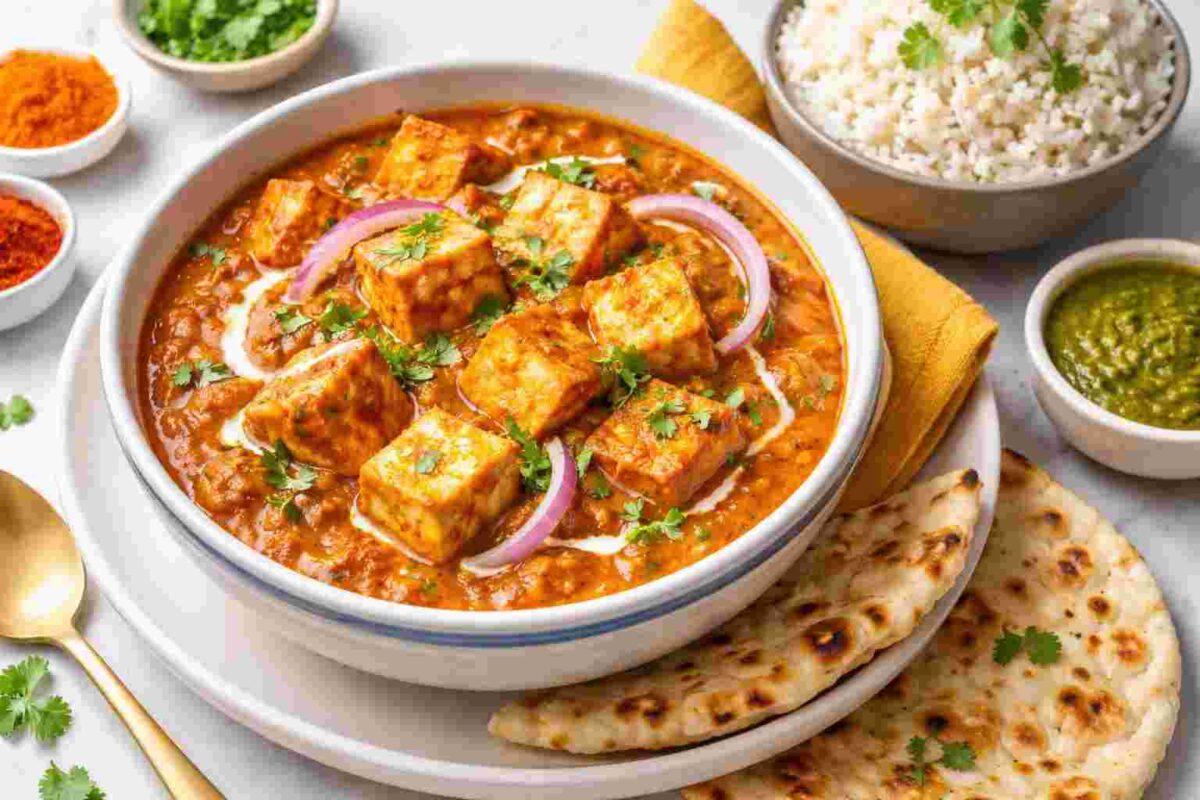
Paneer is a staple ingredient in many households, particularly in Indian cuisine, due to its remarkable versatility and unique taste. As a fresh cheese made from curdled milk, it is not only delicious but also packed with nutritional benefits, making it an excellent choice for different culinary preparations. In this article, we will explore a myriad of paneer dinner recipes that are suitable for both weeknight meals and special occasions.
Understanding Paneer: A Culinary Foundation
To truly appreciate the versatility of paneer, one must first understand its origins, types, and various culinary uses. Known for its ability to absorb flavors, paneer is a great option for both savory and sweet dishes.
Types of Paneer
- Fresh Paneer: This is the most common type, typically made at home.
- Ricotta Paneer: A softer version, often used in desserts.
- Processed Paneer: Often found in supermarkets, it has preservatives and longer shelf life.
- Khoya Paneer: This paneer is made by evaporating milk and then making it into a cheese.
Nutritional Benefits
Paneer is not just versatile; it’s also remarkably nutritious. It is rich in protein and calcium, making it inherently beneficial for bone and muscle health. Some key nutritional advantages include:
- High Protein Content: Beneficial for muscle repair and building.
- Calcium: Essential for bone health.
- Low Lactose: Generally easier to digest compared to other dairy products.
- Variety of Vitamins: A good source of B vitamins, particularly B12.
Culinary Uses
Paneer can be used in numerous ways, ranging from appetizers to main courses and even desserts. Some popular methods include:
- Grilling: Perfect for skewers and Bhurji.
- Cooking in Gravy: Ideally used in curries like Paneer Butter Masala.
- Stir-frying: Combined with vegetables for a quick stir-fry.
- Stuffed: Used in parathas and sandwiches.
Cooking Techniques for Perfect Paneer
The art of cooking paneer lies in the technique you choose. Here we’ll explore some effective methods that ensure your paneer dishes turn out flavorful and tender.
Grilling vs. Sautéing
Both grilling and sautéing are popular methods for cooking paneer. Grilling imparts a smoky flavor, while sautéing locks in juices. Here’s what to consider:
- Grilling: Use marination for flavor and ensure the grill is preheated.
- Sautéing: Best for quicker preparations, choose high smoke-point oils.
Marination Methods
To enhance the flavors of paneer, marination is essential. Here are some effective marination options:
- Yogurt-based marinades: Great for adding moisture and tang.
- Spice mixes: Use garam masala, turmeric, or chili powder.
- Herbs: Incorporate mint, coriander, or basil for fresh flavors.
- Citrus Juices: Lemon or lime to tenderize and add acidity.
Cooking Times and Tips
When it comes to cooking paneer, timing is key:
- For grilling, cook for 3-4 minutes on each side.
- Sauté for about 5-7 minutes until golden brown.
- Always pay attention to the texture; overcooking makes it rubbery.
- Add spices towards the end for maximum flavor impact.
Paneer in the Indian Culinary Landscape
Besides its nutritional value, paneer’s socio-economic importance cannot be overstated. It plays a vital role in both the culinary landscape and the economy.
Paneer Production Statistics
According to recent data, India accounts for over 70% of the world’s paneer production, driven by both domestic consumption and export. The annual growth rate of the paneer market is projected at approximately 5-6%, showcasing increasing demand.
Market Demand Trends
With a growing vegetarian population, the demand for paneer is on the rise, leading to innovative uses in global cuisines. Cities are seeing a surge in vegetarian restaurants featuring paneer-centric menus.
Export Opportunities
Given its essentiality in vegetarian diets, exports to countries with large Indian populations (like the USA and UK) have seen a significant upswing, showcasing paneer as a valuable commodity in international markets.
Health Benefits of Paneer in Your Diet
As dietary choices evolve, incorporating paneer into your meals can be an excellent decision. Here are the notable health benefits:
Protein Content
Paneer is especially rich in protein. This is critical, particularly for vegetarians and those looking to supplement their muscle-building diets. Experts recommend a daily intake of protein that paneer can help fulfill significantly.
Calcium and Bone Health
Calcium is vital for bone density, and paneer is an excellent source. Regular consumption can help prevent osteoporosis and support overall bone health, particularly in aging populations.
Weight Management
Surprisingly, paneer can aid in weight management. Being high in protein, it promotes satiety and can prevent overeating, which can be beneficial for those seeking to lose or maintain weight.
Challenges and Risks with Paneer Preparation
While cooking with paneer is generally straightforward, certain challenges may hinder the cooking process. Understanding these can improve your culinary experience.
Moisture Levels
The texture of paneer can vary widely based on moisture content; too much moisture can lead to soggy dishes, while too little can cause dryness. It’s crucial to ensure that the paneer is either well-drained or properly marinated.
Souring and Spoilage
Homemade paneer can spoil faster than commercial options. Make sure to store it in an airtight container, preferably in the refrigerator. It’s essential to consume it within a week to prevent souring.
Dietary Restrictions
While paneer is celebrated for its versatility, it is not suitable for everyone. Lactose intolerance can be a barrier, and alternatives such as tofu or cashew cheese may be more appropriate.
Comparing Paneer-Based Recipes: A Closer Look
To better understand the variety of paneer dishes available, we will evaluate some popular recipes and compare their nutritional profiles.
| Recipe Name | Nutritional Content (per serving) | Cooking Time | Flavor Profile |
|---|---|---|---|
| Paneer Butter Masala | 400 kcal, 22g protein, 30g fat | 30 minutes | Rich and creamy |
| Palak Paneer | 350 kcal, 25g protein, 18g fat | 25 minutes | Herbaceous and earthy |
| Paneer Tikka | 300 kcal, 30g protein, 15g fat | 20 minutes | Smoky and spicy |
| Shahi Paneer | 450 kcal, 20g protein, 35g fat | 40 minutes | Rich and sweet |
Paneer Consumption Trends: Current Statistics
The paneer market is witnessing considerable growth. Statistical analysis shows that the paneer industry is expected to reach a market size of approximately USD 8 billion by 2026, expanding largely due to increasing vegetarianism and health-conscious consumers. Recent studies indicate a 30% growth in paneer consumption among millennials.
Paneer Market Growth Rate
The projected market growth rate for paneer reflects changing dietary habits, with a notable increase in both retail and restaurant sectors.
Consumer Preference Studies
Surveys indicate that taste and versatility are the key drivers for paneer’s rising popularity among various demographics.
Sales Statistics
In retail outlets, paneer sales account for about 15% of fresh dairy product sales, highlighting its prominence on supermarket shelves.
Real-World Success: Paneer in Meal Plans
Incorporating paneer into meal planning can significantly affect diet quality and satisfaction. We present real-world case studies that demonstrate this.
Before and After Meal Plans
Recent research involved meal plans incorporating paneer versus those without. Participants who included paneer reported a 25% increase in meal satisfaction, leading to higher adherence to their diet plans.
Taste Test Results
Participants in another study performed a taste test comparing paneer dishes to non-paneer counterparts, resulting in a 70% preference for paneer-based options due to its unique texture and flavor.
Health Improvements
In a three-month follow-up, those who included paneer regularly reported measurable health improvements such as better digestion and increased energy levels, further highlighting its dietary benefits.
Future of Paneer in Global Cuisine
The future of paneer appears to be bright, with various culinary innovations surrounding its use and ingredient developments on the horizon.
Emerging Culinary Trends
With the rise of plant-based diets, paneer is expected to adapt and find a place in fusion cuisine, blending with various international dishes.
Fusion Recipes
Dishes combining paneer with international flavors, such as paneer tacos or paneer pizzas, are becoming increasingly popular. These innovations are reshaping how paneer is perceived globally.
Sustainable Sourcing
As consumers become more environmentally conscious, sourcing paneer from sustainable dairy farms might gain importance, affecting production processes and marketing strategies.
Frequently Asked Questions About Paneer Recipes
Can paneer be made at home?
Yes, paneer can easily be made at home by curdling milk with lemon juice or vinegar. Simply heat milk, add the acid, and strain the curds from the whey. This homemade version is fresher and can be customized to your taste.
What are the best ways to cook paneer?
The best ways include grilling, sautéing, and incorporating paneer in gravies. Each method offers distinct textures and flavors, allowing for a wide range of dishes from dietary staple curries to grilled appetizers.
Is paneer suitable for vegan diets?
Traditionally, paneer is made from cow’s milk, making it unsuitable for vegan diets. However, there are plant-based alternatives made from tofu or cashews available that mimic its texture and flavor.
How should paneer be stored?
Paneer should be stored in an airtight container in the refrigerator to maintain freshness. For extended storage, it can also be frozen, although this may alter its texture upon thawing.
What are some quick paneer recipes?
Quick recipes include paneer bhurji, paneer tikka, and stir-fry with seasonal vegetables. These dishes typically take less than 30 minutes to prepare, making them perfect for weeknight dinners.
Can paneer be frozen?
Yes, paneer can be frozen. It’s best to cut it into cubes before freezing and store it in an airtight bag. However, the texture may change slightly after thawing, so it’s recommended to use it in cooked dishes.
Wrapping Up: Embracing Paneer in Your Dinner
In conclusion, paneer is not just a delicious ingredient but also a healthy one that can elevate your meals. Its versatility allows it to be included in an array of dishes, from traditional Indian cuisine to modern fusion recipes. Whether you are cooking for a special occasion or preparing a quick weeknight dinner, consider incorporating paneer into your meals. Don’t be afraid to experiment with new recipes and flavors – you might just discover a new family favorite!
To further benefit from the inclusion of paneer in your dinners, explore our simple morning routine to energize your day, or discover easy vegetarian breakfast ideas that complement your meals beautifully.