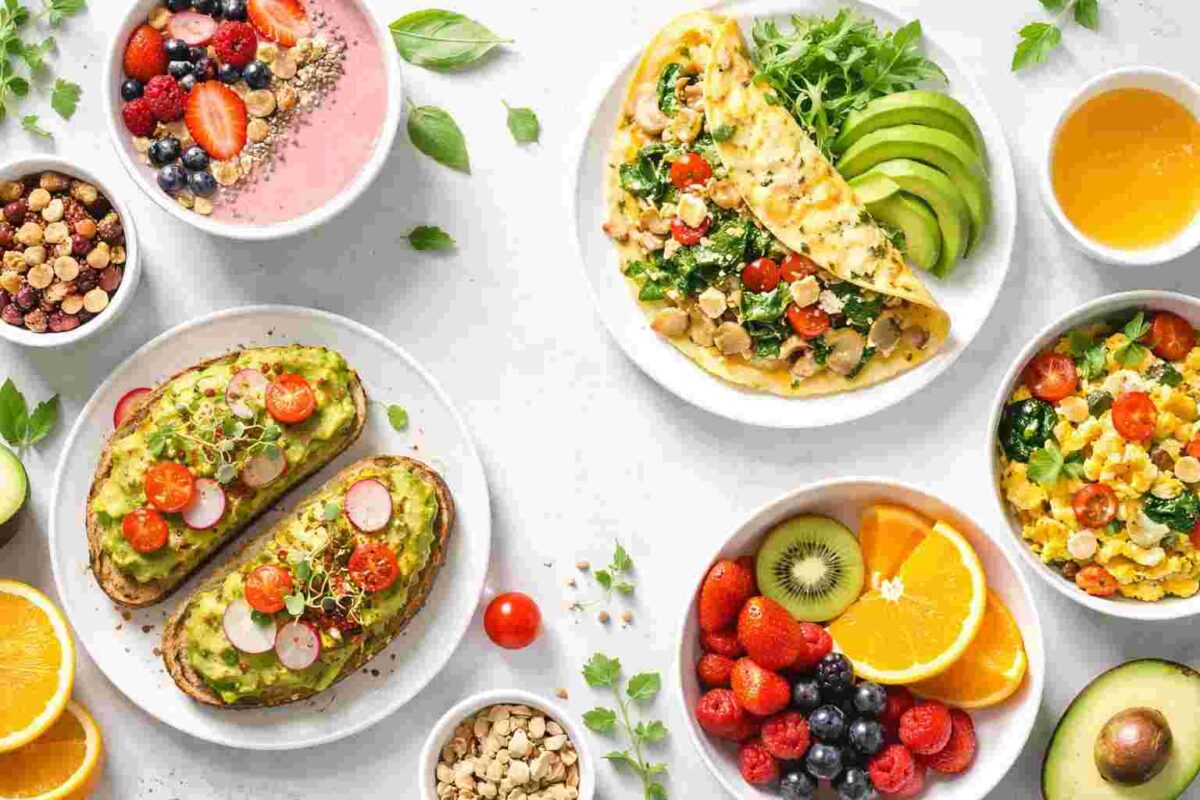
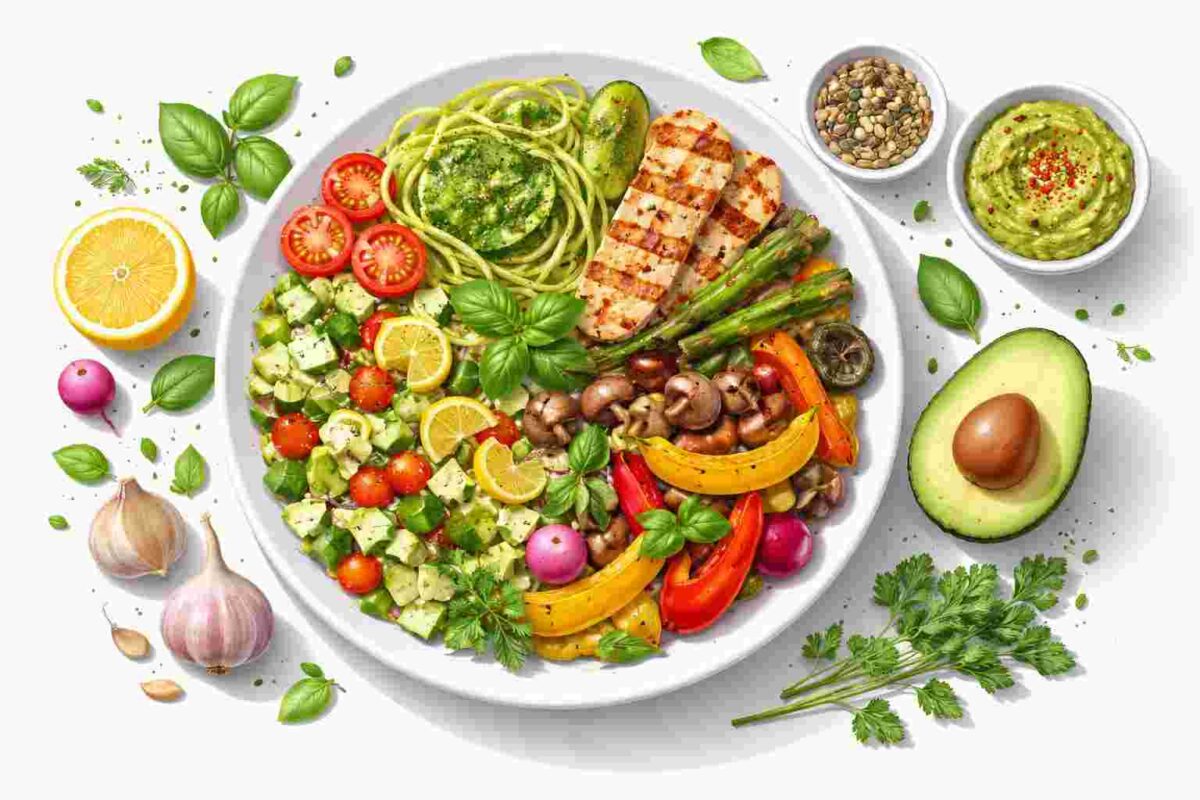
Low Carb Vegetarian Recipes are becoming increasingly popular among health-conscious individuals seeking to lower their carbohydrate intake while enjoying flavorful and satisfying meals. This comprehensive guide dives deep into the benefits and flexibility of low carb vegetarian diets, showcasing how you can create nutritious meals that cater to your dietary preferences.
Understanding Low Carb Vegetarianism
Low carb vegetarianism is a dietary approach that combines the principles of a low carbohydrate diet with vegetarianism. Unlike traditional vegetarian diets, which can include high-carb foods like pasta and bread, low carb vegetarianism focuses on reducing carbohydrate intake while still eliminating meat products. This section will establish a clear understanding of what low carb vegetarianism entails and the nutritional components that support this diet.
Definition of Low Carb Vegetarianism
At its core, low carb vegetarianism involves significantly reducing or eliminating refined carbohydrates, focusing instead on whole, nutrient-dense foods. This approach can provide various health benefits while allowing for a diverse, plant-based diet rich in flavor.
Key Nutritional Components
- High fiber vegetables (e.g., leafy greens, broccoli, cauliflower)
- Healthy fats (e.g., avocados, nuts, seeds)
- Protein sources (e.g., legumes, tofu, tempeh)
- Low-carb fruits (e.g., berries)
- Whole grains (in moderation, e.g., quinoa)
Health Benefits of Low Carb Diets
Switching to a low carb vegetarian diet can have significant health benefits. Research indicates improvements in weight management, reduced blood sugar levels, and enhanced mental clarity. Additionally, individuals often report increased energy levels, owing to reduced fluctuations in blood sugar.
Nutritional Mechanics of Low Carb Vegetarian Recipes
Understanding how low carb diets work is crucial for creating successful vegetarian recipes. This section delves into the science behind carbohydrate reduction and its impact on health.
Carbohydrate Reduction Mechanisms
Carbohydrate reduction works primarily by altering the body’s metabolism, shifting it from relying on glucose as an energy source to burning fat more efficiently. This state, known as ketosis, can enhance fat loss and improve overall metabolic health.
Protein Sources for Vegetarians
For optimal health, it’s essential to incorporate adequate protein into a low carb vegetarian diet. Some excellent sources include:
- Legumes (e.g., lentils, chickpeas)
- Tofu and tempeh
- Nuts and seeds
- Dairy products (if included in the diet)
Nutrient Density in Low Carb Foods
Choosing nutrient-dense foods ensures that you’re not only reducing carbohydrates but also maximizing vitamins, minerals, and antioxidants in your diet. Foods like leafy greens and cruciferous vegetables offer significant health benefits while being low in carbs.
Culinary Techniques for Low Carb Vegetarian Cooking
To elevate flavor and texture in low carb vegetarian meals, specific culinary techniques are invaluable. This section identifies and explains methods and substitutes that enhance low carb vegetarian cooking.
Best Cooking Methods
- Roasting vegetables to bring out natural sweetness
- Steaming to retain nutrients and flavor
- Stir-frying for quick, flavorful dishes
- Grilling for smoky flavors
Ingredient Substitutes
Many traditional high-carb ingredients can be substituted with low-carb options. For example:
- Using cauliflower rice instead of regular rice
- Zoodles (zucchini noodles) as a pasta substitute
- Almond flour instead of wheat flour for baking
Seasoning and Flavor Profiles
Flavor is essential in any meal, especially in a low carb vegetarian diet. Utilizing: herbs, spices, citrus zest, and infused oils enhances dishes without adding carbs.
Impact on Health Industry and Dietary Trends
The rising popularity of low carb vegetarianism has significantly influenced the health and wellness industries. This section analyzes the business impact and market trends associated with this dietary approach.
Market Demand for Low Carb Products
Statistics show a remarkable increase in consumer demand for low carb products, with the market projected to grow significantly, currently valued at approximately $7 billion. Companies are increasingly catering to this trend by introducing new low carb vegetarian options.
Trends in Plant-Based Diets
- Increased availability of plant-based alternatives
- Rise of clean eating and health-conscious consumers
- Growing popularity of meal delivery services featuring low carb options
- Social media influencers promoting low carb vegetarian recipes
Consumer Behavior Analysis
Understanding consumer behavior is crucial for product development. Many individuals are not only looking for low carb options but also prioritize taste and sustainability, making plant-based innovations increasingly appealing.
Strategic Benefits of Low Carb Vegetarian Recipes
Adopting low carb vegetarian recipes provides several strategic benefits, making them an attractive option for many individuals looking to improve their health.
Weight Management
One of the most significant benefits of low carb vegetarian diets is their effectiveness for weight management. Research indicates that individuals on low carb diets achieve greater weight loss than those following traditional diets.
Sustained Energy Levels
Low carb meals can help stabilize energy levels throughout the day. By avoiding the sugar spikes associated with high-carb foods, individuals report feeling more energetic and focused.
Long-term Health Outcomes
Long-term adherence to a low carb vegetarian diet can have profound health outcomes, including lower risk of chronic diseases such as heart disease, diabetes, and obesity.
Challenges and Considerations for Low Carb Vegetarian Diets
Despite the numerous benefits, adopting a low carb vegetarian diet does present specific challenges and considerations that individuals should be aware of.
Nutritional Deficiencies
As with any restrictive diet, there is a risk of nutritional deficiencies if meals are not properly planned. Key nutrients to watch for include B vitamins, iron, and omega-3 fatty acids. Supplementation may be necessary for some individuals.
Social and Lifestyle Challenges
- Difficulty finding suitable options at social gatherings
- Limited availability of low carb vegetarian meals in restaurants
- Potential feelings of isolation when dining out
- Discussions surrounding dietary choices
Balancing Macronutrients
Finding the right balance of macronutrients can be challenging. It is essential to consume adequate protein, healthy fats, and fiber while keeping carbohydrates low. Regular monitoring is recommended for optimal results.
Comparative Analysis of Low Carb Vegetarian Diets
This section provides a comprehensive comparison of low carb vegetarian diets with other dietary approaches to highlight their unique advantages.
| Diet Type | Carbohydrate Intake | Protein Source | Common Foods | Benefits | Limitations |
|---|---|---|---|---|---|
| Low Carb Vegetarian | Low (20-50g/day) | Plant-based (tofu, legumes) | Leafy greens, nuts, seeds | Weight loss, energy stabilization | Nutritional deficiencies if not planned |
| Low Carb Non-Vegetarian | Low (20-50g/day) | Animal-based (meat, dairy) | Meat, eggs, low-carb vegetables | High protein, faster weight loss | Potential health risks with red meat |
| Standard Vegetarian | Moderate to high | Plant-based (legumes, dairy) | Whole grains, fruits, dairy | Rich in fiber, sustainable | Potential sugar spikes |
| Vegan | Moderate | Plant-based (legumes, tofu) | Fruits, vegetables, grains | Sustainability, ethical eating | Carbohydrate-heavy foods |
Statistics and Market Trends in Low Carb Vegetarian Eating
The growth of low carb vegetarian diets has been documented in various surveys and studies. In 2022, nearly 33% of consumers reported trying a low carb diet, and this number is continually rising. Additionally, the global market for low carb foods is projected to reach $15 billion by 2027.
Market Growth Data (2015-2023)
- 2015: Low carb vegetarian products were valued at approx. $3 billion.
- 2020: Surge to $5 billion as consumer interest increased.
- 2023: Estimated value at $8 billion with a forecasted compound annual growth rate (CAGR) of 8%.
Consumer Preferences Statistics
A recent survey conducted in 2023 indicates that:
- 40% of consumers prioritize health benefits over taste.
- 25% report that convenience drives their choice.
- 35% actively seek plant-based options.
Real-World Success Stories and Case Studies
Exploring real-world examples of individuals or groups who have adopted low carb vegetarian recipes can provide inspiration and concrete evidence of effectiveness.
Individual Success Stories
- Emma: A 30-year-old woman lost 40 pounds over six months by integrating low carb vegetarian meals.
- Josh: A 45-year-old turned his health around from prediabetes to normal blood sugar levels following a low carb vegetarian diet.
Group Studies and Results
Recent studies involving groups who transitioned to low carb vegetarian diets showed an average weight loss of 12-15% over 12 weeks, significantly reducing health risks.
Before and After Comparisons
Participants in case studies detailed significant improvements in energy levels, body composition, and mental clarity after adopting low carb vegetarian recipes, showcasing the diet’s effectiveness.
The Future of Low Carb Vegetarian Recipes
Looking ahead, the future of low carb vegetarian cooking is bright with continued innovation and consumer interest.
Emerging Ingredients and Trends
New ingredients like pea protein, cauliflower rice, and plant-based dairy alternatives are gaining popularity. These innovations help maintain a diverse and appealing low carb vegetarian diet.
Technological Advancements in Cooking
Smart kitchen appliances and meal prepping technologies make it easier to prepare low carb meals at home, increasing accessibility. With applications that assist in meal planning, users can combine convenience with health-conscious eating.
Potential Market Changes
As consumer preferences evolve, we expect dietary choices to shift further towards low carb vegetarian options, encouraging brands and restaurants to offer more choices to meet this demand.
Frequently Asked Questions about Low Carb Vegetarian Recipes
What are some easy low carb vegetarian recipes?
Easy low carb vegetarian recipes include dishes such as zucchini noodles with marinara sauce, cauliflower rice stir-frys, and avocado salads. These recipes typically require minimal ingredients and preparation time, allowing you to enjoy delicious meals swiftly.
How to ensure adequate protein intake?
To ensure adequate protein intake on a low carb vegetarian diet, you can incorporate protein-rich foods like legumes, tofu, and tempeh into your meals. Additionally, consider including protein supplements like pea protein powders or Greek yogurt (if you consume dairy) as effective options.
Can you lose weight with a low carb vegetarian diet?
Yes, many individuals have successfully lost weight with a low carb vegetarian diet. By focusing on whole foods, reducing sugar intake, and steering clear of refined carbohydrates, you can effectively manage your weight while enjoying a diverse array of vegetarian meals.
What are the best low carb vegetables?
Some of the best low carb vegetables include leafy greens (like spinach and kale), cruciferous vegetables (like broccoli and cauliflower), and bell peppers. These vegetables are low in carbohydrates yet high in nutrients, making them ideal choices for a low carb vegetarian diet.
How to meal prep for a low carb vegetarian diet?
Meal prepping for a low carb vegetarian diet involves planning meals in advance and batch-cooking suitable ingredients. Spend time each week preparing low carb approved recipes to help save time, ensure dietary compliance, and maintain variety in your meals.
Are there nutritional supplements needed?
Depending on your diet’s composition, you may need to consider nutritional supplements to meet certain micronutrient needs, such as vitamin B12, vitamin D, and omega-3 fatty acids. Consulting a healthcare provider can help determine whether supplements could benefit your specific dietary needs.
Conclusion and Key Takeaways
In summary, Low Carb Vegetarian Recipes provide a flexible and delicious way to maintain a healthy lifestyle. By understanding the principles of low carb vegetarianism, mastering cooking techniques, and addressing potential challenges, you can craft flavorful meals that support your dietary goals.
Take the final step to expand your culinary horizons. Experiment with low carb vegetarian recipes and share your experiences to inspire others on their health journey!