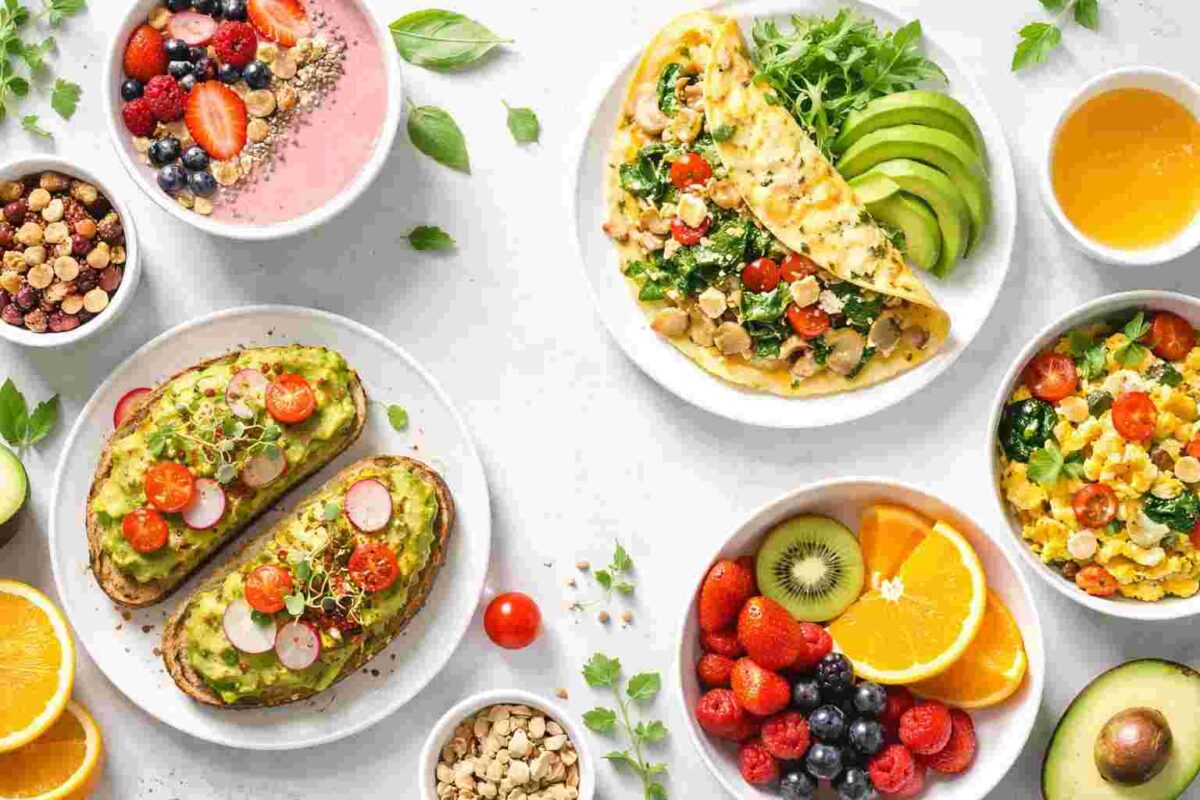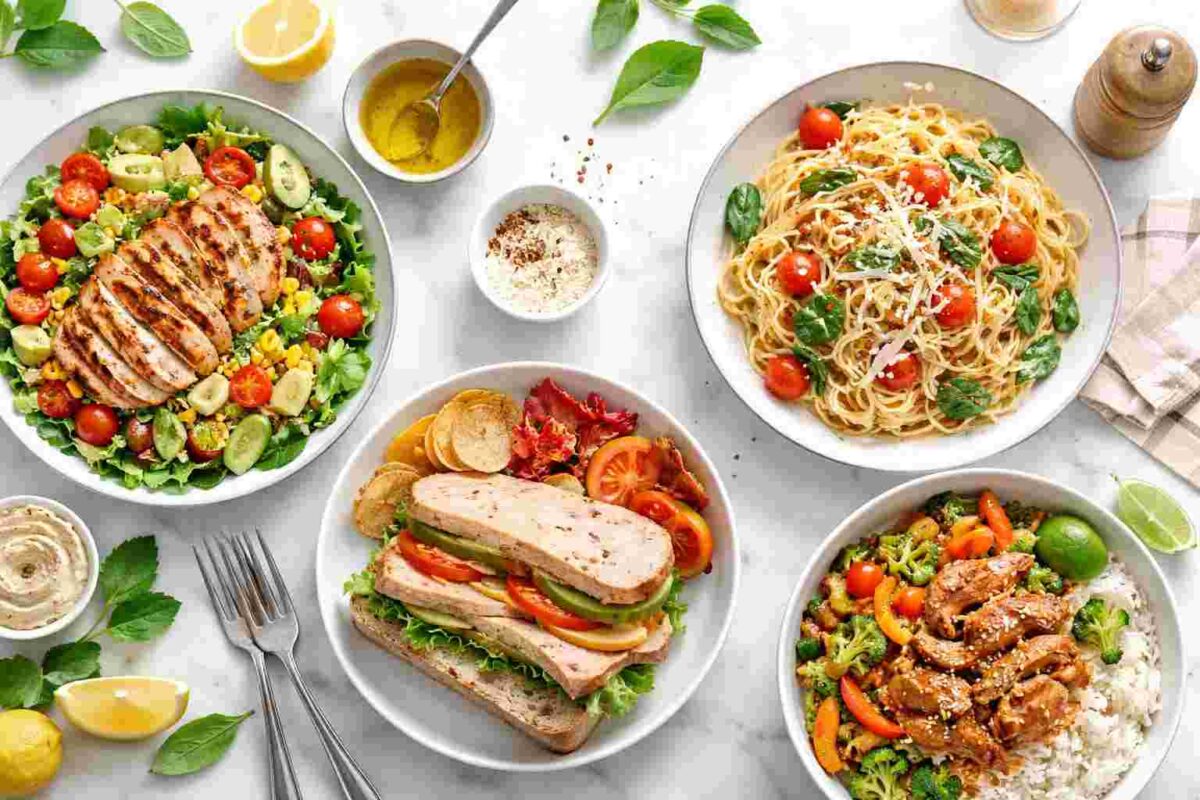
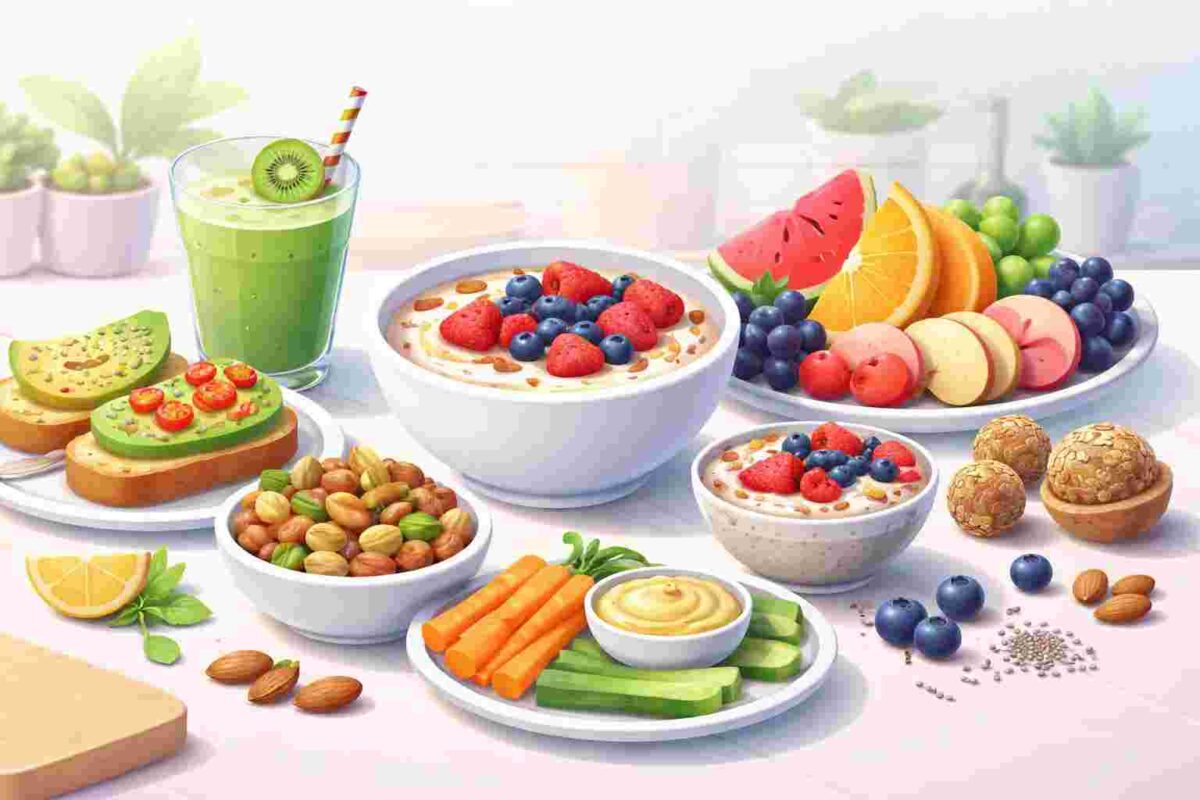
As the day winds down, many individuals find themselves reaching for snacks in the evening. The choices we make during this time can significantly influence our overall wellness and weight management goals. In this guide, we will explore the importance of healthy evening snacks, their nutritional benefits, and how they can impact various aspects of daily life.
Understanding Healthy Evening Snacks
To grasp the significance of healthy evening snacks, we must first define what constitutes such snacks and why they matter. In an era dominated by fast food and convenience, understanding the difference between healthy and unhealthy snacks becomes crucial.
Difference between healthy and unhealthy snacks
- Healthy Snacks: Typically low in added sugars and saturated fats, rich in vitamins and minerals.
- Unhealthy Snacks: Often high in calories, sugar, and trans fats, providing little nutritional value.
- Examples of Healthy Snacks: Fruits, vegetables, nuts, whole grains, low-fat yogurt.
- Examples of Unhealthy Snacks: Chips, sugary desserts, processed snack bars.
Key nutritional components
- Fiber: Aids in digestion and promotes a feeling of fullness.
- Protein: Helps repair tissues and keeps you satiated.
- Healthy Fats: Essential for brain health; found in nuts and avocados.
- Vitamins and Minerals: Crucial for body function; mainly sourced from fruits and vegetables.
Benefits of healthy snacking in the evening
- Weight Control: Healthy snacks can prevent overeating at dinner by controlling hunger.
- Steadier Blood Sugar Levels: They can help maintain stable blood sugar levels, avoiding spikes.
- Improved Mood: Nutrient-rich snacks provide the necessary fuel for brain health.
- Better Sleep Quality: Certain snacks may enhance restful sleep by supporting serotonin production.
Nutritional Science Behind Evening Snacks
Understanding the nutritional science behind healthy evening snacks reveals how they interact with our bodies. Our metabolism and hormonal responses play a significant role in how we perceive hunger and satiety at night.
Metabolism and digestion
The body’s metabolism slows down in the evening, resulting in different digestive needs compared to daytime. Consuming snacks that are easily digestible can aid in maintaining energy without causing discomfort. Foods high in fiber and protein have been shown to facilitate better digestion during this time.
The role of macronutrients in snacks
- Carbohydrates: Quick source of energy but should be chosen wisely to avoid sugar spikes.
- Protein: Essential for evening repair and recovery, making it a perfect choice for snacks.
- Fats: Healthy fats from sources like almonds or avocado can provide sustained energy without weight gain.
- Combination Snacks: A mix of these macronutrients supports satiety and balanced blood sugar levels.
Hormonal influence on evening cravings
Hormones like cortisol and leptin fluctuate throughout the day, influencing our cravings. In the evening, cortisol levels decrease, and as people relax, they may start to crave comfort foods. Understanding this hormonal cycle can help make more informed snack choices.
Impact of Healthy Snacking on Lifestyle Choices
Healthy evening snacks don’t just affect individuals; they also play a significant role in broader contexts like corporate wellness programs and consumer health trends.
Corporate wellness programs
Many corporations are recognizing the value of encouraging healthy evening snacks among employees to improve overall health outcomes. Providing nutritious options can enhance productivity, reduce absenteeism, and foster a healthier company culture.
Consumer trends in snacking
- Growth of Health-Conscious Products: Increasing demand for organic, nutrient-dense snacks.
- Shift Towards Plant-Based Snacks: Many consumers prefer vegan or vegetarian options.
- Transparency in Ingredients: Consumers look for clear labeling regarding what’s in their food.
- Preference for Convenient Options: Busy lifestyles lead to increased snack consumption, especially in evening hours.
Health ramifications in workplace productivity
Studies have shown that healthier snacks lead to improved focus and efficiency at work. Employees who consume balanced snacks report higher energy levels and better overall morale. Implementing healthy snacking options can be a win-win for both employers and employees.
Strategic Advantages of Evening Snacks for Health
Eating healthy evening snacks can provide several long-term strategic health benefits that go beyond immediate satisfaction.
Weight management
- Calorie Control: Choosing low-calorie snacks helps maintain weight goals.
- Frequent Small Meals: Eating smaller portions throughout the day aids in metabolism.
- Mindful Eating: Healthy options encourage mindful snack choices.
- Reducing Late Night Cravings: Prevents binging on unhealthy foods.
Enhanced sleep quality
Some foods are known to promote better sleep. Snacks rich in magnesium and tryptophan (like almonds or banana) encourage the production of melatonin, the sleep hormone. Including these in your evening routine can help improve the quality of sleep significantly.
Improved mental clarity
- Brain Fuel: Nutrient-rich snacks improve cognitive abilities.
- Reduced Glucose Fluctuations: Helps maintain consistent energy and focus.
- Enhanced Mood: Specific nutrients can elevate serotonin levels, enhancing your overall mood.
Potential Risks and Limitations of Evening Snacking
While there are significant advantages to healthy evening snacking, there are also potential risks that must be acknowledged.
Overeating tendencies
- Mindless Eating: Watching TV while snacking can lead to unhealthy overeating.
- Portion Control Issues: It’s easy to lose track of how much you consume after dinner.
- Emotional Eating: Stress and anxiety can lead to unhealthy choices.
- Frequent Snacking Habits: Excessive snacking can lead to unnecessary calorie intake.
Choosing high-calorie snacks
Many seemingly healthy snacks can be high in calories. For instance, nut butters, while nutritious, can lead to calorie overload if consumed in large amounts. Always opt for portion sizes that match your dietary needs.
Timing and digestion issues
- Late Eating: Consuming snacks too close to bedtime can interfere with digestion.
- Indigestion Problems: High-fat snacks may lead to discomfort during sleep.
- Acid Reflux: Some foods can exacerbate this condition if eaten late.
- Personal Sensitivity: Each person may react differently to certain foods based on their digestion.
Comparative Analysis of Evening Snack Options
To facilitate informed decisions, we will evaluate various healthy evening snack options in the following table:
| Snack Type | Pros | Cons |
|---|---|---|
| Fruits | Rich in vitamins, hydrating, low-calorie | High in sugars, may not be filling |
| Nuts | High in protein and healthy fats, very filling | Calorie-dense, portion size can be tricky |
| Dairy Options | Good source of calcium and protein | May be high in saturated fats, lactose intolerance issues |
| Plant-based Snacks | Vegan-friendly, often low in calories | May lack protein unless integrated properly |
| Homemade Options | Control over ingredients, more nutritious | Time-consuming, may require planning |
| Store-Bought Options | Convenient, ready-to-eat | Often contain preservatives and hidden sugars |
Statistics and Market Trends in Healthy Snacking
As we dive deeper into the realm of healthy evening snacks, understanding current statistics and market trends can provide insight into consumer behaviors and preferences.
Market growth rate of healthy snacks
The healthy snack market has grown remarkably, projected to reach $132.8 billion by 2024, indicating a considerable shift towards healthier eating habits.
Consumer preferences statistics
- 74% of consumers prefer snacks with natural ingredients.
- 59% of consumers are influenced by health claims on packaging.
- 45% of consumers report increased snacking frequency, proving that evening snacks are becoming part of the regular diet.
- 70% of consumers favor brands that emphasize sustainability and clean labels.
Successful Case Studies of Healthy Evening Snack Adoption
Real-world applications of healthy evening snacks reveal their potential impact.
Corporate employee health improvements
A tech company that introduced a healthy snack bar in its office reported a 25% decrease in employee sick days after six months. Employees attributed this improvement to better nutrition and an overall increase in workplace morale.
Community health initiatives
In an effort to combat obesity, a community health initiative focused on providing free workshops on healthy snack alternatives. After one year, participating families reported a 30% decrease in fast food consumption and improved health metrics.
Before-and-after case analysis of snacking habits
In a targeted study, participants recorded their evening snacking habits both before and after receiving nutritional counseling. Those who switched from unhealthy to healthy snacks experienced a 15% weight loss and reported feeling more energetic and focused.
The Future of Healthy Evening Snacking
The landscape of healthy evening snacking is continuously evolving. Several emerging trends could reshape how individuals approach their evening habits.
Technological advancements in snack preparation
As technology advances, more options for preparing personalized, healthy snacks are becoming available. Smart kitchen devices can suggest recipes based on pantry contents, making the preparation of healthy evening snacks simpler, faster, and more engaging.
Predicted consumer behavior shifts
The rise of remote work could lead to increased demand for home-prepared snacks, where consumers have more control over ingredients and health implications. The continued focus on wellness will likely lead to a greater emphasis on personalized nutrition.
Future health guidelines
Healthcare providers may develop specific guidelines for evening snacking, focusing on healthy options that promote better sleep and cognitive functionalities. The emphasis on natural ingredients and holistic health approaches will continue growing.
Frequently Asked Questions About Evening Snacks
What’s a healthy portion size?
A healthy portion size varies depending on the snack type. For instance, a serving of nuts is usually about a small handful or 1 ounce. In contrast, cut vegetables can be more generous at around 2 cups, given their low caloric density. Understanding portion sizes is crucial for maintaining balance and preventing overeating.
Are there snacks to avoid in the evening?
Yes, snacks high in added sugars and unhealthy fats should be avoided in the evening. Foods like candy bars, potato chips, and sugary desserts can lead to spikes in blood sugar, making it harder to sleep well and potentially resulting in weight gain. Opting for whole foods is a more beneficial approach.
Can healthy snacks aid sleep?
Certain healthy snacks can indeed promote better sleep. Foods rich in magnesium, such as bananas or nuts, and those high in tryptophan like yogurt can help increase melatonin levels, fostering improved sleep quality. Incorporating these into your evening routine might support your body’s natural sleep cycles.
What are quick healthy snack recipes?
Quick healthy snack recipes include various options. One simple idea is a slice of whole-grain toast topped with avocado and a sprinkle of chili flakes. Another option is Greek yogurt with mixed berries and a drizzle of honey. These calculations provide convenience without compromising nutritional value.
How to satisfy cravings healthily?
Satisfying cravings healthily can be achieved by choosing substitutes. For instance, if you crave something crunchy, try air-popped popcorn with nutritional yeast instead of potato chips. If you desire sweetness, opt for a piece of fresh fruit or dark chocolate instead of candy. This way, you can enjoy the flavors without the calories.
What’s the best time to snack in the evening?
The best time to snack in the evening can depend on personal preferences and digestive health. Ideally, having a small snack about 1-2 hours before bed can help stave off hunger without interfering with digestion. It’s advised to listen to your body and snack only when genuinely hungry.
Conclusion: Embracing Healthy Evening Snacks
In summarizing the importance of healthy evening snacks, it’s clear that they offer numerous benefits for both physical health and mental well-being. By making informed choices, individuals can sustain energy, manage weight, and enhance mood and cognitive function. Embracing healthy evening snacks isn’t just a dietary change; it’s a lifestyle improvement that can lead to significant long-term health benefits. Make the switch today, and enjoy the enriching experience of mindful eating.