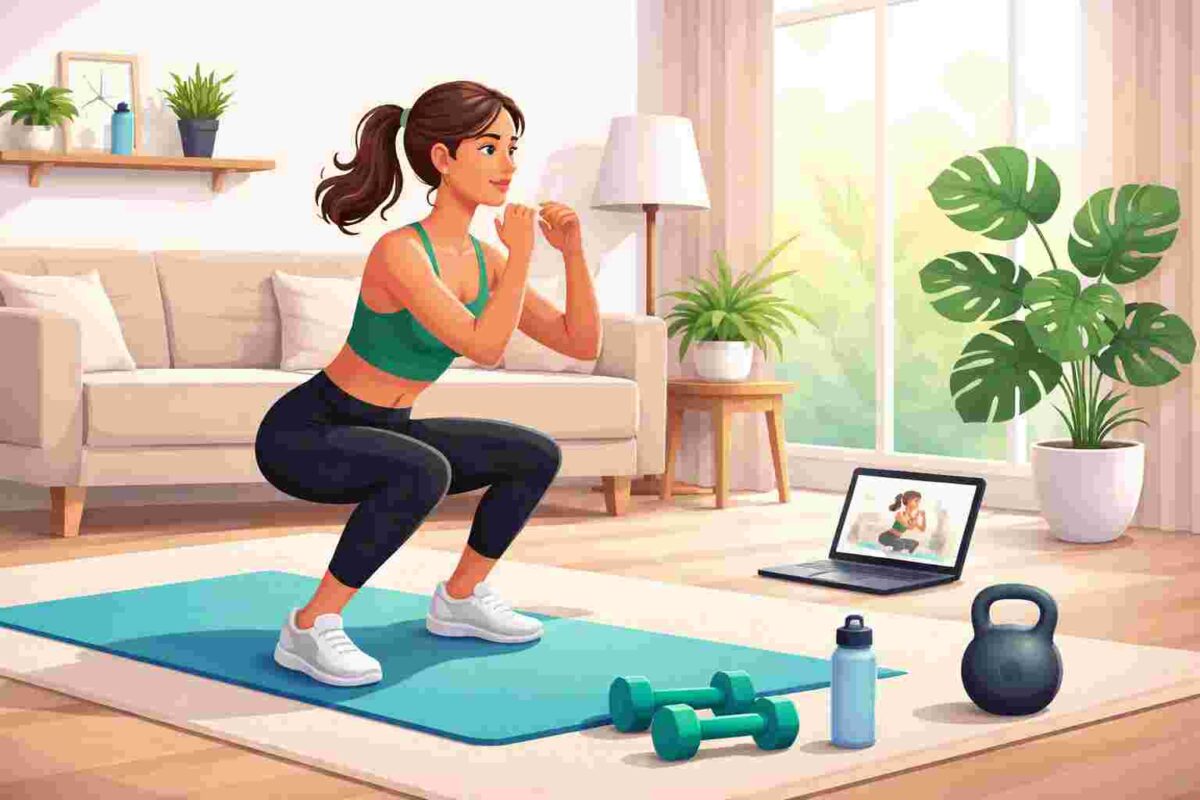
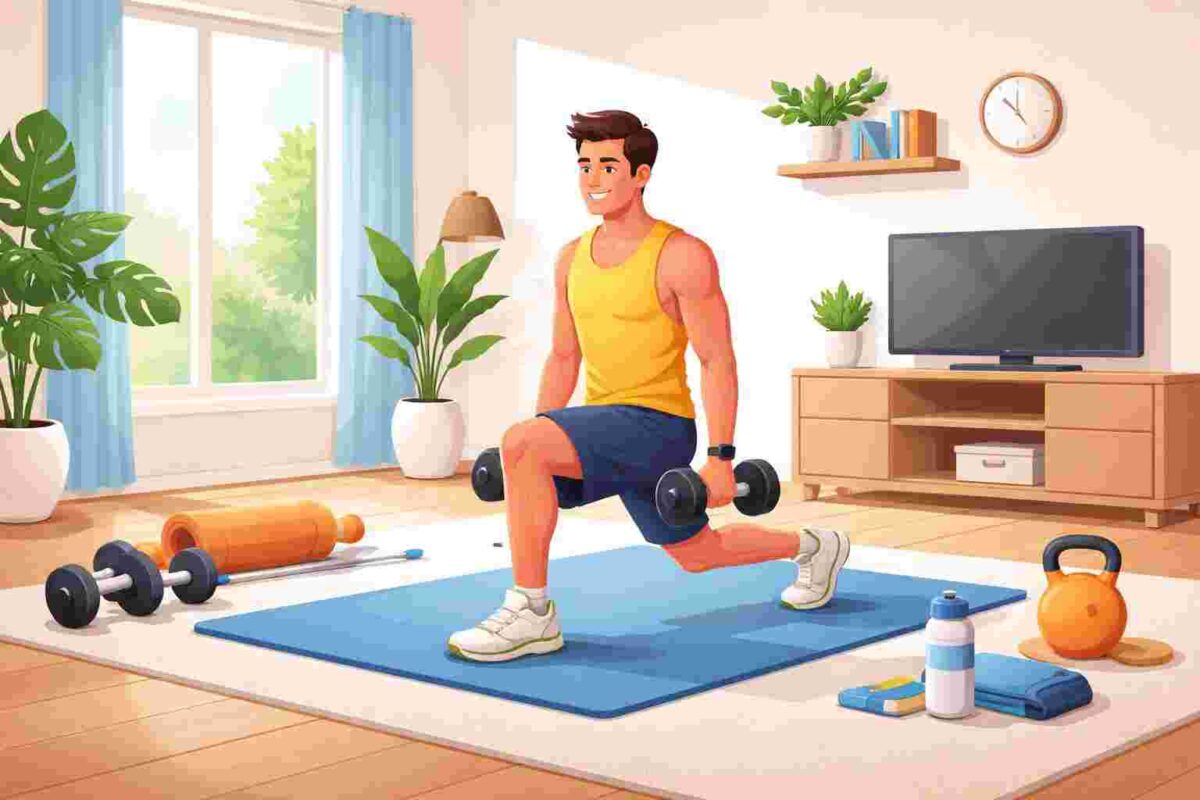
Establishing a daily fitness routine at home is one of the most powerful ways to improve your overall health and well-being. Regular exercise not only helps keep your body fit, but also enhances your mental health by reducing stress and anxiety. As more people recognize the importance of staying healthy, particularly during challenging times, the demand for effective at-home workout strategies has surged. In this article, we will explore the benefits, technical components, and potential challenges of setting up a daily fitness routine at home, along with real-life success stories to inspire your journey.
Benefits of a Daily Fitness Routine
Improved Physical Health
Engaging in a daily fitness routine can lead to significant improvements in physical health. Regular exercise helps to:
- Lower the risk of chronic diseases such as diabetes and heart disease.
- Enhance cardiovascular health.
- Improve muscle strength and endurance.
- Support weight management and fat loss.
- Boost overall immune function.
Mental Well-being
Beyond physical health, a structured fitness regimen plays a crucial role in mental well-being. Regular physical activity can:
- Reduce symptoms of anxiety and depression.
- Improve mood and increase energy levels.
- Enhance cognitive function and focus.
- Boost self-esteem and body image.
- Promote better sleep patterns.
Increased Productivity
Establishing a daily fitness routine can also lead to increased productivity in both personal and professional life. Engaging in physical activity has been linked to:
- Improved focus and concentration.
- Enhanced creative thinking.
- Better time management.
- Higher levels of motivation.
- Increased resilience to stress.
Essential Components of an Effective Fitness Routine
Cardio Exercises
Cardiovascular exercises, also known as aerobic exercises, are fundamental to a well-rounded fitness routine. They help to improve heart health and facilitate calorie burning. Incorporate activities such as:
- Walking or jogging outdoors or on a treadmill.
- Cycling, whether on stationary bikes or through neighborhood routes.
- Dancing or following online dance classes.
- Jumping jacks, skipping rope, or high knees to keep things interesting.
Strength Training
Strength training is vital for building and maintaining muscle mass, as well as boosting metabolism. You can perform strength training using:
- Your own body weight (e.g., push-ups, squats).
- Resistance bands for added difficulty.
- Dumbbells, if available, to enhance your workouts.
- Household items like water bottles or cans for improvisation.
Flexibility and Mobility
Flexibility and mobility exercises improve your range of motion and help prevent injury. It is essential to include:
- Static stretching for effective cooldown.
- Dynamic stretching at the start of your workout.
- Yoga or Pilates sessions to enhance mobility.
- Foam rolling to ease muscle tightness.
Customization and Personalization Strategies
Assessing Personal Goals
Your fitness routine should align with your personal health goals. Start by assessing:
- What do you hope to achieve through exercise? (e.g., weight loss, muscle gain, stress relief)
- How much time can you realistically dedicate to your routine?
- What types of activities do you enjoy? (e.g., cardio, strength training, yoga)
- Are there any health considerations or injuries to take into account?
Modifying Exercises
To ensure your routine suits your specific needs, be prepared to modify exercises. This could mean:
- Adjusting the number of repetitions or sets according to your level.
- Changing the intensity of your workouts by altering the tempo.
- Incorporating lower-impact variations if injury poses a risk.
- Increasing weights gradually as your strength develops.
Incorporating Personal Interests
Incorporating your personal interests into your routine can keep you engaged and motivated. Consider the following:
- Join a local or online class based on your interests.
- Surround yourself with workout buddies for additional motivation.
- Mix in fun activities like playing sports or engaging in family workouts.
- Experiment with fitness apps that align with your preferences.
Challenges and Limitations of Home Workouts
Limited Equipment
One significant challenge of maintaining a daily fitness routine at home is the availability of equipment. You may find yourself limited in what you can do without the proper gear. However, there are ways to navigate this:
- Utilize body-weight exercises that require no equipment.
- Incorporate household items in your workouts.
- Attend virtual classes that often provide modifications.
- Invest in versatile equipment for varied workouts.
Distractions at Home
The home environment can present numerous distractions, making it hard to focus on your fitness goals. Overcoming this can include:
- Setting specific time slots for workouts to build consistency.
- Creating a dedicated workout space free from distractions.
- Using noise-cancelling headphones to enhance focus.
- Enlisting support from family members to avoid interruptions.
Lack of Motivation
Staying motivated while exercising at home can sometimes feel daunting. Overcoming this challenge might require:
- Setting realistic and achievable short-term goals.
- Tracking your progress visually with charts or apps.
- Joining online fitness communities for support and accountability.
- Changing up your routine to keep engaging with different activities.
Statistics on Home Fitness Trends
Increase in Home Gym Equipment Sales
The home fitness industry has witnessed remarkable growth in sales, with home gym equipment sales soaring by approximately 170% in 2020 compared to 2019. This upward trend showcases a strong consumer interest in home fitness solutions.
Rising Popularity of Online Fitness Classes
Additionally, a report indicates that the number of people participating in online fitness classes increased by 50% during the pandemic, giving rise to a substantial demand for virtual workouts. This indicates a shift in consumer behavior that is likely here to stay.
Demographic Trends in Home Fitness
Recent statistics reveal that nearly 30% of people aged 18-34 are embracing home workouts, showing a generational trend toward digital fitness solutions. Interestingly, older demographics are also catching up, with a 20% increase in home fitness participation among those aged 55 and older.
Comparative Analysis of Home vs Gym Workouts
When deciding whether to maintain a daily fitness routine at home or at a gym, it’s essential to weigh the pros and cons. Below, we provide a detailed comparison:
| Criteria | Home Workouts | Gym Workouts |
|---|---|---|
| Cost-Effectiveness | Typically lower costs, often no membership fees. | Monthly fees, potential additional costs for classes. |
| Accessibility | Available any time of day, convenient for busy schedules. | Access limited by gym hours and location. |
| Variety of Workouts | Range of options can be limited to available equipment. | Access to extensive equipment and classes. |
| Environment | Workout in the comfort of your home. | Motivating environment with like-minded individuals. |
| Personalization | Easier to tailor workouts to individual preferences. | May require guidance from trainers for personalized training. |
Real-World Success Stories
Before-and-After Transformations
Many individuals have successfully transformed their lives by adopting a daily fitness routine at home. For instance, Sarah, a 32-year-old mother of two, adopted a daily workout plan that included a combination of cardio and strength training. In just six months, she lost 30 pounds, showcasing the tangible benefits of home workouts.
Client Testimonials
Many clients report incredible stories of positive life changes. John, a fitness enthusiast who began his journey at home, stated, “Working out at home allowed me to prioritize my health without missing family time. The results have been more than I imagined!”
Long-Term Health Improvements
Individuals who have committed to home fitness routines often experience long-term benefits, such as sustained weight loss, higher energy levels, and improved mood. Emma shares her journey; after consistently adhering to a fitness routine, she states, “I feel stronger, more capable, and I have more energy than ever to tackle daily tasks.”
Future Outlook for Home Fitness
Advancements in Fitness Technology
The future of home fitness looks promising, with technology playing a vital role in its evolution. Innovations such as fitness trackers and mobile applications are set to further enhance home workouts, making them more interactive and engaging.
Emerging Workout Trends
Emerging trends in the fitness world indicate a shift toward hybrid workout models, combining both home and gym experiences. This adaptability will cater to diverse audiences and their varying demands.
The Role of Virtual Trainers
Virtual trainers are likely to become increasingly relevant, offering personalized coaching and guidance remotely. This trend will allow individuals to achieve their fitness goals with professional support, regardless of their location.
Frequently Asked Questions
What equipment do I need for home workouts?
For effective home workouts, you don’t necessarily need a fully equipped gym. Some key items that can enhance your routine include:
- Resistance bands for strength training.
- Dumbbells for added weight.
- A yoga mat for floor exercises and stretching.
- Jump rope for cardio.
- Your own body weight, which can be incredibly effective in many exercises.
If you’re limited on equipment, focus on body-weight exercises, which can provide fantastic results if done with proper form and consistency.
How do I stay motivated to exercise at home?
Motivation can be challenging, especially at home where distractions abound. One effective strategy is to set up a consistent workout schedule. Carve out a specific time of day dedicated solely to your workouts, and treat them as important appointments. Additionally, tracking your progress can offer motivation. Find an app or a journal to document your workouts and achievements.
Engaging with online fitness communities can also boost motivation; seeing others’ successes can inspire you to remain committed. Furthermore, incorporate activities you truly enjoy to make your sessions more enjoyable.
Can I achieve my fitness goals without a gym?
Absolutely! Many people have successfully reached their fitness goals through at-home workouts. The key is to establish a varied routine that includes cardio, strength, and flexibility exercises. Body-weight exercises can be very effective; think push-ups, squats, and lunges.
Utilizing online resources, such as workout videos and fitness classes, can provide guidance and structure to your routine. With dedication and a solid plan, achieving your goals without a gym is entirely plausible.
What types of workouts are most effective at home?
Effective home workouts cover a variety of exercise types. High-intensity interval training (HIIT) is especially popular and effective for burning calories in a short amount of time. Additionally, strength training can be done with body weight or minimal equipment, ensuring you still benefit from muscle building.
Consider incorporating flexibility and mobility workouts, such as yoga or Pilates, into your routine for overall wellness. Mixing different types of exercises keeps your routine engaging and covers all necessary fitness components.
How often should I work out?
Generally, aiming for at least 150 minutes of moderate aerobic activity or 75 minutes of vigorous activity spread throughout the week is recommended. For strength training, targeting major muscle groups at least twice a week is advantageous.
It’s vital to listen to your body and include rest days when needed. Following a structured plan that incorporates various exercise types can help you distribute your workouts effectively without overtraining.
What should my fitness routine include?
Your fitness routine should include a balanced mix of cardiovascular exercises, strength training, and flexibility work. Start each session with at least a 5-10 minute warm-up, followed by your main workout that could be cardio or strength-focused. Don’t forget to finish with cooldown stretches to enhance flexibility and recovery.
Finally, ensure that your routine aligns with your personal goals, preferences, and lifestyle. Tailoring it to your specific needs can significantly enhance your commitment and enjoyment, making it easier to stick with your fitness journey.
Conclusion and Next Steps
Establishing a daily fitness routine at home offers countless benefits for both your physical health and mental well-being. By understanding the foundational benefits, essential components, and methods to customize your workouts, you are now equipped to begin your fitness journey.
Don’t allow challenges such as limited equipment or distractions at home to deter you. Instead, leverage your surroundings to engage in effective workouts that keep you motivated. Whether it’s through connecting with online communities or tracking your progress, numerous strategies can help ensure your success.
Now is the perfect time to take control of your health. Start implementing these strategies today, and watch how a consistent fitness routine transforms your life for the better.