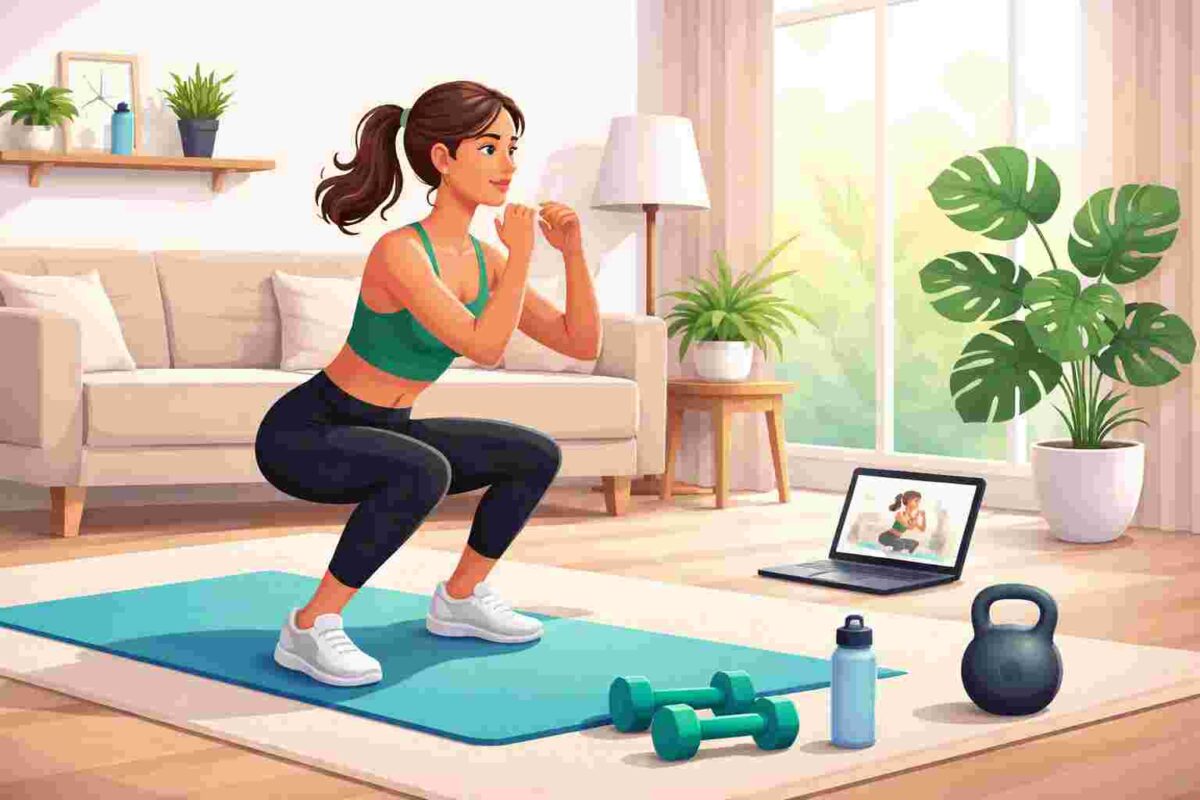
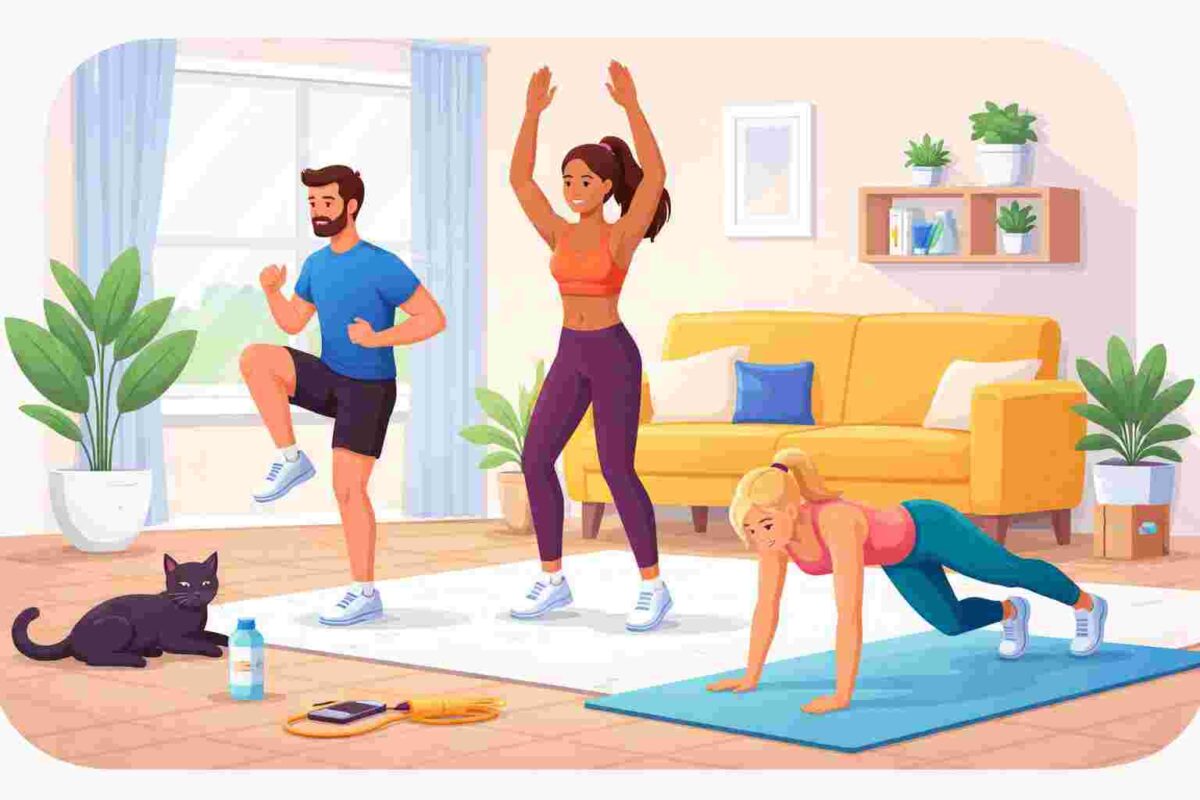
In today’s fast-paced world, the importance of staying fit cannot be overstated, especially when considering home cardio without equipment. This approach to fitness is not only accessible to everyone, regardless of skill level, but it also offers a multitude of benefits, from convenience to significant health advantages. Whether you’re a seasoned fitness enthusiast or just starting out on your journey, understanding the ins and outs of home cardio workouts is essential. Here’s your ultimate guide to maximizing your fitness goals from the comfort of your home.
Understanding Home Cardio
Home cardio encompasses a wide range of exercises performed without any specialized equipment, relying predominantly on the body’s own weight and movements. This section will provide an in-depth look at what home cardio is and its overall significance.
Definition of Home Cardio
Home cardio can be defined as any cardiovascular workout done without the necessity of gym equipment. It includes activities such as running in place, high knees, jumping jacks, and bodyweight circuits. This flexibility allows individuals to cater their workouts to their specific fitness levels and preferences.
Benefits of Home Cardio
- Accessibility: Enables workouts without any financial investment in equipment or gym memberships.
- Convenience: Perfect for those with busy schedules as workouts can be done anytime, anywhere.
- Variety: Incorporates a wide array of exercises that can keep routines fresh and exciting.
- Effectiveness: Provides a robust cardiovascular workout, improving heart health and stamina.
Common Misconceptions
Many people believe that effective cardio workouts require expensive equipment or extensive facilities. However, home cardio challenges this notion, proving that you can achieve powerful results using just your body weight.
Mechanics of Cardio Exercises
In order to understand the full benefits of home cardio, it’s essential to explore how these exercises affect your body’s systems.
How Cardio Affects Your Heart Rate
During a cardio workout, your heart rate increases to supply more oxygen to your muscles. This elevated heart rate boosts cardiovascular endurance and efficiency. Consistent home cardio workouts can lead to a stronger heart that works more effectively.
The Role of Endurance in Cardio
Improving endurance is a primary goal of engaging in cardio workouts. Endurance refers to the ability to sustain physical activity over an extended period of time. Gradually increasing the intensity and duration of your workouts can enhance your total endurance levels.
Caloric Burn: What to Expect
The caloric burn during a cardio session varies based on several factors, including exercise intensity and duration. While a 30-minute cardio session can burn approximately 200-400 calories depending on an individual’s weight and exertion level, maximizing intensity can lead to a higher caloric expenditure.
Business Impact of Home Workouts
The fitness industry has seen a significant shift towards home-based workouts, with profound implications for conventional gym settings.
Growth of Online Fitness Programs
In response to increased demand, online fitness programs have proliferated, offering a vast range of workouts accessible to anyone with a device and internet connection. Major platforms allow users to engage in guided cardio sessions without ever leaving home.
Impact on Traditional Gyms
As home workouts gain popularity, many traditional gyms are facing challenges attracting and retaining members. Consequently, these establishments are adapting by introducing online classes and flexible membership options to compete.
Trends in Fitness Apps and Platforms
The increase in home cardio workouts has spurred innovations within fitness apps. These platforms now offer personalized workout plans, tracking features, and integration with wearable technology, further enhancing the user experience.
Strategic Advantages of Home Workouts
Choosing home cardio offers a distinct set of advantages over traditional gym workouts.
Cost Savings Compared to Gym Memberships
The most apparent benefit of home workouts is the financial savings associated with avoiding gym memberships, travel expenses, and equipment purchases. Individuals can achieve effective workouts entirely free of financial burden.
Time Efficiency
Home workouts eliminate travel time to and from the gym, making it easier to fit exercise into a busy schedule. This is particularly beneficial for individuals balancing work, family, and personal responsibilities.
Flexibility of Scheduling
Having the ability to exercise on your own schedule allows for greater adaptability. Whether it’s early morning or late at night, home cardio can fit seamlessly into any routine.
Risks and Limitations of Home Cardio
While home cardio presents numerous advantages, it’s important to acknowledge potential risks involved.
Potential for Injury Without Supervision
Without the guidance of a trained instructor, there’s an increased risk for improper form and technique, which could lead to injury. It is crucial to educate oneself on appropriate execution of exercises to mitigate this risk.
Lack of Equipment Limitations
Some individuals may find it challenging to achieve the same intensity level without equipment. Resistance training can be limited in body weight exercises, making progress in strength development more complex.
Motivation Challenges
Working out at home can lead to distractions and decreased motivation for some. It is vital to create a dedicated workout space and hold oneself accountable to a schedule.
Comparative Analysis of Home vs. Gym Workouts
This analysis evaluates the key differences between home workouts and traditional gym sessions, shedding light on the advantages and disadvantages of each.
Benefits of Home Workouts vs. Gym Workouts
The major differentiators between gym workouts and home cardio come down to cost, convenience, and personal preference.
| Criteria | Home Workouts | Gym Workouts |
|---|---|---|
| Cost | No membership fees | Monthly fees apply |
| Accessibility | Available anywhere | Restricted to gym locations |
| Flexibility | Work out any time | Limited hours |
| Equipment | Body weight only | Variety of equipment |
| Supervision | Self-guided | Access to trainers |
Cost Analysis Comparison
Financially, home workouts eliminate ongoing costs associated with gym memberships, personal training sessions, and travel expenses. While initial investment in home fitness options might include some basic equipment, the long-term savings are substantial.
Accessibility and Convenience
From an accessibility standpoint, there’s no comparison between the two methods. Home cardio workouts can be done anywhere, anytime, allowing a level of convenience that most gyms cannot match. This is particularly beneficial for busy individuals or those with unpredictable schedules.
Statistics and Market Trends in Home Workouts
Data underscores the growing trend of home cardio workouts and their increasing popularity.
Statistics on Home Fitness Engagement
Recent studies indicate that over 60% of people have incorporated at-home workouts into their routine since the pandemic began. This significant shift points to a growing acceptance of home fitness as a viable alternative to gym workouts.
Market Growth Projections
The home fitness market was valued at approximately $2.3 billion in 2020 and is projected to reach $7.8 billion by 2025, illustrating a robust growth trajectory as more individuals embrace workouts from home.
Demographics of Home Workout Users
Millennials and Gen Z account for the largest demographic of home workout users, with engagement peaking during the evenings and weekends. This trend highlights changing lifestyles and preferences among younger generations.
Case Studies: Success Stories in Home Cardio
Real-life examples can be powerful motivators. Below are inspiring stories of individuals who successfully integrated home cardio into their fitness regimens.
Case Study: Weight Loss Transformations
A participant in a home cardio program lost 30 pounds in just three months. Utilizing a mix of bodyweight exercises and high-intensity interval training (HIIT), this individual achieved remarkable results through commitment and strategic exercise.
Case Study: Increasing Endurance
Another case study features an individual who increased their running endurance from 1 mile to 5 miles in six months by incorporating structured home cardio workouts focusing on running drills and plyometrics.
Case Study: Enhancing Mental Health
A woman suffering from anxiety reported significant improvements in her mental well-being after consistently performing home cardio. She noted reduced stress levels and improved overall mood attributed to her regular workouts.
Future Outlook for Home Cardio Workouts
As trends continually evolve, the future of home cardio looks promising, filled with advancements and creative innovations.
Emerging Trends in Fitness Technology
We can expect to see advancements in fitness technology that will enhance home workouts further. Wearables and smart devices will likely integrate with home workout routines to provide real-time feedback and personalized coaching.
Potential for Virtual Reality Workouts
Increasingly popular, virtual reality workouts are on the horizon, offering immersive fitness experiences that can be done from home while providing an engaging and interactive environment.
Long-term Impact of Home Workouts on Fitness Norms
The societal acceptance of home workouts is likely to reshape traditional fitness norms, allowing individuals to focus more on personal goals rather than societal pressures associated with gym culture.
Frequently Asked Questions About Home Cardio
What are the best home cardio exercises?
The best home cardio exercises include jumping jacks, high knees, burpees, mountain climbers, and running in place. These exercises effectively boost your heart rate and can be done in short bursts for maximum effectiveness.
How often should I do cardio at home?
It is recommended to engage in home cardio workouts 3-5 times a week. This frequency allows for ample recovery time while maintaining a consistent cardiovascular routine.
Can home cardio replace gym workouts?
Yes, home cardio can effectively replace gym workouts for many individuals. As long as you focus on maintaining intensity and diversity in your exercises, you can achieve significant fitness results.
What are the safety tips for home cardio?
To ensure safety during home workouts, it is essential to warm up adequately, maintain proper form, and listen to your body. Additionally, using a comfortable workout space with enough room to move freely is crucial to avoid injuries.
How do I stay motivated while working out at home?
Staying motivated can be challenging. Setting clearer personal goals, creating a dedicated workout space, and utilizing fitness apps for progress tracking can enhance accountability and motivation.
Are there specific routines for beginners?
Beginners should focus on low-impact exercises such as brisk walking, gentle jogging, and basic bodyweight movements. Gradually increasing intensity and incorporating interval training will promote progress while minimizing the risk of injury.
Conclusion: Embracing Home Cardio
In summary, home cardio workouts provide a plethora of benefits that can greatly enhance your fitness journey. By recognizing the advantages, understanding its mechanics, and embracing effective strategies, you can embark on a fulfilling fitness adventure. Don’t hesitate—start integrating home cardio into your routine today!
Remember, the benefits of home cardio are multi-faceted, involving aspects of physical health and mental well-being. By committing to this journey, not only do you invest in your health, but you also cultivate a sustainable fitness lifestyle.
Ready to get started? Visit our articles on easy home workouts for beginners and discover more tips for establishing an effective fitness routine.