
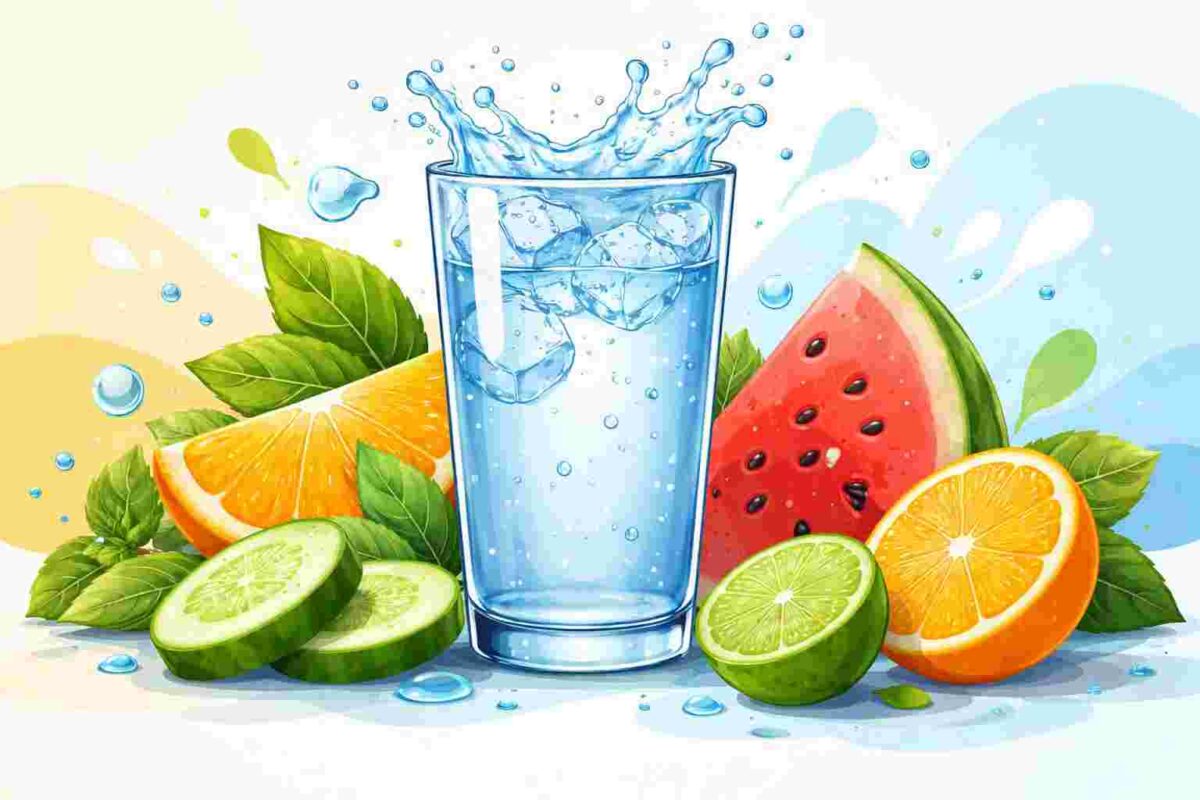
Staying adequately hydrated is crucial for maintaining optimal health and well-being. The Benefits of Drinking Water Daily are profound, influencing everything from physical performance to cognitive function and mood stability. According to the U.S. National Academies of Sciences, Engineering, and Medicine, adequate daily water intake is about 3.7 liters for men and 2.7 liters for women, inclusive of all beverages and food. This statistic underscores the importance of water in our daily lives. In this article, we will delve deep into the numerous benefits associated with maintaining proper hydration and explore the science behind it.
Understanding Hydration
Hydration is not merely about quenching thirst; it is a vital process that supports various bodily functions. By understanding what hydration entails, we can better appreciate its importance.
What is Hydration?
Hydration refers to the process of incorporating enough liquid into the body to ensure it functions properly. Water plays several key roles, including regulating temperature, maintaining joint lubricity, and transporting nutrients and oxygen to cells.
The Role of Water in the Body
- Regulates body temperature through perspiration.
- Flushes out waste and toxins via urine.
- Acts as a cushioning agent for joints and organs.
- Facilitates digestion and nutrient absorption.
- Maintains cellular function by supporting chemical reactions.
Daily Water Requirements
Daily water intake recommendations can vary based on several factors including age, sex, activity level, and overall health. Factors that influence individual requirements include:
- Physical activity level (more activity requires more water).
- Climate impact (hot or humid environments increase water needs).
- Age (children and elderly require different amounts).
- Health status (illness, fever, or certain medications can require more intake).
- Diet (high protein or salt intake can need additional hydration).
Physiological Benefits of Water
Water is not just a thirst quencher; it is a crucial element that shapes our physiological processes. Understanding the technical mechanisms can highlight the importance of adequate water intake.
Impact on Metabolism
Studies have shown that hydration plays a pivotal role in metabolic processes. Adequate water intake can enhance the metabolic rate by 30%, stimulating calorie burning at rest and during physical activity.
Role in Digestion
Water aids in breaking down food, facilitating nutrient absorption, and preventing constipation. A well-hydrated digestive system functions optimally, reducing the risk of digestive disorders.
Effects on Skin Health
- Improves skin elasticity and appearance.
- Reduces the likelihood of dryness and flakiness.
- Helps maintain a youthful look by providing hydration to skin cells.
- Minimizes the occurrence of acne outbreaks linked to dehydration.
Cognitive and Mental Health Advantages
The cognitive benefits of proper hydration are profound and can significantly enhance mental clarity and emotional stability.
Water and Concentration
Studies indicate that even mild dehydration can impair cognitive function and concentration. Adequate hydration enhances brain activity, reaction time, and decision-making abilities.
Mood Improvements
Staying hydrated can positively influence mood. Dehydration has been linked to increased feelings of fatigue, anxiety, and irritability.
Prevention of Headaches
- Migraine sufferers might find relief by staying hydrated.
- Headaches can often stem from mild dehydration.
- Frequent water intake helps reduce tension headaches.
- Hydration maintains proper brain function, preventing headaches.
Business Impacts of Hydration in the Workplace
Employers increasingly recognize the benefits of hydration in enhancing workplace productivity and employee well-being.
Hydration in Health Care
Healthcare workers who maintain proper hydration levels experience fewer work-related injuries and higher job satisfaction, leading to better patient care.
Impact on Corporate Wellness Programs
Organizations that implement hydration-focused wellness programs often see an increase in employee productivity and decreased healthcare costs.
Effects in Educational Settings
- Students perform better academically when well-hydrated.
- Schools that promote hydration report fewer behavioral problems.
- Hydration initiatives can improve attendance rates.
- Teachers notice increased engagement and participation in class discussions.
Strategic Advantages of Adequate Hydration
For individuals and organizations alike, maintaining sufficient hydration can yield significant strategic benefits.
Boosting Energy Levels
Drinking water can enhance energy levels, providing the stamina necessary for both mental and physical tasks. Oftentimes, fatigue is mistaken for hunger or lack of motivation.
Enhancing Athletic Performance
Adequate hydration is crucial for athletes. Dehydration can decrease performance by over 30%. Proper hydration helps maintain body temperature and supports prolonged physical activity.
Long-Term Health Savings
- Preventing health issues associated with dehydration can result in significant healthcare cost savings.
- Hydrated individuals may experience fewer illnesses, resulting in lower insurance premiums.
- A well-hydrated public can reduce government healthcare spending.
Limitations and Risk Considerations
While water consumption is crucial, excessive intake can lead to complications. Understanding these limitations is important for safe hydration.
Water Intoxication
Also known as hyponatremia, this condition occurs when the balance of electrolytes in the body is disturbed by an excess of water. Symptoms can include confusion and seizures.
Imbalance of Electrolytes
Overhydration can lead to an imbalance of electrolytes like sodium and potassium, crucial for muscle and nerve function. This imbalance can result in severe consequences.
Individual Health Considerations
- People with heart or kidney conditions must regulate water intake carefully.
- Athletes should focus on both hydration and electrolyte consumption.
- Older adults often have diminished thirst signals and need to monitor hydration closely.
- Consulting a healthcare professional is recommended for individuals with health concerns.
Comparing Hydration Sources
Identifying the best hydration sources can maximize benefits while minimizing drawbacks.
Water vs. Other Beverages
- Water is calorie-free and often the healthiest choice.
- Sugary beverages can lead to weight gain and health issues.
- Caffeinated drinks can cause increased urination and may lead to dehydration.
- Alcohol can be dehydrating and impair hydration status.
Mineral Water vs. Tap Water
| Criterion | Mineral Water | Tap Water |
|---|---|---|
| Source | Natural springs | Municipal supply |
| Mineral Content | Varies; often contains electrolytes | Generally lower mineral content |
| Cost | Higher | Lower |
| Environmental Impact | Bottling and transportation | Less environmental footprint |
| Regulations | Less regulated | Strictly regulated |
Hydration from Foods
Many foods, especially fruits and vegetables, contain high water content and can contribute significantly to hydration. Examples include:
- Watermelon: 92% water.
- Cucumber: 96% water.
- Strawberries: 91% water.
- Oranges: 86% water.
Market Trends and Hydration Statistics
Hydration is becoming increasingly recognized as crucial for health, reflected in market trends and consumption statistics.
Current Water Consumption Rates
Recent studies indicate that over 60% of Americans do not drink enough water daily. The CDC reports that only about 30% of the population drinks the recommended amount.
Growth of the Bottled Water Market
The bottled water market was valued at approximately $217 billion in 2022 and is expected to reach $368 billion by 2028, highlighting a growing awareness of hydration.
Effects of Water Quality on Health
- Access to clean drinking water is essential for public health.
- Contaminated water sources lead to waterborne diseases affecting millions.
- Investment in clean water infrastructure significantly boosts community health.
Case Studies on Hydration Impact
Real-world examples illustrate the powerful effects of proper hydration on various sectors.
Office Productivity Case Study
A company that instituted a hydration policy saw a 15% increase in productivity after providing employees with easy access to water stations and promoting regular water breaks. Before the policy, absenteeism due to health issues was notably high.
Athlete Performance Case Study
An elite sports team tracked performance metrics for players before and after instituting a hydration protocol. Players who adhered to hydration guidelines saw performance enhancements by over 20%, measured by endurance and speed tests.
Public Health Improvements from Hydration Campaigns
- A public health campaign promoting hydration to combat rising obesity rates led to a 10% decrease in obesity prevalence over two years.
- Community water initiatives reduced hospital visits due to dehydration-related illnesses.
- Increased public funding for hydration stations in high-density areas improved access to clean water.
The Future of Hydration Awareness
As the importance of hydration becomes more recognized, various trends and innovations are emerging.
Emerging Hydration Technologies
Advancements in technology are making it easier to monitor water intake. Apps and smart water bottles can track consumption, sending reminders to stay hydrated throughout the day.
Public Health Initiatives
Government and health organizations are increasingly focused on public awareness campaigns regarding proper hydration to enhance population health significantly.
Sustainability in Water Consumption
- New initiatives are aiming for sustainable water sourcing.
- Reducing plastic use in bottled water is becoming a priority.
- Environmental education on water conservation is crucial for future sustainability.
Frequently Asked Questions
How much water should I drink daily?
Most experts recommend a daily intake of about 8 cups (64 ounces) of water, but individual needs vary based on several factors, including and lifestyle. The general rule of thumb is to listen to your body and drink if you feel thirsty. In addition to plain water, fluids from other beverages and moisture-rich foods contribute to your overall hydration.
What are signs of dehydration?
Common signs of dehydration include dry mouth, fatigue, dizziness, and dark-colored urine. In severe cases, dehydration can lead to headaches, confusion, and even fainting. Maintaining awareness of your body’s signals is crucial for health, especially in hot weather or during intense exercise.
Can I drink too much water?
Yes, excessive water consumption can lead to water intoxication or hyponatremia, where the electrolytes in your body become diluted. While it’s less common, being mindful of your intake is essential, especially when consuming hydrating fluids like water in large quantities during athletic activities.
Does coffee count towards my water intake?
Coffee does contribute to hydration, despite its caffeine content, which was previously thought to be dehydrating. Studies show that moderate coffee consumption can count towards your daily water intake. However, moderation is key to avoid excess caffeine’s side effects, which could lead to increased urination.
What is the best time to drink water?
It’s beneficial to drink water throughout the day to maintain hydration. Many experts recommend drinking a glass of water first thing in the morning and having water before, during, and after meals. Keeping a water bottle handy can help you stay on track with your hydration goals.
How does hydration affect weight loss?
Hydration can play a role in weight loss by promoting fullness and reducing the likelihood of snacking between meals. Drinking water before meals may help control calorie intake, leading to better weight management. Additionally, a well-hydrated body can perform physical activities more efficiently, further supporting weight loss efforts.
Conclusion on Daily Water Benefits
The Benefits of Drinking Water Daily encompass a wide range of physical, mental, and emotional health aspects. By being mindful of hydration, we can unlock numerous advantages that enhance our overall quality of life. As research continues to unveil the full spectrum of water’s benefits, prioritizing hydration remains a simple yet powerful approach to fostering well-being for individuals and communities alike.