Mental health is a crucial aspect of our overall well-being, and incorporating regular self-care practices into our lives can have profound effects on our mental health. This article is designed to provide a comprehensive guide on effective Mental Health Self Care strategies to enhance your emotional, psychological, and social well-being.
Understanding Mental Health and Self-Care
To understand the importance of Mental Health Self Care, we first need to define what mental health is and explore the concept of self-care.
Definition of Mental Health
Mental health encompasses our emotional, psychological, and social well-being. It affects how we think, feel, and act. It also determines how we handle stress, relate to others, and make choices. According to the World Health Organization (WHO), mental health is not just the absence of mental disorders but also a state of well-being in which individuals realize their own potential, can cope with the normal stresses of life, can work productively, and can contribute to their community.
Importance of Self-Care
Self-care is the practice of taking an active role in protecting one’s own well-being and happiness, particularly during periods of stress. Mental Health Self Care is essential because it allows individuals to lead healthier, happier lives. Research indicates that individuals who engage in regular self-care activities experience lower levels of stress, anxiety, and depression. Moreover, they tend to have better mood regulation and improved interpersonal relationships.
Common Misconceptions about Self-Care
- Self-Care is Selfish: Many believe that prioritizing their own needs is selfish, but in reality, caring for oneself allows for better care for others.
- Self-Care Requires Significant Time: While some self-care activities can be time-consuming, many effective strategies are quick and can be incorporated into daily routines.
- Self-Care is Only for Those with Mental Health Issues: Self-care is beneficial for everyone, regardless of mental health status.
- Self-Care is Expensive: There are numerous affordable or even free self-care options available, such as journaling, meditation, or simple walks in nature.
- Self-Care is a One-Time Activity: Effective self-care is an ongoing process that needs regular attention.
Techniques for Effective Self-Care
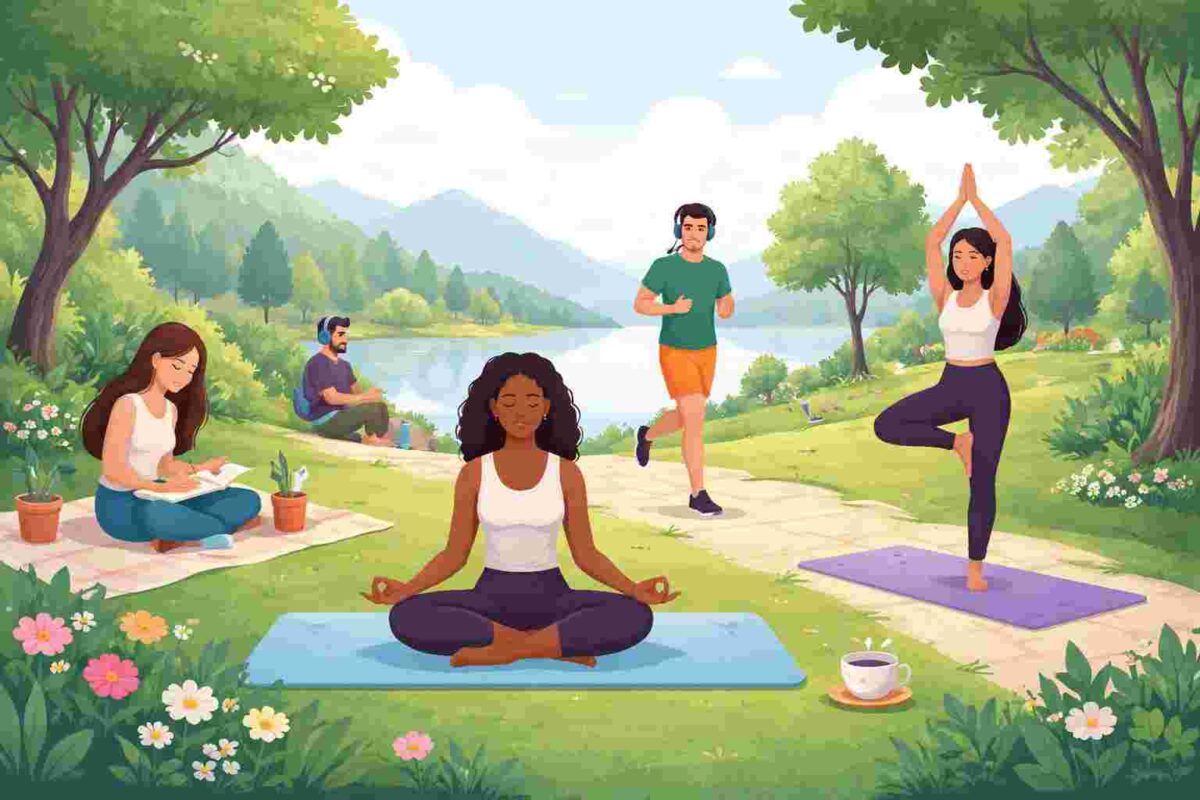
Implementing self-care in daily routines can be done through various techniques that promote mental well-being.
Meditation and Mindfulness Practices
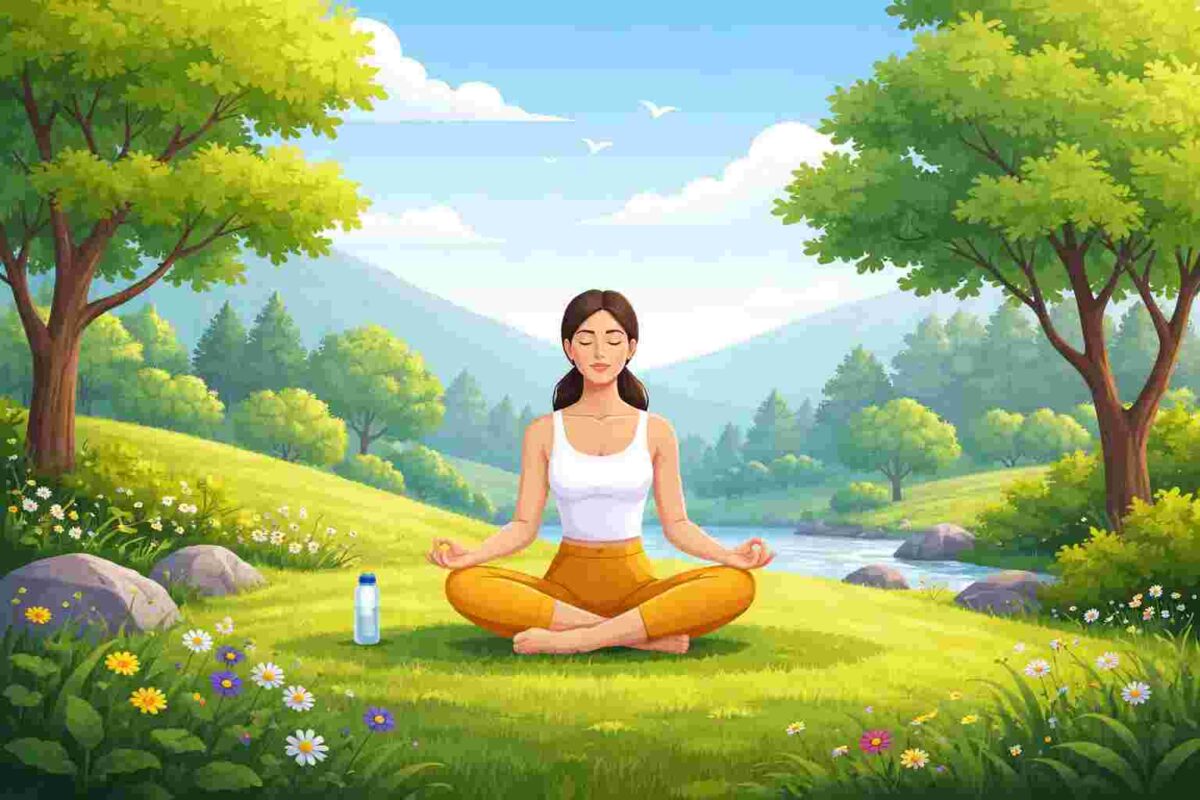
Meditation is a powerful tool for Mental Health Self Care. By practicing mindfulness, individuals can cultivate a sense of present-moment awareness, reducing stress and increasing emotional resilience. Techniques such as guided imagery and deep breathing exercises can be easily integrated into one’s day, even if only for short periods.
Physical Fitness Activities
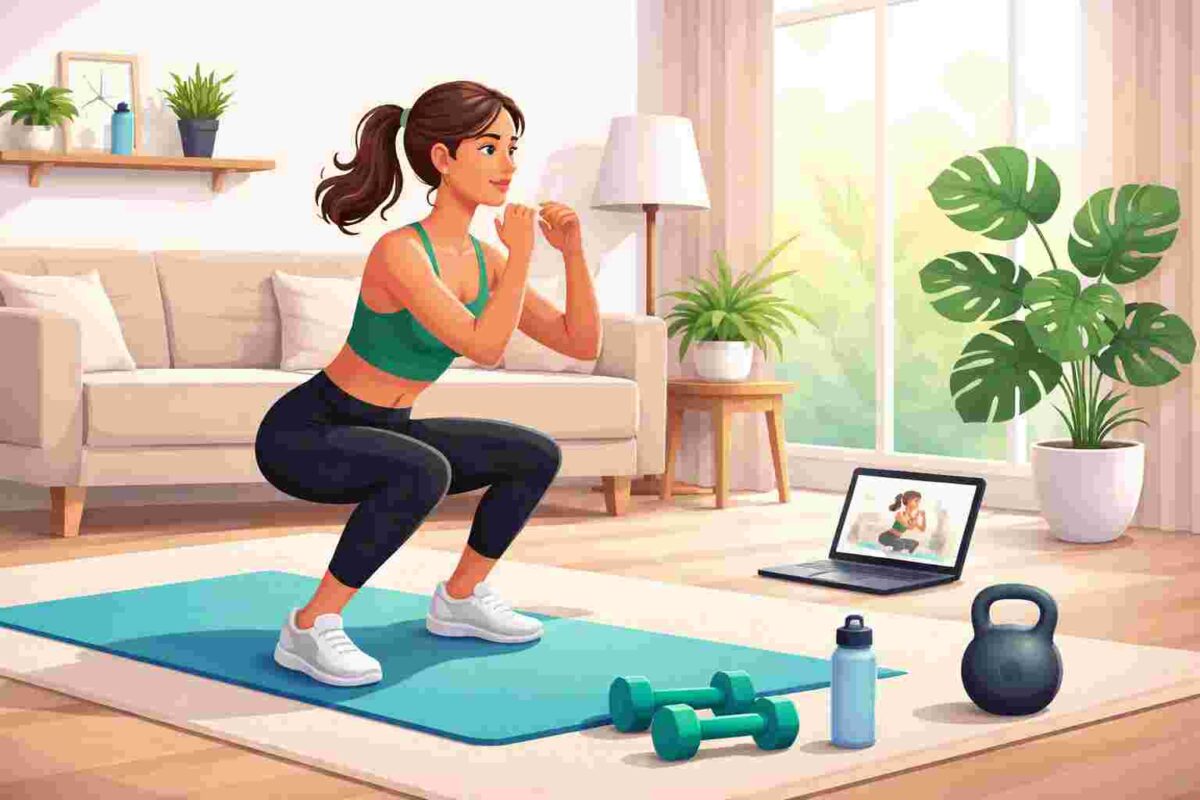
Engaging in physical fitness activities is another key component of self-care. Exercise releases endorphins, the body’s natural stress-relievers. Common activities include walking, yoga, or cycling. Regular physical activity not only promotes physical health but also enhances mental clarity and mood.
Journaling and Reflection Techniques
Writing in a journal can be a therapeutic practice that provides numerous benefits for Mental Health Self Care. It promotes self-reflection, helps process emotions, and can clarify thoughts. Setting aside time each day to jot down feelings, thoughts, or even daily gratitude can significantly enhance mental well-being.
Industry Impact of Mental Health Self-Care
The integration of self-care practices in various industries significantly impacts employee well-being and productivity.
Corporate Sector Initiatives
Many corporations are now recognizing the importance of Mental Health Self Care for their employees. Initiatives such as flexible working hours, wellness programs, and mental health days have been shown to enhance employee morale and productivity. Companies that prioritize mental health in the workplace also enjoy lower turnover rates and improved performance.
Education System Approaches
Schools and universities are increasingly adopting mental health programs that focus on self-care strategies for students. Programs that include stress management workshops, peer support groups, and easy access to mental health resources can notably improve students’ academic performance and emotional health.
Healthcare Industry Strategies
Healthcare professionals are now advocating for self-care methods among patients as part of treatment plans. Initiatives often include patient education around mental health, counseling sessions focusing on self-care strategies, and community outreach programs promoting self-care in different demographics.
Strategic Advantages of Self-Care in Mental Health
Prioritizing Mental Health Self Care has numerous strategic advantages that can enhance personal and social outcomes.
Increased Productivity
Investing in self-care can lead to higher productivity levels. When individuals actively engage in self-care practices, they are more focused, energized, and less prone to burnout. This increased productivity can significantly impact work quality and efficiency.
Enhanced Interpersonal Relationships
Practicing self-care can improve your interactions with others. A person who feels good mentally and emotionally tends to have better communication skills, more empathy, and a higher capacity for constructive conflict resolution, leading to healthier personal and professional relationships.
Reduction in Stress and Anxiety Levels
Regular self-care can lead to a notable reduction in stress and anxiety levels. By employing techniques such as mindfulness and regular physical activity, individuals can manage their emotions more effectively and cultivate a sense of peace and balance in their lives.
Risks and Limitations of Self-Care Practices
While self-care is vital for mental health, it is essential to recognize the potential risks and limitations associated with some practices.
Over-Simplification of Self-Care
One common risk is the oversimplification of self-care strategies. Sometimes people believe that simply following a list of self-care activities will solve deeper mental health issues, which may not be the case. A balanced approach incorporating professional help when needed is crucial.
Emotional Burnout from Ineffective Practices
Some individuals may find that certain self-care techniques do not yield the benefits they expect, leading to frustration and emotional burnout. It is important to try different strategies and recognize that what works for one person may not work for another.
Financial Implications of Self-Care Programs
Engaging in self-care can sometimes create financial burdens, especially if individuals rely on paid programs or products. It is possible to find effective self-care strategies that are budget-friendly; however, awareness and caution should always be exercised.
Evaluating Self-Care Strategies: A Comparative Analysis
To effectively implement Mental Health Self Care, evaluating various strategies is essential. The comparison table below highlights the effectiveness of several self-care techniques based on age groups.
| Self-Care Technique | Age Group | Effectiveness Rating (1-10) |
|---|---|---|
| Meditation | 18-25 | 8 |
| Physical Exercise | 26-35 | 9 |
| Journaling | 36-50 | 7 |
| Mindfulness Practices | 51+ | 9 |
Statistics and Trends in Mental Health Self-Care
Understanding current statistics and market trends can provide valuable insights into the state of Mental Health Self Care.
Current Statistics on Mental Health Issues
According to a recent survey, 1 in 5 adults in the U.S. experience mental illness each year. Consequently, the demand for self-care practices has surged as people seek ways to manage their mental health proactively.
Market Growth of Self-Care Products
The global self-care market is projected to reach $13.0 billion by 2024, demonstrating a growing interest in personal health management. This growth offers a plethora of options for consumers looking to invest in their mental well-being.
Trends in Self-Care Engagement Rates
- The rise of mental health apps has increased engagement rates, with over 65% of users reporting improved mental health after consistent use.
- Online meditation classes have seen a 300% increase in participation since the pandemic began.
- Health retailers report a 150% rise in the sales of self-care-related products in the last two years.
- Community workshops focusing on mental health education are gaining popularity, seeing participation growth of around 40%.
Real-World Case Studies on Self-Care Outcomes
Implementing self-care strategies in different settings can lead to significant improvements. Below are several case studies illustrating the effectiveness of these practices.
Corporate Wellness Programs
Many organizations have initiated wellness programs that prioritize employee mental health. For instance, Company X reported a 32% decrease in employee burnout and a 20% increase in productivity after introducing regular mental health days and workshops.
University Mental Health Initiatives
The University Y launched a mental health outreach program that promotes self-care through workshops and counseling services. Post-program surveys indicated an 18% rise in student satisfaction and a 24% decrease in reported anxiety levels among participants.
Community-Based Self-Care Workshops
A local organization implemented community workshops designed to educate attendees on self-care strategies. The outcomes revealed a 30% improvement in participants’ coping mechanisms and a significant increase in community support networks.
Future Outlook on Mental Health Self-Care
The landscape of self-care for mental health is continuously evolving. Here are some emerging trends and predictions.
Technology and Mental Health
The integration of technology with mental health self-care practices is blossoming. Innovations like AI-driven apps provide personalized self-care recommendations, empowering users to take charge of their mental health journey.
Evolution of Self-Care Apps
Self-care applications are becoming increasingly sophisticated, equipped with features like mood tracking, guided meditation, and community forums, thus creating safe spaces for individuals seeking support.
Future Research Directions in Self-Care
There is a growing demand for research to explore the long-term effects of various self-care practices on mental health. Future studies may delve deeper into personalized self-care solutions tailored to individual needs, substantiated by data and scientific evidence.
Frequently Asked Questions about Mental Health Self-Care
What are some beginner self-care tips?
For those new to self-care, starting with simple activities can make a big difference. Try beginning your day with a short meditation or deep-breathing exercise. Setting aside just 10 minutes a day for activities that you enjoy or find relaxing, such as reading or listening to music, can be a wonderful entry point into self-care. Additionally, regular exercise—even a short walk around the block—can greatly improve your mood and overall mental health.
How does self-care impact mental health?
Regular self-care routines positively impact mental health by enhancing emotional resilience and fostering a more positive mindset. Engaging in self-care activities can lower stress levels, assist in managing anxiety and depression, and lead to an improved quality of life. The act of prioritizing yourself encourages self-compassion and mindfulness, which are crucial to overall mental wellness.
What to do if self-care isn’t helping?
If you find that your self-care practices aren’t yielding the desired effects, it’s important to reassess your approach. Sometimes, what works for one person may not be suitable for another. Engage in self-reflection to explore which techniques resonate with you and reach out for professional support if needed. Speaking to a therapist can provide deeper insights and personal strategies tailored to your unique needs.
Can self-care be a substitute for therapy?
While self-care is crucial for overall mental well-being, it should not replace professional therapy when needed. Self-care can complement therapy by fostering a healthier mindset and helping to manage day-to-day stresses. However, professional guidance is essential for those struggling with significant mental health challenges, where deeper interventions may be required.
How often should I practice self-care?
The frequency of self-care practices should align with individual needs and preferences. A good rule of thumb is to incorporate self-care into your daily routine, even if it’s just a small act such as stretching or journaling. Moreover, dedicating a longer portion of time weekly for activities like engaging in hobbies, taking a class, or spending quality time with loved ones can further solidify these practices into your lifestyle.
What are the best resources for self-care?
There are numerous resources available for self-care, including books, online platforms, and apps focused on mental health. Many websites offer free guides and tools for learning about effective self-care techniques. Additionally, community centers often provide workshops and support groups that can be valuable for learning and sharing experiences related to self-care.
Conclusion: The Importance of Making Self-Care a Priority
Prioritizing Mental Health Self Care is essential not only for personal well-being but also for fostering environments of support and understanding within communities. By implementing effective self-care practices, we enhance our ability to cope with stress, improve productivity, and strengthen our relationships. It is never too late to begin incorporating self-care into your life, so take actionable steps today towards a healthier, happier future.
Summary of Key Concepts
- Mental health is integral to overall well-being.
- Self-care enhances emotional resilience and reduces stress levels.
- Various strategies exist, including physical exercise, meditation, and journaling.
- Self-care must be balanced with professional support when necessary.
- Investing in self-care yields significant benefits both personally and professionally.
Encouragement to Practice Self-Care
Take a moment today to assess your current self-care routine. Are you dedicating enough time to yourself? Remember, taking care of your mental health is not a luxury—it’s a necessity. Commit to making self-care a consistent part of your life.
Final Thoughts on Mental Health and Well-Being
As we continually navigate daily stresses and challenges, the importance of mental health self-care cannot be overstated. By fostering positive habits and prioritizing our well-being, we equip ourselves with the tools necessary for leading fulfilling lives.