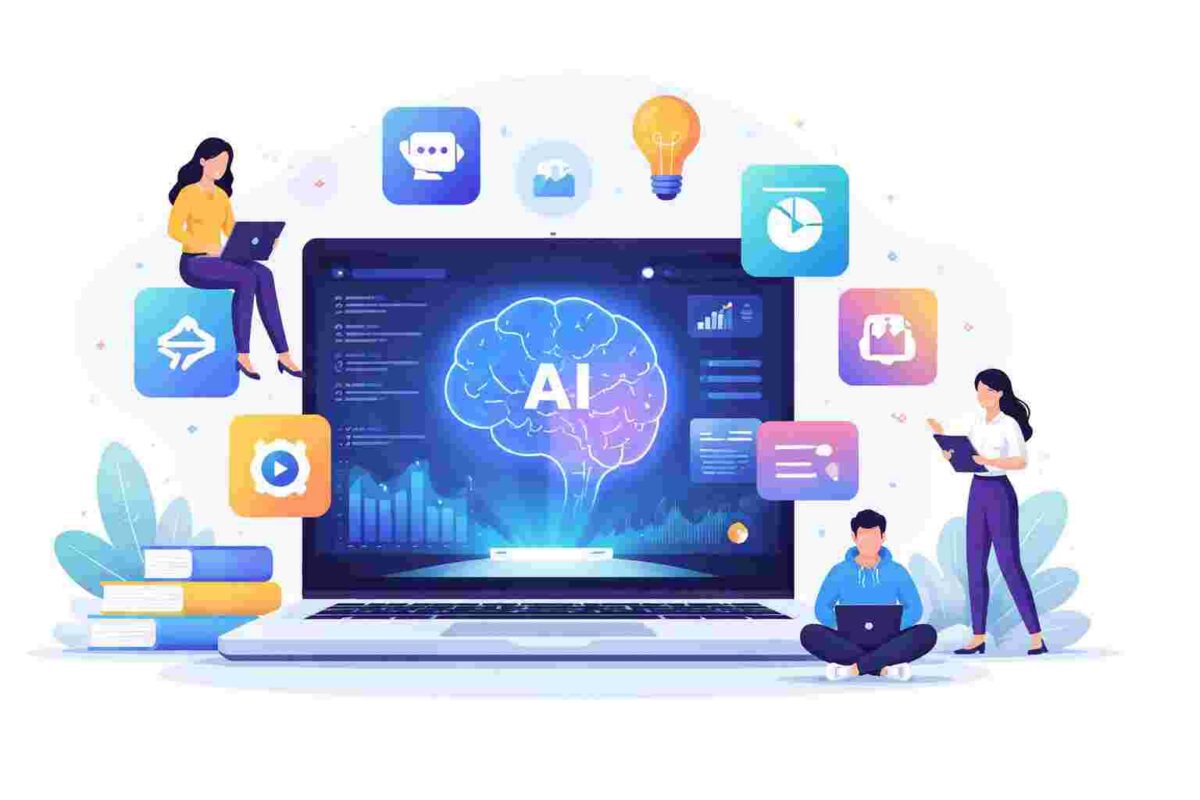
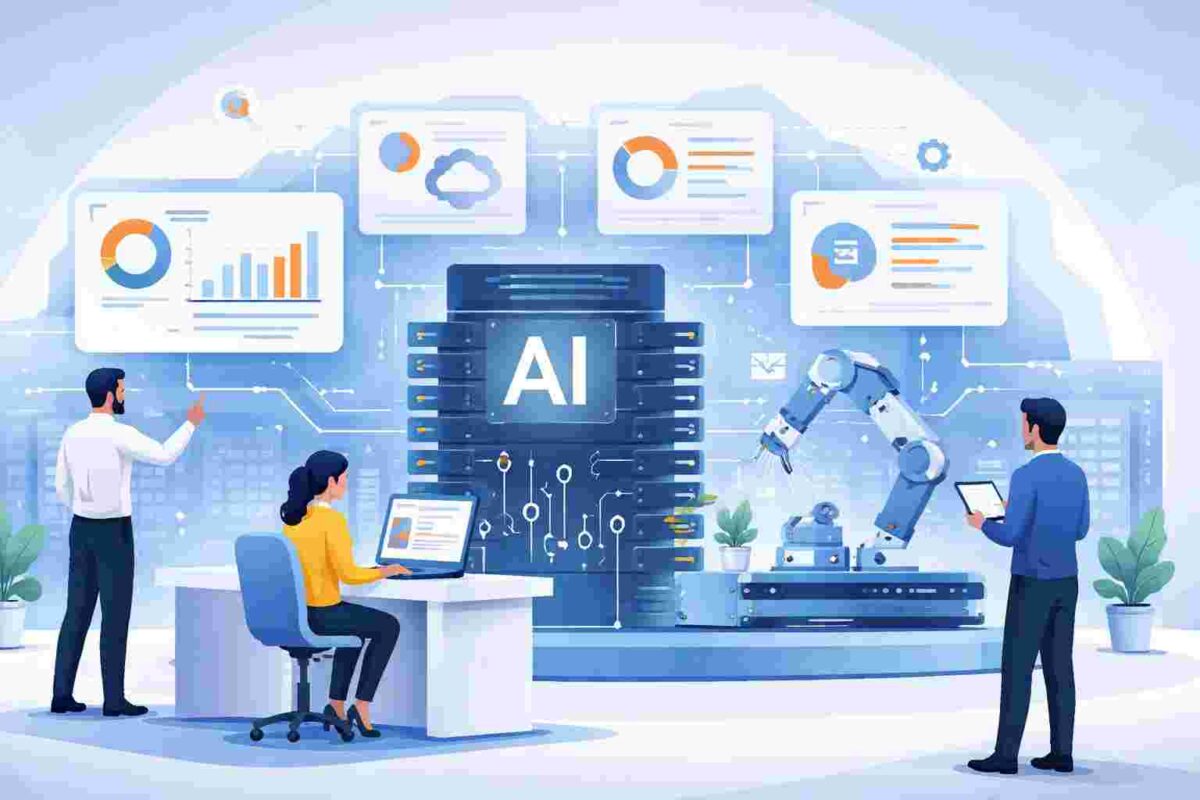
AI Business Systems have become increasingly essential in our rapidly evolving digital landscape. Organizations that embrace these systems gain a significant edge, allowing them to streamline operations, enhance decision-making, and ultimately drive growth. Understanding how to build these AI systems is crucial for businesses looking to thrive in the modern economy. In this article, we will delve into the fundamentals of AI Business Systems, explore the technical mechanisms behind their implementation, assess the impact across various industries, discuss strategic advantages, and look into future trends.
Fundamentals of AI Business Systems
The concept of AI Business Systems integrates artificial intelligence technologies into core business processes. This integration can significantly enhance efficiency and allow companies to adapt to fast-changing market dynamics.
Key Components of AI Systems
- Data: AI is fundamentally driven by data. Businesses must curate high-quality data sets to train their AI systems.
- Algorithms: The mathematical models that process data and make predictions or automate tasks.
- Infrastructure: Technology stacks, including servers and cloud services, that support AI operations.
- Human Expertise: Skilled professionals are necessary for designing, implementing, and fine-tuning AI solutions.
Understanding Machine Learning
Machine learning, a subset of AI, enables systems to learn from data without explicit programming. By analyzing trends and patterns, these systems improve their performance over time, adapting to new information. Key aspects include supervised learning, unsupervised learning, and reinforcement learning.
Data Requirements for AI
- Volume: Large amounts of data are often needed to train effective AI models.
- Diversity: Diverse datasets lead to more robust models capable of handling different scenarios.
- Quality: Clean, accurate data is crucial; bias or errors in data can lead to flawed AI outputs.
- Real-Time Data Processing: Ability to process data as it is generated can enhance AI responsiveness.
Technical Mechanisms Behind AI Implementation
To implement AI in business systems, understanding the technologies and processes involved is vital. Here, we explore how AI technologies are woven into the fabric of modern businesses.
Natural Language Processing Techniques
Natural Language Processing (NLP) allows machines to understand and interpret human language. Techniques include sentiment analysis, language translation, and chatbots that can interact with customers in real time. NLP’s ability to automate customer support and enhance user interaction is a powerful aspect of AI Business Systems.
Machine Learning Algorithms
- Decision Trees: Useful for classification problems by creating a model that predicts target values based on various input features.
- Neural Networks: Mimics the human brain’s functioning, ideal for complex pattern recognition.
- Support Vector Machines: Efficient for high-dimensional spaces, effective for both classification and regression tasks.
- K-Means Clustering: Groups large datasets into distinct clusters based on feature similarities.
Integration with Existing Systems
Integrating AI with existing systems can pose challenges, but it is crucial for maximizing the benefits of AI adoption. Organizations need to consider compatibility, data flow, and user training to ensure a seamless transition.
Assessing Business Impact Across Industries
The transformative nature of AI Business Systems can be observed across various sectors. The adoption of AI has redefined business strategies, propelled productivity, and improved customer satisfaction significantly.
AI in Healthcare
- Patient Data Management: AI can streamline the organization and analysis of patient records.
- Diagnostics: Machine learning algorithms can analyze medical imaging faster than human radiologists.
- Treatment Personalization: AI can recommend treatment plans tailored to individual patient data.
- Predictive Analytics: Identifying potential health risks based on patient history.
AI in Retail
In retail, AI drives personalized shopping experiences, optimizes inventory management, and enhances customer service. Retailers can analyze consumer behavior to provide targeted marketing, resulting in increased sales and better customer retention.
AI in Manufacturing
- Predictive Maintenance: AI can predict equipment failures before they occur, minimizing downtime.
- Supply Chain Optimization: Analyzing data to enhance logistics and reduce costs.
- Quality Control: Automating inspections to ensure production standards.
- Energy Management: AI solutions can reduce operational costs by managing energy consumption intelligently.
Strategic Advantages of AI Integration
Integrating AI into business systems yields several strategic benefits, making it a worthy investment for organizations. The potential of AI lies not only in enhancing efficiency but also in reimagining business possibilities.
Cost Reduction
- Automation of Routine Tasks: AI can handle repetitive tasks, freeing up human resources for higher-value work.
- Optimized Resource Allocation: AI algorithms can facilitate better budgeting and resource management.
- Reduced Mistakes: Automation minimizes human errors, leading to less wasted time and resources.
- Savings in Operational Costs: AI can analyze processes and suggest improvements.
Enhanced Decision Making
Data-driven insights generated by AI systems empower businesses to make informed decisions quickly. AI analytics can sift through vast data collections and provide actionable recommendations. This capability is strong in sectors like finance, where predictive analytics can forecast market trends effectively.
Increased Efficiency
- Faster Processes: AI systems can perform tasks faster than humans.
- Continuous Operation: AI doesn’t need breaks, allowing for nonstop operations.
- Scalability: AI systems can adapt quickly to changing needs, whether in operational scale or data volume.
- Improved Collaboration: AI tools enable better communication among team members through intelligent assistance.
Limitations and Risk Considerations of AI Systems
While the potential of AI Business Systems is vast, there are limitations and considerable risks that companies must navigate. Awareness of these challenges is essential for responsible AI adoption.
Data Privacy Concerns
- Regulatory Compliance: Businesses must adhere to regulations like GDPR, impacting data collection and processing.
- Data Breaches: Sensitive data can become vulnerable, leading to significant fines and loss of consumer trust.
- Transparency Issues: The opacity surrounding AI algorithms can lead to mistrust among users.
- Ethical Considerations: Companies are ethically obligated to use data responsibly.
Bias in AI Models
AI models can inherit biases present in training data, resulting in unfair outcomes. Organizations must implement measures to audit and correct biases regularly, ensuring equity in AI-driven decisions.
Implementation Complexity
- Resource Allocation: Developing and integrating AI solutions requires significant investment in time and resources.
- Skill Gaps: Finding qualified professionals to manage and deploy AI systems can be challenging.
- Change Resistance: Employees may resist transitioning to AI-driven processes, requiring effective change management strategies.
- Interoperability Issues: Ensuring that new AI systems work seamlessly with existing technologies can be complex.
Comparative Evaluation of AI Tools and Platforms
When considering AI Business Systems, companies must evaluate various AI tools and platforms to find the best fit. This section provides a comparative analysis of popular solutions.
| Platform | Features | Cost | User Experience Rating (1-5) |
|---|---|---|---|
| TensorFlow | Open-source, comprehensive library, community support | Free | 4.5 |
| IBM Watson | AI tools for customer service, machine learning, analytics | Variable, based on usage | 4.2 |
| Microsoft Azure AI | Integration with Microsoft products, scalable, secure | Pay-as-you-go | 4.1 |
| Google AI | Powerful machine learning services, easy to use | Free tier available, pay-as-you-go | 4.7 |
| Amazon SageMaker | Integrated machine learning, deployment capabilities | Pay-as-you-go | 4.4 |
Statistics and Market Trends in AI Adoption
The global AI market is expected to grow from $136.55 billion in 2022 to $1,811.75 billion by 2030, representing a staggering CAGR of 32.5% (source: Fortune Business Insights). Additionally, around 58% of companies have reported that they are adopting AI technologies to enhance their operations, showing a significant rise in interest and investment (source: McKinsey & Company).
AI Market Growth Statistics
- Forecast Growth: 32.5% CAGR from 2022 to 2030.
- Investment Surge: 58% of companies report AI adoption.
- Healthcare AI Market Size: Expected to reach $36 billion by 2026.
- Retail AI Adoption Rate: Projected to double from 30% to 60% by 2025.
Investment Trends in AI Startups
The investment landscape for AI startups is booming, with more funding flowing into innovative solutions. Venture capitalists are increasingly focusing on healthcare, finance, and automation, contributing to a robust ecosystem that encourages the emergence of new solutions.
Industry-Specific Adoption Rates
- Healthcare: 38% adoption rate.
- Finance: 45% adoption rate.
- Retail: 30% adoption rate, expected to reach 60% by 2025.
- Manufacturing: 33% adoption rate.
Real-World Case Studies in AI Business Systems
Real-world applications showcase how companies can achieve measurable outcomes through AI implementation. Here we highlight notable case studies.
Case Study: AI in Customer Service
A leading telecommunications provider implemented AI chatbots to handle customer inquiries. Before AI, average wait times were approximately 20 minutes. Post-implementation, the company reduced wait times to just 2 minutes, increasing customer satisfaction scores by 30%.
Case Study: AI for Supply Chain Optimization
A global retail chain adopted AI to enhance its supply chain operations. By utilizing predictive analytics, the company reduced inventory holding costs by 25% and increased delivery efficiency by 40% within six months.
Case Study: Predictive Analytics in Sales
An e-commerce platform integrated AI to analyze sales data, enabling personalized marketing strategies. As a result, the business witnessed a 20% increase in conversion rates and a 15% boost in customer retention within a year.
Future Outlook of AI in Business Systems
The future of AI Business Systems appears promising, with innovations on the horizon that will further disrupt and enhance traditional business models.
Emerging AI Technologies
- Federated Learning: Enables decentralized model training while maintaining data privacy.
- Explainable AI: Focuses on making AI decisions more transparent to users, enhancing trust.
- AI for Autonomous Systems: Developments in AI are spurring advances in self-driving technology among other automated solutions.
- AI in Cybersecurity: AI will continue to play a crucial role in protecting businesses from digital threats.
Predicted Effects on Workforce
AI’s integration into business systems will inevitably reshape the workforce dynamics. While it may lead to job displacement, it also creates opportunities for new roles focused on AI management and oversight. Upskilling and reskilling will be vital for the existing workforce to adapt to these changes.
Future Business Models with AI
- Subscription Models: Companies will shift to more subscription-based revenues supported by AI analytics on customer behavior.
- Dynamic Pricing: AI algorithms will help businesses adapt pricing in real-time based on demand.
- Hyper-Personalization: Retail and service sectors will utilize AI to provide customers with ultra-personalized experiences.
- Sustainability Integration: AI will enable businesses to optimize their operations for environmental sustainability.
Frequently Asked Questions about AI Business Systems
What is an AI business system?
AI business systems integrate artificial intelligence technologies into operational frameworks to enhance efficiency, decision-making, and customer experience. They leverage data, machine learning, and automation to drive business value, creating systems that can learn and adapt over time.
How does AI improve decision-making?
AI systems analyze vast amounts of data quickly, generating predictive insights that inform strategic decisions. By providing data-driven recommendations, AI reduces uncertainty and enables more informed choices, leading to improved business outcomes.
What are the risks of AI adoption?
Some risks include data privacy concerns, algorithmic bias, and the potential for operational disruptions. It’s vital for organizations to address these risks proactively by implementing ethical AI practices and ensuring transparency in AI processes.
Is AI expensive to implement?
The cost of implementing AI can vary widely based on factors such as infrastructure, expertise, and project scope. Initially, investment can be substantial, but the long-term benefits typically outweigh the costs, offering significant ROI through efficiency gains and cost savings.
How can small businesses leverage AI?
Small businesses can utilize affordable AI tools and platforms to automate processes, personalize customer interactions, and improve marketing strategies. Leveraging cloud-based AI solutions enables small businesses to access powerful AI capabilities without the need for extensive infrastructure investments.
What are the latest trends in AI technology?
Key trends include the rise of explainable AI, federated learning, and advancements in autonomous systems. Additionally, AI’s application in fields like healthcare, finance, and retail is expected to continue growing as these technologies advance and become more accessible.
Conclusion: The Path Forward for AI in Business
As we navigate through an increasingly competitive landscape, the importance of AI Business Systems cannot be overstated. Embracing AI technologies is not only crucial for operational efficiency but also for strategic advantage and sustainable growth in the future. Organizations that invest in AI will be better positioned to thrive as they adapt to market changes and customer demands, paving the way for innovation in every sector.