
Understanding Personal Finance
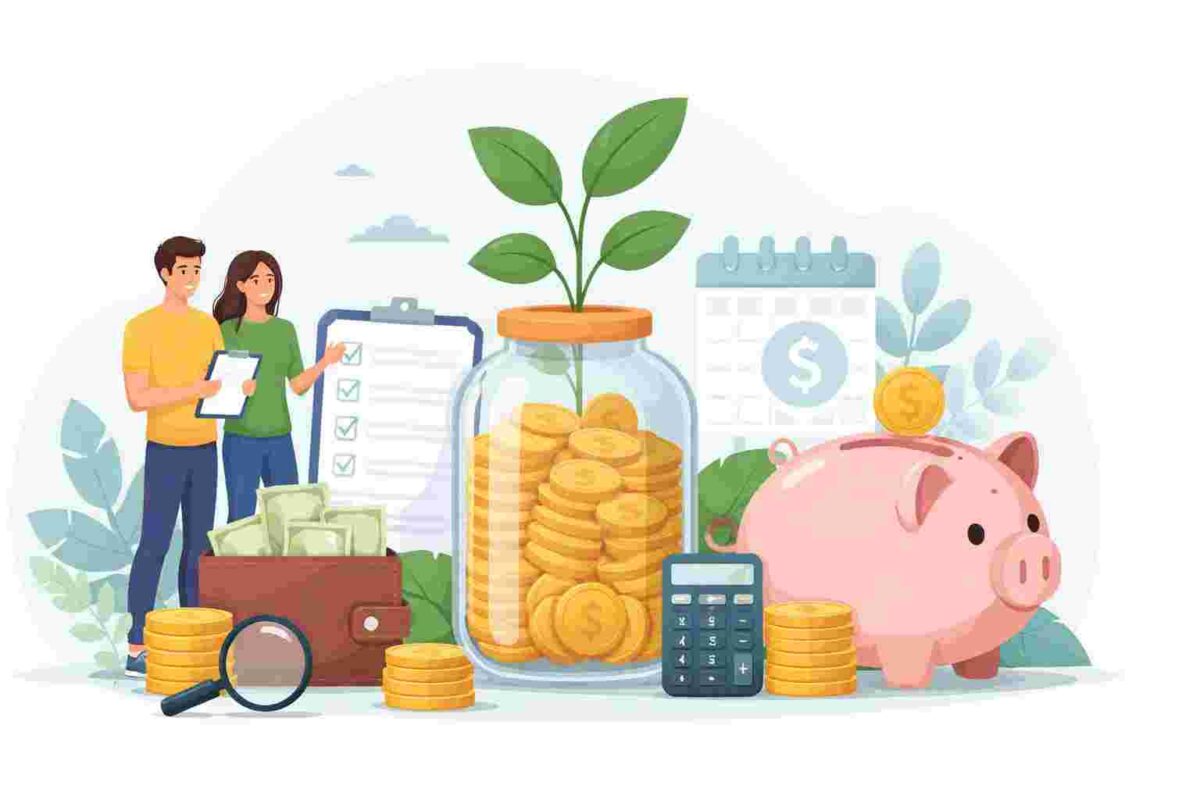
Guide to Personal Finance: Welcome to the world of personal finance, a crucial aspect of achieving financial stability and independence. Understanding personal finance involves learning how to manage your income, expenses, savings, and investments effectively. It lays the groundwork for making informed financial decisions that can lead to wealth creation over time. In a rapidly changing financial landscape, mastering personal finance is more important than ever.
Table of Contents
Many individuals find personal finance intimidating, but it doesn’t have to be complicated. At its core, personal finance is about making smart choices regarding money management. Whether you’re newly entering the workforce or looking to improve your financial situation, this Beginner Guide to Personal Finance is designed to help you build a strong foundation.
Setting Financial Goals
The first step in Beginner Guide to Personal Finance is setting clear, achievable goals. Financial goals can vary widely from person to person but generally fall into short-term, medium-term, and long-term categories. Short-term goals might include saving for a vacation, while medium-term goals could focus on buying a home. Long-term goals often encompass retirement savings or children’s education funds.
To effectively set financial goals, consider using the S.M.A.R.T. criteria—Specific, Measurable, Achievable, Relevant, and Time-bound. For example, instead of saying you want to save money, specify the amount you want to save and the timeframe in which you aim to achieve this goal.
Creating a Budget
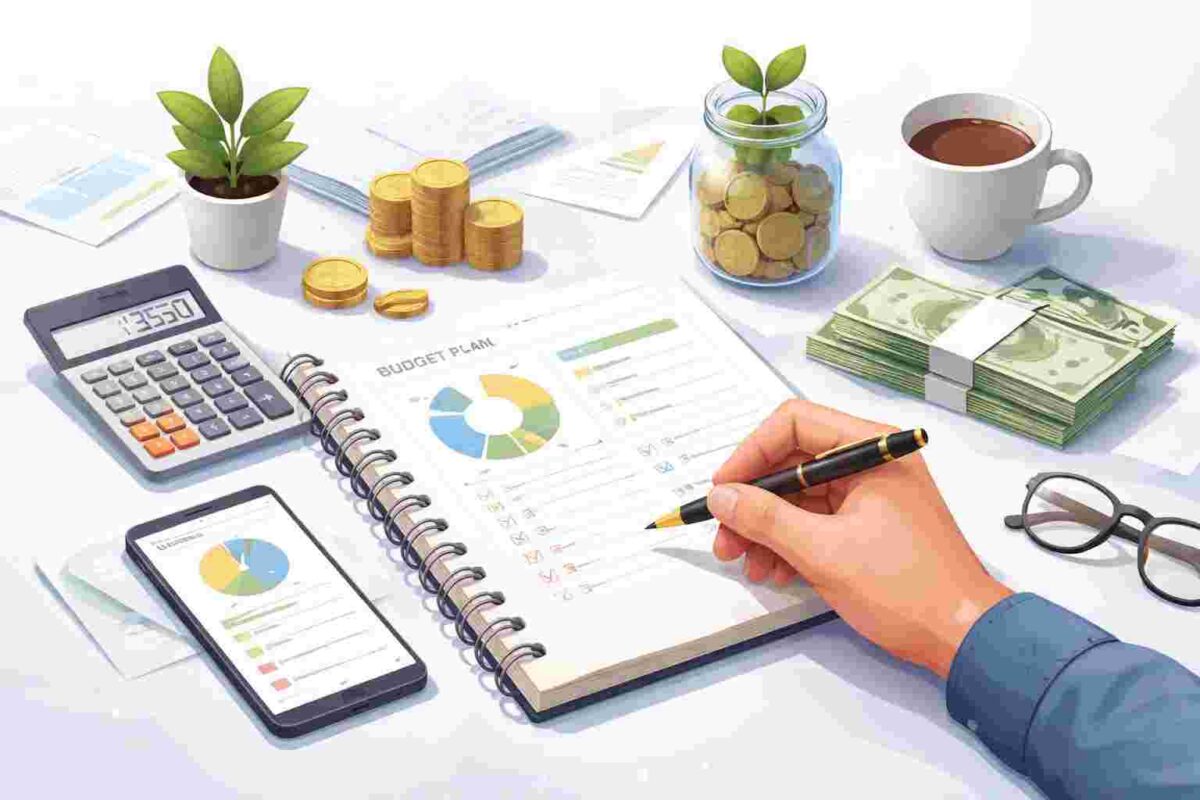
A budget is an essential tool in Beginner Guide to Personal Finance that helps you track your income and expenses. By understanding where your money goes, you can allocate funds more effectively to meet your goals. Start by categorizing your expenses into fixed (rent, utilities) and variable (food, entertainment) costs.
Consider using budgeting apps or spreadsheets to streamline this process. Regularly reviewing your budget is equally vital; it helps you identify potential areas where you can cut costs and save more money. For further tips on budgeting, check out our article on simple budget planning tips.
Saving Strategies
Saving money should be a priority in your Beginner Guide to Personal Finance plan. Building an emergency fund, having a savings cushion in times of unexpected financial stress, is a sound strategy. Financial experts generally recommend setting aside three to six months’ worth of living expenses in an accessible savings account.
In addition to an emergency fund, consider automated savings strategies, such as setting up automatic transfers into a savings account every payday. This technique ensures that saving becomes a routine part of your financial life and can significantly impact your overall financial health.
Understanding Debt
Debt can be a double-edged sword in personal finance. While some debt, such as student loans and mortgages, can be leveraged for future gains, high-interest debt, like credit cards, can quickly become overwhelming. Understanding the different types of debt is crucial to managing your financial health.
One effective strategy is the debt snowball method, where you focus on paying off your smallest debts first. This method builds momentum and can be psychologically beneficial. For those in significant debt, consider consulting with a financial advisor for personalized strategies.
Investing Basics
Investing is a vital component of personal finance that can help grow your wealth over time. Unlike saving, which simply protects your money, investing involves putting your money into assets that have the potential to increase in value. Stocks, bonds, mutual funds, and real estate are common investment vehicles.
Understanding your risk tolerance is essential before diving into investing. Risk tolerance varies by individual and can be influenced by age, income, and financial goals. It’s advisable to start small and gradually increase your investment as you become more confident and knowledgeable.
The Importance of Financial Literacy
Financial literacy refers to the ability to understand and effectively use various financial skills, including Beginner Guide to Personal Finance management, budgeting, and investing. Improving your financial literacy can empower you to make informed decisions regarding your money.
Numerous free resources and tools are available online that can aid your financial education. Websites like Investopedia provide valuable content tailored to various aspects of personal finance. Increased financial literacy not only benefits you as an individual but also positively impacts society as a whole.
Building Credit
Understanding and managing your credit score is crucial in personal finance, as it affects your ability to borrow money and the terms of your loans. A higher credit score may result in lower interest rates, while a poor score can significantly increase your borrowing costs.
To build good credit, pay bills on time, keep credit utilization low, and regularly check your credit report for errors. Addressing any inaccuracies can help maintain a healthy credit history, a fundamental aspect of financial health.
Retirement Planning
Planning for retirement is an essential aspect of personal finance that requires early and thoughtful strategies. It’s essential to consider how much money you will need to live comfortably in retirement and the various sources of income you will have.
Employers often offer retirement plans such as 401(k)s, which can significantly enhance your savings through employer matching contributions. Explore different retirement accounts, such as IRAs, to diversify your savings strategies.
The Role of Insurance
Insurance plays a crucial role in Beginner Guide to Personal Finance by protecting your assets against unforeseen events. Auto, home, health, and life insurance are essential facets to consider when planning your finances.
Choosing the right insurance involves assessing your risks and determining adequate coverage for your lifestyle. Regularly reviewing your insurance policies allows you to adjust based on changing life circumstances, ensuring you have the appropriate level of protection.
Tax Basics
Understanding taxes is integral to Beginner Guide to Personal Finance, as it directly affects your earnings and financial planning. Familiarize yourself with the various types of taxes you will encounter, such as income tax, property tax, and capital gains tax.
Take advantage of deductions and credits that may reduce your taxable income, significantly impacting your overall financial landscape. Utilizing tax preparation services or software can simplify the process and ensure accurate reporting.
Staying Informed and Adapting
Staying informed about Beginner Guide to Personal Finance trends and economic changes is vital. Regularly educating yourself about financial matters enables you to adapt your strategies accordingly. Consider subscribing to financial news outlets, podcasts, or blogs that provide finance tips and insights.
Networking with other finance-savvy individuals can also enhance your understanding. Engaging in discussions about personal finance can open doors to new ideas and strategies that you may not have previously considered.
FAQs about Personal Finance
What is the first step to managing my Beginner Guide to Personal Finance?
The first step is setting clear financial goals and creating a budget to help track your income and expenses.
How can I improve my credit score?
To improve your credit score, pay your bills on time, keep your credit utilization low, and regularly check for errors on your credit report.
What percentage of my income should I aim to save?
Financial advisors often recommend aiming to save at least 20% of your income for future needs and emergencies.
Are there any tools that can help with budgeting?
Yes, there are many budgeting apps available that can help you track your expenses and set savings goals effectively.
How can investing benefit my financial future?
Investing can help grow your wealth over time by putting your money into assets expected to increase in value.