
Understanding Daily Spending
In today’s fast-paced world, learning how to reduce daily spending is essential for maintaining financial stability. Many individuals find themselves living paycheck to paycheck, and small expenses can quickly accumulate into significant financial burdens. By understanding where your money goes, you can develop strategies that will help you save over time. This article provides various methods to cut costs while maintaining a desirable lifestyle.
Table of Contents
Evaluate Your Monthly Budget
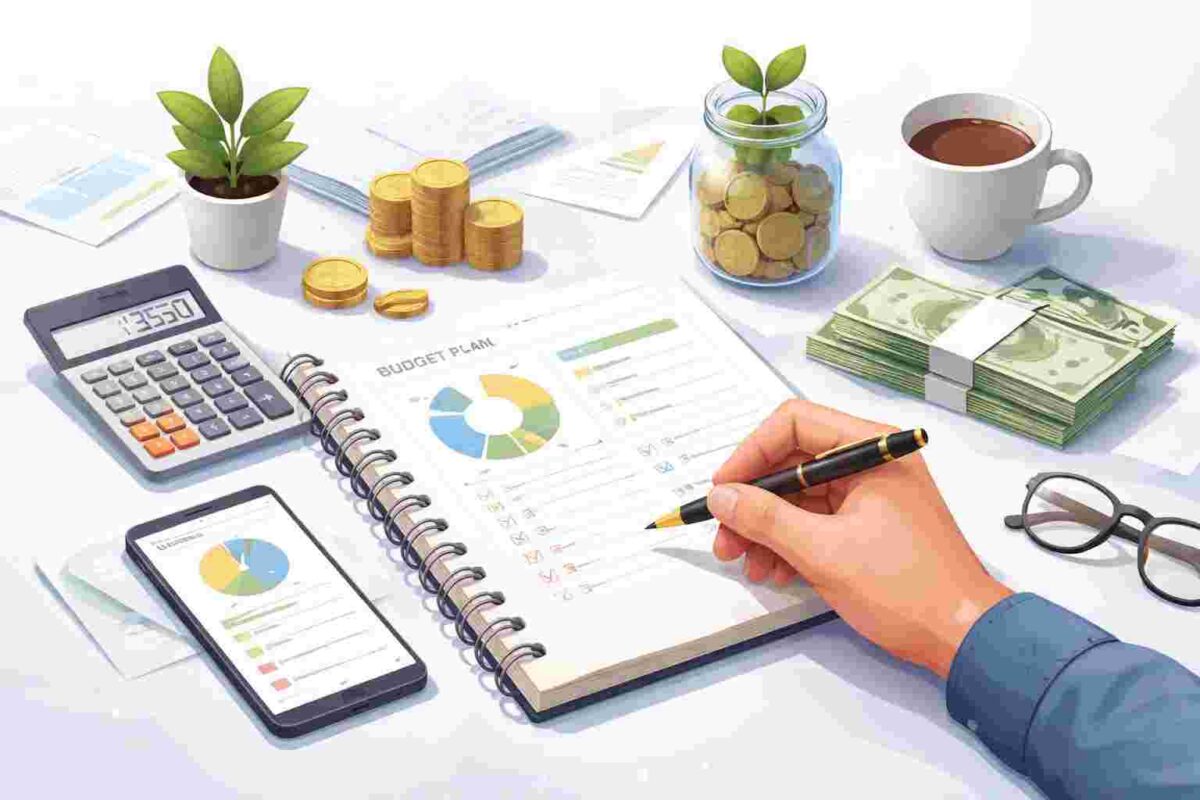
The first step in reducing daily spending is to create a comprehensive monthly budget. Track your income and monthly expenses to identify necessary versus discretionary spending. Online tools and budgeting apps can aid in this process, allowing you to take control of your finances.
- List all your sources of income.
- Categorize your expenses into fixed (rent, utilities) and variable (entertainment, dining out).
- Establish spending limits for each category.
Once your budget is in place, monitor it regularly to stay on track. Adjust categories as needed, ensuring you do not overspend in any area.
Cut Back on Dining Out
Eating out can significantly impact your monthly budget. By reducing how often you eat at restaurants, you can save a substantial amount of money. Home-cooked meals are not only healthier but also cheaper. Here are some tips to decrease dining expenses:
- Plan your meals for the week and create a shopping list based on those meals.
- Prepare lunches at home to avoid the temptation of takeout.
- Take advantage of leftovers; they can easily become lunches for the next day.
Limit Impulse Purchases
Impulse buys can throw your budget into disarray. Limit your exposure to potential impulse purchases by avoiding stores unnecessarily and unsubscribing from promotional emails. Here’s how to develop healthy spending habits:
- Set a 24-hour rule before making a purchase.
- Use cash instead of credit cards to prevent overspending.
- Find alternatives to buying, such as borrowing or renting instead of purchasing.
Take Advantage of Discounts and Coupons
Make the most of discounts and coupons available in stores or online. This can significantly reduce spending without sacrificing quality. Here are some resources:
- Use coupon applications like Honey or Rakuten.
- Check local stores for promotions and sales.
- Sign up for loyalty programs to earn points towards future discounts.
The Power of Shopping Lists
When shopping, always prepare a list based on your needs. This practice can help prevent impulse purchases and keep you focused. Consider these tips:
- Stick to your list when grocery shopping.
- Avoid shopping while hungry as it can lead to unplanned purchases.
- Only buy what you need for immediate use.
Utilize Public Transportation
Using public transportation instead of a personal vehicle can save a significant amount of money on gas, maintenance, and parking fees. Evaluate local public transport options to see how they can fit into your daily commute. Benefits of using public transportation include:
- Reduced travel costs compared to fuel prices.
- Less wear and tear on your vehicle.
- The potential for increased productivity during your commute.
Reduce Energy Consumption
Next, focus on reducing energy bills, which can have a substantial impact on monthly expenses. Simple changes in your daily habits can lead to long-term savings:
- Turn off lights when leaving a room.
- Use energy-efficient appliances.
- Unplug devices that are not in use.
Embrace DIY Projects
Engaging in DIY projects can reduce the need for professional services. Whether it’s home repairs, art projects, or garden work, embracing your creative side can lead to significant savings. Consider these suggestions:
- Learn simple home repairs via online resources.
- Take on gardening to lower grocery costs.
- Create personalized gifts instead of buying.
Track Monthly Expenses
Regularly tracking your expenses will keep you aware of your spending habits. You can uncover patterns and determine where reductions are possible. Various methods can assist in tracking:
- Utilize expense tracker applications to log daily/specific expenses.
- Review bank statements regularly for unauthorized or unexpected transactions.
- Reassess subscriptions and memberships you may no longer use.
Set Savings Goals
Establishing specific savings goals gives you a target to work towards. This can motivate you to cut unnecessary expenses. Here are some strategies to achieve effective savings:
- Decide on a specific amount to save each month.
- Open a separate savings account for your goals.
- Review and adjust your goals regularly based on your financial situation.
Invest in Quality
It may seem counterintuitive, but investing in quality products can save money in the long run. Cheaper alternatives often need to be replaced sooner. Keep the following in mind:
- Research product quality and reviews before purchasing.
- Consider long-term costs versus initial price.
- Buy fewer but higher-quality items.
Annual Review of Financial Plans
Every year, take the time to review your financial goals and performance. Keeping information up to date ensures that you’re making the right moves. This practice involves:
- Assessing your budget and making necessary adjustments.
- Reviewing investment opportunities.
- Examining progress towards savings goals.
Frequently Asked Questions (FAQ)
1. What are the easiest ways to reduce daily spending?
The easiest ways include creating a budget, tracking expenses, limiting dining out, and avoiding impulse purchases.
2. How can meal prepping help save money?
Meal prepping reduces food waste and prevents unplanned takeout trips, helping you stick to your food budget.
3. Is public transportation really more economical?
Yes, public transportation can save on fuel, parking fees, and maintenance costs over time.
4. What should I do if I have trouble sticking to my budget?
Reassess your budget, seek motivation through financial goals, and ensure you are tracking your spending accurately.
5. Can I save money by buying used items?
Absolutely! Buying used items often allows you to acquire quality products at a fraction of the original cost.