Introduction
In today’s fast-paced world, stress is an omnipresent issue affecting our daily lives. Understanding how to reduce stress naturally can offer significant benefits not only for mental health but also for overall well-being. By incorporating natural methods into your routine, you can cultivate a balanced lifestyle that promotes relaxation and happiness.
This article will explore various strategies for reduce stress naturally without relying on pharmaceuticals, offering practical techniques that anyone can adopt. Let’s delve into effective ways to minimize stress naturally!
Table of Contents
Understanding Stress
Before diving into methods to alleviate stress, it’s essential to understand what stress is and how it affects our bodies and minds. Stress is defined as a state of mental or emotional strain resulting from adverse or demanding circumstances. According to the World Health Organization, stress can lead to significant health issues, including anxiety disorders, heart disease, and other chronic conditions.
Stress manifests through various physical symptoms such as headaches, fatigue, and muscle tension. Recognizing these symptoms and understanding their triggers is crucial for effective management. By approaching stress reduction with natural techniques, individuals can learn to cope more efficiently and improve their overall quality of life.
Mindfulness and Meditation
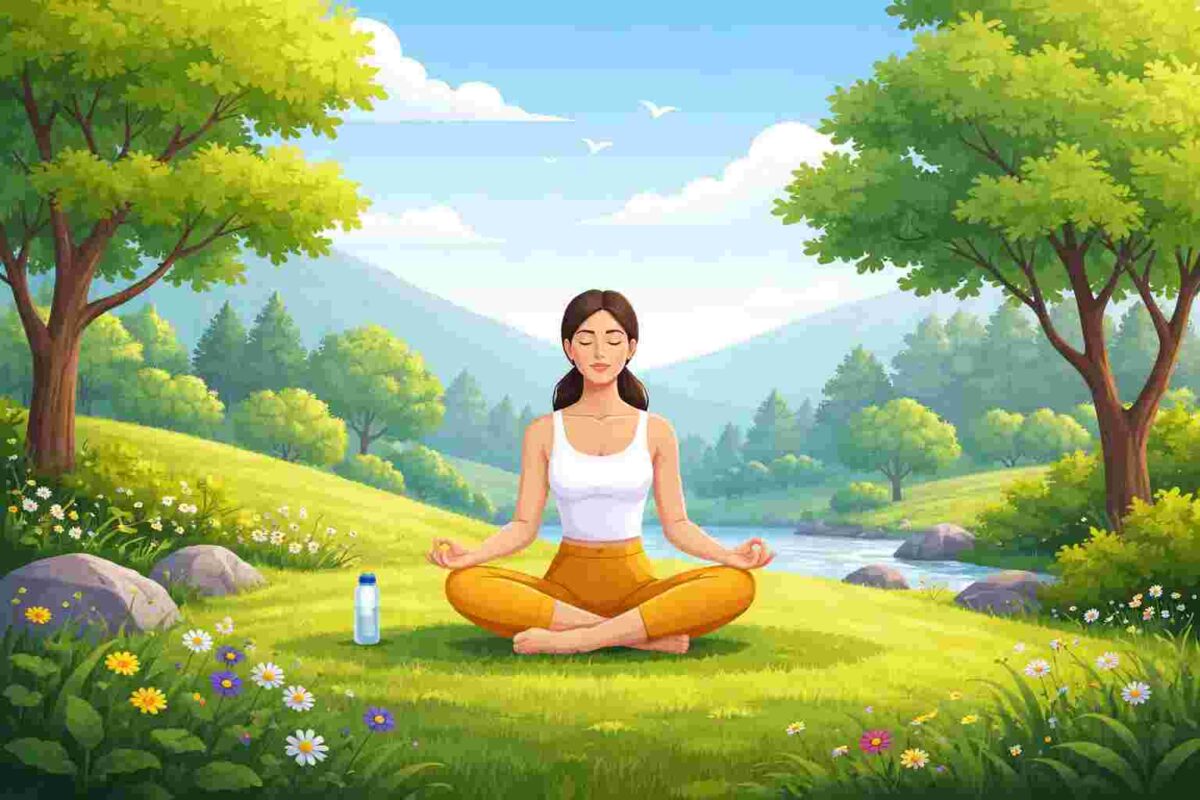
One of the most powerful methods to reduce stress naturally is through mindfulness and meditation. Mindfulness involves being present and fully engaging with the moment, allowing individuals to let go of past regrets and future worries.
Meditation can range from deep breathing exercises to structured practices like guided meditation. Regular meditation has been shown to decrease levels of the stress hormone cortisol, which can lead to a more relaxed state of mind. As per a study published in Statista, around 14% of adults in the U.S. practice meditation as a means to cope with stress.
Techniques for Meditation
- Focused Breathing: Concentrate on your breath, inhaling deeply and exhaling slowly.
- Body Scan: Mentally scan your body for tension, consciously relaxing each area.
- Guided Meditation: Use apps or online videos for guidance.
Physical Activity
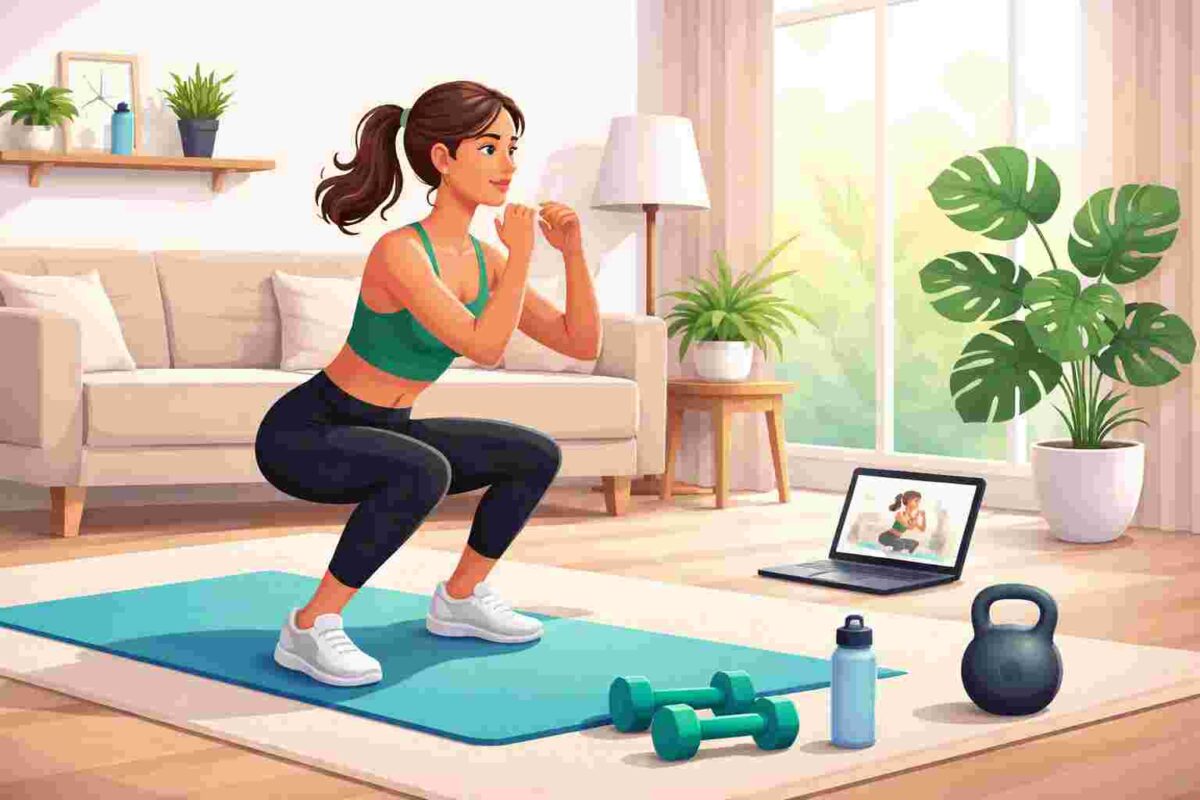
Engaging in regular physical activity is another effective way to reduce stress naturally. Exercise releases endorphins, the body’s feel-good hormones, which can enhance mood and provide a sense of accomplishment. In fact, research shows that about 30 minutes of moderate exercise can significantly lower stress levels.
Whether it’s a brisk walk, a jog, or a workout at the gym, incorporating physical activity into your routine can be a natural remedy for stress. Activities such as yoga or tai chi, which incorporate both movement and mindfulness, are particularly effective.
Finding the Right Exercise
- Choose Enjoyable Activities: Finding workouts you enjoy will make it easier to stay consistent.
- Set Realistic Goals: Aim for achievable milestones to maintain motivation.
- Mix It Up: Combine different forms of exercise to prevent boredom.
Nutrition and Hydration
What you consume plays a significant role in how your body responds to stress. A balanced diet rich in whole foods can improve mood and resilience against stress. Foods high in omega-3 fatty acids, antioxidants, and vitamins can combat oxidative stress and inflammation.
Staying hydrated also plays a vital role in stress management. Dehydration can lead to irritability and increased anxiety. Therefore, ensuring adequate fluid intake can contribute to a more relaxed mental state.
Stress-Reducing Foods
| Food | Benefits |
|---|---|
| Blueberries | Rich in antioxidants, they help oxidative reduce stress naturally. |
| Fatty Fish | Source of omega-3s, which can lower anxiety levels. |
| Dark Chocolate | Aids in reducing stress hormone levels. |
| Nuts | High in healthy fats and protein, promoting brain health. |
Sleep Hygiene
Quality sleep is essential for effective stress management. Sleep deprivation can exacerbate stress and create a cycle that is challenging to break. Establishing a consistent sleep routine can dramatically improve both sleep quality and emotional well-being.
Creating a restful sleeping environment, minimizing blue light exposure before bed, and practicing relaxation techniques can contribute to better sleep hygiene. Aim for 7-9 hours of sleep each night to optimize mental and physical health.
Improving Sleep Quality
- Create a Relaxing Bedtime Ritual: Wind down with calming activities.
- Limit Screen Time: Avoid electronic devices at least 30 minutes before sleep.
- Keep a Regular Sleep Schedule: Go to bed and wake up at the same time every day.
Connecting with Nature
Spending time in nature has profound effects on mental well-being. Studies have found that individuals who regularly engage in outdoor activities report lower stress levels and improved mood. Nature has a calming effect, helping to ground people in the present moment.
Simple activities like walking in a park, gardening, or hiking can significantly enhance one’s mental health. A study in the Encyclopedia Britannica highlights that exposure to green spaces can lead to reduced symptoms of anxiety and depression.
Social Connections
Human beings are inherently social creatures, and maintaining strong relationships with friends and family can be a crucial buffer against stress. Engaging in social interactions promotes feelings of belonging and support, which are vital for emotional health.
Regularly spending time with loved ones, sharing experiences, and seeking support during challenging times can lead to a decrease in stress levels. Community involvement and volunteering can also foster connections and add meaning to life.
Building and Maintaining Friendships
- Make Plans: Schedule regular interactions with friends and family.
- Communicate Openly: Share your feelings and listen to others as well.
- Join Groups: Participate in community events or clubs that interest you.
Limiting Caffeine and Alcohol
Caffeine and alcohol can both play significant roles in stress levels. While caffeine can initially make you feel alert, it can also lead to increased anxiety and disrupted sleep patterns. On the other hand, while alcohol may seem calming, it can ultimately lead to increased stress when its effects wear off.
By reducing or eliminating these substances from your routine, you may notice an improvement in your overall mood and stress levels. Opting for herbal teas and non-caffeinated beverages may be a healthier choice.
Practicing Gratitude
Practicing gratitude can shift your focus from stress-inducing thoughts to positive experiences. Keeping a gratitude journal, where you note down things you are thankful for each day, can enhance emotional well-being.
Studies show that regularly practicing gratitude can increase happiness and reduce stress naturally, depression and anxiety. Moreover, expressing gratitude to others fosters positive relationships and can create a supportive social network.
Ways to Cultivate Gratitude
- Daily Journaling: Write down three things you are grateful for each day.
- Sharing Gratitude: Express thanks to friends and family verbally or through letters.
- Mindfulness Practices: Incorporate moments of gratitude into meditation.
Personal Growth and Hobbies
Engaging in hobbies and interests can serve as an excellent outlet for stress relief. Whether it’s painting, gardening, writing, or playing a musical instrument, immersing yourself in enjoyable activities can provide a sense of achievement and joy.
Moreover, pursuing personal growth through learning new skills can enhance self-esteem and provide a constructive focus, diverting attention away from stressors. Take some time to explore different interests and see what resonates with you.
Finding Your Passion
- Explore New Activities: Try classes or workshops to discover new interests.
- Set Personal Goals: Aim to learn or improve skills related to your hobbies.
- Dedicate Time: Set aside time weekly to engage in activities you love.
Conclusion
Reducing stress naturally requires adopting a holistic approach to your life. By integrating mindfulness, physical activity, proper nutrition, and strong social connections, you can create an environment conducive to stress management. Remember that what works for one person may differ for another, so explore various methods to find what suits you best.
Additionally, incorporating gratitude practices and hobbies can significantly improve your emotional well-being. Start making small changes today, and you’ll likely see a positive impact on your overall stress levels.
Frequently Asked Questions
1. What are the best ways to reduce stress naturally?
Some effective natural methods include mindfulness practices, regular physical activity, balanced nutrition, and maintaining strong social connections.
2. How long should I meditate for stress relief?
Even a few minutes of meditation daily can be beneficial. Aim for 10-20 minutes for optimal stress reduction.
3. Can diet really affect my stress levels?
Yes, a balanced diet rich in nutrients can help regulate stress hormones and improve overall mood.
4. How can nature help with stress reduction?
Spending time in nature can enhance feelings of well-being and lower symptoms of anxiety and depression.
5. Is it essential to avoid caffeine and alcohol for stress management?
While not mandatory, limiting these substances can greatly help in managing anxiety and improving sleep!