Understanding the Importance of Saving Money
Save Money: Saving money is a crucial skill that everyone should learn. For beginners, it can seem daunting, yet it is an essential part of financial well-being. According to a survey by Bankrate, 25% of Americans have no savings at all. Learning to save can help you build a financial cushion, prepare for emergencies, and work towards your financial goals.
Table of Contents
Benefits of Saving Money
- Builds financial security
- Provides peace of mind during unforeseen circumstances
- Allows for future investments or expenditures
- Helps avoid debt accumulation
Starting with a Budget
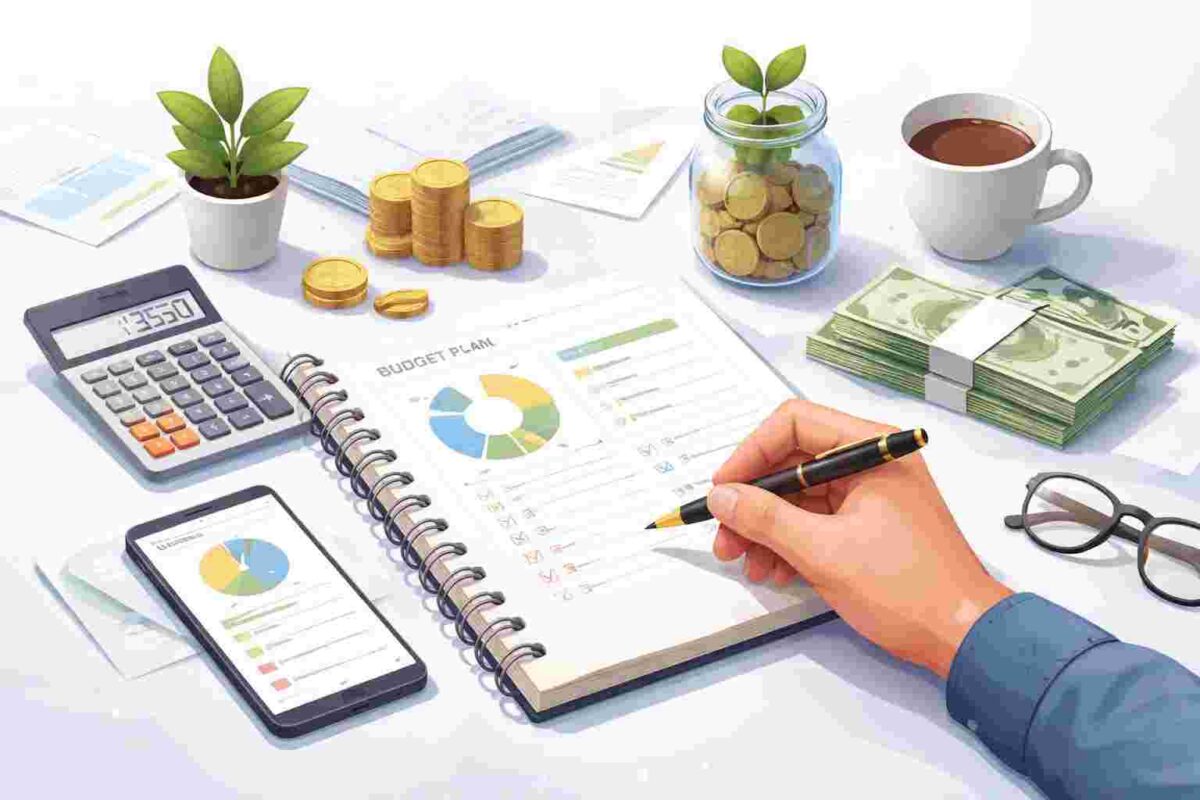
The first step in saving money effectively is creating a budget. A budget serves as your roadmap to manage your income and expenditures.
What is a Budget?
A budget is a financial plan that outlines how you allocate your income towards various expenses and savings. It helps in tracking spending, ensuring that you live within your means, and achieving your savings goals.
Steps to Create a Budget
- Identify your income: Determine your total income, including salary, side hustles, and any passive income.
- List your fixed expenses: Write down necessary monthly expenses such as rent, utilities, and insurance.
- Identify variable expenses: Track discretionary spending like groceries, entertainment, and dining out.
- Set savings goals: Decide on your savings goals, such as an emergency fund, vacation, or retirement.
Effective Saving Techniques
Pay Yourself First
One of the best saving techniques is to pay yourself first. This means setting aside a portion of your income for savings before you pay any bills or make purchases.
Avoid Impulse Purchases
Impulse purchases can derail your savings plan. Here are some strategies to help you resist:
- Implement a waiting period before making non-essential purchases.
- Create a shopping list and stick to it.
- Avoid shopping when you are feeling emotional or bored.
Create an Emergency Fund
An emergency fund is a vital aspect of saving. Financial experts recommend having three to six months’ worth of living expenses saved to cover unexpected costs such as car repairs or medical expenses.
Utilizing Savings Tools
High-Interest Savings Accounts
Consider keeping your savings in a high-interest savings account. According to the FDIC, as of 2023 the average savings account interest rate is about 0.05%. However, some banks offer rates up to 1.00% or more.
Automate Your Savings
Setting up automatic transfers from your checking account to your savings account can make saving effortless. Choose a specific amount or percentage of your income to transfer regularly.
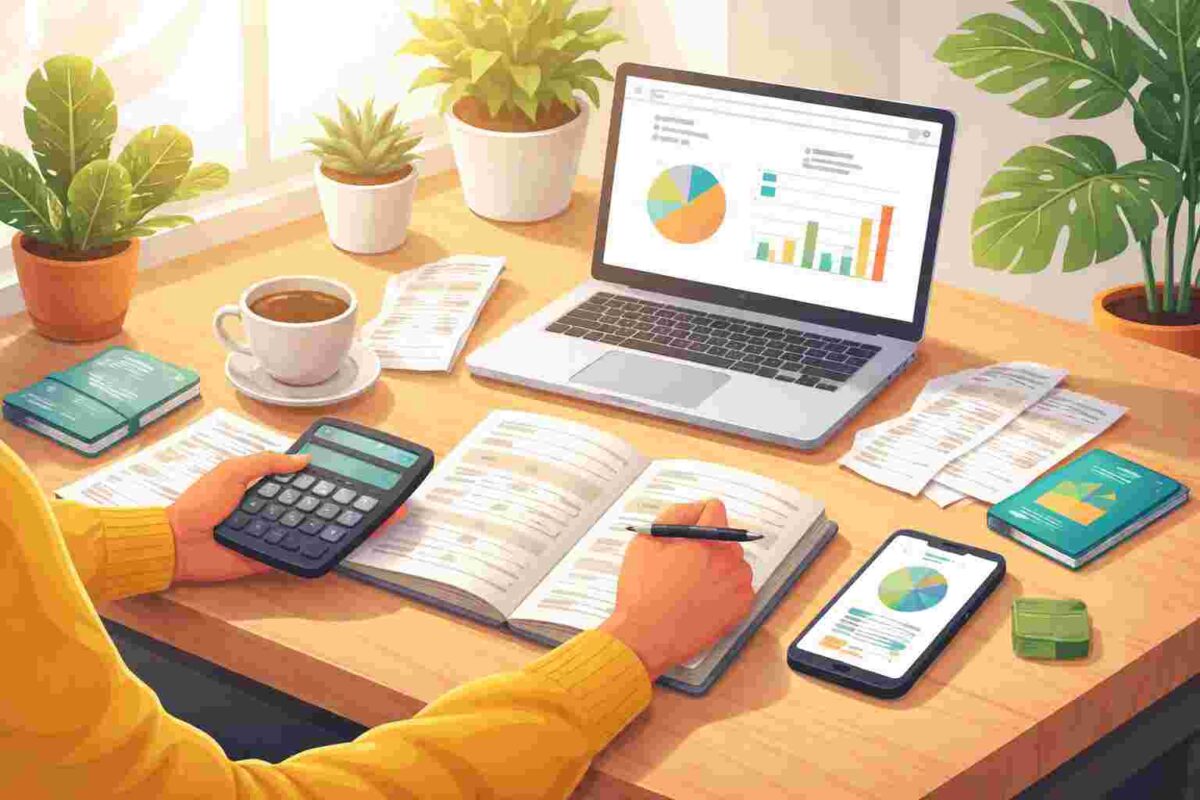
Utilizing Budgeting Apps
Modern technology offers many budgeting apps that help track your spending and savings. Here are a few popular options:
- Mint
- YNAB (You Need A Budget)
- EveryDollar
- GoodBudget
Cutting Unnecessary Expenses
Finding areas where you can cut expenses can significantly boost your savings. Below are some tips:
Analyze Your Subscriptions
| Category | Average Monthly Cost | Possible Savings |
|---|---|---|
| Streaming Services | $30 | Cancel unused subscriptions |
| Gym Memberships | $50 | Consider home workouts |
| Dining Out | $200 | Reduce frequency to save |
Switching to Generic Brands
For many consumables, generic brands offer similar quality at a lower price. This small change can lead to significant savings over time.
Use Coupons and Discounts
Before making purchases, take a few minutes to search for coupons or discounts online. Websites like RetailMeNot, Honey, or CouponCabin offer various savings for everyday purchases.
Setting Financial Goals
Having clear goals can motivate you to save. Here are some examples of short-term and long-term financial goals you can set:
Short-Term Goals
- Saving for a vacation
- Acquiring new electronics
- Creating an emergency fund
Long-Term Goals
- Saving for a home
- Building a retirement fund
- Investing in education
Involving Others in Your Saving Journey
Sharing your financial goals with friends or family can lead to greater accountability. They may offer support, or even join you in saving money, making the process more enjoyable.
FAQs about Saving Money
What percentage of my income should I save?
As a general guide, aim to save at least 20% of your income, but even saving 10% can be a great start.
How long does it take to build an emergency fund?
Building an emergency fund can take anywhere from a few months to a couple of years, depending on your income and savings ability.
Is it worth investing money while saving?
Investing can provide potential growth for your savings, but it’s essential to have a basic savings cushion before diving into investments.
Conclusion
Saving money as a beginner may seem challenging, but with the right strategies in place, you can create a stable financial future. Start by budgeting, finding effective savings techniques, and establishing financial goals. Remember, every small step counts, and your journey towards financial security begins today.
Additional Resources
For more information, visit these resources: